
16 Eco-Friendly Home Shopping Mistakes to Avoid
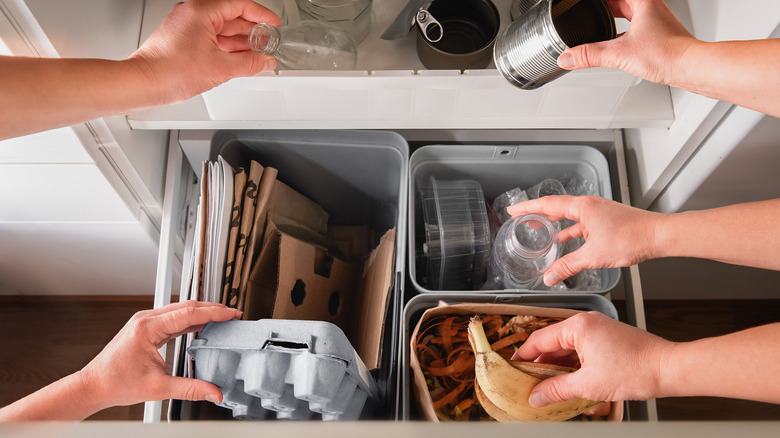
There are many household products that can be replaced with more sustainable alternatives to reduce your environmental impact. While some items are unavoidable, there are numerous eco-friendly options available for everyday use. By making small changes in your buying habits, you can significantly reduce your carbon footprint and contribute to a healthier planet.
Single-use Storage Bags
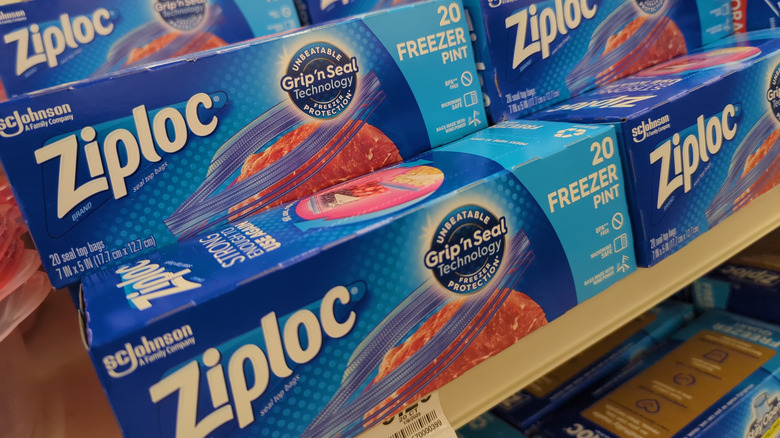
Plastic bags are convenient, but they have a significant environmental impact. Most plastic bags are made from polyethylene, a material derived from non-renewable fossil fuels. When burned, plastics release carbon dioxide and other greenhouse gases. In the US, plastic bags have very low recycling rates—typically under 10 percent—because producing new bags from virgin plastic is cheaper than recycling them. The solution is to switch to reusable snack bags. These bags are more expensive upfront but will save you money in the long run. A 10-pack of Qinline Reusable Storage Bags sells for about $14.
Bottled Water
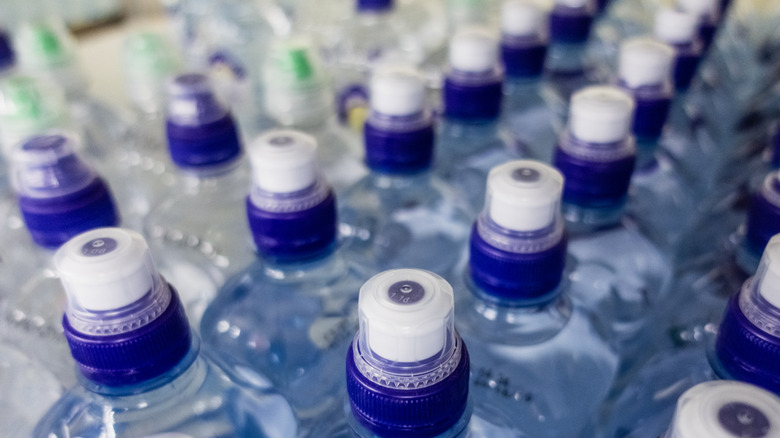
Americans use roughly 50 billion disposable bottles annually. The production of bottled water is far more energy-intensive than tap water. Bottled water has also been shown to contain higher levels of micro-or nano-plastic particles than many samples of tap water. To protect your wallet and the environment, consider switching to a filtration system like a Brita faucet filter, which costs around $30. Reusable aluminum bottles are also a great option for staying hydrated on the go.
Single-use Chopsticks
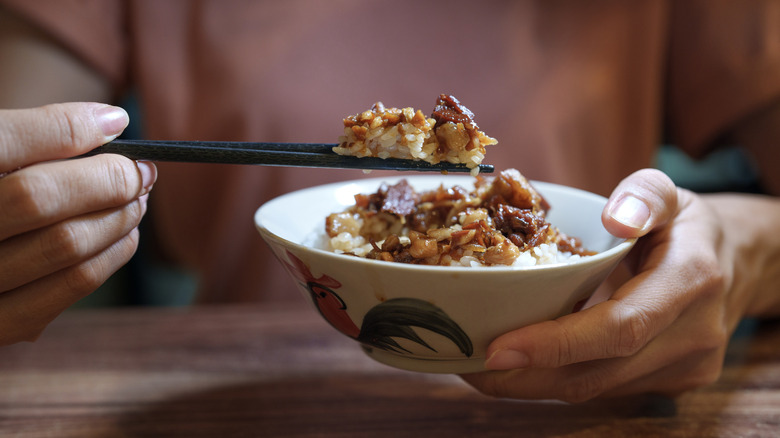
Single-use chopsticks are widely used in many cultures, but their environmental impact is significant. An estimated 80 billion pairs of disposable chopsticks are sold worldwide each year. Many of these are treated with chemicals that make them non-biodegradable. Reusable chopsticks can help solve this sustainability crisis. You can find sets of reusable chopsticks at local markets for between $10 and $60. If you do end up with disposable bamboo chopsticks, some cities have ChopValue collection services that recycle them into furniture and home goods.
Makeup Wipes
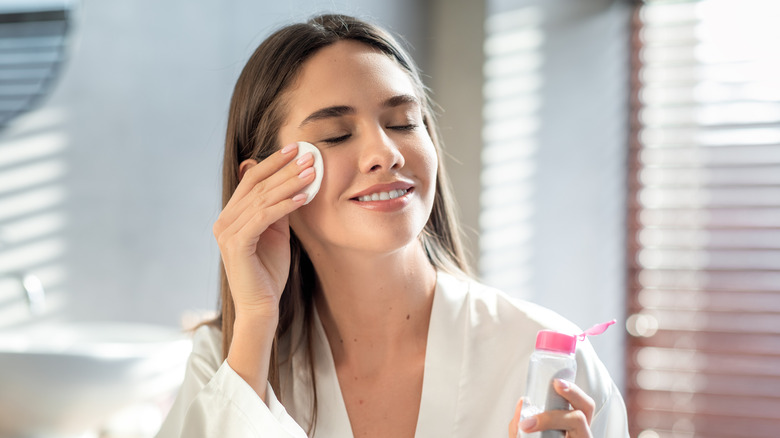
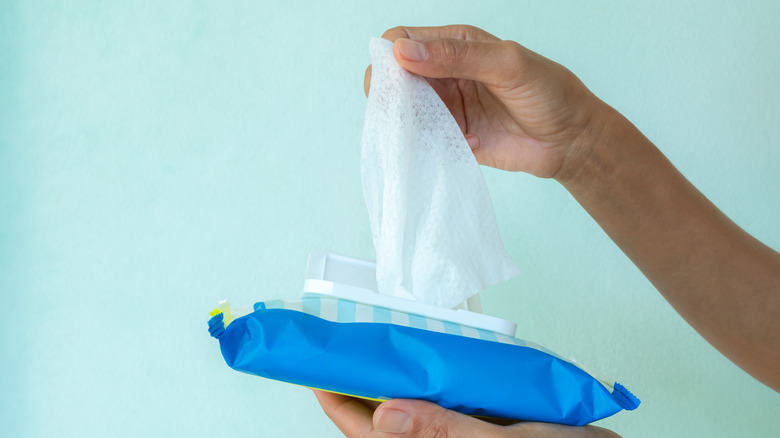
Makeup wipes are convenient but harmful to the environment. Many makeup wipes are made with synthetic fibers like polyester that are not biodegradable. They fragment into microplastics, which can persist in soil and waterways for decades. Reusable substitutes for cosmetic wipes not only protect the environment but also save you money. For example, you can purchase reusable makeup-removing pads like the Greenzla cotton rounds for $12. These can be rinsed with soap and warm water or washed in the washing machine.
Plastic Straws
Plastic straws don't biodegrade when tossed in a landfill. Rainwater can wash tiny plastic particles out of landfills, carrying them through the soil and eventually into groundwater, rivers, and other parts of the water system. Paper straws are a more sustainable option than plastic straws. They require less oil to produce and break down quickly without harming the soil and water. You can also use stainless steel straws and glass straws.

Rechargeable Batteries
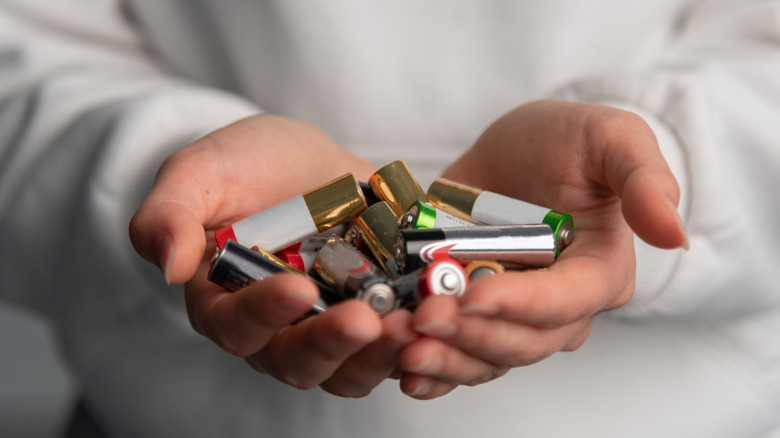
Many household electronic devices use batteries, and some are single-use. To address the environmental impact of single-use batteries, companies now sell rechargeable substitutes. However, rechargeable batteries still contribute to environmental harm by leaching toxic metals like lead, cadmium, mercury, and cobalt. It's important to recycle these batteries properly. The Better Battery Company offers a carbon-neutral alternative with fully recyclable single-use batteries that do not contain cobalt.
Aerosol Cans
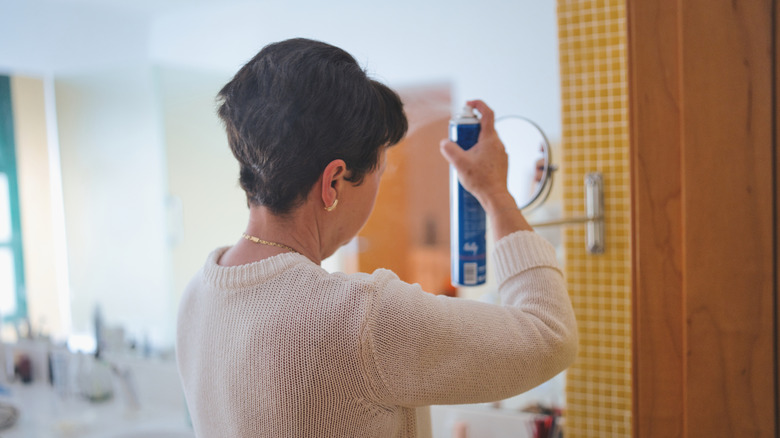
Modern aerosol sprays tend to use volatile organic compounds (VOCs), like propane and butane. When sprayed, especially in enclosed spaces, they can contribute to toxic smog. To mitigate this harm, opt for substitutes like roll-on deodorant and sunscreen bottles. You can also use non-aerosol air fresheners or paint cans rather than spray paint. Look for products that dispense their contents using a pump, which does not rely on aerosol.
Plastic Wrap
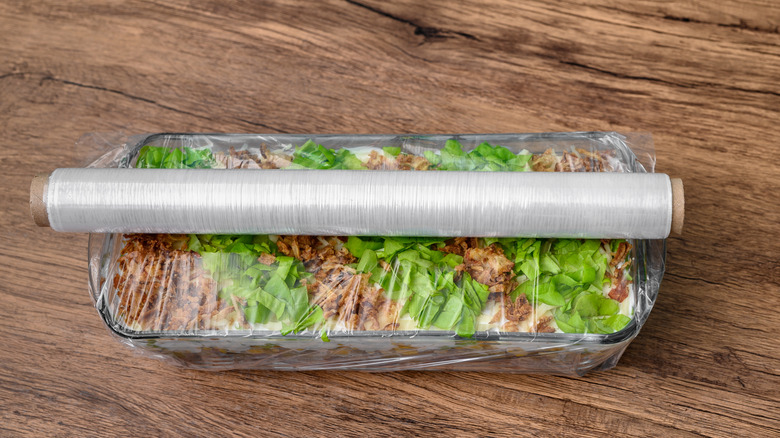
Plastic wrap is particularly harmful because it is challenging to recycle. This leads a lot of discarded plastic wrap ending up in the ocean, where it breaks down into microplastics or absorbs toxins and poisons fish. For a more sustainable alternative, opt for beeswax wrap or store your leftovers in lidded reusable containers.
Paper Towels
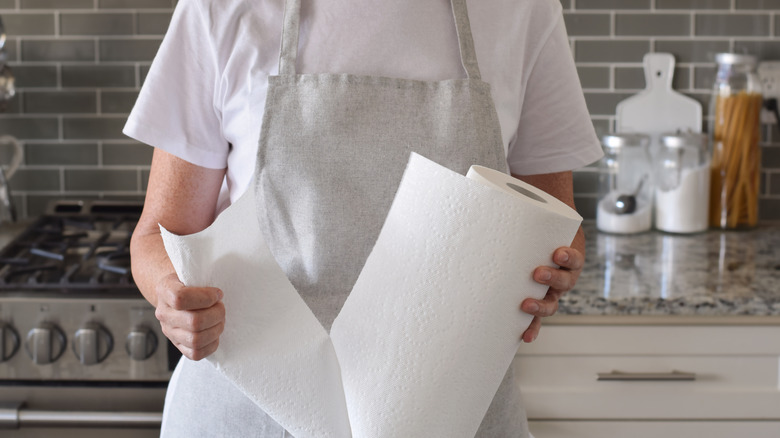
Paper towels are consistently harmful for the environment. To produce a ton of paper towels, you must harvest 17 trees and pollute 20,000 gallons of water. To reduce your impact, supplement your cleaning routine with reusable rags. You can also try reusable microfiber cloths, which absorb water and grease without scratching delicate surfaces.
Tea Bags
Some mesh tea bags are made with polypropylene, a nonbiodegradable plastic that can break down into particles under high brewing temperatures. Next time you go shopping, look for loose-leaf tea or tea bags made of cellulose or paper instead. There are several creative ways to upcycle these tea bags.

Dryer Sheets
Dryer sheets release scents and softeners, but they are made of synthetic polyester, a source of microplastics, and contain VOCs. Wool dryer balls are a reusable option that prevents static clinging and is made with natural fibers. You can also catch static with a ball of aluminum foil. Air drying your laundry using a clothes line is another sustainable option.
Non-biodegradable Cleaning Wipes
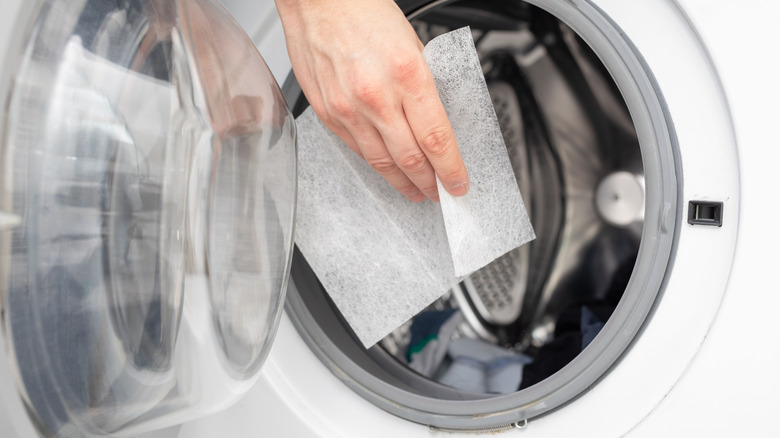
Disinfecting wipes are made from synthetic fibers like polyester and polypropylene, which can release microplastics when they break down. Hydrogen peroxide is an excellent cleaning substitute because it is biodegradable and kills germs. Castile soap and white vinegar are also effective cleaning agents.
Disposable Lint Rollers
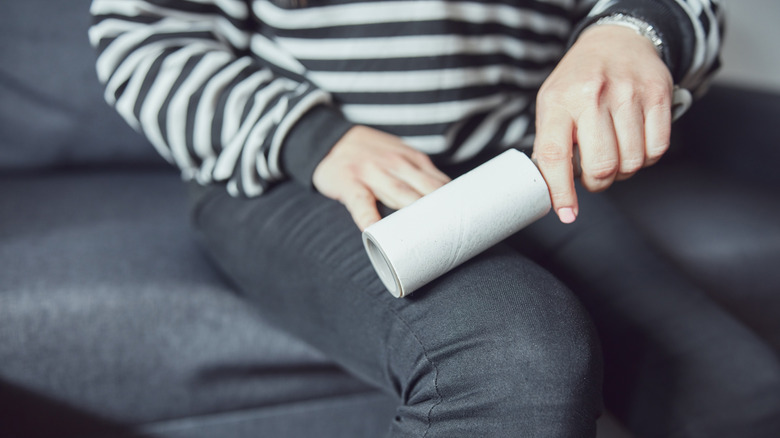
Disposable lint rollers have a damaging impact on the environment because the torn-off sheets can end up in the waterways and landfills. Reusable lint rollers are a sustainable solution that allows you to remove lint and animal fur without wasting unnecessary plastic.
Detergent Pods
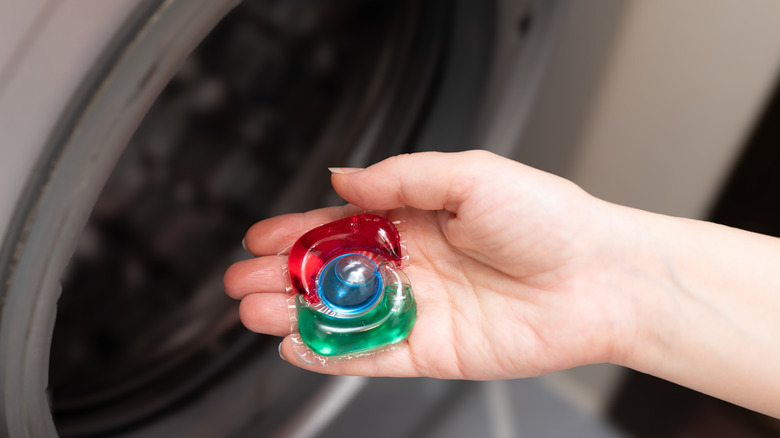
Detergent pods may have negative impacts on the soil and water. Eco-friendly alternatives include laundry detergent powder or sustainable laundry sheets. Brands like Molly's Suds and HeySunday offer products that are safe for sensitive skin and septic systems.
Bottled Cleaning Products
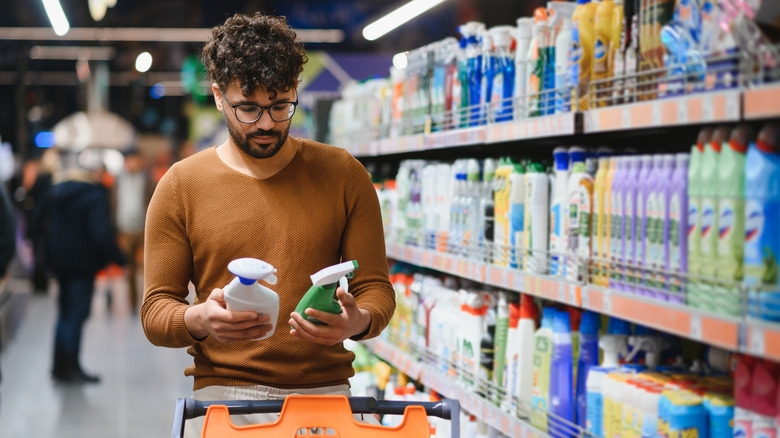
Bottled cleaning products are made from non-renewable crude oil and take hundreds of years to fully break down. Natural cleaners like baking soda, dish soap, or vinegar can be used as alternatives. When purchasing bottled cleaning products, look for those that come in refillable containers and have Safer Choice or Design for the Environment (DfE) seals from the EPA.
Single-use Plastic Utensils
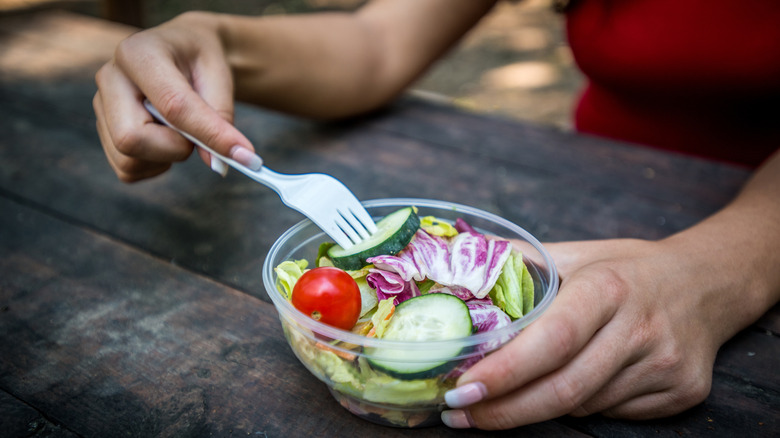
Single-use plastic utensils add up over time and are made from fossil fuels that do not biodegrade. Silverware or compostable utensils from companies like Green Paper Products are better for the environment.

Posting Komentar untuk "16 Eco-Friendly Home Shopping Mistakes to Avoid"
Posting Komentar