
After the damaged pad, when will Russia send astronauts to the ISS?
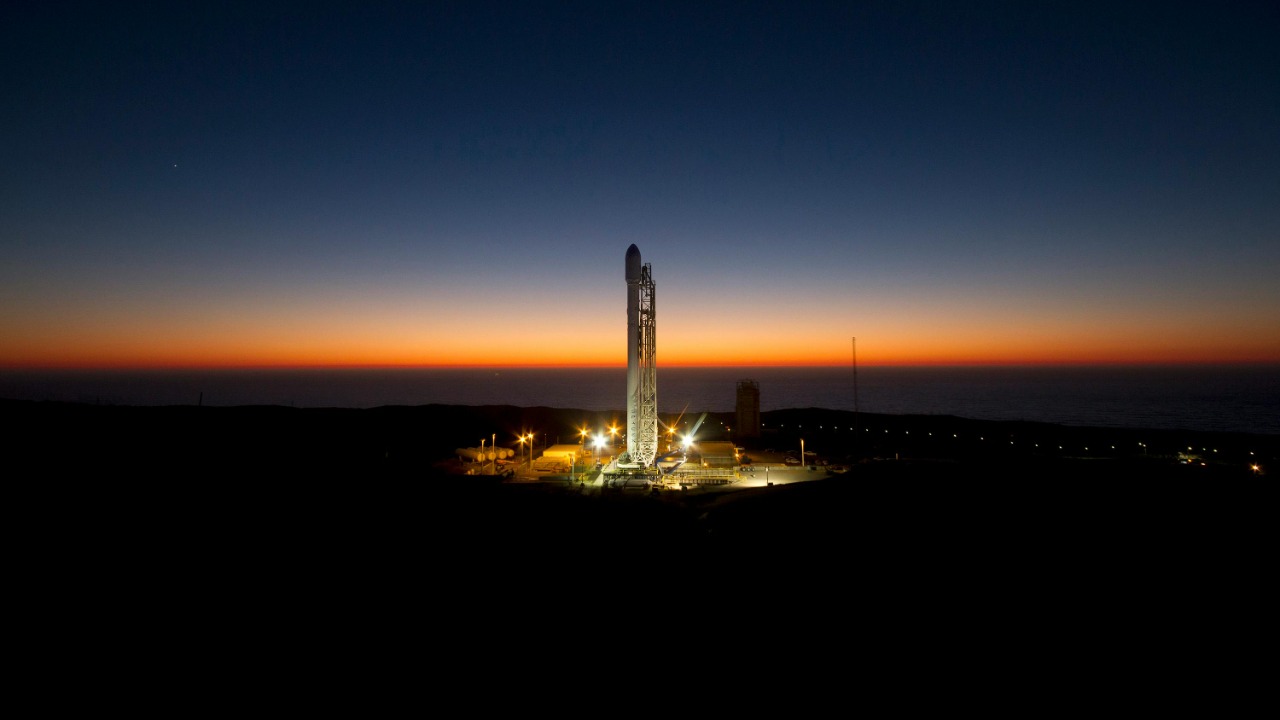
The Explosion at Baikonur: A Crisis for the International Space Station
The explosion that occurred at Russia’s main crew launch pad in Baikonur had far-reaching consequences beyond the physical damage it caused. It disrupted one of the core lifelines of the International Space Station (ISS), grounding Soyuz flights and forcing international partners to confront the fragility of their access to space. The central question now is not just how badly the pad was damaged, but how long it will take before crews can safely return to the ISS using a Russian rocket.
This timeline involves engineering challenges, political considerations, and the reality that there is no quick backup for a system that has supported human spaceflight since the early 1960s. As we explore what is known about the damage, repair plans, and alternatives, a rough window emerges for when Russian crews might return to the ISS, and what it could cost the broader partnership to wait.
The Blast That Changed Everything
The crisis began when a Soyuz MS-28 rocket, launched from the Baikonur Cosmodrome, severely damaged its own pad during ascent to the ISS. While the vehicle's crew reached orbit and docked safely, the infrastructure supporting Russia’s human spaceflight program did not fare as well. This left the country unable to send people into space for the first time since 1961. The incident halted crewed launches and triggered emergency planning among ISS partners.
In the immediate aftermath, Russian officials expressed confidence that repairs would be conducted quickly. However, outside experts painted a more sobering picture of the damage. The Soyuz MS-28 mishap did not just scorch paint or wiring—it compromised key elements of the launch complex that handle propellant, structural loads, and ground support, all essential for human-rated missions.
Roscosmos Promises Versus Outside Skepticism
Roscosmos has publicly projected confidence, stating that it aims to have the crew pad back in service by the end of March. This target suggests a roughly four-month turnaround from the accident to the next possible crewed launch. The agency has tried to reassure partners that its engineers can restore the pad and resume Soyuz missions on a schedule that keeps long-term planning intact at Baikonur.
However, outside observers are not as optimistic. Analysts like Anatoly Zak, an expert on Russian space activities, have warned that the scale of destruction could require more extensive reconstruction than officials admit, especially if structural elements or underground systems were compromised. Some specialists doubt the pad can be fully restored for human-rated launches on the schedule the agency has proposed, even though the crew that launched on Soyuz MS-28 reached the ISS safely.
What Exactly Was Damaged?
To understand how soon crews can fly again, it is essential to look at what was actually broken. Roscosmos acknowledged in a statement that there was "damage to a number of elements of the launchpad," indicating multiple systems were affected rather than a single component. The agency did not immediately specify whether the flame trench, fueling lines, electrical systems, or crew access structures were most heavily hit.
Subsequent analysis has emphasized that the pad is more than a concrete platform—it is a tightly integrated system of propellant plumbing, umbilicals, support towers, and safety infrastructure that must all work perfectly for a crewed launch. If the blast damaged underground conduits or structural foundations, repairs could require excavation and rebuilding rather than simple patching. That is why some experts caution that the path back to routine Soyuz flights may be longer and more complex than the early statements from Roscosmos suggest.
No Backup Pad and the Gagarin’s Start Problem
The vulnerability exposed by the accident is not only the damage itself but also the lack of a ready alternative. Earlier this year, the historic Gagarin’s Start complex at Baikonur, where Yuri Gagarin began human spaceflight, was transferred to Kazakhstan. This left Russia without direct control of its original crew launch site and made it harder to pivot to another pad when the current one failed.
With Gagarin’s Start unavailable and other Baikonur facilities not configured for human-rated Soyuz launches, Russia effectively has no backup pad for crewed missions. Analysts have questioned why Roscosmos did not invest earlier in a redundant launch complex at Baikonur or at its newer Vostochny Cosmodrome, given the age and importance of the existing site. The result is that the entire Russian human spaceflight program is now bottlenecked by the pace at which the damaged pad can be repaired.
How Long Can the ISS Run Without Soyuz Seats?
For the ISS partnership, the key operational question is how long the station can function smoothly without Russian crew launches. In the interim, Russia’s human spaceflight program is grounded, a first such disruption since 1961, and that gap strains the long-standing practice of having mixed crews from multiple agencies on board.
NASA has acknowledged that with Russia’s Baikonur pad out of action, the only fully operational crew transport to the station is SpaceX’s Dragon spacecraft. This concentration of risk in a single commercial system leaves little margin if Dragon experiences technical or schedule issues. NASA officials have stressed that they are monitoring the situation closely and that Dragon can cover near-term crew rotations, but they also recognize that relying on one vehicle indefinitely is not sustainable.
Commercial and International Stopgaps
In the absence of Soyuz, the ISS program is leaning harder on commercial and international alternatives, but those options have limits. SpaceX’s Crew Dragon can carry four astronauts at a time and has become the primary U.S. vehicle for reaching the station. However, its manifest was not designed to absorb all of Russia’s crewed traffic on short notice.
NASA is also hoping to certify Boeing’s Starliner capsule as a second operational vehicle for missions to the ISS, a step that would add redundancy and flexibility if it comes in time. The agency’s goal is to have both Dragon and Starliner share crew duties so that no single failure can ground human access to the station.
NASA’s Response and the Politics of Dependence
NASA’s public response has walked a careful line between concern and pragmatism. Officials have confirmed that the Soyuz MS-28 crew arrived safely at the station and emphasized that operations on orbit remain stable, even as they acknowledge that Russia’s Baikonur accident has removed a major pillar of ISS logistics.
Politically, the situation highlights how intertwined the partners remain, even after years of tension on the ground. The United States has invested heavily in commercial crew vehicles to avoid overdependence on Soyuz, yet the station’s architecture still assumes that Russian and American systems will support each other. As long as the Russian segment is essential for propulsion and some life support functions, Washington cannot simply shrug off a prolonged grounding of Soyuz flights.
Technical Repair Timelines Versus ISS Needs
From a purely technical standpoint, a four to six-month repair window for a damaged launch pad is not impossible, especially if structural damage is limited and crews can work around the clock. Roscosmos’s stated goal of returning to crewed launches by the end of March reflects that kind of aggressive schedule.
However, the ISS operates on a longer planning horizon, and its needs may not wait patiently for the most optimistic repair scenario. If Roscosmos’s timeline slips by even a few months, NASA and its partners will have to decide whether to extend current crew stays, add extra Dragon flights, or accept periods with fewer Russian specialists on board.
Strategic Lessons for Russia’s Space Future
For Russia, the Baikonur accident is a stark reminder that a national space program built around a single human launch complex is inherently fragile. The loss of the pad has left the country unable to send people into space at all, a symbolic and practical blow for a nation that once defined human spaceflight.
Strategically, the crisis may accelerate long-discussed but slow-moving plans to diversify launch sites and modernize hardware. Investments in Vostochny, new crew vehicles, and upgraded ground systems have all been on the table, yet the current predicament shows how incomplete those efforts remain.
More from HAWXTECH.NET
Chinese satellite hits Starlink with a 2-watt laser from orbit
USGS says lava could reach 1,500 ft as thousands get ready to leave
7 Apps That Secretly Record You—and How to Delete Them
A 6.0 magnitude earthquake was just reported in the U.S.

Posting Komentar untuk "After the damaged pad, when will Russia send astronauts to the ISS?"
Posting Komentar