
AI could transform space travel: Faster rockets, smarter propulsion
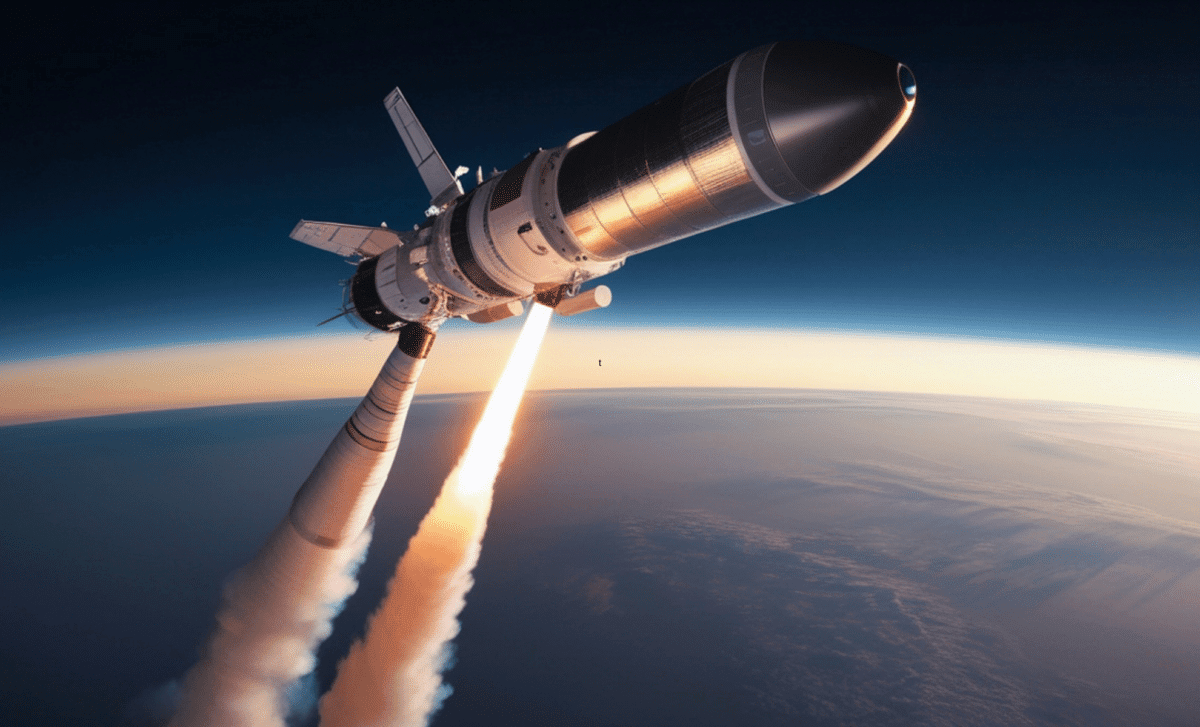
Space exploration has always relied on the continuous improvement of spacecraft propulsion systems. As humanity dreams of reaching new frontiers, like Mars and beyond, one area of focus has been enhancing the propulsion technologies that push spacecraft into the depths of space. A new study reveals how artificial intelligence (AI), especially reinforcement learning, is revolutionizing the way we design and optimize propulsion systems. This cutting-edge technology is pushing the boundaries of what’s possible, potentially even making nuclear-powered rockets a reality.
Optimizing Propulsion Systems Through AI: A Game-Changer for Space Exploration
Artificial intelligence, particularly reinforcement learning, is being harnessed to optimize spacecraft propulsion systems in ways that were previously unimaginable. In space exploration, propulsion is crucial for mission success, determining how efficiently spacecraft can travel to distant destinations. AI’s ability to analyze complex data sets and learn from patterns allows it to make real-time decisions that humans alone cannot. By simulating various conditions and configurations, AI can optimize propulsion systems and streamline the design process.
According to the study, reinforcement learning doesn’t just improve design but can also enhance operational efficiency once a spacecraft is in flight. This technology learns through experience and can adjust parameters in real-time, allowing spacecraft to adapt to unforeseen challenges, such as fuel consumption or mechanical failures, significantly increasing mission success rates.
Reinforcement Learning in Propulsion Design: A Breakthrough Innovation
When it comes to the design phase of spacecraft propulsion, every decision made can influence mission outcomes. Traditional methods of optimizing these designs often rely on human intuition and trial-and-error. However, reinforcement learning, a subset of AI, is taking this process to the next level. By simulating countless design variations and assessing the outcomes, AI can identify the most efficient configurations for propulsion systems. This technology’s ability to process vast amounts of data allows it to pinpoint the optimal geometry for reactors, fuel flow, and material choices—essential for building propulsion systems that maximize energy efficiency.
As the study points out, the real-time adaptability of reinforcement learning makes it especially valuable. For instance, early nuclear thermal propulsion systems like NASA’s NERVA program struggled with heat transfer optimization. Now, AI can analyze these variables with computational precision, leading to breakthroughs in how we transfer heat from nuclear reactors to propellants, improving propulsion efficiency.
Nuclear Thermal Propulsion: The Key to Faster Space Travel
One of the most exciting areas of research in propulsion technology is nuclear thermal propulsion, which could revolutionize space travel. Unlike conventional propulsion systems that burn fuel, nuclear propulsion relies on heat generated through nuclear reactions to power spacecraft. This technology has the potential to reduce travel times to distant planets like Mars, making interplanetary travel a more realistic goal.
Reinforcement learning plays a pivotal role in designing nuclear thermal systems. By analyzing variables such as heat transfer efficiency and fuel flow, AI can help engineers optimize reactor designs, ensuring they can generate the required thrust while maintaining safety and efficiency. These advances could significantly lower the cost and increase the speed of space missions, bringing Mars and other distant destinations within reach.
From Fusion to Fission: The Role of AI in Developing Nuclear Propulsion
AI’s potential in propulsion design isn’t limited to nuclear thermal systems. It also extends to the more ambitious concept of nuclear fusion, which could one day power spacecraft at even higher efficiencies. Fusion propulsion works by merging lighter atoms, such as hydrogen, to release vast amounts of energy—akin to the processes that power the sun. However, achieving the extreme conditions necessary for fusion in a compact system is a monumental challenge.

As described in research, AI-driven reinforcement learning is helping to overcome this hurdle. Researchers are exploring compact fusion devices, such as polywells, which use magnetic fields to contain and control plasma. By using reinforcement learning, engineers can optimize these magnetic field configurations to achieve the conditions necessary for sustainable fusion reactions. This innovation could eventually lead to nuclear fusion-powered rockets, revolutionizing long-term space travel.
AI’s Real-Time Role: Adapting Propulsion Systems During Space Missions
While AI’s role in the design phase of propulsion is impressive, its contributions during actual space missions are equally transformative. Spacecraft today face an ever-changing set of challenges once they leave Earth’s atmosphere—fuel consumption, unforeseen system failures, and even cosmic radiation. AI’s ability to make real-time decisions can ensure that spacecraft remain on track to meet mission goals despite these variables.
As noted in the study, reinforcement learning can help manage fuel consumption and adapt propulsion strategies based on mission demands. Whether it’s adjusting fuel flow for better efficiency or modifying propulsion settings to cope with a malfunction, AI ensures that spacecraft operate optimally throughout their journey. This adaptability could make space missions more efficient, cost-effective, and safer.

Posting Komentar untuk "AI could transform space travel: Faster rockets, smarter propulsion"
Posting Komentar