
AI Experts Believe This Could Solve Space Mission Delays Once and For All
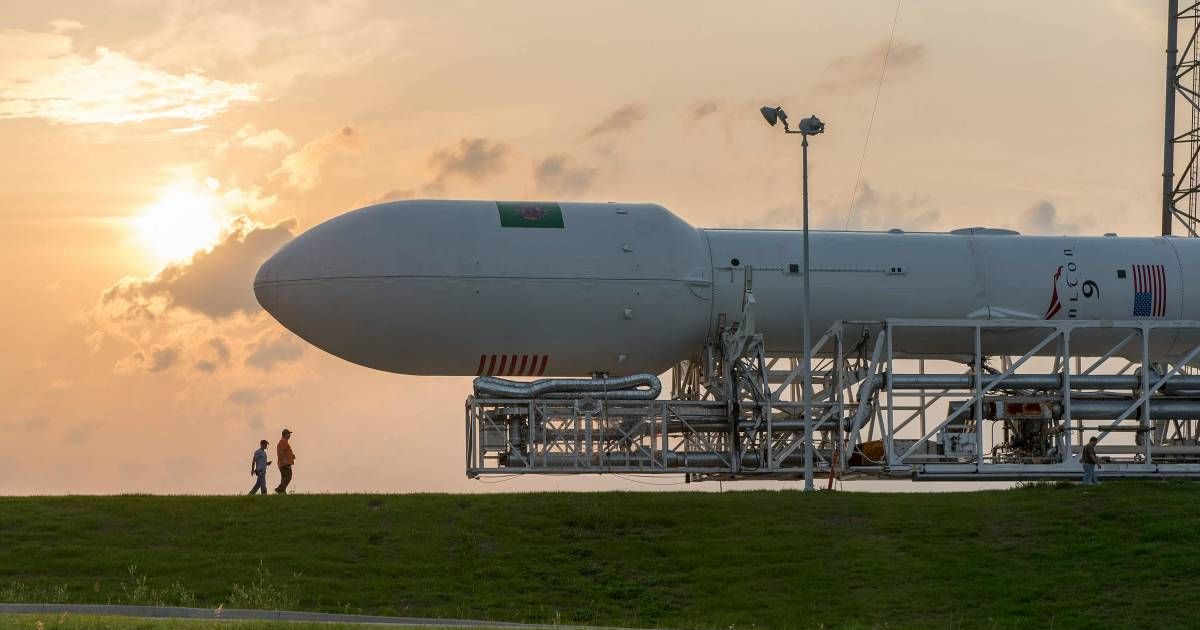
Last year, NASA astronauts Butch Wilmore and Sunita Williams were scheduled to return to Earth after an eight-day mission in space. However, their journey was extended to nine months due to issues with the Boeing Starliner spacecraft. When they were ready to return, the Starliner began experiencing technical difficulties while docked at the International Space Station (ISS). The crew discovered fuel tank leaks and failing thrusters, which made it impossible for the spacecraft to safely return them to Earth. Now, scientists are exploring how Artificial Intelligence (AI) can significantly improve future space missions, particularly in the field of propulsion technologies.
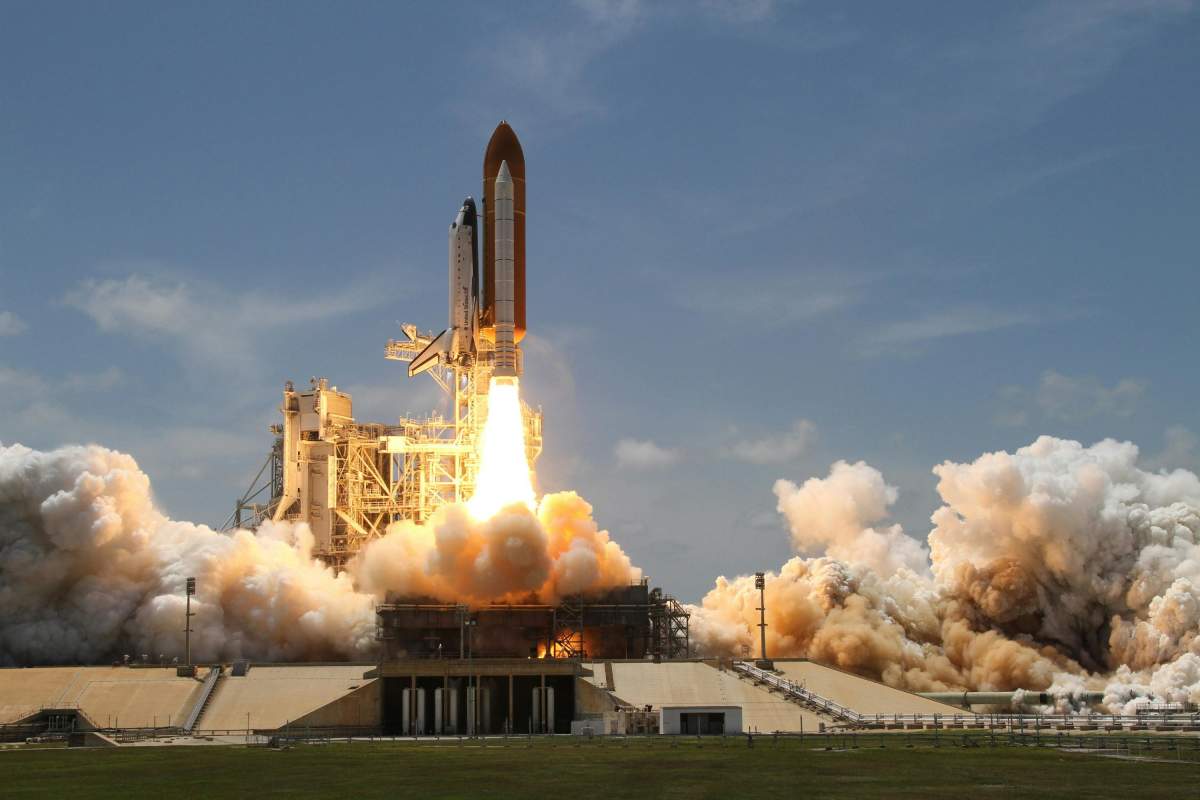
As companies and space agencies plan to explore the Moon, establish colonies on Mars, and even navigate the rings of Saturn, the need for advanced propulsion technology becomes increasingly critical. With hundreds of rockets launching from Earth each year, engineers are seeking propulsion systems that are not only smarter but also more adaptable. AI is emerging as a powerful solution, acting as a key enabler that could revolutionize space exploration beyond imagination.
“It is quickly becoming an indispensable partner in humankind's journey to the stars,” said a team of scientists, including Marcos Fernandez Tous, Preeti Nair, Sai Susmitha Guddanti, and Sreejith Vidhyadharan Nair. These researchers have been studying how AI, specifically machine learning, can transform spacecraft propulsion. This isn't just a theoretical idea—it's a practical and implementable approach.
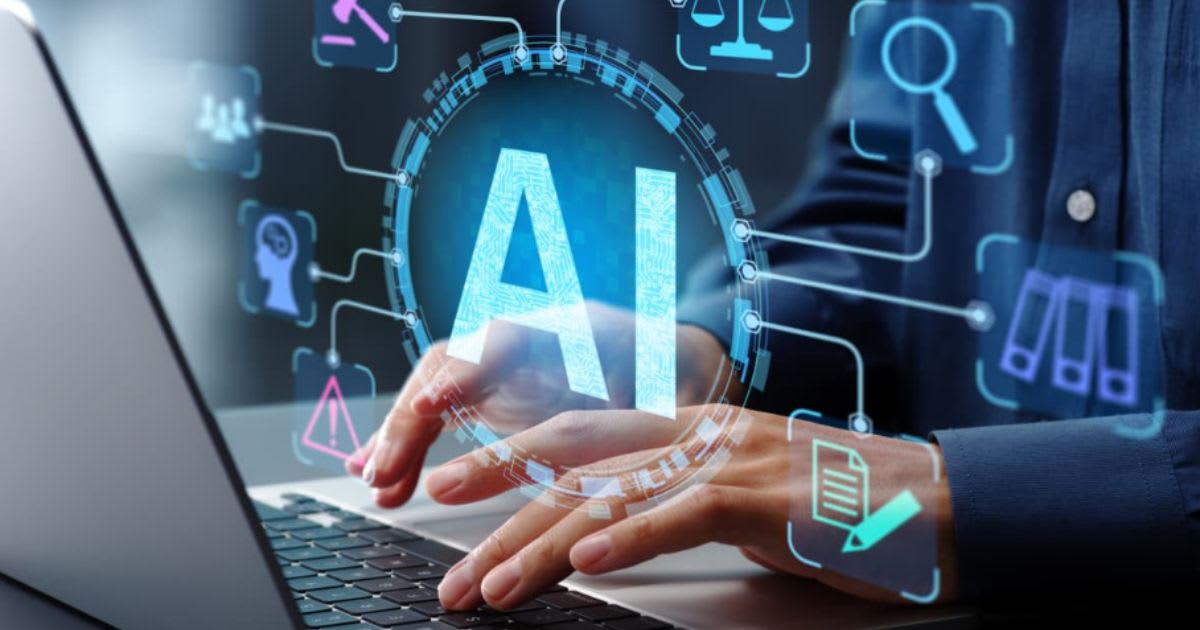
Spacecraft often face various challenges while operating millions of miles away from Earth. These include malfunctioning fuel pumps, declining thrusters, propellant leaks, and software glitches. By simulating complex propulsion scenarios, AI can address most of these issues while also improving nuclear fuel technologies and enhancing launch capabilities. Through predictive modeling of engine performance and real-time adjustments during flight, AI has the potential to ensure that spacecraft can navigate the unpredictable conditions of space with remarkable precision. Additionally, AI can optimize nuclear thermal engines and manage complex plasma confinement in fusion systems.
Machine learning, a subset of AI, works by identifying patterns in data. One branch of this, known as reinforcement learning, teaches machines to perform tasks by evaluating their performance, allowing them to continuously improve. A January 2025 study published in Progress in Aerospace Sciences demonstrated that AI has already shown its effectiveness in enhancing plasma control in electric propulsion (EP) thrusters and introducing new control mechanisms.
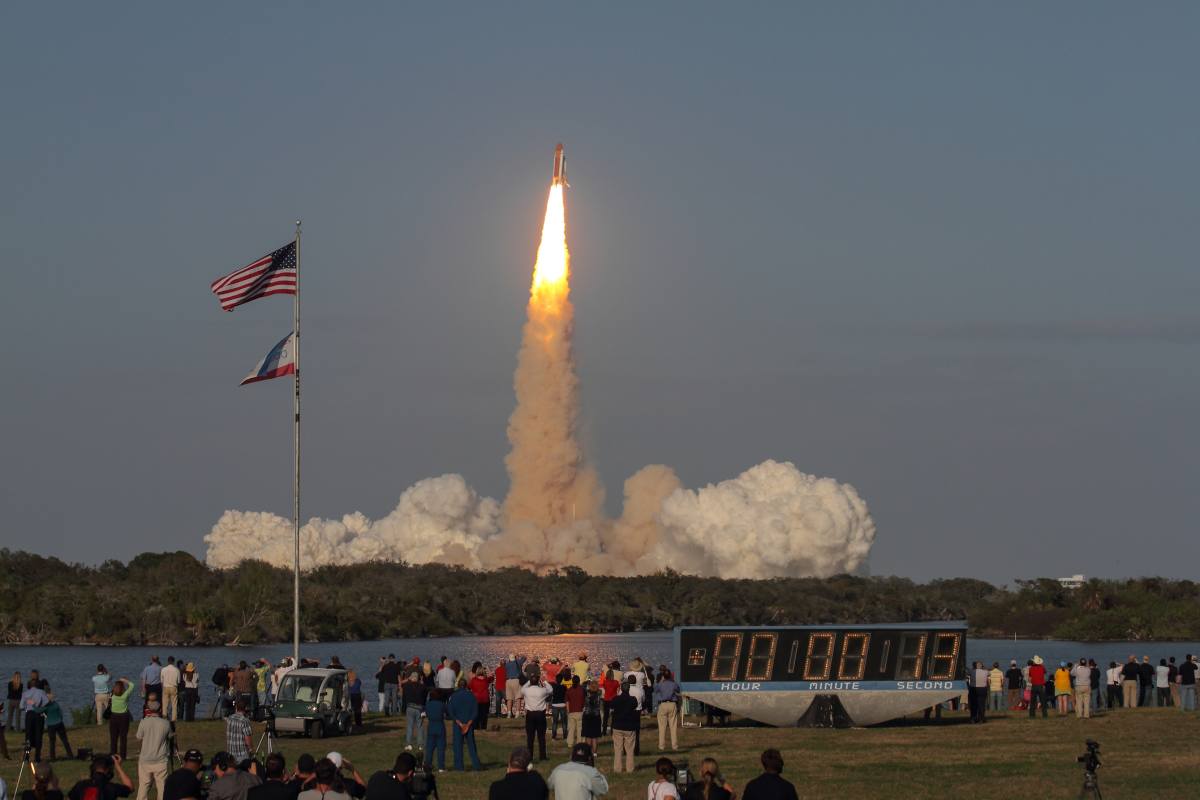
In a recent post on X, Elon Musk proposed the concept of “solar-powered AI satellites.” These satellites would use constant sunlight and the cold vacuum of space for power and cooling, avoiding grid overloads and reducing the need for water on Earth. This system could help meet the growing demands of AI data centers. With this approach, Starship could potentially launch up to 300 gigawatts annually. As spacecraft move farther from the Sun, their ability to harness solar energy decreases. An AI-powered propulsion system could serve as a crucial tool, guiding the craft to the most efficient ways of navigating the celestial environment.
More on Green Matters
Scientists Discover Massive Spinning Structure in Space — and It's More Than 5 Million Light-Years Long
Elon Musk Believes AI Could Destroy Us All — So Why Is He Investing in It?
Understanding the Impact Using AI Can Have On the Planet

Posting Komentar untuk "AI Experts Believe This Could Solve Space Mission Delays Once and For All"
Posting Komentar