
Argentina's SAB121: Central Bank Near Ending TradFi Crypto Ban
Key Takeaways
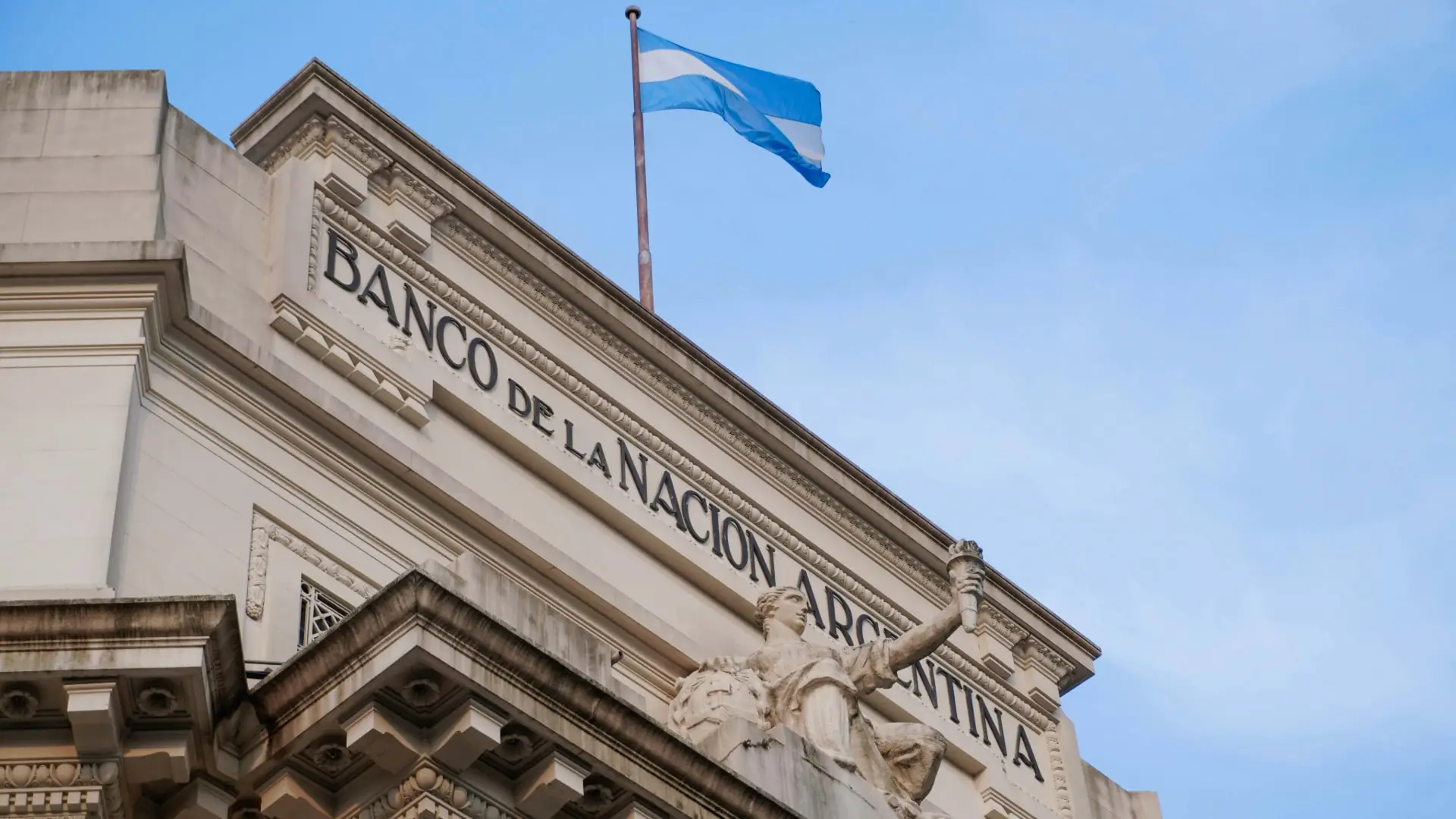
Argentina's central bank is reportedly working on new regulations that would allow banks to provide cryptocurrency services. This development comes in the wake of changes in the United States, where a controversial crypto accounting rule was recently removed. As restrictions on banks’ involvement in the crypto space are lifted, more financial institutions are beginning to explore opportunities in this emerging market.
The removal of the Securities and Exchange Commission’s (SEC) Staff Accounting Bulletin 121 (SAB121) in January helped spur increased institutional interest in cryptocurrencies in the U.S. Now, Argentina appears to be following a similar path, with its central bank considering a shift in policy that could mark a turning point for the country’s crypto industry.
Top Crypto Tax Accounting Software
CoinTracker
- Trusted, secure, and crypto-friendly
- Claim offer
TokenTax
- Save 10% on TokenTax with multi-year purchases
- Claim offer
CoinLedger
- Earn $100+ per referral who signs up with your link
- Claim offer
Argentina Considers Easing Crypto Restrictions
In 2022, the Banco Central de Argentina (BCRA) issued Communication A7506, which prohibited financial institutions from engaging in or facilitating their clients' operations with digital assets. However, after the appointment of new leadership in 2023 under President Javier Milei, the central bank adopted a more favorable stance toward cryptocurrency.
BCRA President Santiago Bausili has emphasized the importance of embracing new financial technologies, arguing that banks and fintech companies should operate on an equal footing. According to reports from La Nación, citing insiders, the BCRA is currently drafting a new regulation that would ease restrictions on banks’ participation in the crypto market.
Argentina’s SAB121 Moment
The regulatory environment in Argentina mirrors that of the U.S., where a change in government led to a shift in attitude toward cryptocurrency. Previously hostile administrations have been replaced by ones that are more open to digital assets.
While both A7506 and SAB121 had similar effects, A7506 is even more restrictive. It effectively bans financial institutions from offering trading or custody services related to digital assets. In contrast, SAB121 only required American banks to report digital assets held on behalf of customers as liabilities.
Banks Offering Crypto Services
Since the repeal of SAB121, major Wall Street firms have begun to enter the crypto space. Companies like Citi and State Street are preparing to launch crypto custody services in 2026. These moves are part of a broader trend where banks are integrating digital assets into their core business models.
From JPMorgan accepting crypto ETFs as loan collateral to Citi’s investments in stablecoins, banks that once avoided crypto are now actively building it into their operations. As regulatory environments evolve, both U.S. and Argentine banks can look to Europe for guidance, where over a dozen banks already offer crypto trading to retail customers.
Recommended Secure Partners
Best Safest (Most Secure) Crypto Exchanges?
Check out these exchanges for a secure and reliable experience.
File Crypto Taxes Easily
Reviews of top crypto tax software to simplify your reporting.
Play Crypto Poker
Best PvP crypto poker sites for an exciting gaming experience.

Posting Komentar untuk "Argentina's SAB121: Central Bank Near Ending TradFi Crypto Ban"
Posting Komentar