
Cessna 340: Cabin Comfort Meets Smooth Handling
Introduction to the Cessna 340
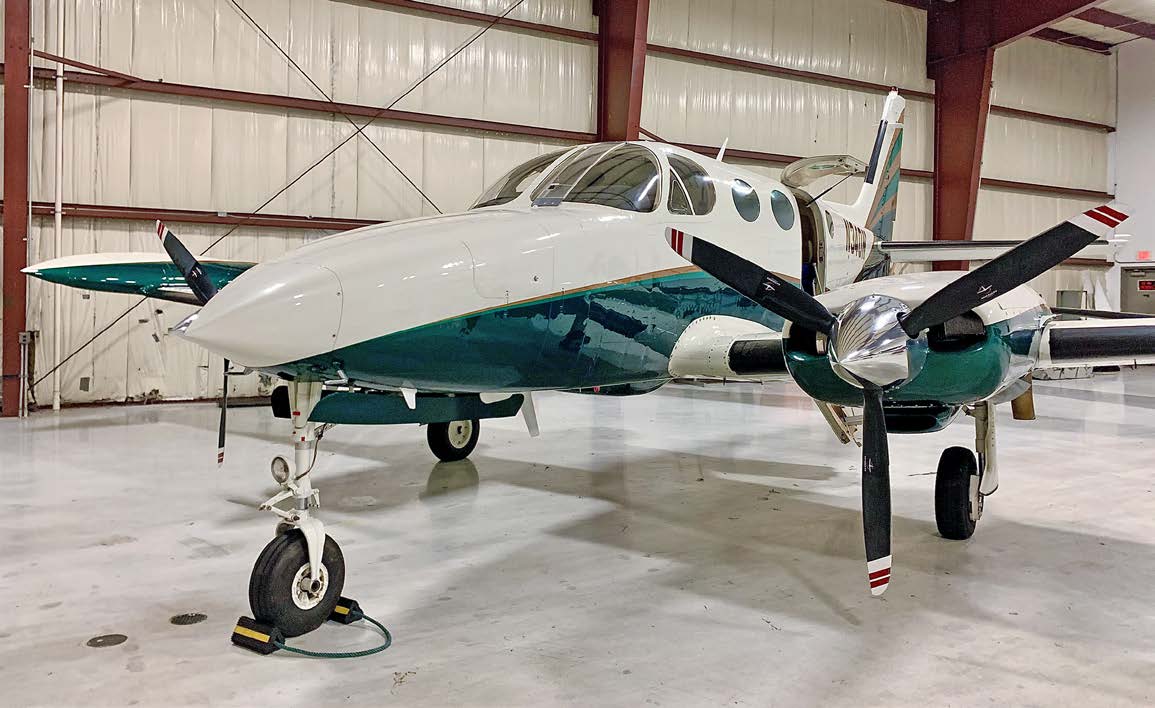
For those looking to move from a high-performance single-engine aircraft into the realm of cabin-class piston twins, the Cessna 340 presents an attractive option. Known for its biz-aircraft-like presence on the ramp and its ability to generate substantial maintenance costs, the 340 series represents a significant step up in complexity and performance.
Although it has its drawbacks—such as certain loading limitations and a complex fuel system—the 340 is still a remarkable and versatile aircraft capable of handling business missions while also being suitable for family travel.
Historical Background and Design Features
The Cessna 340 was introduced in 1972 as a more affordable alternative to the Cessna 414, which had been launched in 1970. Despite its 300-series designation, the 340 shares many components with the 414, including the wing, flaps, ailerons, landing gear, and engines. One notable feature of the 340 is its airstair door, eliminating the need for a ladder to enter the aircraft, unlike some models like the Cessna 310.
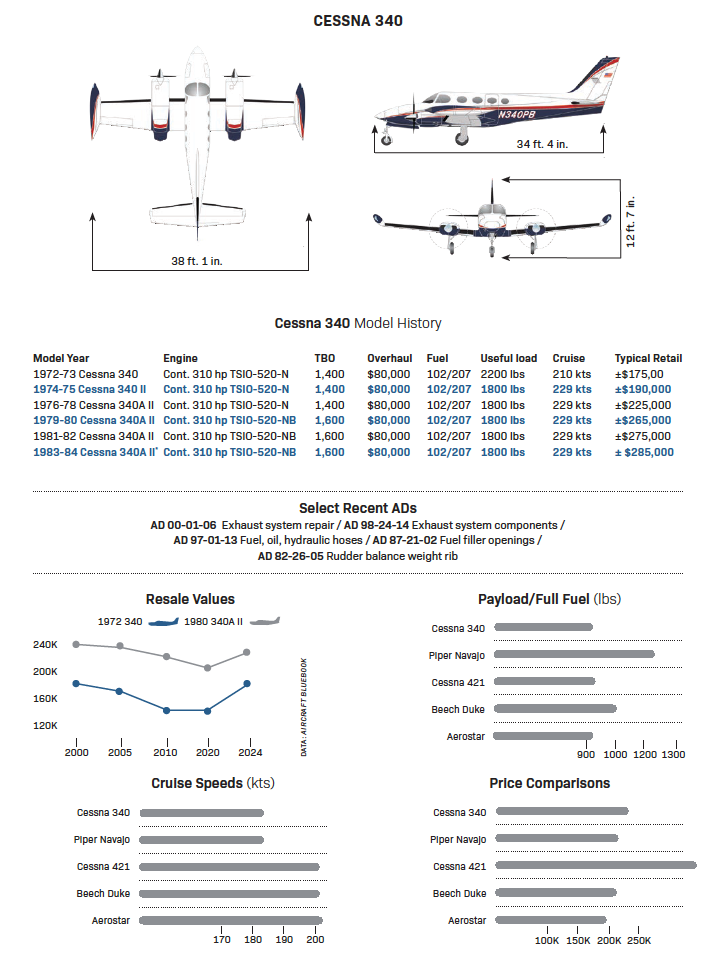
The 340 is slightly smaller than the 414 but faster when burning the same amount of fuel. From 1972 through 1975, the 340 was equipped with Continental TSIO-520-K engines, producing 285 horsepower. However, most of these engines have since been upgraded to J or N variants, which include intercoolers that enhance power and efficiency.
Engine Evolution and Performance Enhancements
The TSIO-520-J engine, used on early 414s, produces 310 horsepower at 36 inches of manifold pressure, while the N engine, found in later 414s and 340As, delivers 310 horsepower at 38 inches. The N engines can operate up to 20,000 feet and offer higher cruise speeds. In 1976, three-blade McCauley propellers became standard, replacing the earlier two-blade versions.
The 340 is designed for all-weather operations, though deicing capabilities were added in 1977. By 1989, the maximum ramp weight was increased to 6,025 pounds, with takeoff and landing weights set at 5,990 pounds for the 340A and 5,975 pounds for the 340.
Complex Systems and Maintenance Considerations
One of the key features of the 340 is its pressurization system, similar to that of Cessna's 400-series twins. It provides an 8,000-foot cabin up to 20,000 feet and allows the cabin to climb with the aircraft beyond that altitude. Training for pilots will focus heavily on the pressurization system and high-altitude operations, although the system itself is relatively straightforward.
However, the fuel system is more complex. The 340 has 100-gallon-usable tip tanks, along with auxiliary wing tanks and locker tanks, totaling up to 203 gallons. Managing this system requires careful attention to which tank to use at different stages of flight.
Deicing and Air Conditioning Systems
Most 340s come with full deicing systems, including boots on the wings and tail, heated props, and alcohol spray for the windshield. While adequate for many owners, some models with hot props are harder to sell. The factory air conditioning system requires the right engine to be running to provide cool air, and parts can be difficult to acquire.
Performance and Payload Capabilities
The 340's speed is attributed to its sleek airframe and efficient flap and gear operating speeds. However, slowing down the aircraft can be challenging, requiring careful planning during descents and approaches. Once slowed, the aircraft tends to sink quickly, necessitating careful power management during the flare.
With a service ceiling of nearly 30,000 feet, most owners operate in the high teens to mid-20s, achieving speeds between 190 and 205 knots on about 30 gph at 65 percent power. The single-engine rate of climb is 315 fpm, outperforming several other twin-engine aircraft.
Cabin Space and Payload Limitations
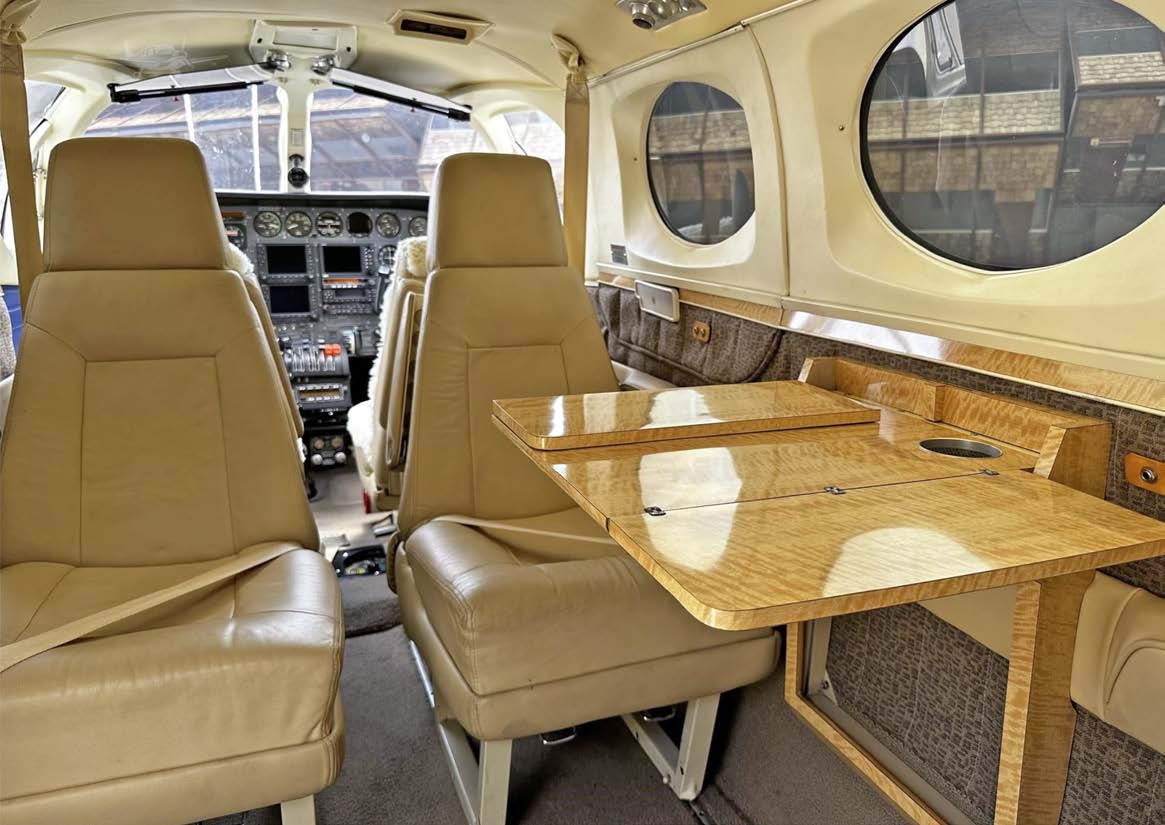
The 340's cabin measures 46.5 inches wide and 49 inches high, offering comparable space to the Aerostar and slightly more than the P-Baron. However, payload capacity is limited. Loading enough fuel for a 4.5-hour flight with reserves restricts the number of passengers and their baggage.
Ownership Experience and Maintenance
Owners like John Taylor, who transitioned from a Cessna T210 to a 1981 340A II, highlight the aircraft's thirst for fuel and the importance of regular maintenance. Modifications such as LED lighting and propeller upgrades can improve reliability and performance.
Maintenance for the 340 requires specialized expertise, with annual inspections and major work best handled by shops familiar with twin Cessna aircraft. Owners should also consider joining organizations like the Twin Cessna Flyer (TTCF) for support and resources.
Final Thoughts and Recommendations
Owning a Cessna 340 demands commitment, both in terms of financial investment and ongoing maintenance. Potential buyers should conduct thorough pre-purchase evaluations, ensure proper training, and plan for the rigors of maintaining a high-performance aircraft.

Posting Komentar untuk "Cessna 340: Cabin Comfort Meets Smooth Handling"
Posting Komentar