
Classic macOS for Non-Apple PowerPC Systems Revived
The Discovery of Unreleased MacOS Variants
A recent discovery has sparked interest among vintage computer enthusiasts and historians. Hidden within hand-labelled CD-R media, there are versions of classic macOS 7.6 and 8.0 specifically designed for CHRP hardware. This finding opens up new possibilities for running older operating systems on hardware that was never officially supported.
The CHRP (Common Hardware Reference Platform) was a collaboration between Apple, IBM, and Motorola. It aimed to create a standard for PowerPC-based machines that could run various operating systems, including AIX, OS/2, Solaris, and even Windows NT. However, the project faced significant setbacks when Steve Jobs returned to Apple and canceled the Mac clone licensing program.
The History Behind CHRP
CHRP was intended to bridge the gap between PowerMac (designed for macOS) and PowerPC Unix and NT workstations. Motorola's StarMax 6000 was one such machine, but it never made it to market due to Apple's decision to focus on its own products. Additionally, Apple's ambitious project to develop Copland, which was meant to be the next version of macOS, was also canceled. Instead, Apple integrated NeXTStep into its operating system, leading to the creation of OS X.
Despite these changes, some remnants of the original plans have resurfaced. The newly discovered versions of macOS 7.6 and 8.0 were created for CHRP hardware and include unique components such as a System Enabler for newer hardware and a NewWorld ROM containing the Toolbox for that platform.
Running Classic Mac OS on Modern Hardware
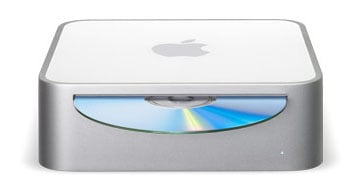
The ability to run classic Mac OS on modern hardware is a fascinating development. Hackers have been experimenting with these newly found versions of macOS, testing them on various models, including the Mac mini G4. One member, "Jubadub," reported successful booting of multiple versions, from 7.0 to 9.2. While some versions required extensions to be disabled, others like 7.6 and 8.1 worked well.
MacOS 8.1 is particularly notable as it was the last version to support 680x0-based Macs and introduced HFS+, a file system that remained in use until macOS 10.12 "Sierra."
Practical Applications and Fun
While the practical applications of this discovery are limited, it offers a fun and clever way to explore vintage computing. For example, macOS 7.6.1, which only required 12 MB of RAM, can now run on a Mac mini G4, a much more powerful machine. This allows users to experience an early version of macOS on modern hardware, albeit with some limitations.
The use of tools like Connectix RAMdoubler helped overcome the memory constraints of older systems. With the current high cost of RAM, the ability to run an OS that only needs a fraction of that amount is a refreshing change.
Conclusion
The rediscovery of these unreleased variants of macOS highlights the enduring interest in vintage computing. It serves as a reminder of the complex history behind Apple's operating systems and the innovative spirit of the hacker community. Whether for nostalgia or curiosity, these findings offer a unique glimpse into the past and a chance to explore the evolution of macOS in a new light.

Posting Komentar untuk "Classic macOS for Non-Apple PowerPC Systems Revived"
Posting Komentar