
DIY Solar Revolution: Worth It for Your Roof?
The Appeal of DIY Solar Panels
Walk into any Home Depot or browse online, and DIY solar panel kits promise savings of thousands of dollars compared to professional installation. As electricity bills climb and climate consciousness grows, more homeowners are asking whether they should skip the middleman and mount those panels themselves. The movement has gained real momentum.
Yet the question isn't just whether you can do it. It's whether you should. Let's be real, the stakes here are higher than assembling IKEA furniture. We're talking about drilling into your roof, wiring electrical systems, and potentially voiding warranties.
The Price Tag Reality Check
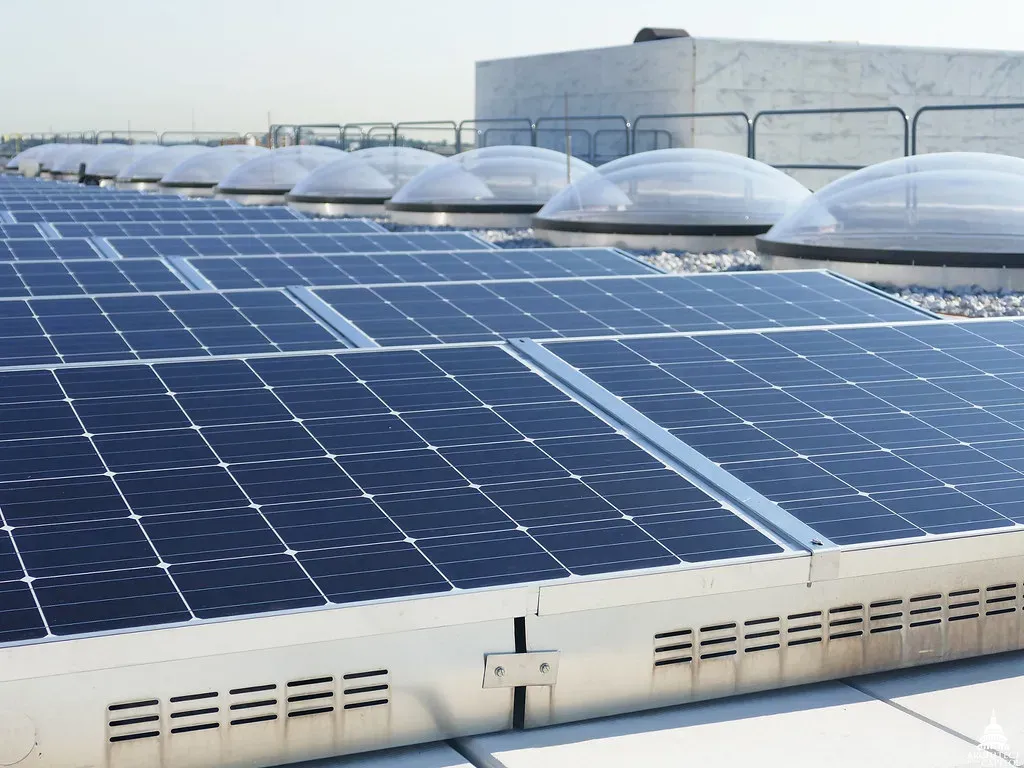
A DIY solar panel kit for a 6kW system ranges from $7,000 to $18,000 before the federal tax credit, while a professionally installed 6kW system costs about $18,000 before tax incentives, dropping to $12,600 after the credit. That looks like a massive difference on paper. Here's where it gets complicated. 95 per watt.
For a typical 5kW system, DIYers might spend $5,000 to $7,500 versus $14,750 for professional work, potentially saving $7,250 to $9,759. Those numbers grab attention. Still, those figures don't include permitting costs, inspection fees, or the value of your time spent researching components and troubleshooting problems. DIY installations typically save only about 10% of the total cost when you factor in everything. The real savings shrink fast once reality sets in.
What Professional Installation Actually Buys You
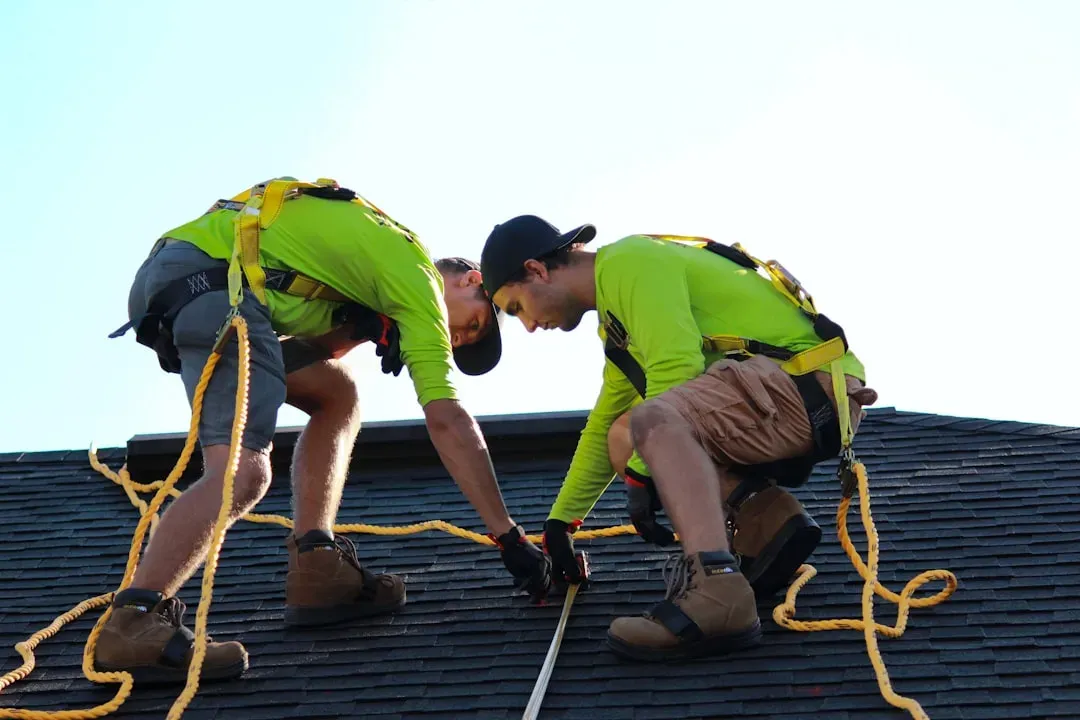
Professional installers aren't just more expensive because they want your money. They have access to wholesale distributors and higher-quality panels that aren't available to the general public, meaning the equipment itself is often superior. Think about that for a moment. Many equipment manufacturers only honor warranties if qualified installers handle the installation. That's a deal-breaker for most homeowners. Without those warranties, you're financially exposed if something goes wrong.
While professionals get wholesale discounts on components, DIYers typically pay more for the same equipment. Beyond equipment, professionals understand local building codes, interconnection requirements, and utility company procedures. They know which permits you need and how to navigate inspection processes. DIY projects may make you ineligible for local incentives or rebates, which can offset thousands in costs.
The Hidden Costs Nobody Mentions
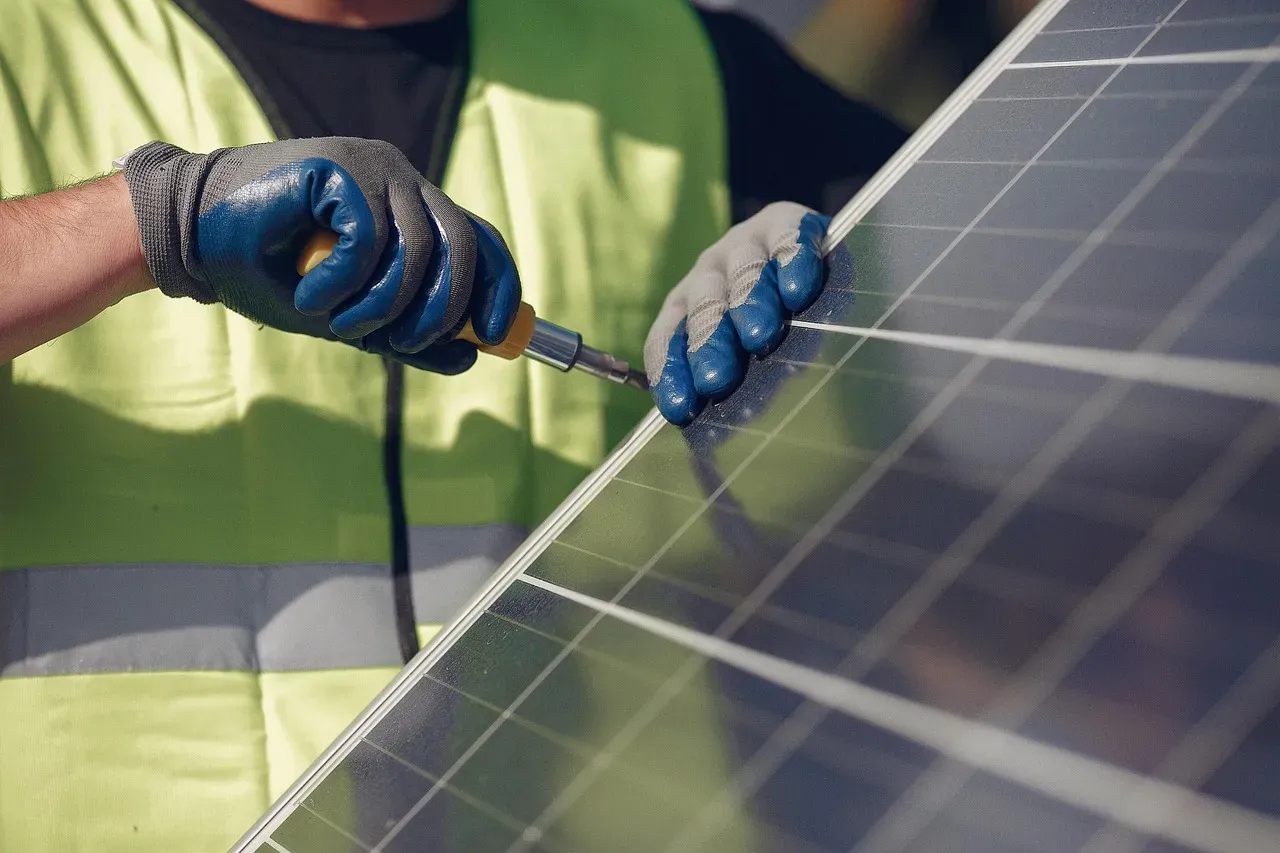
Time is the most significant hidden cost in DIY solar, requiring extensive research, component sourcing, physical installation, and troubleshooting, with the learning curve extending project duration significantly. How much is your weekend worth? Honestly, most people underestimate this. After accounting for the federal tax credit, DIY installations might save only about $2,100 on average, or roughly 10% overall.
Then there's the electrician. Most licensed electricians charge $3,000 to $5,000 to install home solar panels, which dramatically reduces your supposed savings from going DIY. You'll also need tools, safety equipment, scaffolding or roof jacks, and potentially structural assessments. These aren't one-time expenses you can ignore. Let's not forget insurance complications if something goes sideways during installation.
Solar Technology Advances In 2024 And 2025
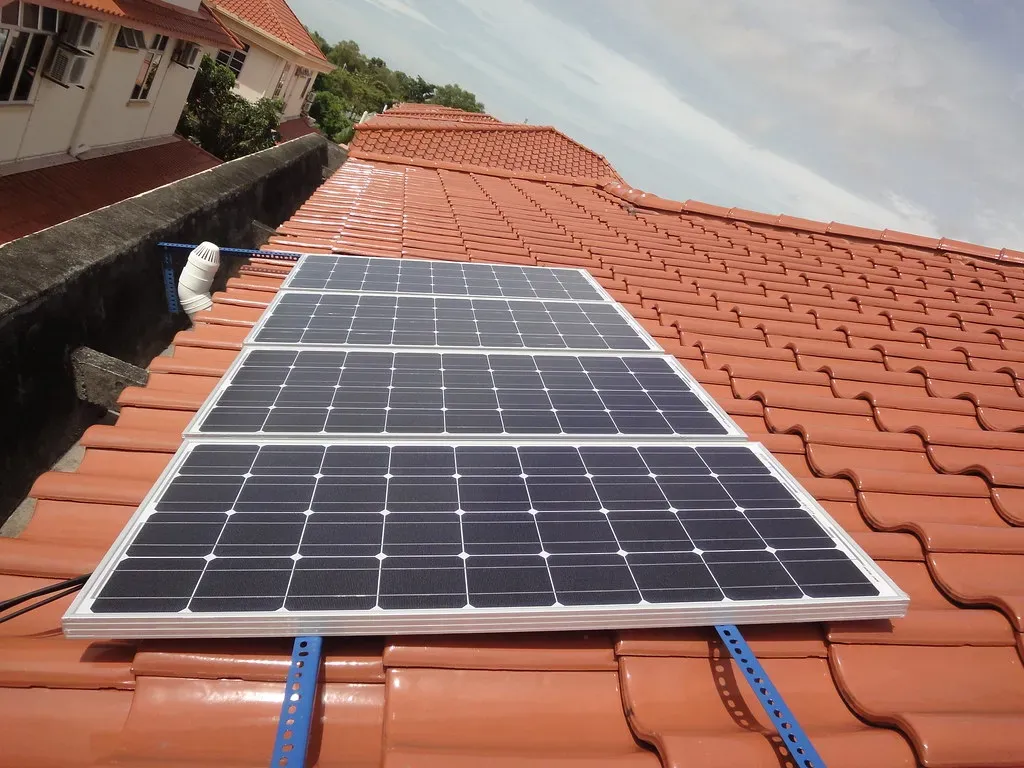
In 2024, average residential panel efficiency hovers between 19% and 22%, with premium models reaching 23% to 24%, generating more watts per square foot. That's a significant jump from just a few years back. Modern silicon-based solar cells convert around 22% of absorbed sunshine into power, which makes newer systems considerably more productive. 44% efficiency, reducing system size and cost per watt.
The technology keeps improving, meaning panels installed today outperform those from even two years ago. 7%, so we're approaching physical boundaries. 6% efficiency for commercial-size cells and planning to ramp up manufacturing in 2024. These breakthroughs are exciting but remain years away from affordable residential deployment.
The Payback Period Equation
In the United States, the average payback time for home solar installations is about 10 years. For DIY projects, grid-tied systems may pay for themselves in around 6 to 9 years, similar to many professional installations. That difference matters when you're calculating returns. S. households have payback periods of nine to fourteen years, leaving 11 to 16 years of profit since panels last around 25 years. Location dramatically affects these numbers. 45 years for contractor installations. Conversely, areas with high electricity rates see faster returns.
Most homeowners experience payback periods of 6 to 10 years, with sunny areas and high utility rates recouping costs faster, leading to $10,000 to $30,000+ in lifetime savings. Your mileage absolutely will vary.
Federal Incentives And The 2025 Deadline
Here's something critical that caught many by surprise. The federal solar tax credit (ITC) is 30% for solar systems installed through 2032. That's a massive policy shift. The federal Investment Tax Credit lets you deduct 30% of total solar costs from your taxes, so a $10,000 system generates a $3,000 credit. For anyone considering solar, the 30% credit provides significant savings. The ITC currently provides a 30% deduction for residential systems including battery storage, offering a $6,000 credit on a $20,000 system. That's real money. Miss the deadline, and your economics change dramatically.
Current Market Trends And Challenges
The residential solar segment is expected to contract 26% in 2024 compared to 2023, driven by elevated interest rates and consumer uncertainty. In Q3 2024, residential solar added 1,128 MWdc, a 39% year-over-year decline, with total capacity falling 33% compared to the same period in 2023. The industry is experiencing real turbulence. 7 million systems operating as of 2023, yet growth has slowed.
In 2024, the residential solar market saw declining installations in many markets, leading to capital injections, bankruptcies, and job losses. The boom years have cooled. Consumers are waiting for interest rates to fall, hesitating before elections, and experiencing milder weather with lower bills, with no notable financing rate changes despite September rate drops. Market conditions matter more than many homeowners realize.
When DIY Solar Actually Makes Sense
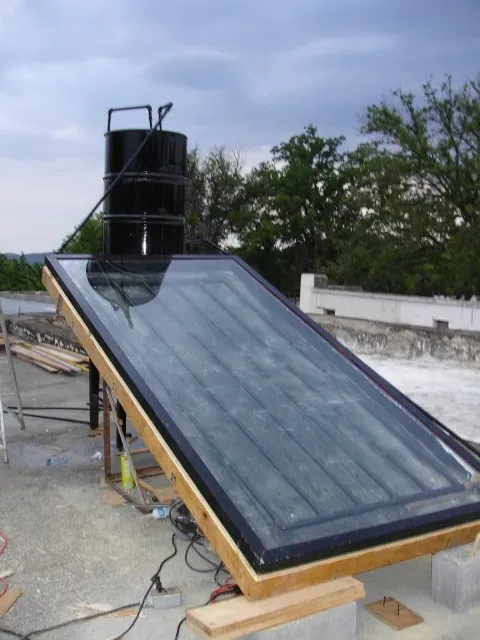
Let's be honest, DIY solar isn't for everyone, but it works beautifully for specific applications. Off-grid and mobile applications like RVs, boats, and tiny houses are excellent opportunities for DIY solar, as are small home projects like barns, tool sheds, or outdoor lights. These projects have lower stakes and simpler requirements. DIY installations work best for small projects like RVs or sheds rather than full home systems, as they work well for small projects but might not be worth it for full-sized homes.
Ground-mounted systems in your backyard also present fewer risks than roof installations. You're not drilling into your primary weather barrier. If you have genuine electrical and construction experience, understand permitting requirements, and have the time to dedicate several weekends to the project, DIY might work. You can always hire professionals for specific tasks you're uncomfortable with while still saving money over using contractors for everything. That hybrid approach offers a middle ground.
The Warranty Trap
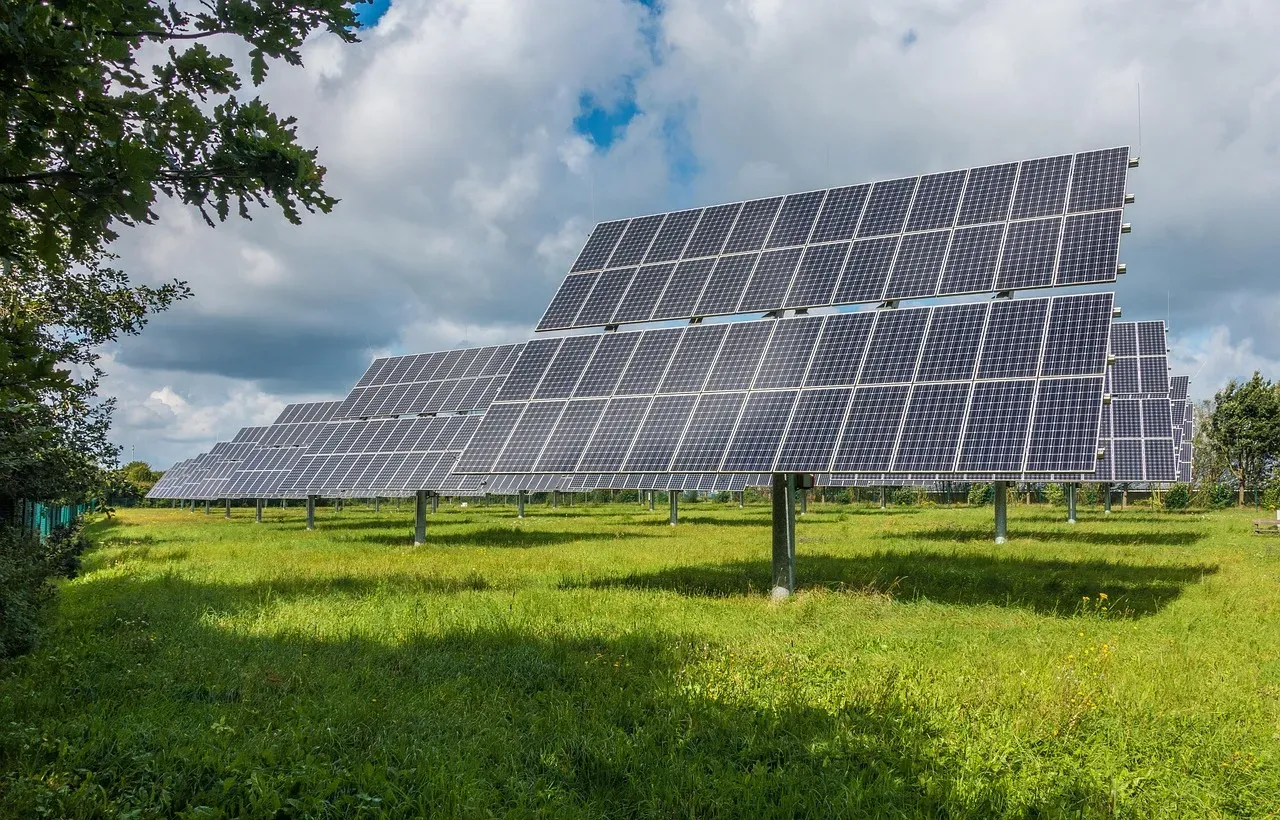
This is where many DIY projects fall apart after installation. Solar panel warranties often aren't applied to DIY installations, requiring much more maintenance than certified installations. That's a huge risk. If panels or equipment don't work, you have no warranties or manufacturer support, meaning you're stuck with repair bills. Professional installations typically come with dual warranties. Professionally installed panels include warranties from both manufacturers and installers, potentially saving money if problems arise.
Those guarantees provide peace of mind worth thousands. DIY systems require careful planning to ensure optimal performance, as you must choose components that work seamlessly together to avoid energy losses or failures. Get it wrong, and you've invested thousands in a system that underperforms for decades. That's tough to swallow.
Real World Success And Cautionary Tales
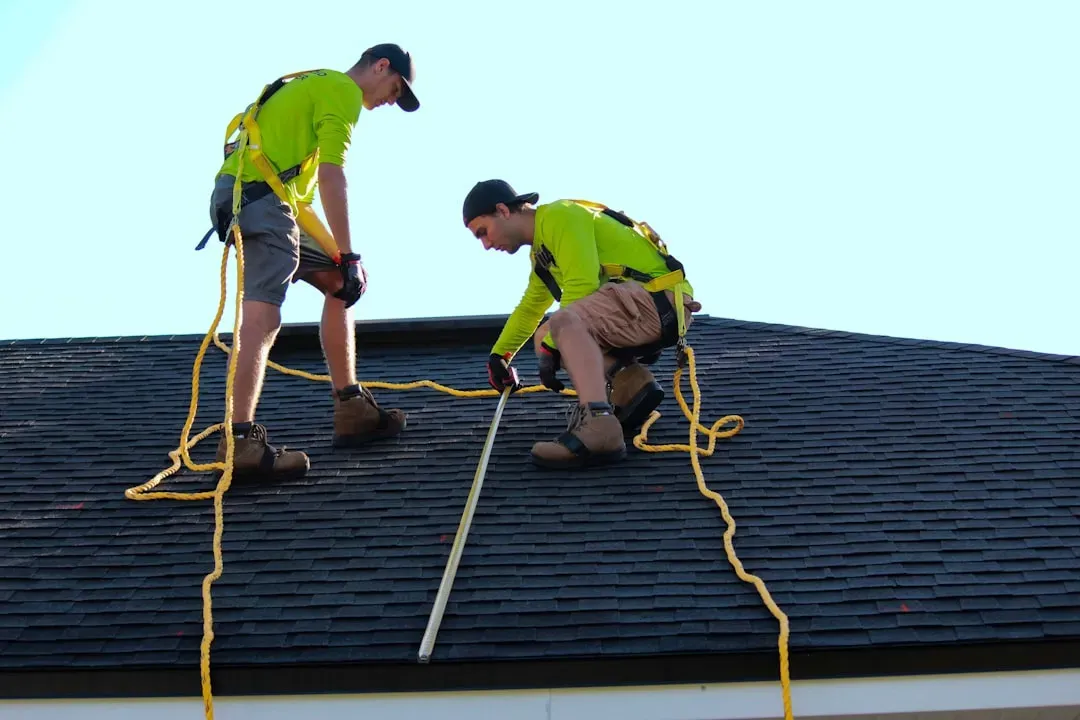
One California DIYer built a complete solar system from scratch after receiving $90,000 professional quotes, spending roughly $20,000 and saving substantially. His setup includes 28 panels, an off-grid inverter, and two batteries producing around 15 kilowatts, reducing his bill to only $25 monthly service fees. That's an impressive achievement. Yet this example represents someone with substantial technical skills, time, and dedication.
Not everyone has those resources. The system also went off-grid, avoiding interconnection complexities with utility companies. Most solar kits are designed for off-grid use, and utilities often won't let homeowners connect arrays to the grid without correct permits and professional sign-off. Going fully off-grid means you must generate enough electricity at all times to meet your needs. During cloudy weeks or winter months, that becomes challenging. It's a lifestyle commitment, not just a financial decision.

Posting Komentar untuk "DIY Solar Revolution: Worth It for Your Roof?"
Posting Komentar