
FB-22: The F-22 Raptor's Near-Miss as a Stealth Bomber
Key Points and Summary
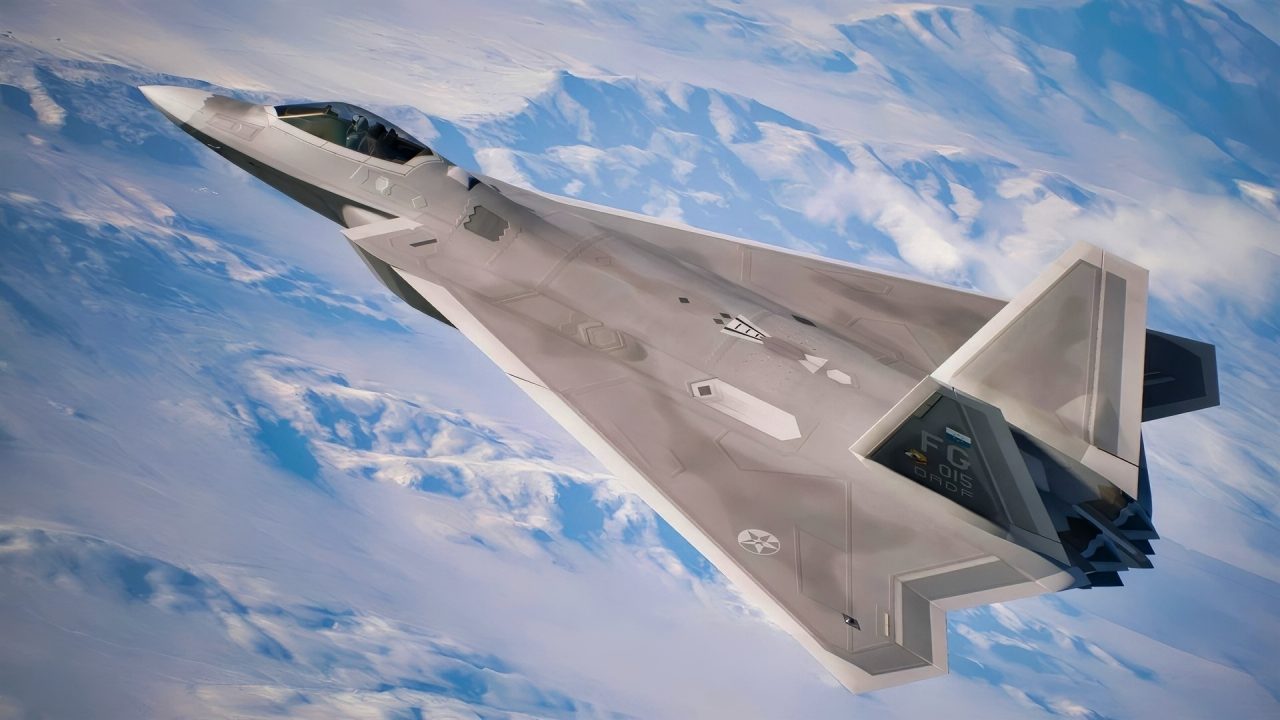
Lockheed Martin’s FB-22 was never just a “bomberized Raptor” – it was a heavily re-imagined strike aircraft built on F-22 DNA. The concept married the Raptor’s stealth, engines and avionics to a new, much larger delta “wet” wing for more fuel, greater lift and a vastly expanded internal weapons bay, reportedly able to carry 30+ small bombs out to a 1,600-nm combat radius. A two-seat cockpit and regional bomber mission made it a bridge between fighters and true bombers. Ultimately, the Air Force shelved the FB-22 in favor of a clean-sheet long-range stealth bomber, paving the way for today’s B-21.
FB-22: More Than A Bomberized F-22 Raptor
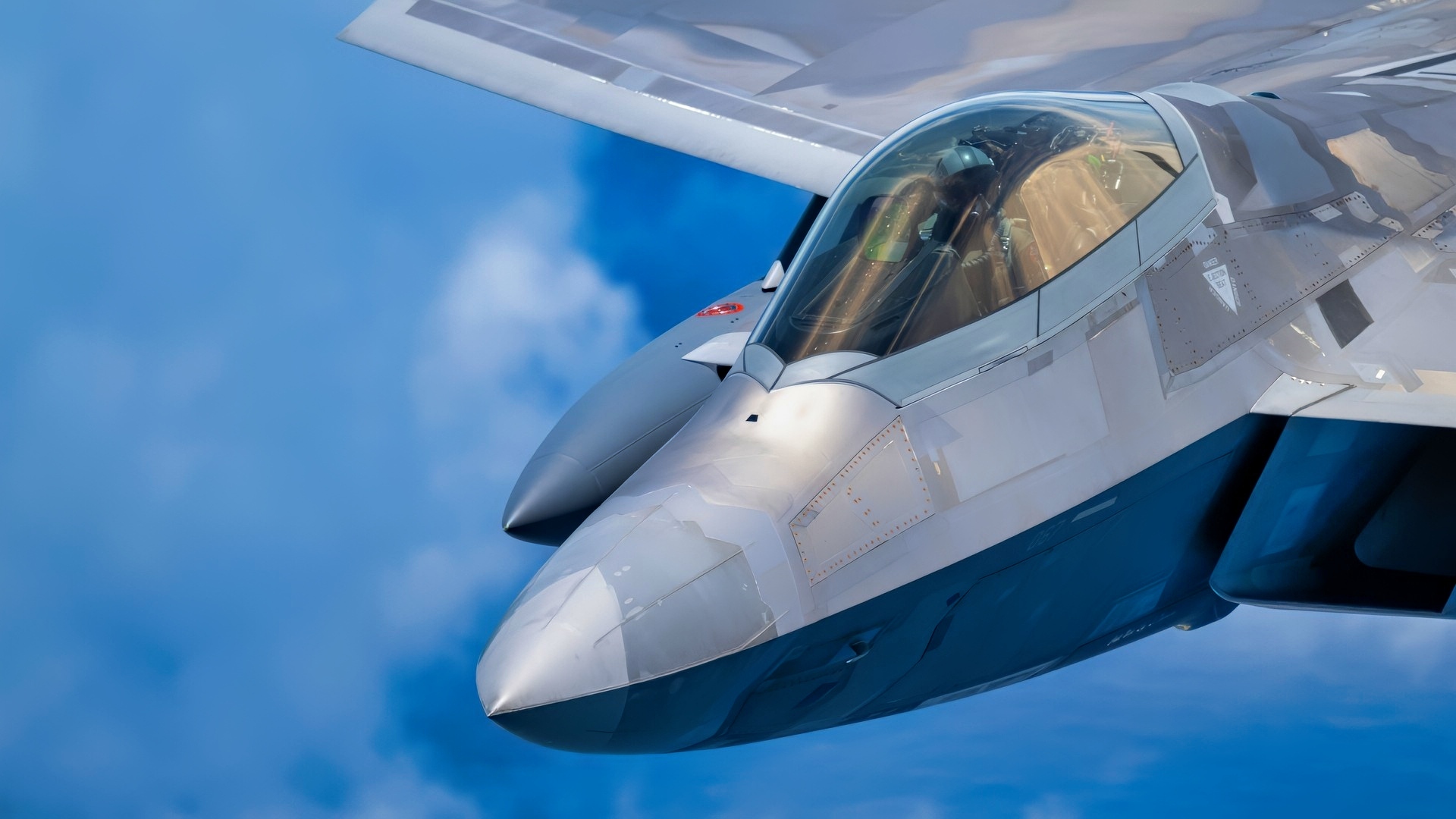
Before the birth of the Lockheed Martin FB-22, planners envisioned something that, on paper, sounds simple: take the stealth, avionics, and power of the Lockheed Martin F-22 Raptor - one of the most advanced air-superiority fighters ever built - and give it bomber-class range and firepower.
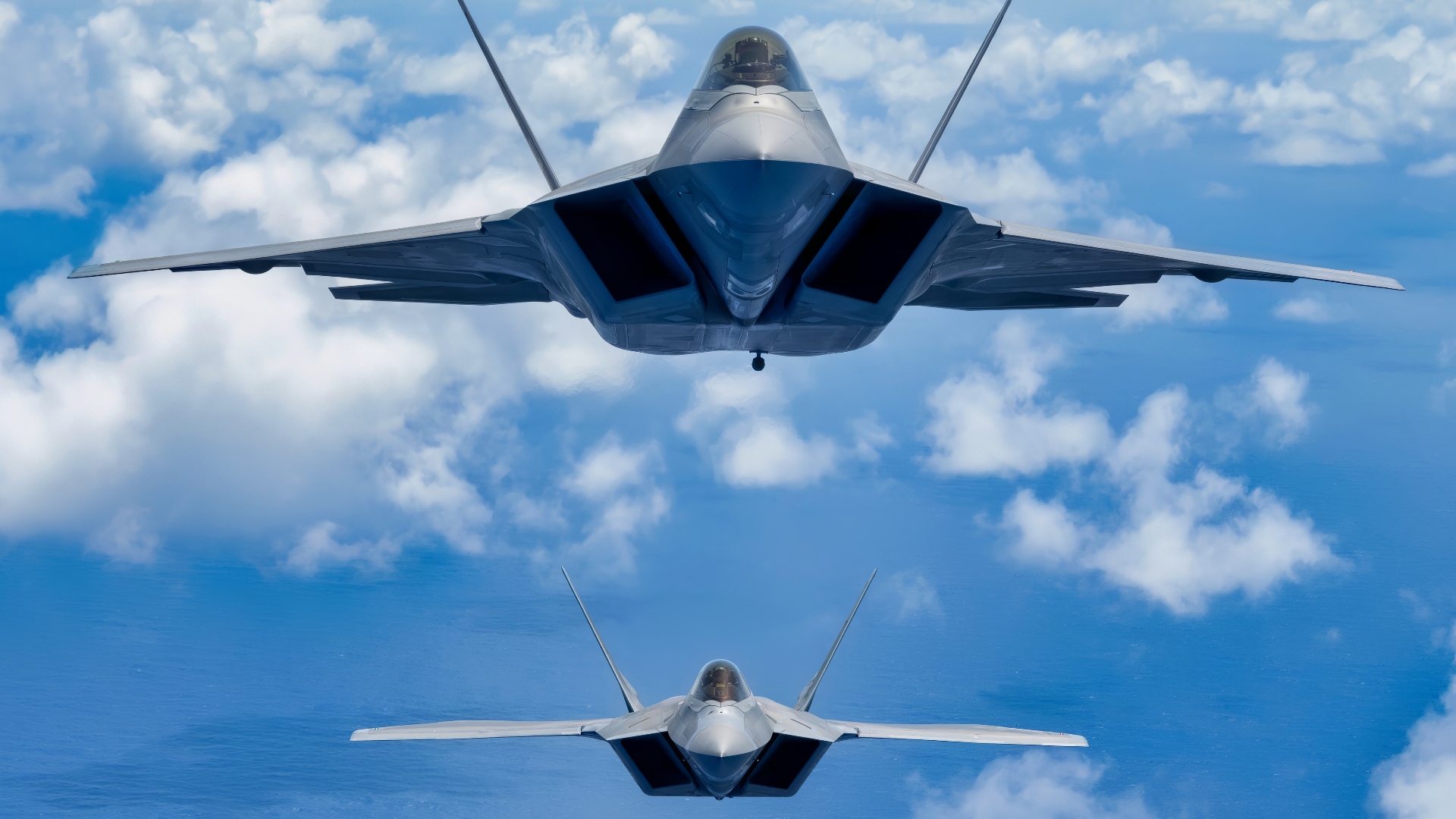
Ever since its inception, the media and some analysts have referred to it as a “bomberized Raptor.” But that label, though catchy, isn’t technically correct: the FB-22 was less a direct conversion of a proven platform and more of a heavily re-imagined derivative of it. The FB-22 carries Raptor DNA, but it was re-engineered for a very distinct mission.
The FB-22 was first proposed in the early 2000s in response to a growing need for a stealthy, medium-range strike aircraft - essentially a “regional bomber” capable of deep strikes without the large footprint of a strategic bomber.
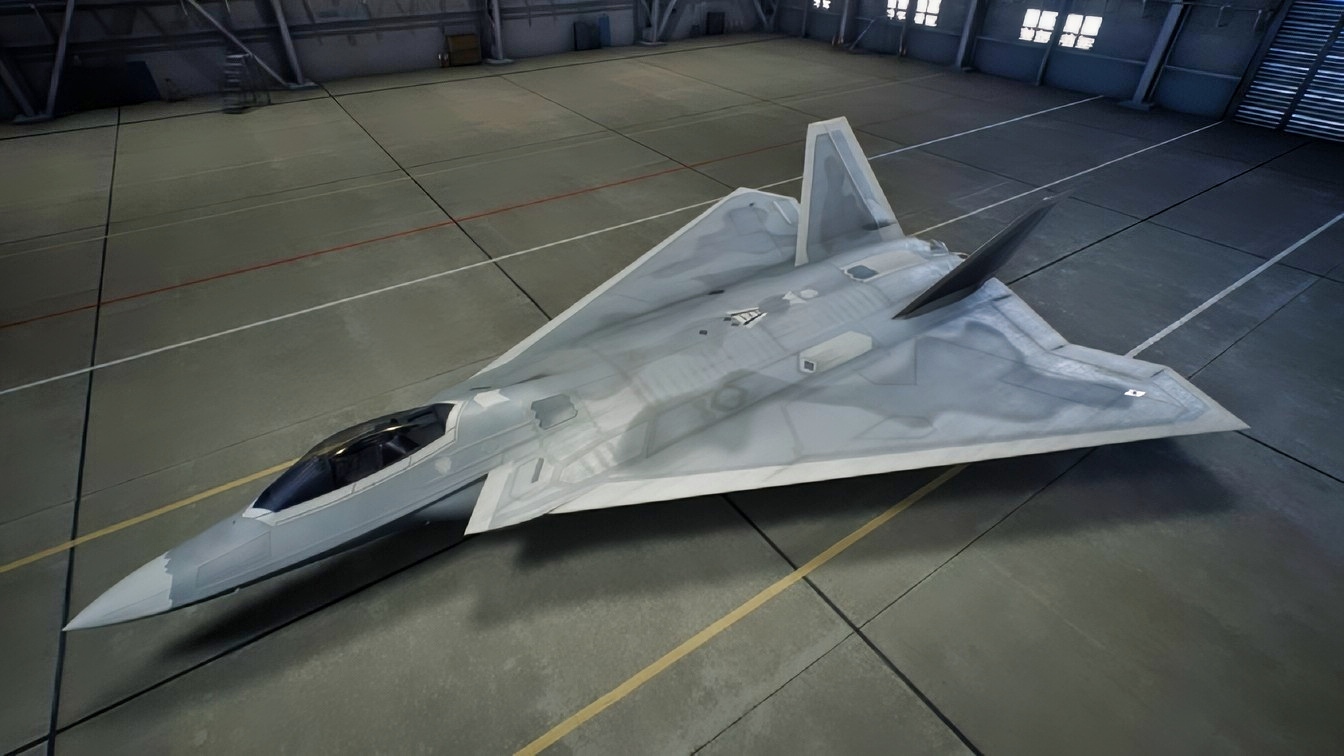
Lockheed Martin’s concept retained the basic fuselage of the Raptor, its engines (or only used upgraded versions of the same engine), and its avionics suite. At its core, the technology was the same as that of the F-22. But beyond that foundation, there were major differences.
The FB-22 design incorporated a much larger, delta-style “wet” wing - an entirely new kind of platform intended to hold more internal fuel and add lift for heavier loads. A “wet” wing refers explicitly to a wing whose structure is sealed and used as a fuel tank.
The aircraft’s internal weapons-bay volume was expanded too: whereas the F-22 carried a modest internal loadout, the FB-22 was envisioned to haul perhaps 30 or more small bombs - a combination of heavier ordnance and precision weapons. All the while, the FB-22 was designed to retain stealth.
The payload and range increases were considerable, too.
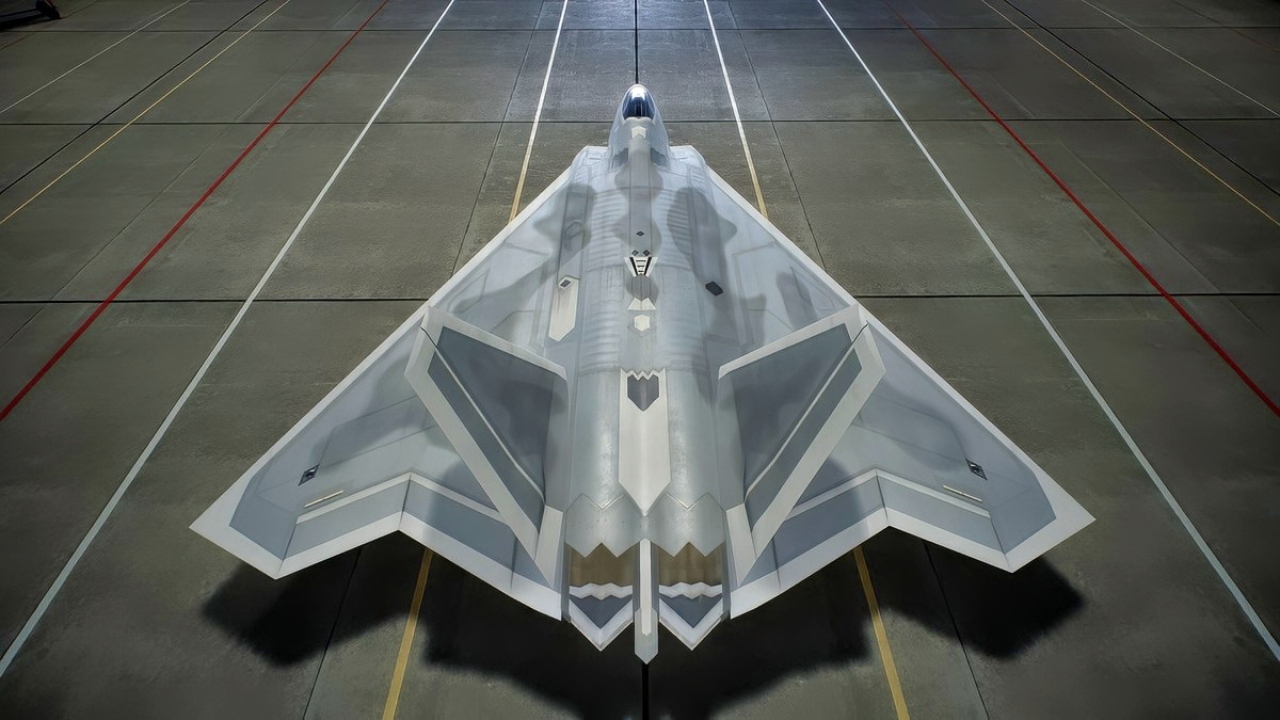
With its enlarged wing and internal fuel capacity, the FB-22’s combat radius was estimated at around 1,600+ nautical miles - roughly two to three times that of the F-22. Designers also planned for a two-person cockpit, reflecting the fact that strike stories, and long-range missions in particular, require the support of two.
And yet despite all these shared components, the scale of the redesign means that the FB-22 was intended to be far more than just a bomberized Raptor - if “bomberized” simply means “adding bombs.” Converting an F-22 to an FB-22 is by no means an easy feat: it requires fundamental changes to its wing, fuel storage, weapons bay, and even its tail/flight-control arrangements.
Even if the FB-22 had used some Raptor elements, it would have flown with a different aerodynamic profile, weight, performance, and mission set.
The Short Life of the FB-22
If converting a Raptor into a bomber is so tricky, why then did the U.S. Air Force seriously consider it?
Well, a derivative like the FB-22 offered many advantages: it could leverage existing F-22 development (engines, avionics, stealth technology) while reducing the risk and cost of developing a new platform. It promised stealthy, precision-strike capability in environments too lethal for legacy bombers, and it would have filled a gap as a “bridge” bomber until next-generation long-range strike assets came online.
But by 2006, the conclusion was that the advantages weren’t enough to continue with the program. The entire project was eventually shelved in favor of investing in a dedicated bomber design with greater range and payload capacity. Planners judged that the compromises inherent in converting a fighter frame would limit performance compared with a purpose-built strategic bomber.
The FB-22, they realized, would never fully match the reach or bomb load of a large bomber and would still lose much of the agility that comes from the F-22 design. It just didn’t make sense.
Looking back, the shelving of the FB-22 reflected more of a broader shift in strategic priorities than just a failure of the concept itself. The fact that the FB-22 promised much of the stealth, avionics, and systems of the F-22, while offering dramatically greater reach and payload. It was an attractive bridge option, and some estimates have suggested that its development would have cost as little as one-quarter of a clean-sheet bomber.
Yet by 2006, the U.S. Air Force (USAF) was looking for a “true” long-range stealth bomber that could arrive as soon as 2018. The USAF wanted something capable of global strike from continental bases, across oceans - something an FB-22 couldn’t achieve. Additionally, the constraints of using high-maintenance stealth coatings, the constantly changing threat environment, and advances in stealth-pod and sensor systems all made a new derivative build less compelling than a purpose-built design.
While the FB-22 would have brought many immediate gains, it would have come at the cost of long-term scalability, raw payload, global reach, and future-proofing.
In the end, the FB-22 was a compelling idea - but one that simply couldn’t overcome the limits of the airframe from which it was built.

Posting Komentar untuk "FB-22: The F-22 Raptor's Near-Miss as a Stealth Bomber"
Posting Komentar