
Google Accelerates Gemini 3 with Custom TPUs, Triggering OpenAI's Internal Crisis
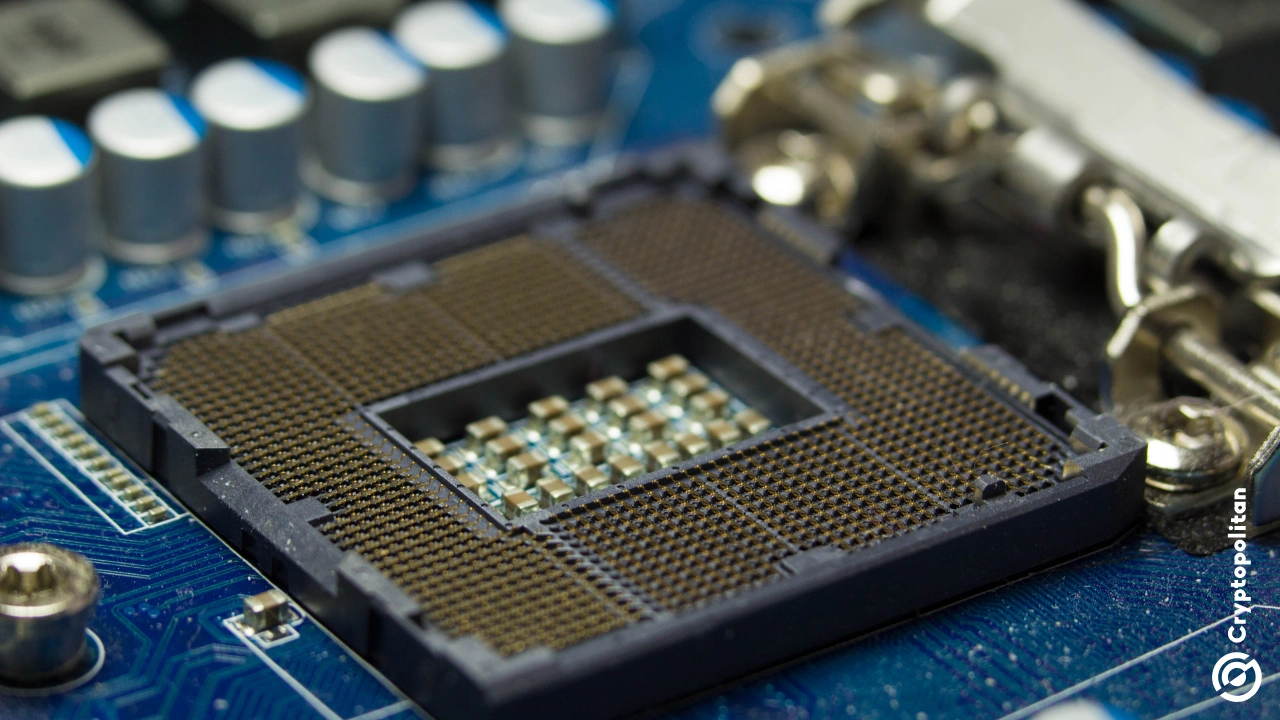
Google's TPU Breakthrough and the New AI Hardware Landscape
Google has made a significant impact in the AI hardware market with its Tensor Processing Units (TPUs), which have outperformed both OpenAI's GPT-5 and Nvidia's offerings in independent tests. This achievement marks a turning point in the ongoing competition for dominance in AI technology.
Gemini 3, one of Google's latest AI models, was primarily powered by TPUs rather than traditional GPUs. The results of these tests have prompted a shift in focus for OpenAI, as CEO Sam Altman directed his team to prioritize improving ChatGPT and its foundational models. This move came after what OpenAI referred to as a "code red" moment, highlighting the urgency of addressing challenges posed by Google's advancements.
Analysts suggest that Google is planning to more than double its TPU production by 2028, reflecting the growing demand for in-house AI chips. This expansion underscores the company's commitment to maintaining a competitive edge in the rapidly evolving AI landscape.
Expanding Beyond Internal Use
Google is no longer limiting the use of its TPUs to internal cloud operations. A recent deal involving the sale of 1 million TPUs to Anthropic, valued at tens of billions of dollars, has sent ripples through the industry. This single contract has caused concern among Nvidia investors, as it signals a potential shift in data-center demand.
The implications are clear: if Google continues to sell TPUs to external firms, it could directly challenge Nvidia's market position. Chip analysts at SemiAnalysis now consider TPUs to be "neck and neck with Nvidia" in terms of performance for both training and running advanced AI systems. Morgan Stanley estimates that every 500,000 TPUs sold to outside buyers could generate up to $13 billion in revenue for Google.
The forecast for TSMC's production of TPUs is also promising. Analysts predict that TSMC will produce 3.2 million TPUs next year, increasing to 5 million in 2027 and 7 million in 2028. This growth trajectory indicates that the demand for TPUs is on the rise, with 2027 looking particularly strong compared to earlier projections.
Google collaborates with companies like Broadcom and MediaTek to build its processors. The company emphasizes its advantage in having full vertical control over hardware, software, and AI models within a single system. Koray Kavukcuoglu, Google’s AI architect and DeepMind CTO, highlighted the importance of this approach, stating, “The most important thing is that full stack approach. I think we have a unique approach there.”
He also noted that Google's access to data from billions of users provides deep insights into how Gemini operates across products like Search and AI Overviews.
Potential Revenue Streams and Market Shifts
Nvidia shares experienced a decline last month following reports that Meta had discussions with Google about purchasing TPUs. Although Meta has not commented on the matter, analysts believe that Google could form similar supply deals with other entities such as OpenAI, Elon Musk’s xAI, or Safe Superintelligence. These potential partnerships could generate over $100 billion in additional revenue over several years.
Despite the challenges posed by Google's TPU advancements, Nvidia has pushed back against the narrative. The company claims to remain “a generation ahead of the industry” and asserts that it is the only platform capable of running every AI model. It also stated, “We continue to supply to Google,” emphasizing its continued relationship with the tech giant.
Nvidia further argues that its systems offer “greater performance, versatility, and fungibility” than TPUs, which it claims are designed for specific frameworks. However, developers are gaining tools that make it easier to switch away from Nvidia’s Cuda software. AI coding tools now allow for faster workload rewrites for TPU systems, reducing one of Nvidia’s strongest lock-in defenses.
The Origins of the TPU Story
The TPU story dates back to 2013 when Jeff Dean, Google’s chief scientist, presented an internal talk following a breakthrough in deep neural networks for speech systems. Jonathan Ross, then a Google hardware engineer, recalled the moment. “The first slide was good news, machine learning finally works. Slide two said bad news, we can’t afford it.” Dean calculated that the data-center capacity needed to support hundreds of millions of users speaking to Google for three minutes a day would require doubling at a cost of tens of billions of dollars.
Ross began building the first TPU as a side project in 2013 while working near the speech team. “We built that first chip with about 15 people,” he said in December 2023. Ross now leads AI chip firm Groq.
In 2016, AlphaGo defeated world Go champion Lee Sedol, marking a major milestone in AI history. Since then, TPUs have been instrumental in powering Google’s Search, ads, and YouTube systems for years.
Google used to update its TPUs every two years, but this cycle was changed to an annual update in 2023. A Google spokesperson mentioned that demand is rising on both fronts. “Google Cloud is seeing growing demand for both our custom TPUs and Nvidia GPUs. We will continue supporting both,” the company stated.
Don’t just read crypto news. Understand it. Subscribe to our newsletter. It's free.

Posting Komentar untuk "Google Accelerates Gemini 3 with Custom TPUs, Triggering OpenAI's Internal Crisis"
Posting Komentar