
Google's Android XR Glasses — Meta and Apple Face a Challenge
The Future of Smart Glasses: A Glimpse into the Android XR Experience
The world of smart glasses is rapidly evolving, and one of the most exciting developments comes from Google’s Android XR project. During a recent demo, I had the opportunity to test a prototype of these smart glasses, which promise to redefine how we interact with digital information in our daily lives.
A Prototype That Shows Promise
Wearing a pair of Android XR smart glasses, I was able to engage with Google Gemini, an AI assistant, before even taking a photo. The experience was seamless—Gemini brightened the image as requested. Additionally, when I asked for directions to a nearby restaurant, Google Maps provided turn-by-turn navigation directly within my field of view. Even when I briefly looked down, the map remained visible, allowing me to reorient myself easily.
This was just the beginning of what these glasses can do. The prototypes I tested are set to be released in 2026 through partnerships with companies like Samsung, Warby Parker, and Gentle Monster.
Exploring Other Options: Xreal's Project Aura
I also had the chance to try out Xreal’s Project Aura, a sleek pair of smart glasses that pack many of the features found in the Samsung Galaxy XR headset. These glasses offer a compact design while still delivering impressive functionality. They also include a significant upgrade for the Galaxy XR itself, making them a compelling choice for users who want a more portable option.
Android XR: Truly Smart Glasses
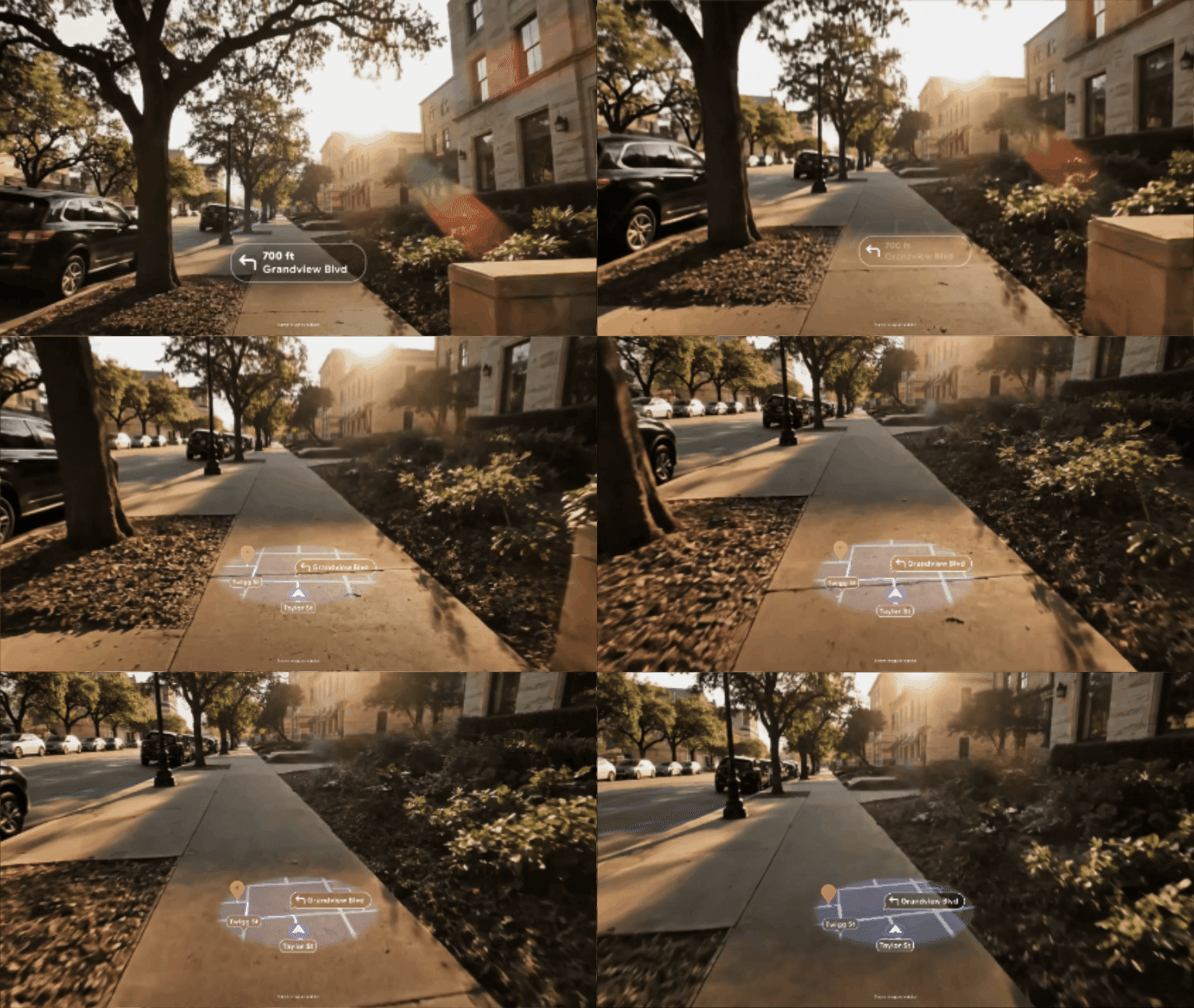
The prototype Galaxy XR glasses demonstrated a smooth user experience across various applications, including music playback, Google Maps, and live translation. Unlike Meta’s Ray-Ban Display glasses, these don’t require a neural wristband to function. More importantly, a wide range of Android apps will work seamlessly at launch without any additional development from app creators.
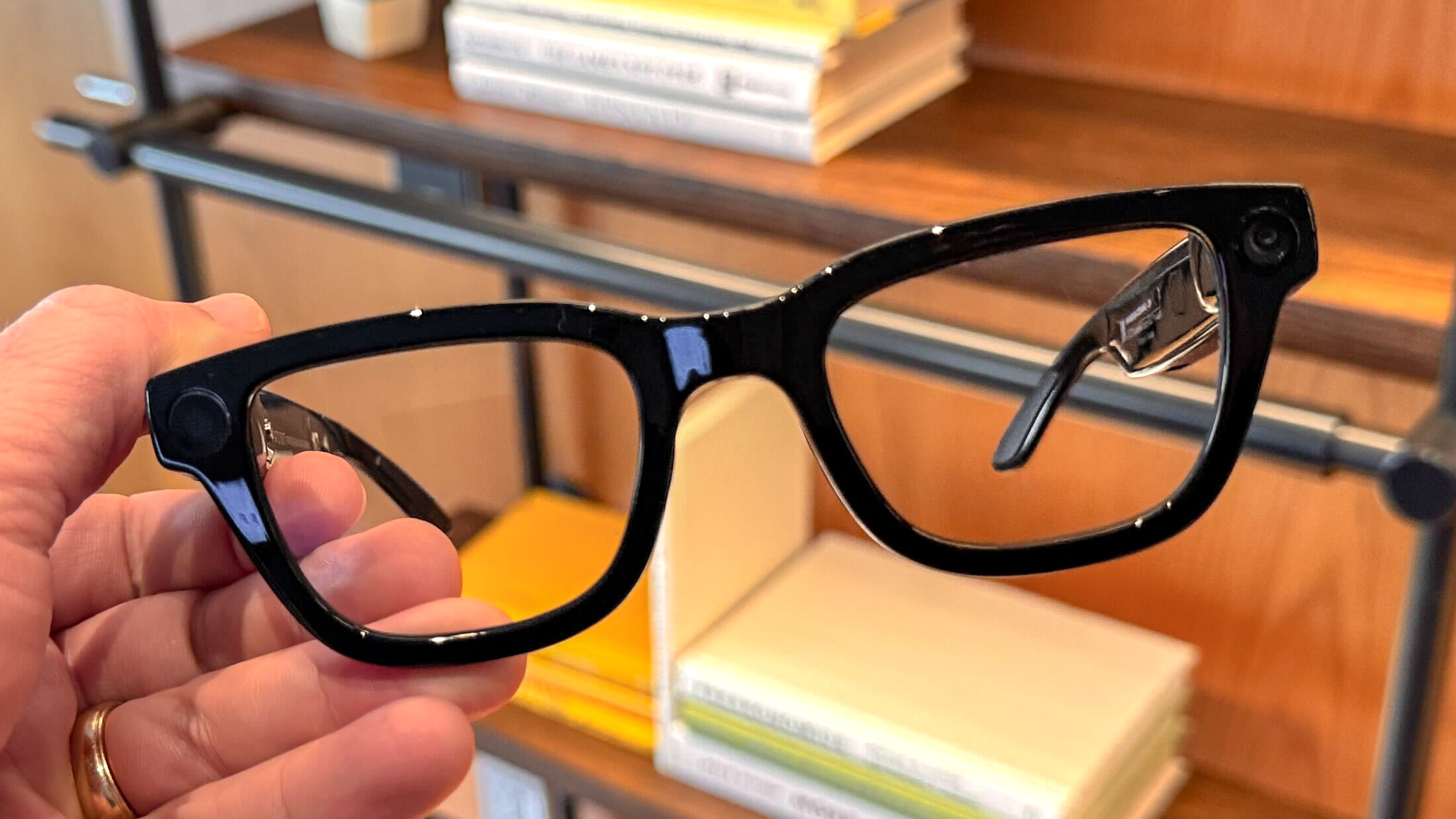
The display on the monocular glasses was bright and crisp, positioned slightly below the user’s usual sightline. This design prevents the need to constantly move your eyes, making it more natural to use. By default, the display shows the time and temperature, but the real magic begins when you start interacting with apps.
For example, when I connected YouTube Music to a nearby phone, I could easily pause playback by tapping the right arm of the glasses or skip tracks by swiping forward. The album art was clearly visible, enhancing the overall experience.
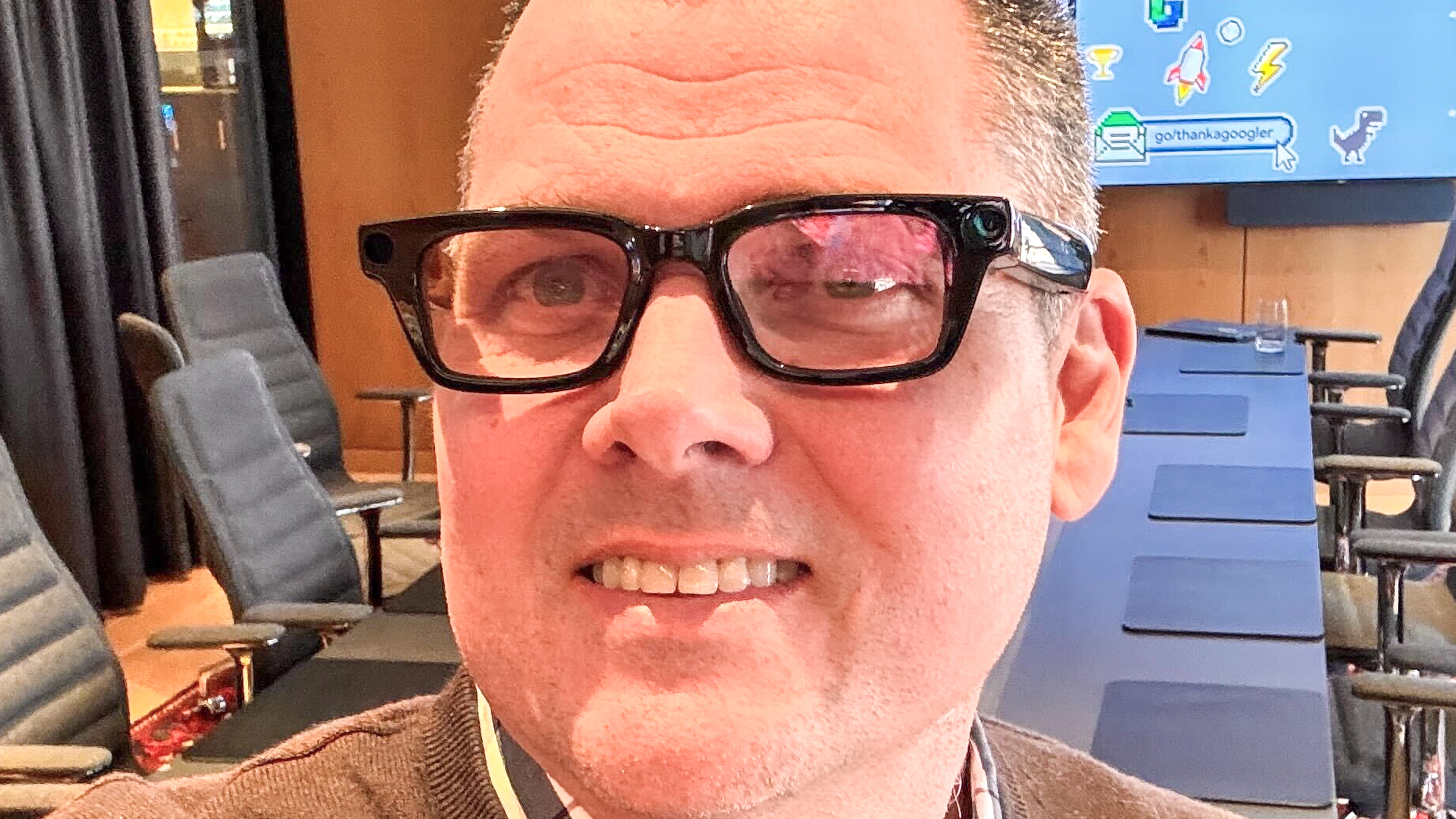
Using the Android XR glasses, I asked Gemini what meal I could make using ingredients on a shelf. I also used Google Maps to navigate to the Standard Grill. The next turn appeared in the glasses, and when I looked down, the larger map view automatically displayed. While the voice used by Google Maps was different from Gemini’s, this distinction was intentional to prevent confusion between the two assistants.
Even though others couldn’t see my face during video calls, joining a Google Meet call and sharing my field of view was a unique experience. Another standout feature was live translation, where I could see words transcribed from Chinese to English as I spoke. However, to show the translation, I would have to share my phone with the other person.
My main issue so far has been the washed-out display when looking out the window. Google promises that the final version will have a brighter display, and models with transition lenses that darken in direct sunlight will help mitigate this problem.
Double Vision, and No Vision
I also tried a prototype “binocular” pair of smart glasses, offering two displays for each eye. This setup provided several benefits, such as instantly converting 2D videos into 3D. Watching Tom Holland’s Spider-Man in 3D while walking up a tall building was a unique experience, especially tailored for YouTube Shorts.
The larger view for Google Maps allowed for more information to be seen at a glance. It’s worth noting that users can easily turn off the displays by pressing a button on the underside of the right arm. There’s also a separate button on the top right for capturing photos and videos.
Google also plans to release smart glasses without any display, similar to the Ray-Ban Meta (gen 2). This option would provide longer battery life and a lower price point for those who prefer simplicity.
Xreal Project Aura — Wow
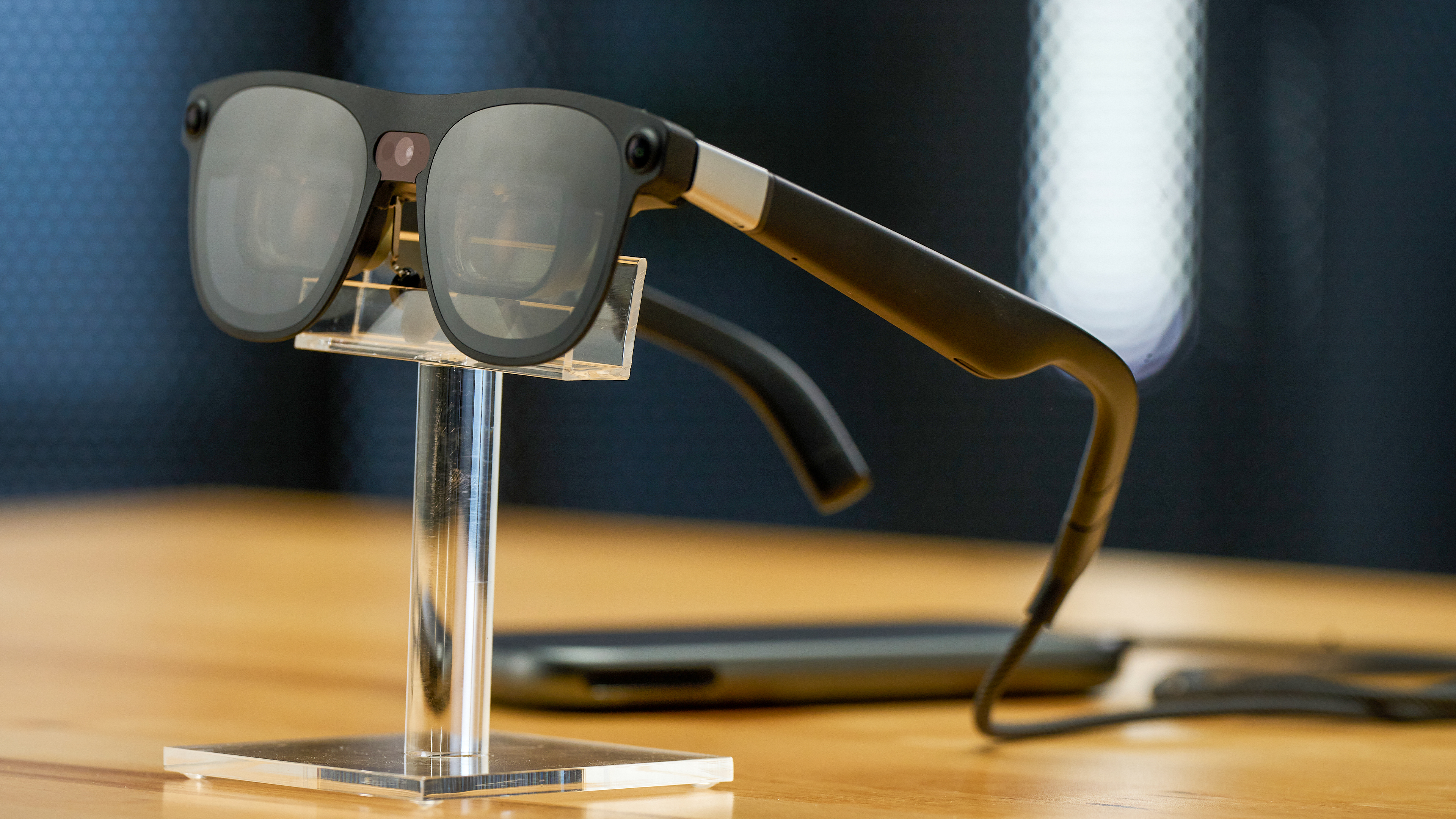
Among the demos I experienced, Xreal’s Project Aura stood out as one of the most impressive. It offers a sleek design that delivers the Galaxy XR headset experience in a more compact form. Unlike other models, there’s no need for video passthrough—users simply see the real world in front of them.
The micro OLED displays inside the Aura were sharp and colorful, providing excellent clarity even in well-lit environments. Playing the Demeo game, I could clearly see individual game pieces, showcasing the potential for immersive gaming experiences.
With a 70-degree field of view, the Aura is narrower than the Galaxy XR’s 100 degrees, but it’s the widest ever seen in AR glasses. This trade-off may be worth it for users who prioritize a lighter design.
Battery life is also a key advantage, with about double the capacity of Samsung’s headset. However, the glasses must be tethered to a pack via a cable, though it includes a clip for attaching to pants. The pack also functions as a wireless mouse, which worked well for navigating between a Windows 11 desktop and a YouTube video.
Galaxy XR Upgrades via Android XR
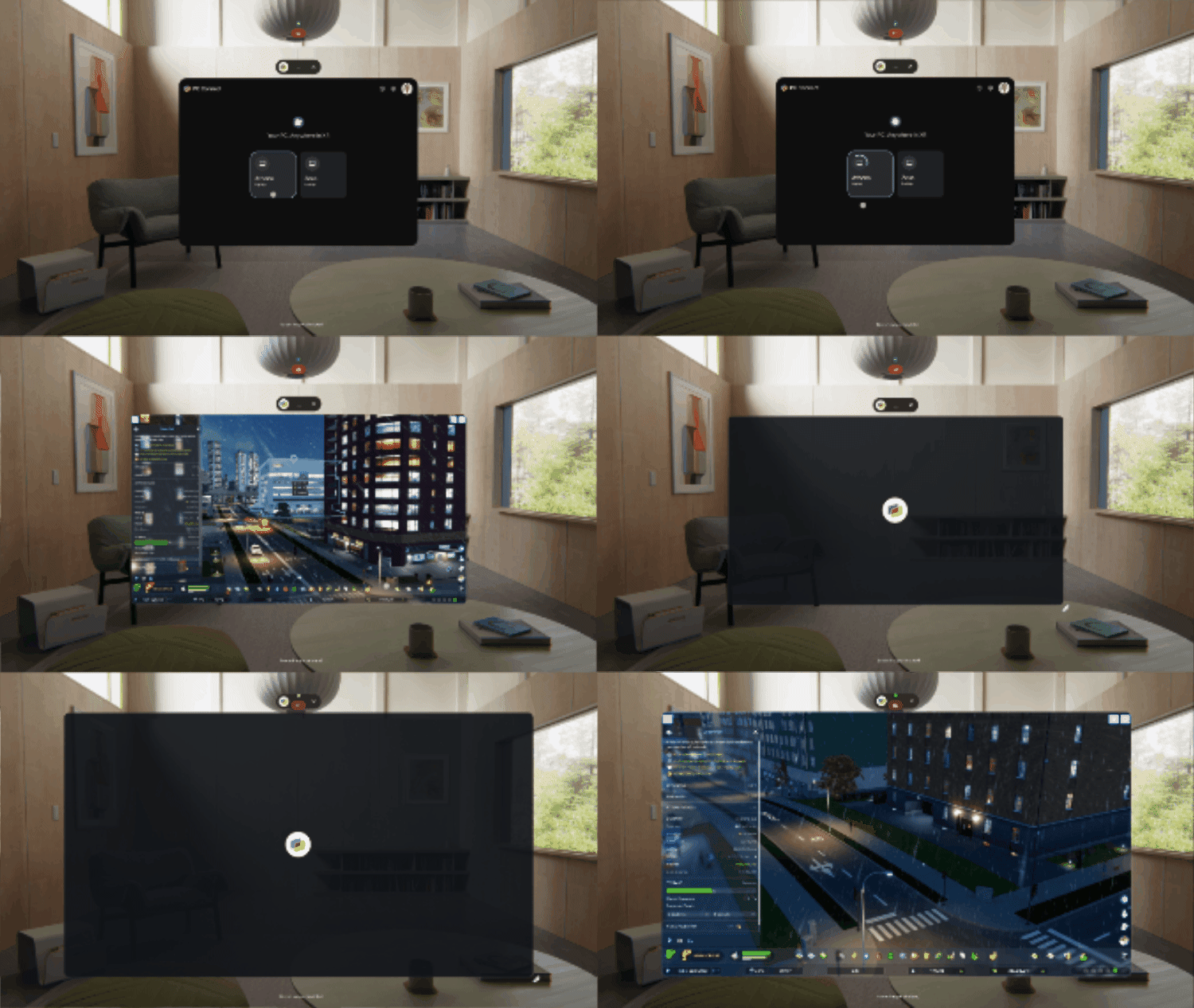
Samsung also demonstrated new Android XR upgrades coming to the Galaxy XR headset. One of the most notable features is PC Connect, which allows users to connect to their laptop or desktop using a dedicated Android XR app. After selecting the PC, I could instantly see the Windows desktop in front of me and play “Stray” with a gaming controller, experiencing no lag.
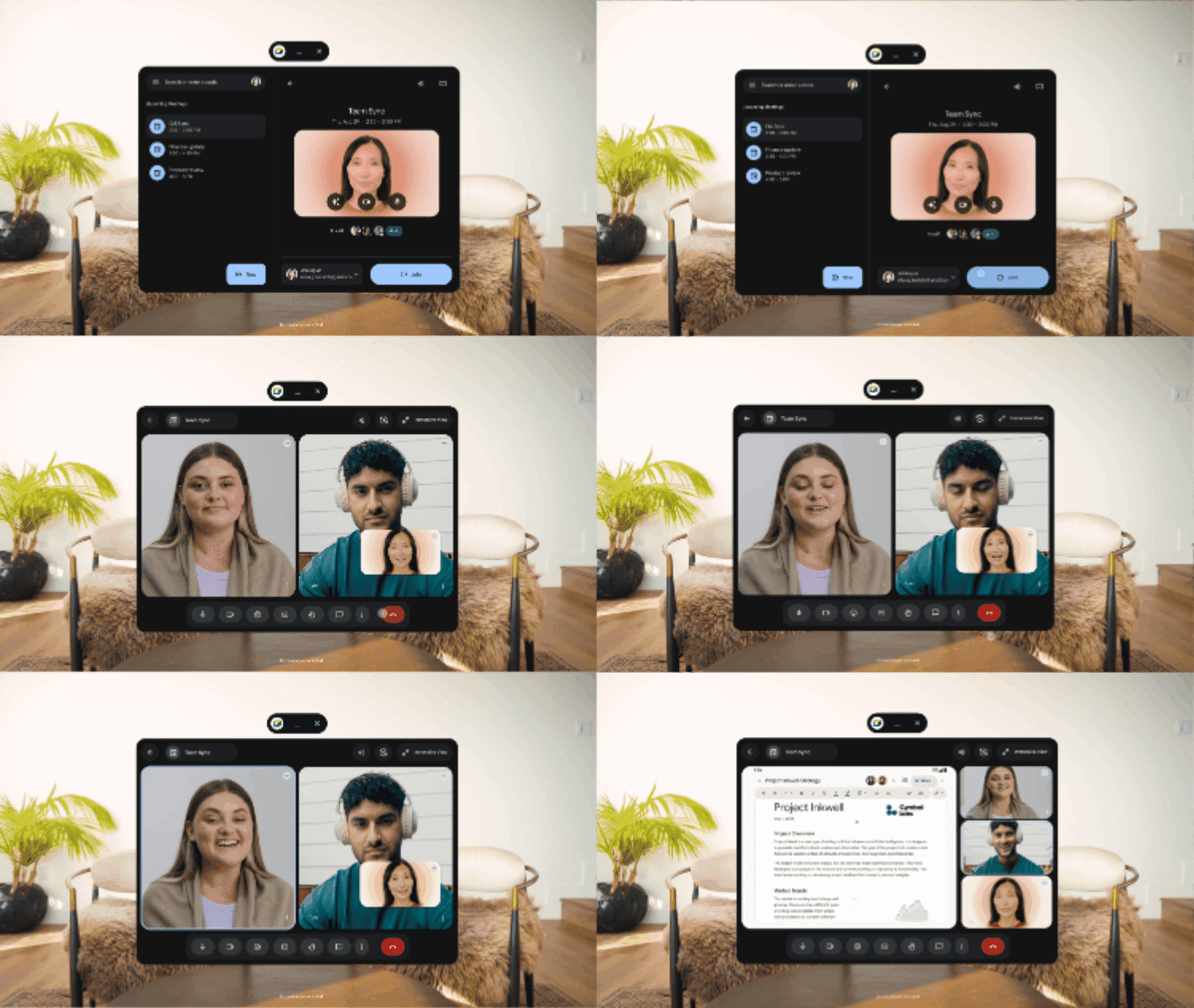
Another feature is Likeness, Google’s version of Apple’s Persona. Instead of using the headset to create an avatar, users can scan their face and expressions using a phone. While I didn’t get to try my own Likeness, I saw someone else’s during a Google Meet call, and it looked quite realistic.
Android XR Glasses Outlook: Apple Just Got Further Behind
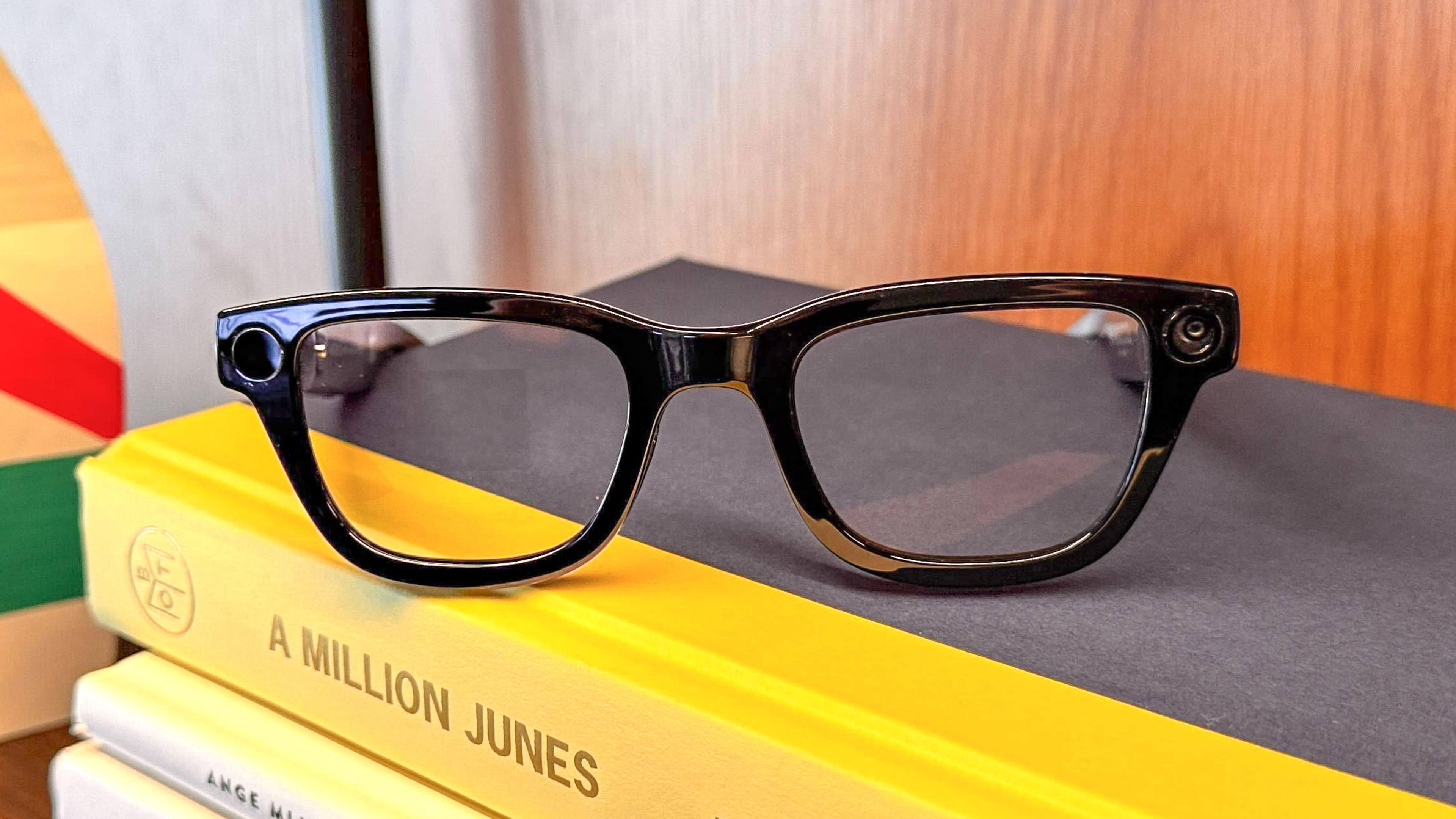
Although Google is currently behind Meta in the smart glasses market, the Android XR project shows great potential. With access to a vast number of apps and Gemini’s advanced AI capabilities, it could easily surpass the Meta Ray-Ban Display. Additionally, Apple’s rumored release of display-less smart glasses and delayed Siri updates further highlight the gap between the two companies.
As for pricing, screen-free AI glasses are expected to be the most affordable, with higher prices for monocular and binocular models. Projects like Xreal’s Project Aura have significant potential, particularly for business travelers, gamers, and anyone seeking an immersive mixed reality experience.

Posting Komentar untuk "Google's Android XR Glasses — Meta and Apple Face a Challenge"
Posting Komentar