
How British Diners Have Turned Unbearable
The Changing Landscape of Dining in the UK
British restaurant-goers have traditionally been known for their politeness, but that era seems to be fading. A growing number of customers are displaying behaviors that chefs and restaurant owners find increasingly difficult to tolerate. These actions not only disrupt the dining experience but also cause significant financial losses for businesses operating on tight margins.
Unacceptable Behaviors in Restaurants
Several problematic behaviors have become common. Customers turning up late, arriving with fewer or more guests than booked, or simply not showing up at all are just the beginning. Disputing no-show fees, being rude, asking for freebies, refusing to pay for food they’ve eaten, leaving one-star reviews without justification, allowing children to run wild and create messes, and engaging in inappropriate behavior towards staff are all part of the daily challenges faced by those in the hospitality industry.
Ferhat Dirik, owner of London restaurant Mangal 2, recently published a blog titled Manners where he criticized the behavior of a small but significant minority of his customers. He expressed frustration over the sense of entitlement among some diners, stating, “When did an unbearable percentage of the general dining public become such insufferable, entitled, unforgiving pr---s?”
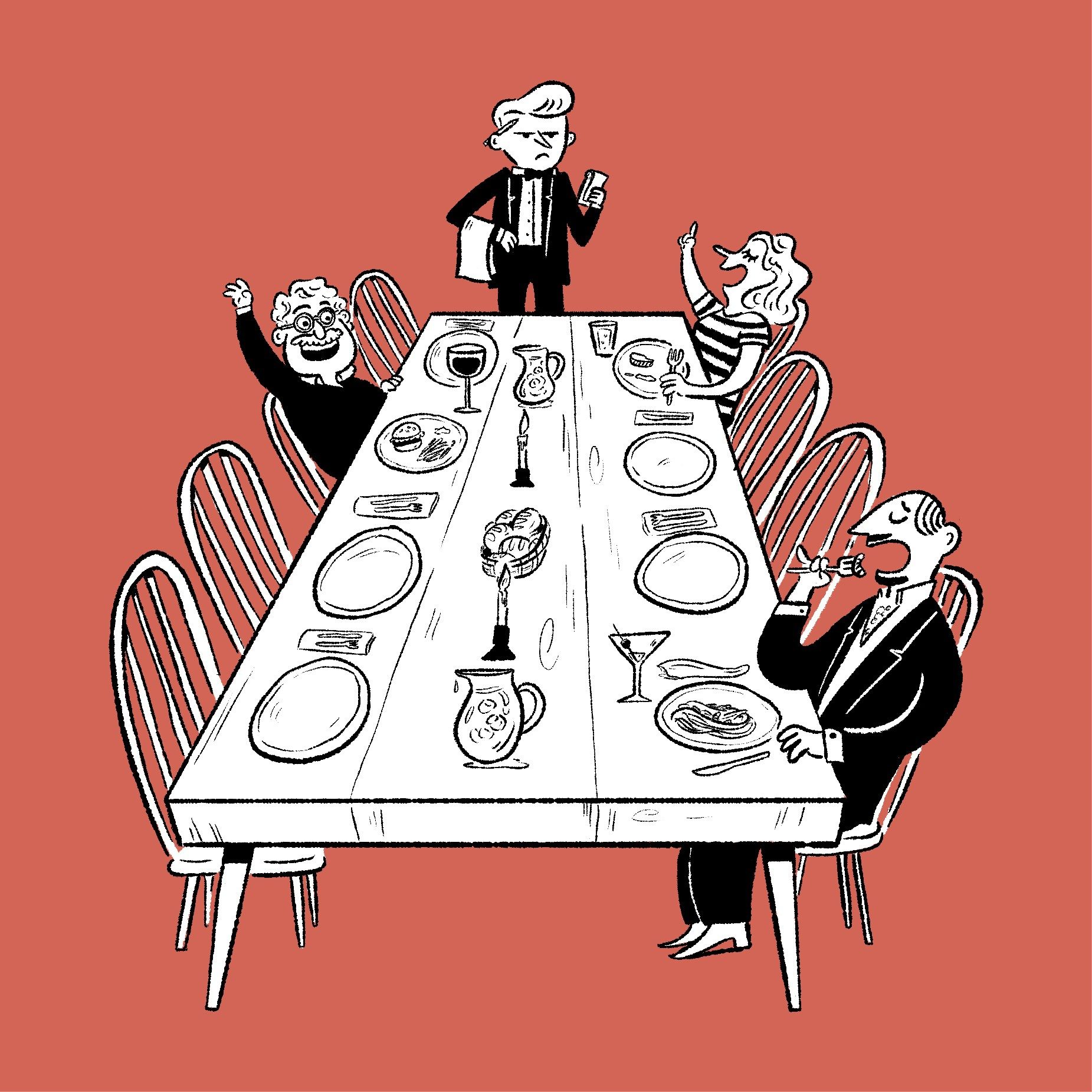
Other chefs are also speaking out. Ravneet Gill, chef-proprietor of London restaurant Gina and founder of the hospitality platform Countertalk, acknowledges the risks involved in criticizing customers publicly but believes it’s necessary. She describes the depleting effect of bad customer behavior on her business, emphasizing that opening a restaurant is about creating a positive community experience.
The Impact of No-Shows
No-shows are a major issue for restaurants. When customers fail to cancel their bookings, it results in lost revenue, which can be devastating for businesses with thin profit margins. “You can go from a 50-cover service to suddenly 25, and that happens a lot,” says Gill. Many restaurants now require a non-refundable deposit, but some customers aggressively dispute these charges, leading to costly disputes.
Thom Eagle of Bottega Caruso in Margate often waives the fee if there’s a valid reason for the cancellation. However, these situations often result in tense exchanges over the phone or email. Dan O’Regan, chef-patron of Lapin and Bank restaurants in Bristol, notes that some diners attempt to get refunds through their credit card providers, adding to the administrative burden.
Customers who arrive with fewer people than booked for also cause financial strain. A simple phone call could allow staff to reconfigure tables and accommodate others, but many diners don’t bother. Dirik highlights the loss of £65 per head, which can be significant for a restaurant.
Others arrive with more people than booked for and expect the restaurant to make it work, even when the room is full. This creates difficulties for everyone involved, and some customers become particularly upset if the restaurant cannot accommodate them.
Expecting Freebies and Other Issues
Angling for free things is becoming more common. Gill recalls a recent incident where a table was given two complimentary puddings as a gesture for their celebration, but then refused to pay for the wine, claiming it was too expensive. “They were horrible to my staff, and it got really nasty,” she says.
Other diners wait until they’ve finished their meal before complaining and expect the bill to be adjusted. “We get a lot of that,” Gill says. “People who eat most of the food and then send it back, which I don’t think is good behaviour.”
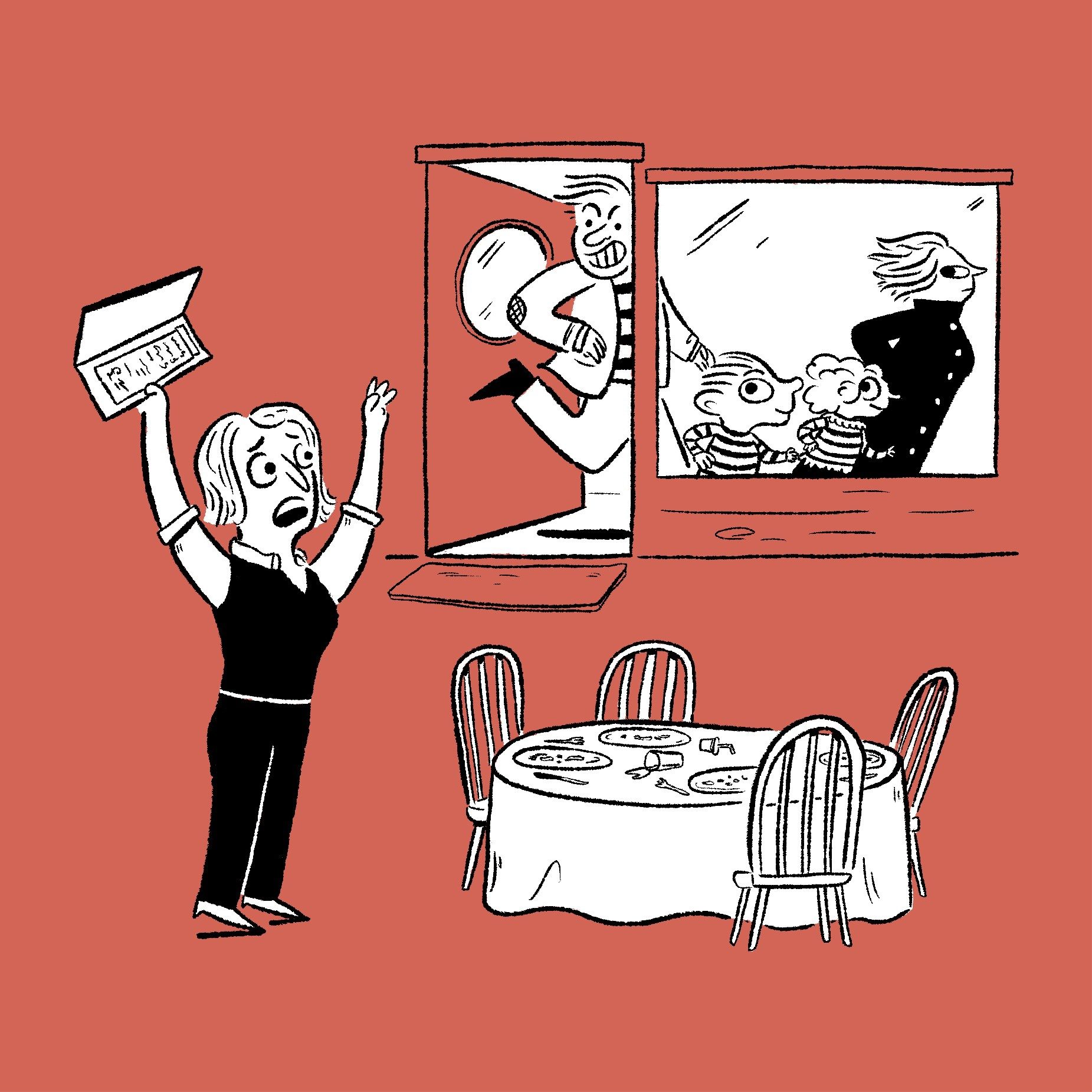
Last year, a family of five walked out of a local restaurant without paying anything. They had scraped their plates clean and then protested there was something wrong with the meal, announcing they wouldn’t pay, not even for their drinks. The manager, unwilling to ruin lunch for other diners or risk a negative review, let them leave.
The Weaponization of One-Star Reviews
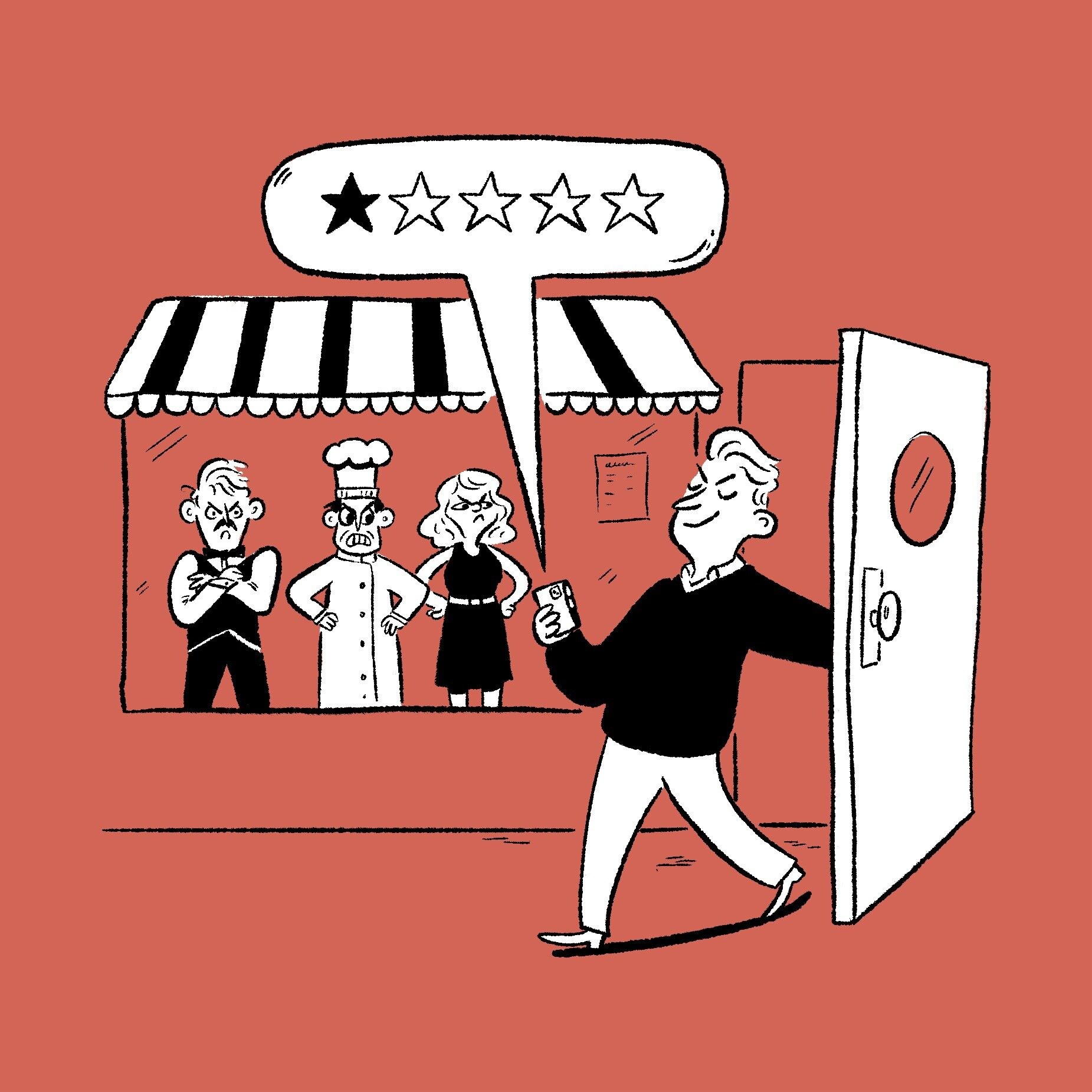
For chefs, the most demoralizing trend is the “weaponisation” of one-star Google reviews. While bad reviews are sometimes warranted, some are so unreasonable they border on surreal. Dirik mentions a customer who left a one-star rating because they disliked the way a supplier delivered tomatoes to the restaurant on a bike. “I tried to get it removed, but I couldn’t, and that’s insane,” he says.
Eagle points out that Google reviews carry weight because they’re often the first thing you see when searching online for a restaurant, yet they’re entirely unverified. A single, fixable issue in a meal can end up framing the entire experience online, making it unfair for the restaurant.
Sometimes, customers write bad reviews out of vindictiveness. O’Regan recalls a table that arrived 45 minutes late, and although the kitchen was supposed to have closed by then, staff worked through their break to cook their meal. Yet three of the five diners left one-star reviews, claiming their lunch had been “rushed.”
Children, Mess, and Sleazy Behavior
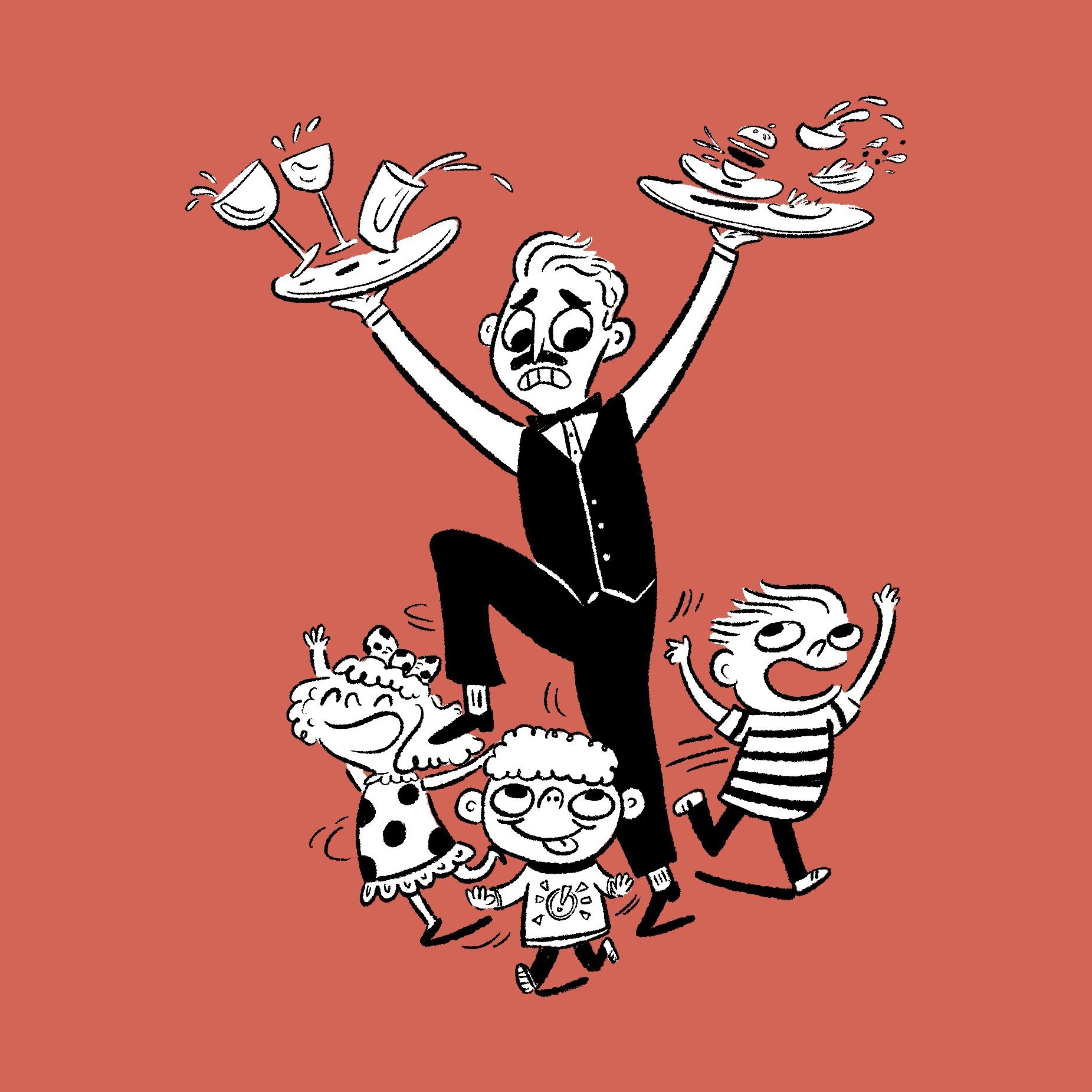
Bad behavior in the dining room is another concern. Families with young children often leave their tables in a “post-hurricane state” with food, grubby wipes, and spillages across the table, chairs, and floor. This makes it difficult to turn a table quickly, and children are often allowed to roam around the restaurant, posing safety risks and causing frustration for other diners.
Eagle sees similar problems, noting that some people treat restaurants like daycares. Over the summer, someone started changing their baby’s nappy on the table in the restaurant.
Loud, raucous, drunken behavior, and sleaziness are also issues. Eagle mentions older gentlemen who seem to believe they have the right to flirt with any young woman in their orbit. My 24-year-old daughter confirms this, recalling an instance where she was asked if she was “on the dessert menu.” The line prompted raucous laughter from the table of men and left her feeling humiliated.
Understanding the Root Causes
Philip Graves, a consumer psychologist and author of Consumer.ology, suggests that social media plays a role in shaping people's thinking. As people spend more time online, they become more self-focused and less considerate of others. “I think that makes people more intolerant,” Graves says. “People also increasingly feel that they have a legitimate basis for a grievance, independent of the merit of that feeling.”
Graves believes reviews are often fired off in the heat of the moment because it’s easy to do so. “The digital environment gives us the ability to just react and not to process and think,” he says. “But it’s a recipe for making things worse, not better.”
Rising prices are also affecting behavior, Graves adds. As the cost of eating out climbs, customers believe they’re entitled to what may, in reality, be completely unreasonable.
Every chef I spoke to stressed that most customers are a joy and restaurants themselves aren’t flawless. The problem is, the mutual respect that makes them work is out of kilter, because for some diners, good manners are no longer on the menu.

Posting Komentar untuk "How British Diners Have Turned Unbearable"
Posting Komentar