
How EU Hostility Might Revive Musk and Trump's Alliance
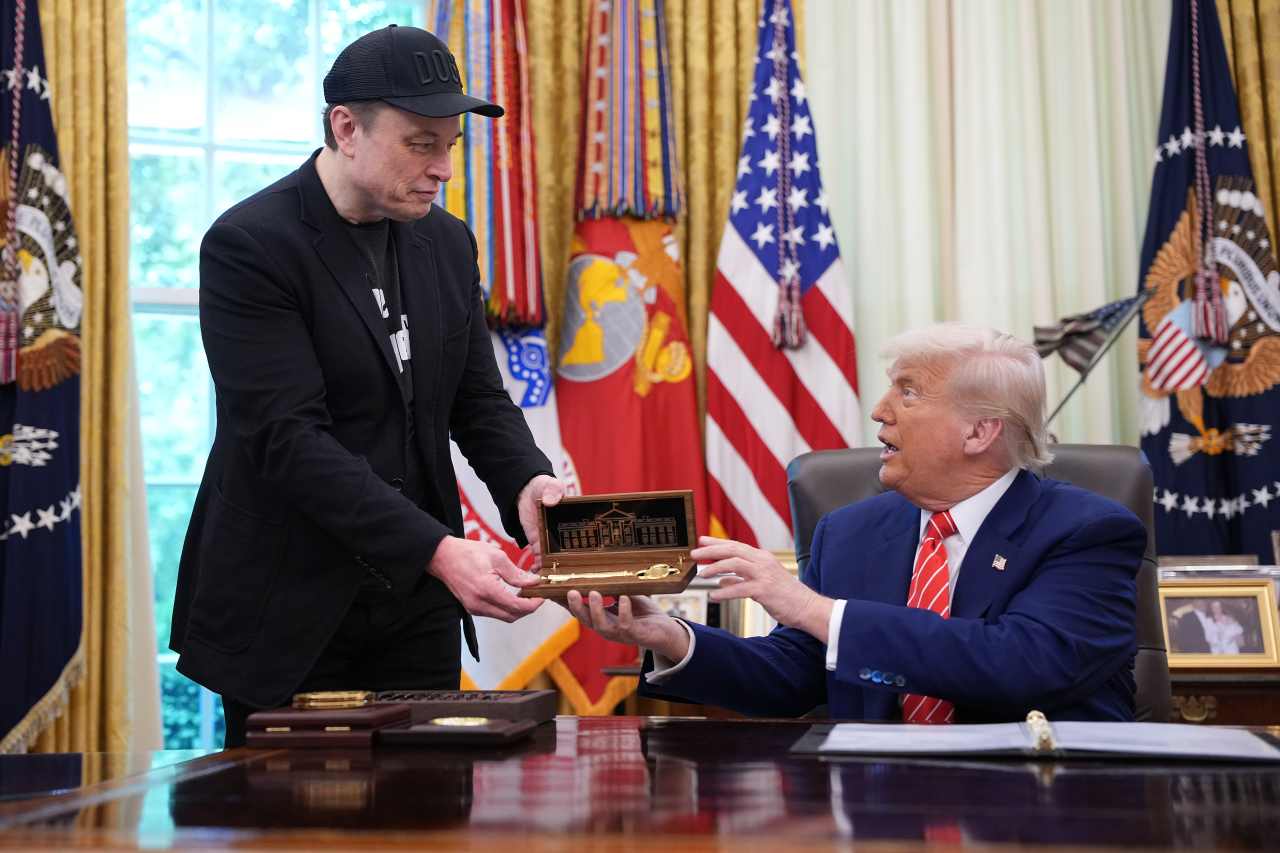
A New Alliance in the Making
President Donald Trump and Elon Musk, two of the most influential figures in American business and politics, have had a complicated relationship over the years. Their partnership has been more of an on-again, off-again affair, especially after their disagreement over tax policy last spring. However, recent events may have brought them closer together, as both have found a common enemy in the European Union.
A Shared Discontent with the EU
Both Trump and Musk have long expressed frustration with the European Union. Trump has often criticized the bloc, accusing it of being "the sole purpose of ripping off the United States." Meanwhile, Musk has accused the EU of suppressing free speech and democracy, though he hasn't clearly articulated what these ambitions are. This shared discontent was recently highlighted when the European Commission fined Musk’s X social-media platform $140 million for violating parts of its new Digital Services Act.
Musk, known for his disdain for regulation, responded by calling the EU a "bureaucratic monster" that is unfit for democracy. He even suggested that the EU should be abolished and that sovereignty should be returned to individual countries so that governments can better represent their people. His comments were made on the very platform he once tried to purchase for $44 billion in 2022.
U.S. Officials Join the Criticism
The criticism of the EU didn’t stop at Musk. Various officials in the Trump administration joined the chorus, with U.S. Ambassador to the EU, Andrew Puzder, vowing to "challenge burdensome regulations that target U.S. companies abroad" while "opposing censorship." While this statement seemed a bit out of place given the nature of the EU fine, it reflects the intensity of the relationship between Washington and Brussels since the new Trump administration took office.
Tensions Over Trade and Technology
The U.S. and the EU have had several disagreements over trade deals, environmental protections, and Washington's role in the conflict between Israel and Hamas. The EU's efforts to regulate U.S. tech companies have also not gone unnoticed. Recently, the European Commission opened a formal antitrust probe into Meta Platforms' use of artificial intelligence in WhatsApp, highlighting the ongoing tension between the two regions.
The EU's Role as a Global Tech Regulator
While Musk's complaints about the EU may seem exaggerated, the EU's role as a global tech regulator is more complex. The EU's powerful Commission has imposed over $33 billion in fines on U.S. tech giants in the past decade, leading to significant changes in the industry regarding data protection, content, and advertising regulation. However, the Trump administration has viewed these efforts as barriers to free trade and as tacit support for China's tech industry. The president has also threatened to impose "substantial additional tariffs" on countries that attempt to "discriminate against American Technology."
Potential Alignment on Media Industry Developments
Despite their current animosity, Trump may soon find himself aligned with the EU on a key development in the media industry. Trump has indicated that the Justice Department will review Netflix's proposed $72 billion takeover of Warner Bros. Discovery, which could pose challenges. This deal would combine the largest and third-largest media streaming groups in the world, making it a point of interest for regulators in Brussels as well.
Paramount Skydance Corp., which lost the takeover battle, has close ties to the president. If the Netflix deal falls through due to EU demands, it could benefit the president by avoiding accusations of meddling in the fate of Warner Bros.’s CNN.
Musk's AI Ambitions and EU Conflicts
Meanwhile, Musk faces a series of conflicts with EU regulators as xAI, which was purchased by X earlier this year in a deal valued at around $33 billion, develops. The group is a critical component of Musk’s AI-related ambitions for both Optimus, his robotics division, and Grok, his AI-powered Chatbot.
In short, both Musk and Trump may soon need the support of the very EU regulators they currently criticize. Whether they will become friends again remains to be seen.

Posting Komentar untuk "How EU Hostility Might Revive Musk and Trump's Alliance"
Posting Komentar