
I Tested the iQOO 15: A Strong Rival to the POCO F8 Ultra with a Key Edge
iQOO continues to build on the momentum it has gained over the past four years with its numbered flagship models. I had a positive experience with the iQOO 11, iQOO 12, and iQOO 13, but it was with the iQOO 12 that the Vivo sub-brand truly refined its camera capabilities. The iQOO 15 doesn't bring many changes—this phone features an even larger AMOLED display, a massive 7,000mAh battery, three 50MP rear cameras, and is powered by the latest Qualcomm chip.
POCO's misstep in not launching the F8 Ultra in India has removed one competitor from the market for iQOO. However, this year's positioning of iQOO means that the iQOO 15 faces increased competition from devices like the Realme GT 8 Pro. While iQOO has maintained roughly the same price point for the last three generations, the iQOO 15 sees a significant price increase this time around.
This price hike makes the phone less appealing compared to its predecessors and places it against phones with more advanced camera systems. Does it still make sense to consider the iQOO 15? I've used the device for over two weeks, and here's my assessment.
iQOO 15 Pricing and Availability: Prepare to Pay More
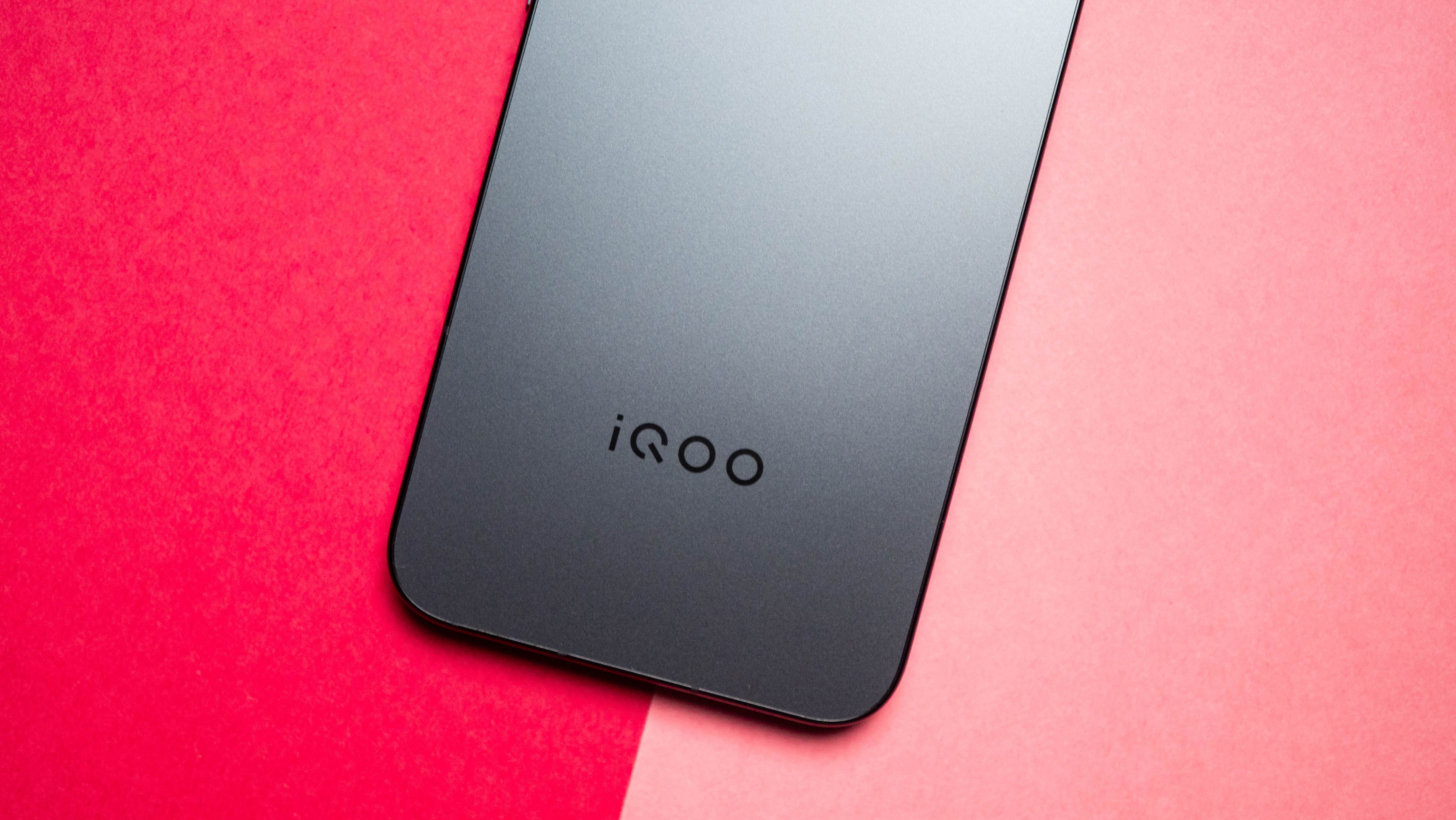
The iQOO 15 launched in India on November 26, the same day as the global release of the POCO F8 Ultra. In India, the 12GB/256GB variant is priced at ₹72,999 ($810), while the 16GB/512GB model costs ₹79,999 ($888). For context, the iQOO 13 launched at ₹54,999 ($610) for the 12GB/256GB version and ₹59,999 ($665) for the 16GB/512GB model.
I'm puzzled by iQOO's decision this year; such a steep price increase isn't typical, and it has effectively reduced early interest in the device, especially since the iQOO 13 is still available in the country.
iQOO 15 Doesn't Stand Out as Much
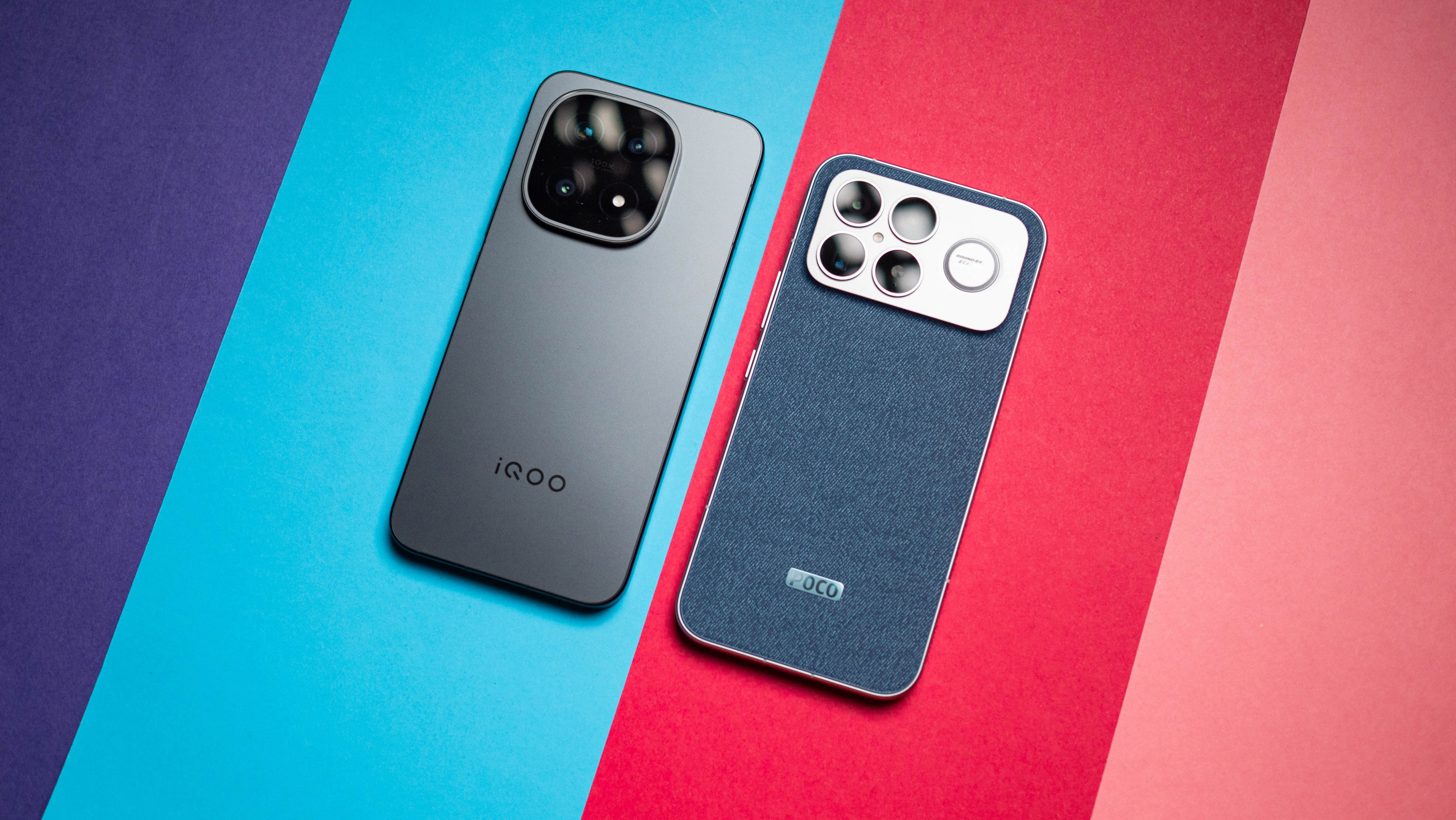
I've always appreciated iQOO phones for their bold designs, but the iQOO 15 doesn't offer much in terms of uniqueness this year. The black color variant I'm using is so dull it could easily be mistaken for a OnePlus phone. There's nothing about this device that suggests it's a high-end phone, and it fails to create any sense of excitement. That’s what I look for in a new phone, and the POCO F8 Ultra does this well with its denim texture. The iQOO 15, however, feels like a large, unremarkable device with very little character.
The phone features a fiberglass back and aluminum mid-frame, and it's quite large due to the 6.85-inch display. It also weighs 216g, which is largely due to the 7,000mAh battery. While the weight distribution is decent, it's not the most comfortable to hold or use. Fortunately, iQOO has retained IP68 and IP69 dust and water resistance, and the ultrasonic sensor works well for authentication.
This Is a True Powerhouse
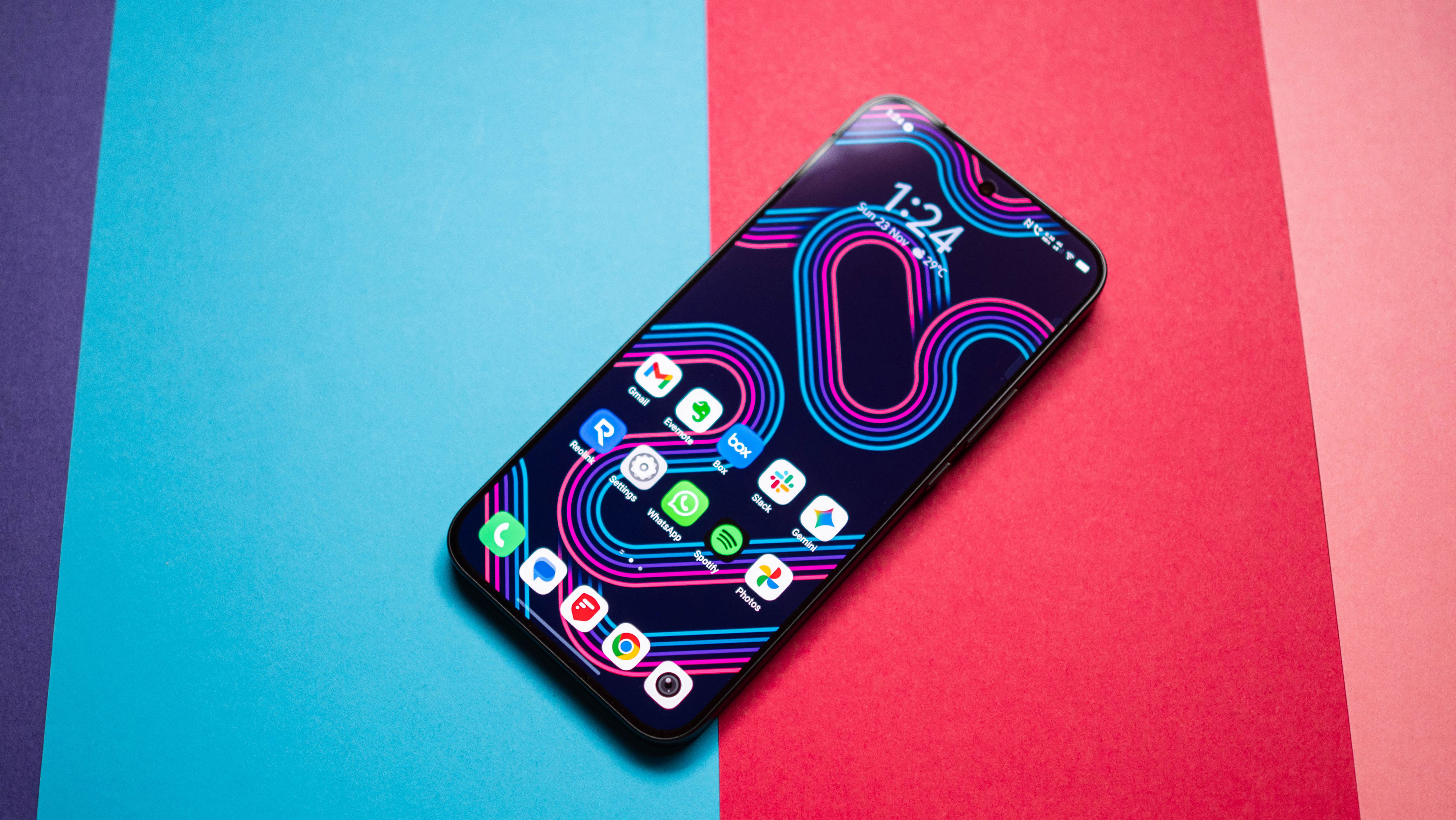
Unlike other brands, iQOO continues to use a 2K (3168 x 1440) panel, and the 6.85-inch AMOLED display is one of the largest in this category. It delivers vibrant colors, excellent brightness, and performs well with Dolby Vision and HDR content. While iQOO advertises this as a 144Hz panel, it only switches to the higher resolution in specific situations, and in most daily tasks, you'll get the same 120Hz as other smartphones.
The phone handles gaming well, though the stereo sound isn't particularly loud or detailed—something the F8 Ultra outperforms. However, it's still serviceable. Unfortunately, iQOO limits popular titles like Call of Duty and PUBG to 60fps, meaning these games can hit 120fps on other devices but not on the iQOO 15.
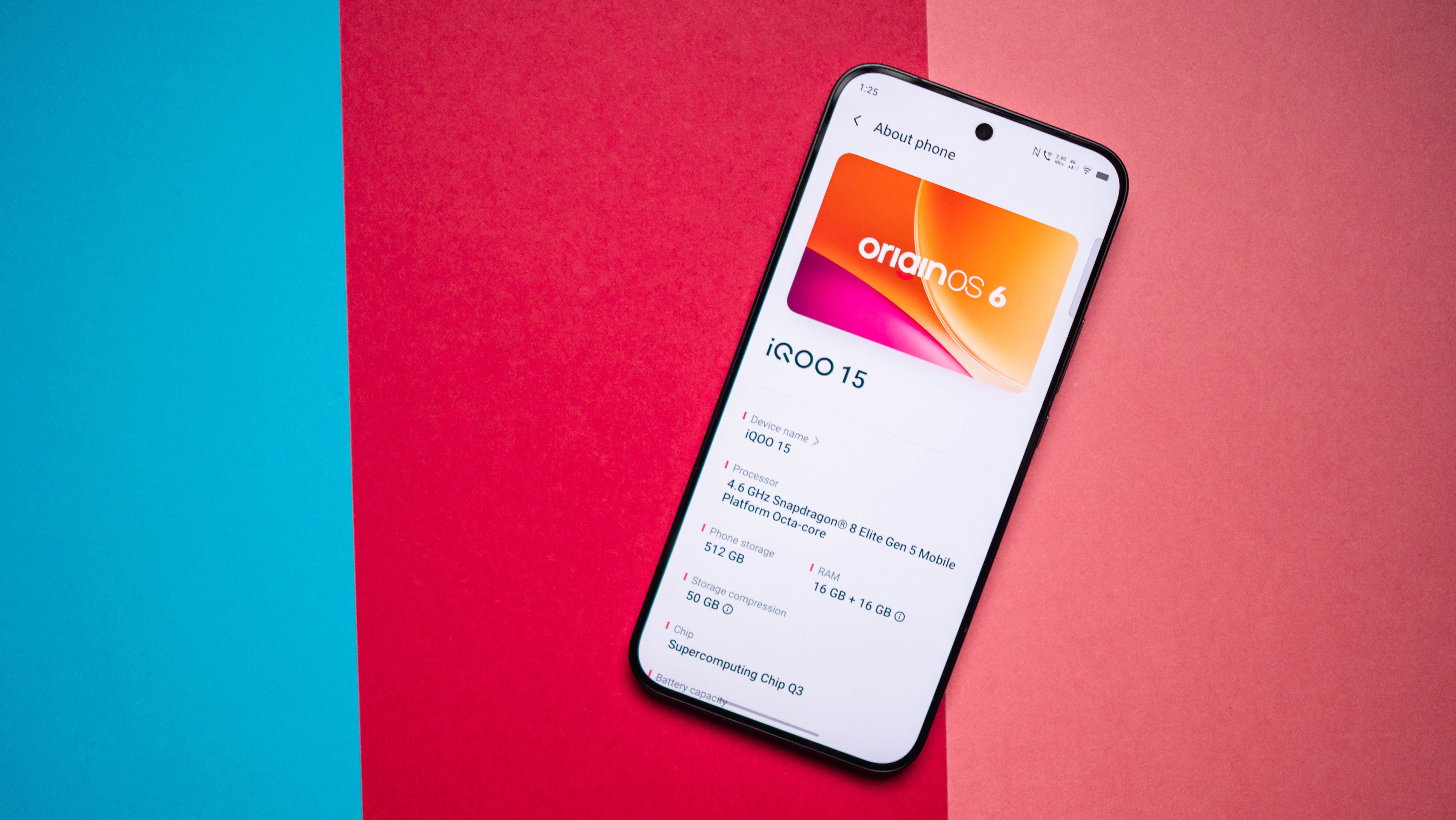
In terms of sustained performance, the iQOO 15 isn't as strong. It manages demanding games without issues, but there is noticeable throttling during extended use, and it tends to overheat—similar to other Snapdragon 8 Elite Gen 5 devices. This is more related to Qualcomm than iQOO, and although the phone has a larger vapor cooling system this year, it still reached 52 degrees in synthetic tests and became uncomfortably hot during long gaming sessions.
The rest of the hardware is solid. The phone comes with LPDDR5X RAM and UFS 4.1 storage, and the 16GB/512GB model I've been using hasn't shown any lag or slowdowns. The vibration motor is significantly improved this generation, and I haven't encountered any connectivity problems.
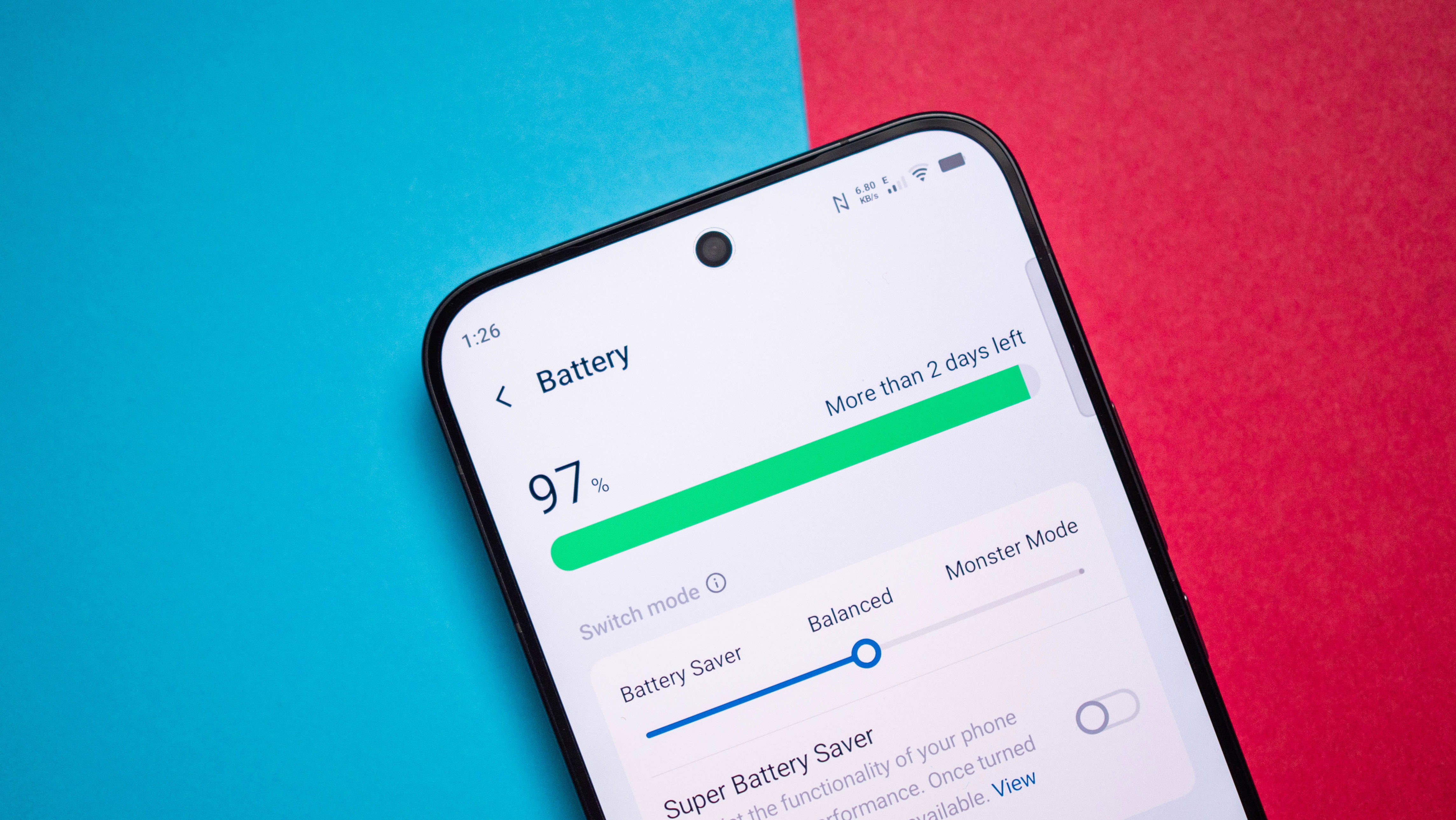
Thanks to the 7,000mAh battery, the iQOO 15 lasts a full day and a half, and with regular use, it can even stretch to two days. The phone supports 100W charging, and it takes just under an hour to fully charge.
Great Cameras Come with the iQOO 15
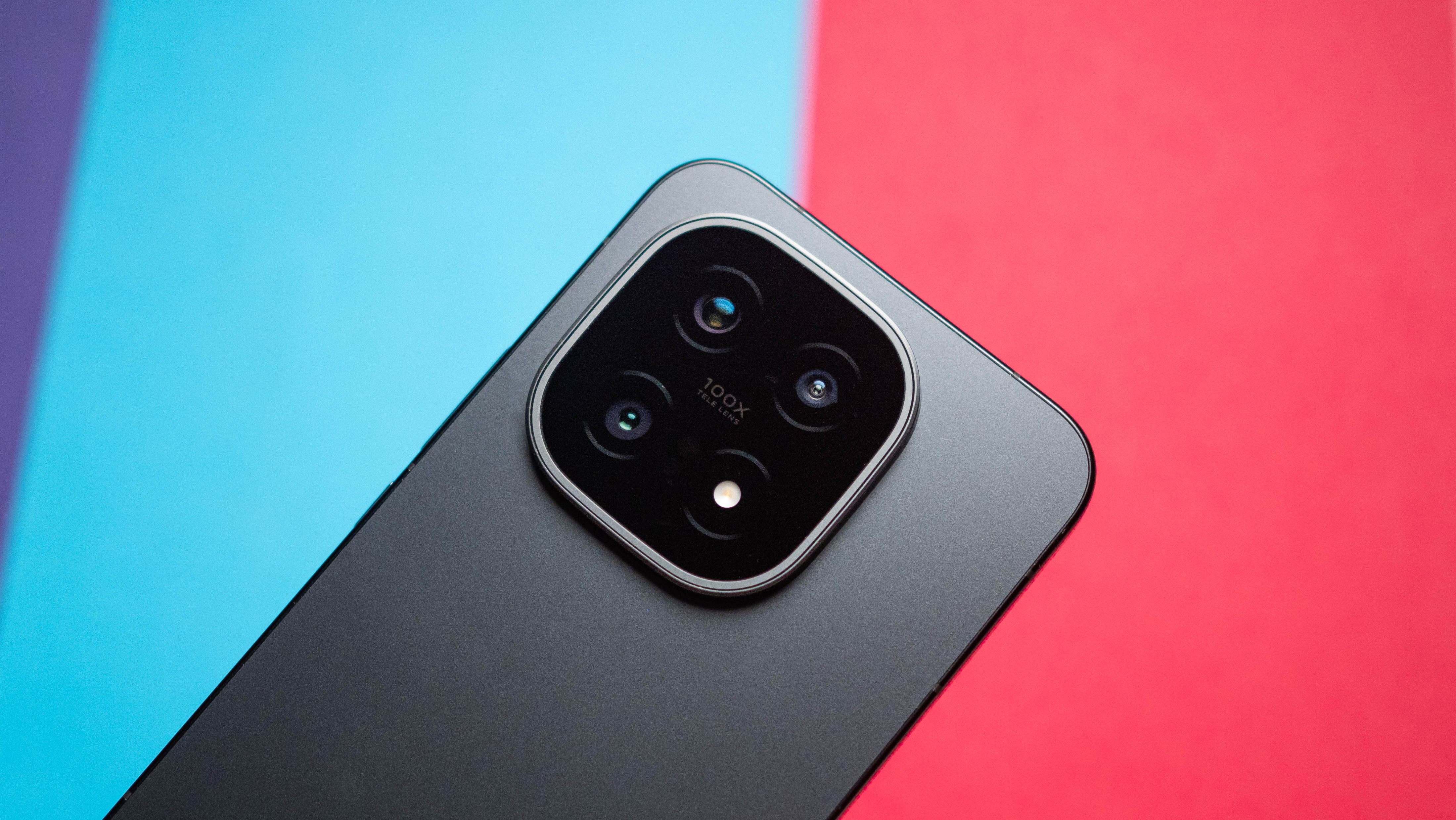
The iQOO 15 features a 50MP Sony IMX921 main camera, a 50MP Sony IMX881 telephoto lens with 3x optical zoom and OIS, and a 50MP Samsung JN1 wide-angle lens. It also includes a 32MP GalaxyCore GC32 front-facing camera and supports 4K60 video recording.
The main and telephoto lenses perform exceptionally well, as expected, and the phone benefits from Vivo's tuning. I had no issues with photo quality; the device consistently delivered great shots in challenging conditions, and the telephoto lens also functions as a portrait shooter.
The only downside is the wide-angle lens. While it produces decent photos, it doesn’t match the quality of the other lenses. This is due to the older Samsung JN1 sensor, which is starting to show its age. Other manufacturers have moved to newer sensors, so it seems likely that Vivo either had leftover stock or opted for cost-saving measures by using this older module.
Despite this, the other two cameras are impressive, and the iQOO 15 holds its own against the POCO F8 Ultra and Galaxy S25.
Better Software This Year
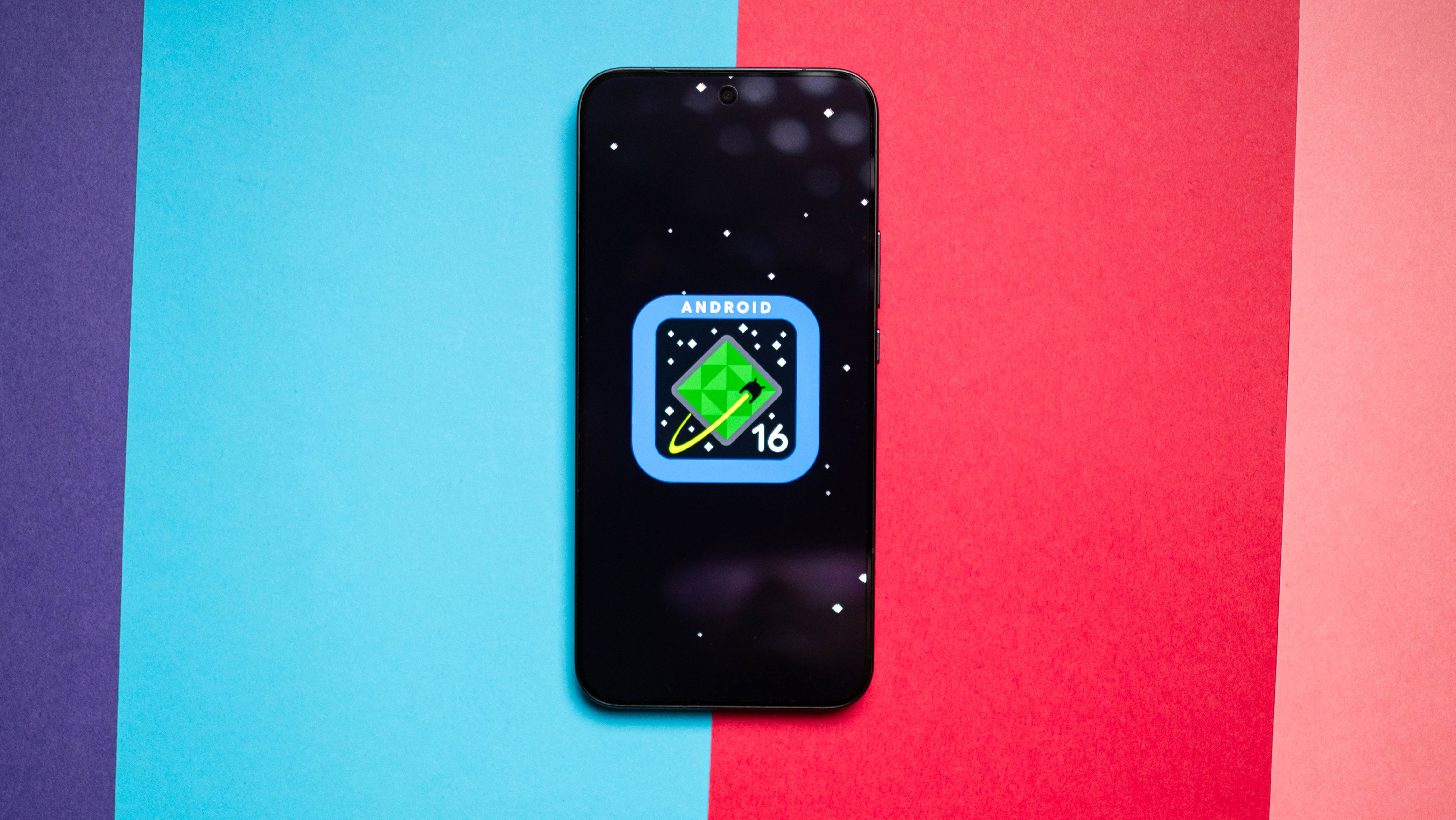
The iQOO 15 runs OriginOS 6 based on Android 16, which is identical to what you get on the Vivo X300 Pro and X300. The interface feels fresh, is highly fluid, and I don’t have many complaints. It’s a significant improvement over earlier iQOO models and offers a lot of customization options.
Another positive is that the device will receive five years of OS updates and seven years of security updates.
Should You Buy the iQOO 15?
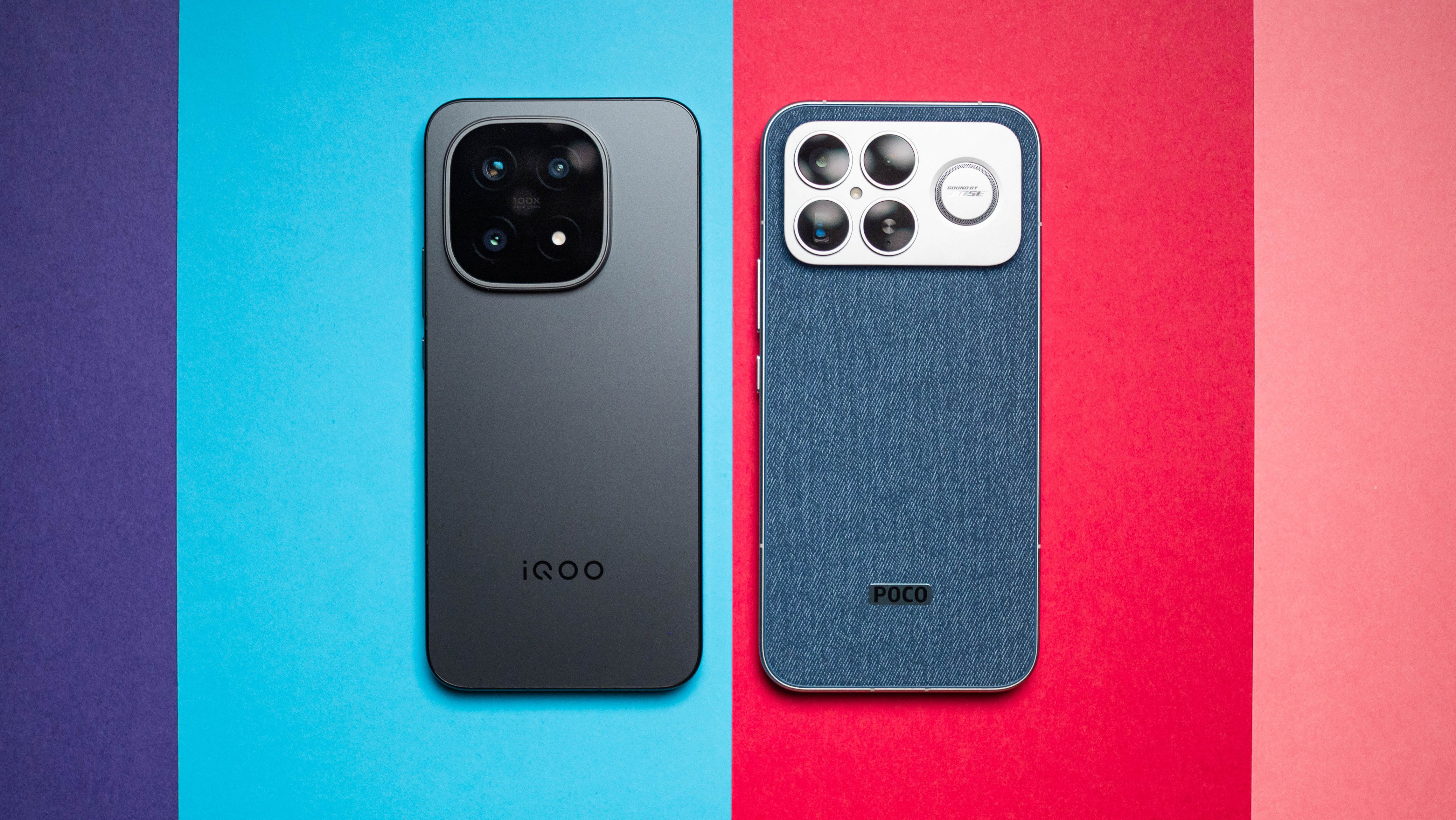
Ultimately, whether you should buy the iQOO 15 depends on your preferences. It's not as clear-cut a purchase as previous models due to the price increase, but I still believe the iQOO 15 is well-positioned in the Indian market. Its cameras may not surpass the Realme GT 8 Pro or the standard Vivo X300 and Find X9, but it remains a legitimate competitor. Additionally, the absence of the POCO F8 Ultra in India gives iQOO a slight edge.
If you're considering the iQOO 15, I would still recommend the iQOO 13. Its cameras are good, and the hardware isn’t slow in any way. The iQOO 15 is an upgrade, but it doesn't offer the same value as its predecessor.

Posting Komentar untuk "I Tested the iQOO 15: A Strong Rival to the POCO F8 Ultra with a Key Edge"
Posting Komentar