
I Tested the Next-Gen Android XR Smart Glasses—These Frames Are Ready for Your Close-Up
The Rise of Smart Glasses: A New Era in Wearable Tech
The world of wearable technology is undergoing a significant transformation, and one of the most exciting developments is the emergence of smart glasses. These devices are no longer just a novelty; they're becoming an essential part of our daily lives. From displaying information to providing real-time translation, smart glasses are redefining how we interact with the digital world.
Display, Heads Up

One of the most impressive features of the latest smart glasses is their ability to project information directly into the user's field of view. This is achieved through waveguide technology, which uses tiny displays embedded in the edges of the frames. The imagery is then projected through the lens and delivered via the waveguides to the wearer's eye or eyes. This creates the illusion of a floating screen or images, making it easier to access information without constantly looking down at a phone or tablet.
Unlike traditional mixed reality platforms that use high-resolution micro displays, these smart glasses allow users to maintain their natural vision while viewing augmented content. This means that you can easily switch focus from the AR imagery to the real world without any disruption.
Android XR: A New Chapter

Google has taken a significant step forward with its Android XR initiative, unveiling two smart glasses prototype developer editions at the Android Show: XR Edition. One is a monocular experience, while the other offers a dual-display experience. Google is also collaborating with Xreal to showcase the Xreal Project Aura, the first near-production-grade smart glasses to feature Android XR.
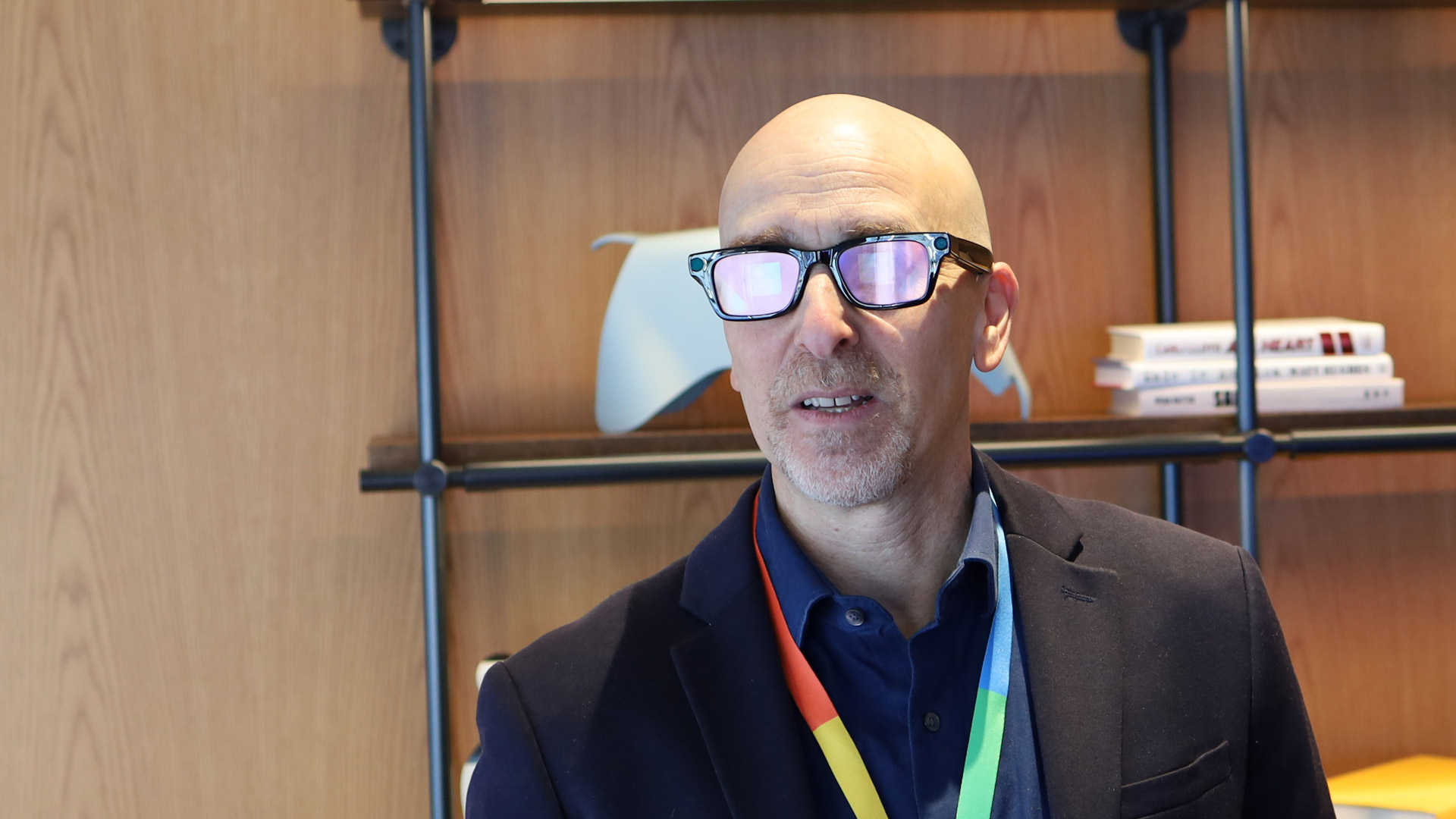
During my hands-on experience with these prototypes, I was impressed by their design and functionality. The monocular version was only slightly chunkier than traditional glasses, and the dual-display model offered a wider field of view and stereovision. This makes it ideal for applications like navigation, where 3D overviews of cities can be incredibly useful.
AI Integration

Google is leveraging its Gemini AI to enhance the user experience with these smart glasses. The frames, referred to as "AI Glasses," offer display-free models that listen for voice commands and deliver answers through built-in speakers. Even with the displays turned off, Gemini can still be useful via audio interactions.
The in-lens displays provide a compelling experience, allowing users to see information like time and temperature floating in front of their eyes without occluding their vision. This makes it easy to access information on the go, whether you're walking through a city or working in an office.
Real-World Applications

During my demos, I saw how these smart glasses can be used in various real-world scenarios. For example, I asked Gemini to suggest a meal based on the ingredients available in a grocery store. It provided a suggestion for tomato sauce, and I could even add AI enhancements to photos using Nano Banana Pro.
Another impressive feature is the ability to translate languages in real-time. When a Chinese speaker entered the room, the glasses automatically detected her language and translated her words into English, both in my ears and on the display in front of my eyes. The speed and accuracy were astonishing.
Navigation and Productivity

Smart glasses can also serve as excellent heads-up navigation systems. I asked Gemini to find a nearby museum and received turn-by-turn directions. The display showed me where to turn next, and I could also see my position on the map and the direction I was facing.
Google has partnered with Uber to enhance this experience indoors. They demonstrated how the system could help navigate inside an airport using Uber's navigational data. This shows the potential for smart glasses to revolutionize how we move through complex environments.
Dual Vision and Xreal Project Aura

The dual-display prototypes offered a starkly different visual experience compared to the monocular version. With a wider field of view and stereovision, these glasses provide a more immersive experience. They can make any image or video 3D, though some of this looked a bit unusual to my eyes.
Xreal Project Aura is another standout product, offering a self-contained Android XR system in a lightweight eyeglasses form. Unlike the Android XR prototypes, Project Aura connects through a port on the tail end of one stem to a smartphone-sized compute puck. This allows for a big-screen productivity experience, such as playing games or working on projects.
Galaxy XR Levels Up
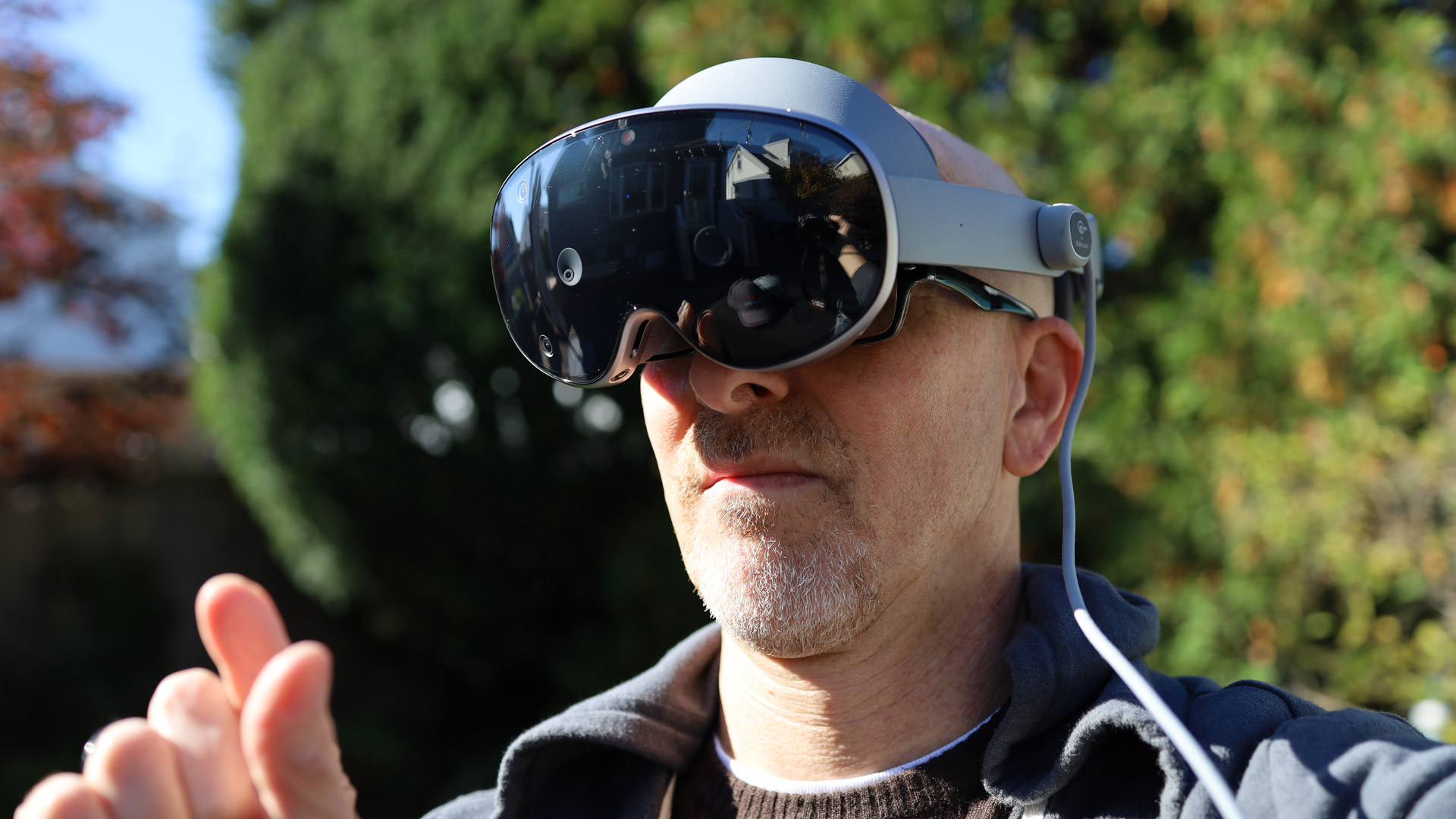
The original Galaxy XR device is also getting a minor update, introducing Likenesses, Google's version of Personas on Vision Pro. This feature allows users to capture their likeness with their phone and generate an animated replica of their face and shoulders. During a Google Meet call, I saw a realistic-looking Likeness that tracked all facial movements.
Google is also exploring the possibility of using audio cues to drive a Likeness, even if someone is not wearing a headset. This could lead to more realistic animated avatars in virtual meetings.
Where to Next?
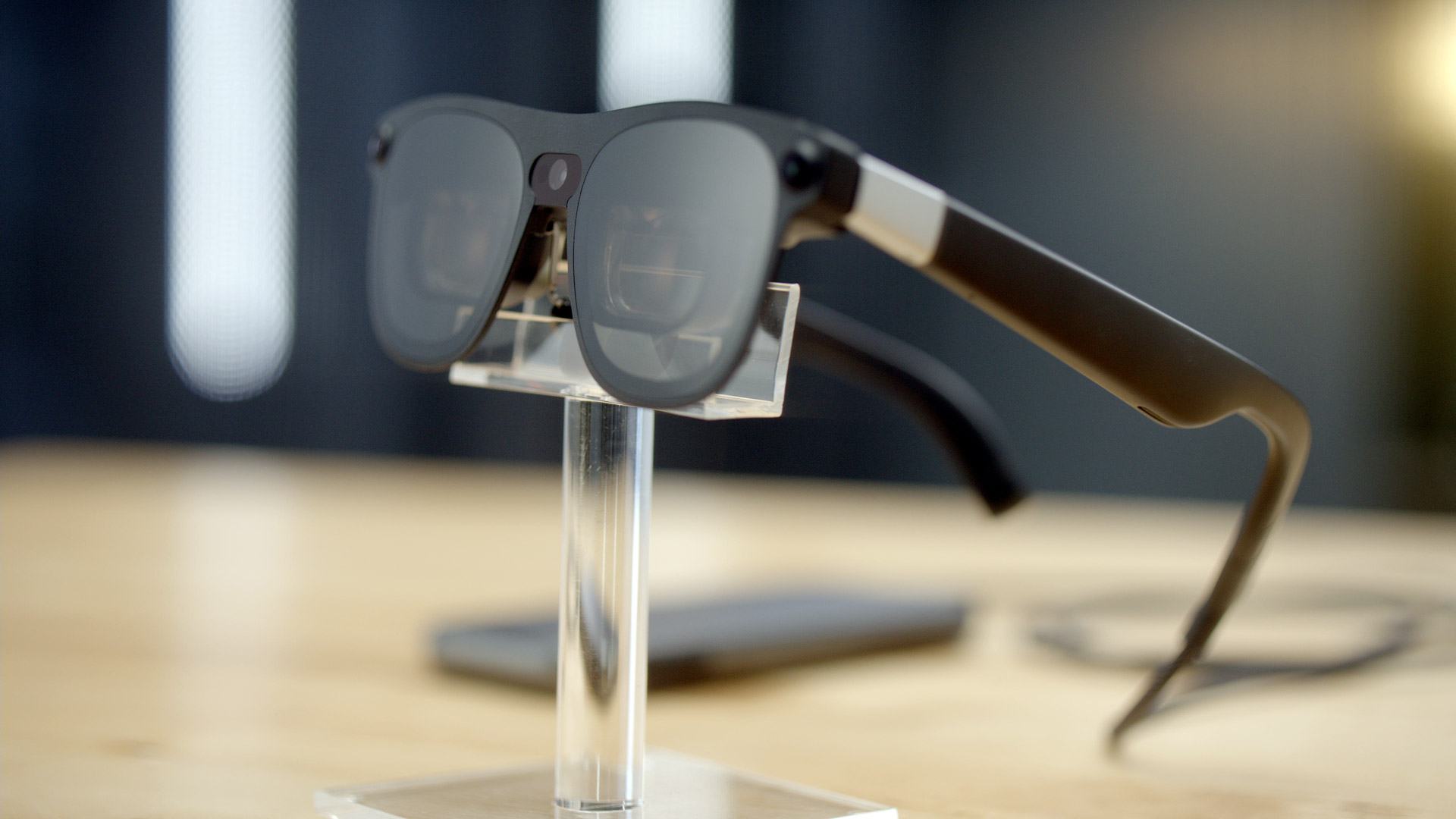
While these demos were exciting, the commercial availability of Project Aura and the Android XR AI display glasses is still months away. Google hasn't shared much about battery life or partnerships with frame manufacturers like Warby Parker and Gentle Monster. However, based on what I saw, we're closer than I previously thought.
The ecosystem for these frames and connected devices like phones, Pixel watches, computers, and app stores appears to be coming together. It seems that the time for AI-powered AR glasses is now here, and I'm ready to embrace this new era of wearable technology.
As the market continues to evolve, it's clear that smart glasses will play a significant role in our daily lives. Whether it's for navigation, productivity, or social interaction, these devices are set to change the way we engage with the digital world.


Posting Komentar untuk "I Tested the Next-Gen Android XR Smart Glasses—These Frames Are Ready for Your Close-Up"
Posting Komentar