
Is Your Generator Safe? Essential Tips to Know
Understanding the Importance of Generator Safety
Portable generators are versatile tools that can provide power during emergencies, outdoor activities, or on job sites. However, they also come with inherent risks if not used properly. Understanding and following safety guidelines is crucial to prevent accidents and ensure that these devices operate efficiently and safely.
Generators are powered by internal combustion engines and produce a significant amount of electricity, heat, and exhaust fumes. One of the most critical dangers associated with generators is carbon monoxide (CO) poisoning. According to the U.S. Consumer Product Safety Agency, nearly 92 people die annually from generator-related CO deaths. This highlights the importance of proper usage and awareness.
Other common hazards include overheating, incorrect electrical connections, and using inappropriate extension cords. While these issues may seem daunting, many of the safety rules are straightforward and easy to follow once understood.
Essential Generator Safety Tips
-
Only Run the Generator Outside
Always place your generator outside, at least 20 feet away from doors, windows, and vents. Generators emit exhaust that contains CO, which can be deadly in enclosed spaces—even a garage with the door open is not safe. Ensure the exhaust port is directed away from your home or work area. While some modern generators have CO sensors that shut them down when high levels are detected, this does not mean it’s safe to use them indoors. -
Don’t Start the Generator with Devices Plugged In
Before connecting any devices, start the generator and let it run for a few minutes without a load. This helps prevent power surges that could damage appliances or circuits. When shutting it off, disconnect all devices first and allow the generator to run briefly with no load before turning it off. -
Use Protection During a Storm
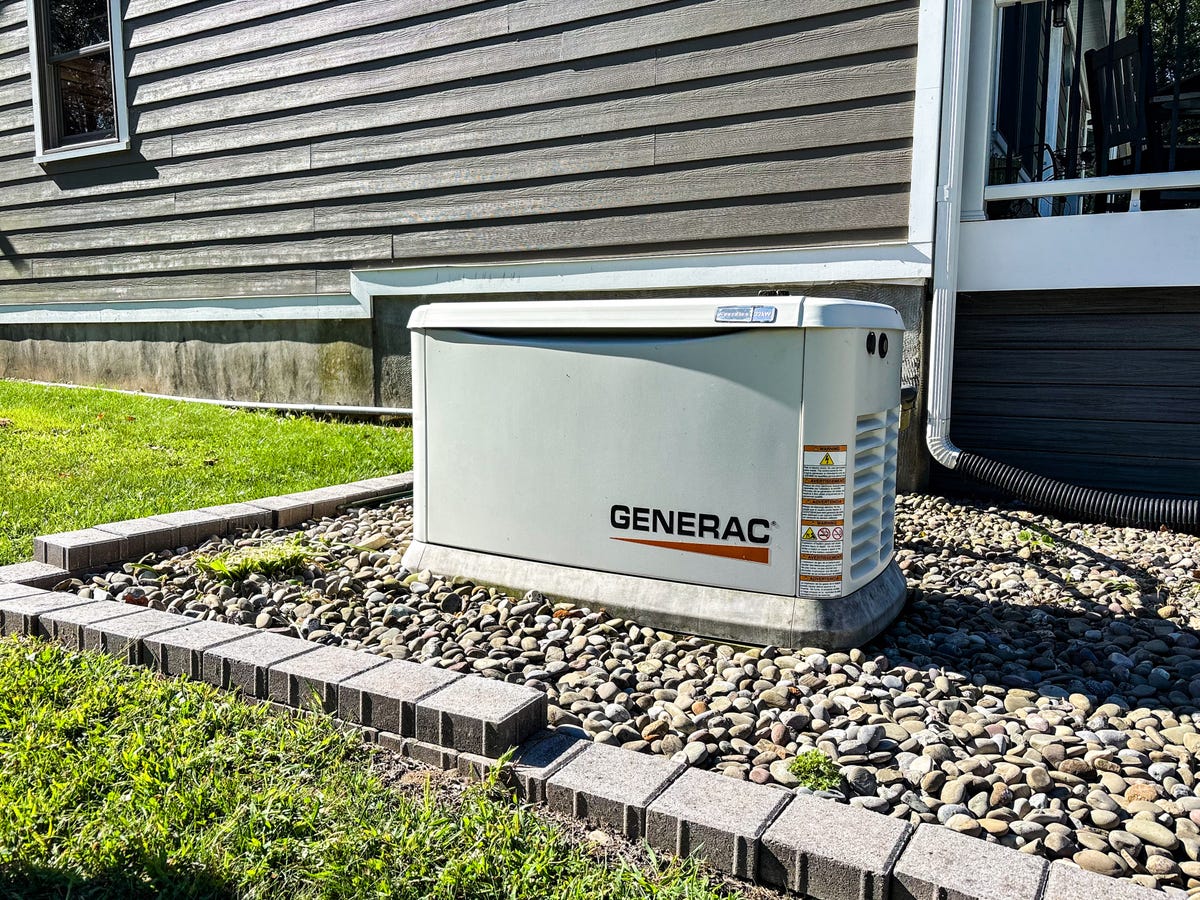
Rain or snow can damage a generator, cause short circuits, or lead to long-term corrosion. If you must use it during a storm, cover it with a specially designed cover or enclosure. Avoid using tarps or placing it in sheds, as this can create fire hazards. Ensure the protection allows for proper ventilation and heat dissipation. -
Use Appropriate Cables
When plugging in appliances directly to the generator, use heavy-duty extension cables rated for the voltage of the appliance. We recommend 12-gauge or 10-gauge cords rated for at least 15 amps. If running a cord more than 25 feet, consider using a lower gauge number for better performance. Make sure not to exceed the wattage rating of the cord or the generator’s outlets. -
Keep the Generator Away from Flammable Items
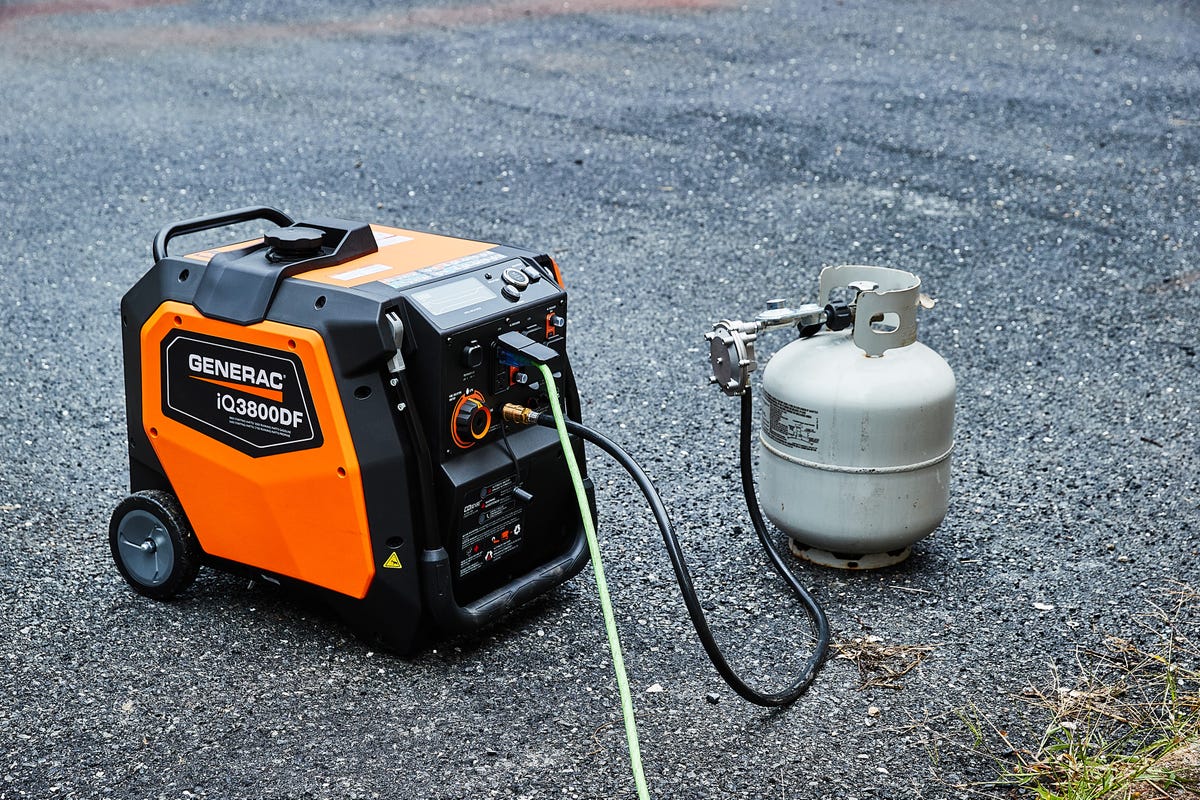
Generators can get extremely hot under heavy loads, potentially melting plastic or igniting flammable materials. Keep the generator at least five feet away from objects, except for generator covers, which are designed to handle the heat and are made of non-flammable materials. -
Don’t Refuel a Hot Generator
Allow the generator to cool down before refueling. Fuel spills or splatters can ignite upon contact with hot engine parts. Wait at least 30 minutes before refueling. If using propane, turn off the generator before switching tanks. -
Don’t Store the Generator with Fuel Inside
Gasoline left in the carburetor can evaporate and leave residue that clogs fuel passages. To prevent this, close the fuel valve and let the generator run until it stalls. Add fuel stabilizer to gasoline and use ethanol-free gas if available. Proper fuel management is essential for generator maintenance. -
Don’t Run a Generator Indefinitely
Most manufacturers recommend allowing the generator to rest for at least 30 minutes after 24 hours of continuous use. Engines generate heat over time, which can wear down components if not given periodic breaks. Always refer to the generator manual for specific guidelines. -
Use a Grounding Rod, When Necessary
A grounding rod helps dissipate fault currents into the ground. It is not always required, especially when using extension cords to power appliances. However, if the generator is powering circuits in your home, check the manual or consult a licensed electrician to determine if a grounding rod is necessary. -
Avoid Overloading
Overloading a generator can cause permanent damage, even if it has overload protection. Signs of overloading include dimming lights, appliances shutting off, or the generator becoming unusually loud. Unplug devices to reduce the load and avoid exceeding the generator’s capacity. -
Never Backfeed
Backfeeding is the dangerous practice of connecting a generator directly to an electric panel without isolating it from the grid. This can result in electrocution, fires, and property damage. It is illegal in many jurisdictions and poses a serious risk to utility workers. Avoid this practice at all costs.

Posting Komentar untuk "Is Your Generator Safe? Essential Tips to Know"
Posting Komentar