
NASA Chooses Two Instruments for Artemis IV Lunar Science
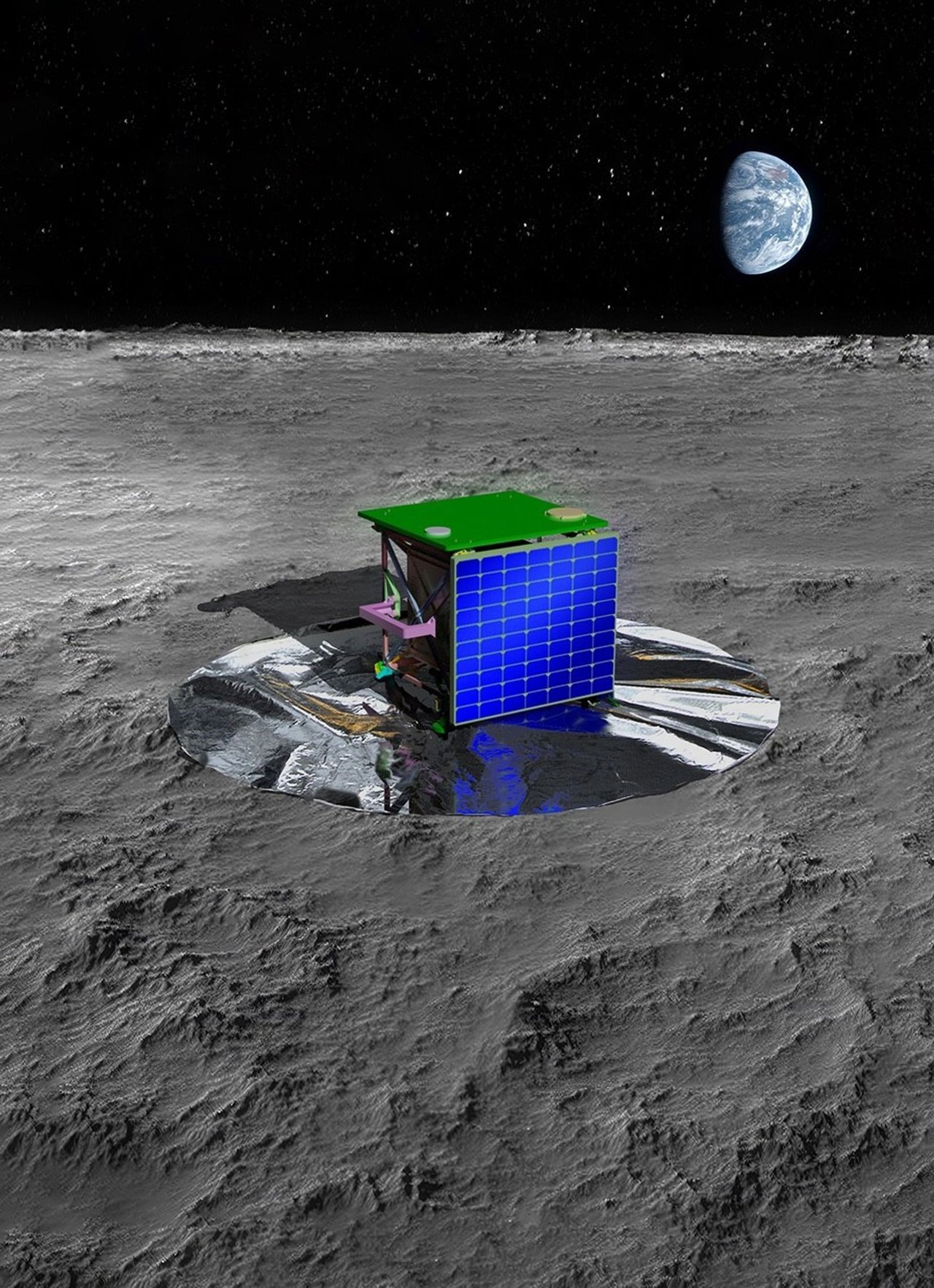
NASA has chosen two scientific instruments that will be deployed on the moon's surface during the Artemis IV mission, which aims to explore the lunar south polar region. These instruments are designed to enhance our understanding of the lunar environment, supporting future exploration efforts not only on the moon but also on Mars.
"The Apollo Era taught us that as humanity ventures further from Earth, the reliance on science to protect and sustain human life on other planets becomes even more critical," said Nicky Fox, associate administrator for the Science Mission Directorate at NASA Headquarters in Washington. "By deploying these two science instruments on the lunar surface, our proving ground, NASA is leading the world in creating a survival guide for interplanetary travel, ensuring the health and safety of our spacecraft and human explorers as we embark on this epic journey back to the moon and beyond to Mars."
After his historic trip to the moon's surface during Apollo 17, astronaut Gene Cernan highlighted the challenges posed by lunar dust. This fine, abrasive material clings to everything it touches and poses significant risks for long-term lunar exploration. The DUSTER (DUst and plaSma environmenT survEyoR) investigation aims to address these hazards by studying the moon's dust and plasma environment.
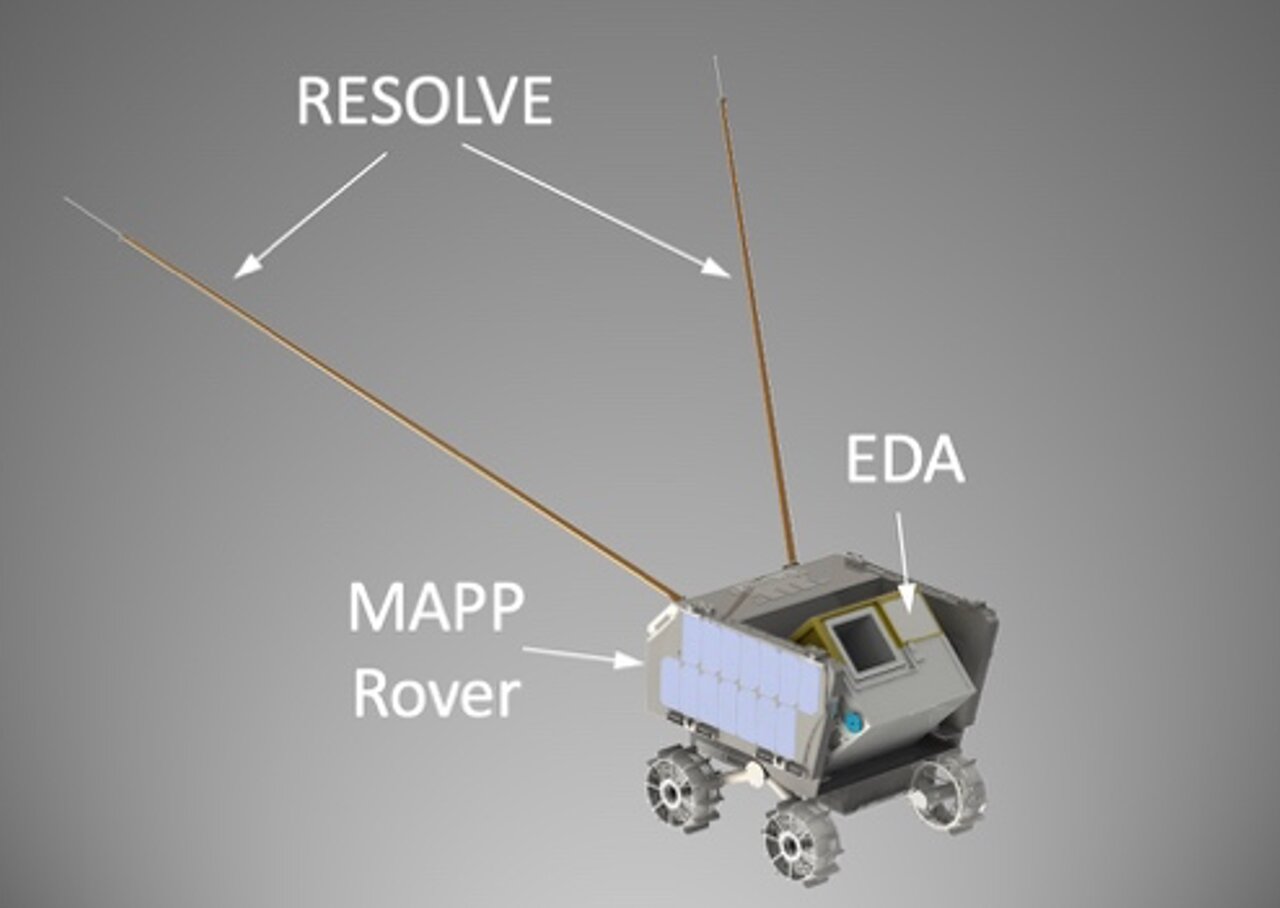
DUSTER consists of a set of instruments mounted on a small autonomous rover. It will gather data on the dust and plasma around the landing site, helping scientists understand how the lunar environment reacts to human presence, including disturbances caused by crew activities and lander liftoffs. The DUSTER instrument suite is led by Xu Wang of the University of Colorado Boulder, with a contract value of $24.8 million over three years.
The SPSS (South Pole Seismic Station) will provide valuable data on the moon's interior structure, offering insights into the geologic processes that shape planetary bodies. The seismometer will help determine the frequency of meteorite impacts, monitor real-time seismic activity, and assess how these factors could affect astronaut operations. Additionally, the crew will conduct an active-source experiment using a "thumper" device to generate seismic energy and survey the shallow structure near the landing site.
The SPSS instrument is led by Mark Panning of NASA's Jet Propulsion Laboratory in Southern California, with an award of $25 million over three years.
"These two scientific investigations will be placed on the moon by human explorers to achieve science goals that have been identified as strategically important by both NASA and the broader scientific community," said Joel Kearns, deputy associate administrator for exploration within the Science Mission Directorate at NASA Headquarters. "We are excited to integrate these instrument teams into the Artemis IV Science Team."
Although the two payloads have been selected for further development to fly on Artemis IV, final decisions about the mission's details will be made at a later date.
Through the Artemis program, NASA is focused on addressing high-priority science questions that can be best answered through on-site human exploration of the moon and its surrounding areas. By leveraging the unique attributes of the lunar environment and combining it with robotic systems, the Artemis missions aim to send astronauts to explore the moon for scientific discovery, economic opportunities, and to lay the groundwork for the first crewed missions to Mars.

Posting Komentar untuk "NASA Chooses Two Instruments for Artemis IV Lunar Science"
Posting Komentar