
NASA's Data Reveals Earth Is Darkening
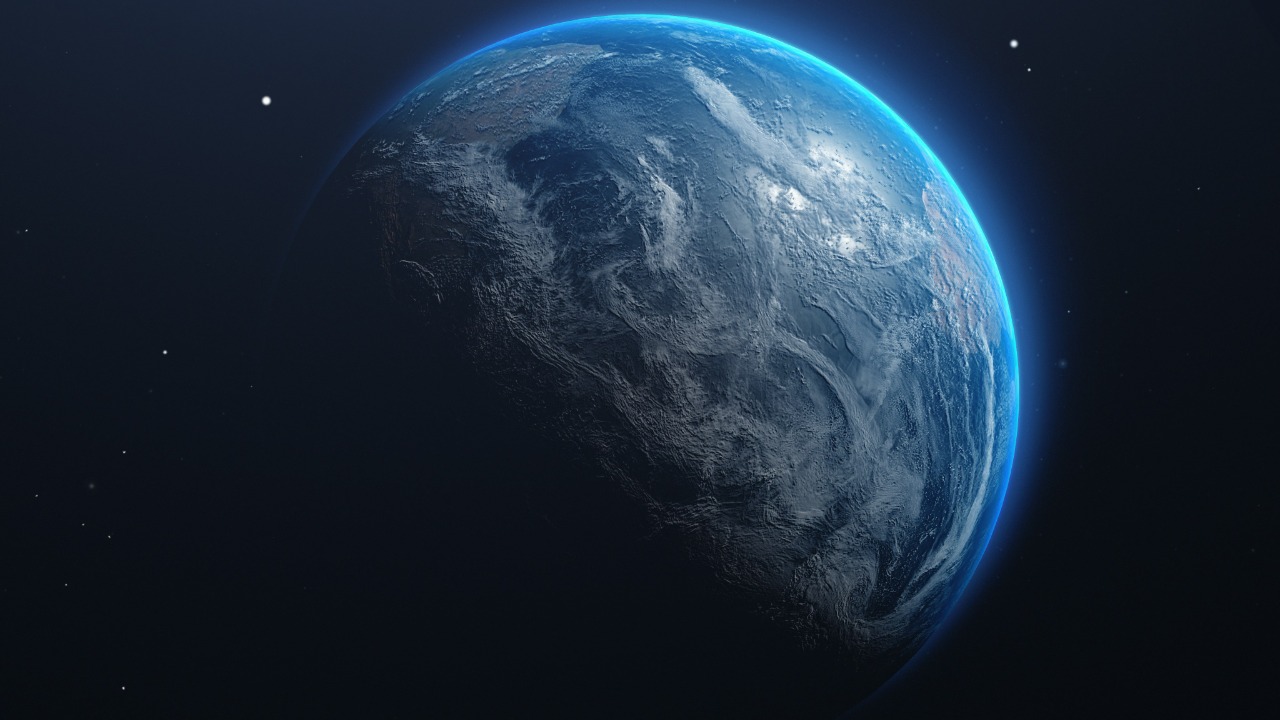
Understanding the Dimming of Earth
NASA’s latest measurements reveal that Earth is reflecting less sunlight back into space than it used to, a subtle but significant shift with profound implications for the climate system. As the planet's surface and atmosphere absorb more solar energy, this extra heat contributes to hotter summers, more extreme weather events, and an increasing imbalance in how energy moves between the hemispheres.
This darkening trend serves as a quiet yet powerful confirmation that human activity is reshaping the planet at a physical level, altering not just temperatures and storms but the very brightness of Earth when viewed from space. The data supporting this conclusion is precise, global, and increasingly difficult to ignore.
What NASA’s Satellites Are Actually Seeing
The starting point for understanding this shift is a fundamental physical property known as albedo—the fraction of incoming sunlight that Earth reflects back into space. NASA has been tracking this reflectivity using instruments like the Clouds and the Earth’s Radiant Energy System (CERES), which measure how much solar energy arrives at the top of the atmosphere and how much leaves again as reflected light or heat. These records show that the planet is now sending less sunlight back out, a finding that underpins the warning that Earth is getting darker and that the energy balance is being increasingly disturbed.
In practical terms, this means more of the Sun’s power is being stored in the oceans, land, and air instead of bouncing harmlessly away. This change is directly linked to rising greenhouse gas concentrations and shifts in cloud cover. NASA’s own analysis, highlighted in a recent study confirming that Earth is getting darker and reflecting less sunlight at the top of the atmosphere, frames this as a small numerical change with large implications for how quickly the planet warms and how much additional heat the climate system must now absorb to reach a new equilibrium.
How Scientists Know the Planet Is Dimming
To move from suspicion to certainty, researchers needed decades of consistent measurements, and that is where NASA’s CERES instruments have been crucial. By comparing long-term records of incoming and outgoing radiation, scientists have documented a clear decline in albedo that aligns with the idea that the Earth is getting darker. This trend, as shown by CERES evidence, has outsized climate consequences even though the percentage change looks small at first glance.
Independent analyses of those satellite records, along with complementary observations from ground-based networks and other space missions, have converged on the same conclusion that the Earth is getting darker. One detailed examination of falling reflectivity describes how the planet’s brightness is dimming and how that change is linked to altered rainfall patterns and a Northern Hemisphere that is now darker than its southern counterpart. This pattern reinforces the message from CERES that the Earth is getting darker and that the CERES evidence points to a change in reflectivity with an outsized impact on climate.
Why Earth’s Darkening Matters for Global Warming
Once more sunlight is absorbed instead of reflected, the basic physics of global warming do the rest. Extra incoming energy heats the surface and lower atmosphere, which then emit more infrared radiation that greenhouse gases such as carbon dioxide and methane trap, raising temperatures further. That feedback loop helps explain why scientists now warn that the Earth is getting darker, which could accelerate global warming, because a dimmer planet means more fuel for the very warming that is already driving ice melt, sea level rise, and more frequent heat waves.
Several recent analyses connect this dimming directly to the prospect of hotter summers in the years ahead, arguing that as the Earth gets darker, the additional absorbed energy will be especially evident during warm seasons when land surfaces heat quickly. One report notes that for more than two decades, the planet has been taking in more energy than it emits back into space, a persistent imbalance that sets the stage for more intense heat extremes and shifts in regional climate patterns.
The Role of Clouds, Ice, and Aerosols
Albedo is not a fixed property; it is the sum of many moving parts. The new research points to three main culprits behind the recent darkening: clouds that once acted like bright shields are becoming thinner or less frequent in key regions, sea ice and snow cover are retreating and exposing darker ocean and land, and tiny particles in the air are changing in both amount and composition. Together, these shifts help explain why the Earth is getting darker and why scientists now say there are three main causes behind the trend, with cloud changes and melting ice amplifying the warming that greenhouse gases started.
Earlier work on aerosol optical depths between 2000 and 2009 showed how a change from dimming to brightening, driven by pollution controls and evolving emissions, had important consequences for climate change by affecting the hydrological cycle and partly offsetting warming driven by CO₂ and other greenhouse gases. Now, as cleaner air reduces reflective particles and as clouds and ice respond to a warmer world, that earlier brightening is giving way to a new phase of darkening that removes some of the accidental cooling that aerosols once provided.
A Darker Northern Hemisphere and a Lopsided Planet
One of the more unsettling findings in the new data is that the darkening is not evenly spread across the globe. According to NASA, the northern hemisphere is losing light faster than the south, a pattern that could unbalance the environment by altering temperature gradients, storm tracks, and ocean circulation. This hemispheric contrast is seen as a sign that human-driven changes, concentrated in industrialized and rapidly warming northern regions, are now visible from space as a literal loss of planetary brightness.
Scientists warn that this imbalance also happens because the warmer Northern Hemisphere releases more heat into space even though both hemispheres receive roughly the same amount of sunlight, a mismatch that interacts with differences in aerosols, land use, and cloud cover. Reporting on how Earth has been getting darker over the past 20 years notes that it is because of a reduction in reflected light that the planet is darker, and that tiny particles in the atmosphere contribute to differences between the two hemispheres.
NASA’s New Study and What It Adds
The latest NASA work goes beyond earlier hints and offers a more definitive picture of how quickly Earth’s reflectivity is changing. A new NASA study has quantified the drop in albedo with improved precision, confirming that Earth is getting darker and tying that shift to specific changes in clouds, ice, and atmospheric composition. This is seen as a turning point, moving the conversation from whether the planet is dimming to how fast it is happening and what that means for climate targets.
That study builds on earlier CERES-based findings and on independent analyses that already showed a small but persistent decline in reflected sunlight at the top of the atmosphere. One detailed report on NASA’s latest discovery shows Earth is getting darker, framing the question as Earth is getting darker, but why, and what is next. Another account of a NASA study confirms that Earth is getting darker, describing how a small shift in albedo can have big consequences for rainfall and regional climate.
Why Cleaner Air Has Not Saved Us
One counterintuitive twist in this story is that the cleaner air achieved in many regions has not slowed the darkening trend and may even have contributed to it. For decades, industrial smog and sulfate aerosols acted like a reflective veil that bounced some sunlight back into space, partially masking the warming effect of greenhouse gases. As regulations and technology have reduced that pollution, the atmosphere has become more transparent, allowing more solar energy to reach the surface and reducing the accidental cooling that dirty air once provided.
Recent reporting notes that the cleaner air of recent decades has not helped either, and that the smog that used to blanket much of the industrialized world actually reflected sunlight and kept temperatures slightly lower, even as it harmed human health. Now, with that veil thinning, the climate system is more exposed to the full force of greenhouse gas-driven warming, prompting warnings that Earth is getting dangerously dark and that the line between stability and crisis is narrowing.
What a Darker Earth Means for Everyday Life
For most people, the idea that Earth is dimmer from space can feel abstract, but its consequences are anything but. A planet that absorbs more sunlight will see more intense heat waves, shifts in rainfall that can disrupt agriculture and water supplies, and changes in storm behavior that strain infrastructure and emergency systems. This is seen as a hidden driver behind the extremes that are already reshaping daily life, from record-breaking summer temperatures to unseasonal downpours and droughts.
Scientists who track these trends warn of future risks as Earth has been getting darker over the past 20 years, noting that the resulting energy imbalance can alter the hydrological cycle and deepen differences between regions and hemispheres. One analysis of how Earth is getting darker and why that has scientists worried points to three main causes behind the dimming and explains that the shift will affect our planet’s future by amplifying existing climate stresses.
How Scientists and Policymakers Are Responding
The recognition that Earth is getting darker is already shaping how scientists think about climate sensitivity and how policymakers weigh the urgency of cutting emissions. A strange finding, confirmed by NASA’s satellite data, shows that Earth is literally getting darker, and that realization is feeding into updated climate models that must now account for a lower albedo and a faster pace of warming. From this perspective, this adds another layer of urgency to efforts to reduce greenhouse gases, because it suggests that the planet is doing less of the work of reflecting sunlight on its own.
Some analysts have even linked the darkening trend to specific policy choices, arguing that technologies such as heat pumps can help reduce the fossil fuel use that drives both warming and changes in clouds and aerosols. At the same time, public-facing explanations are helping people understand that the Earth is getting darker and that NASA warns this has implications for humanity.
What Comes Next If the Trend Continues
If Earth continues to darken, the extra absorbed energy will keep stacking up in the climate system, making it harder to stabilize temperatures even if emissions fall. That prospect raises difficult questions about how quickly societies must move to cut greenhouse gases and whether additional measures, such as restoring reflective ice and snow or protecting bright cloud-forming aerosols in specific regions, might play a role.
Scientists who have examined the past two decades of data warn that the imbalance also happens because the warmer Northern Hemisphere releases more heat into space, even though both hemispheres receive the same amount of sunlight. One detailed account of how Earth has been getting darker over the past 20 years explains that tiny particles in the atmosphere contribute to differences between the two hemispheres and that those differences could grow if emissions and land use changes continue on their current path.
Why This Quiet Shift Deserves Public Attention
For all the drama of wildfires, floods, and heat waves, the slow dimming of Earth might be one of the most consequential climate stories unfolding today. It captures in a single metric how human activity is altering the planet’s basic physical properties, from the composition of the atmosphere to the extent of ice and the behavior of clouds. Focusing on albedo helps cut through abstract debates, as it is a direct measure of how much of the Sun’s energy we are now keeping instead of sending back into space.
Public-facing explainers have started to bridge that gap, with one widely shared piece on Earth is getting darker, NASA warns asking what that means for humanity and detailing how the Earth is reflecting less sunlight and why that matters for the potential consequences we face. Another account on Earth is getting darker and why that has scientists worried lays out the three main causes behind the trend and emphasizes that this quiet shift will affect our planet’s future in ways that touch everything from agriculture to infrastructure.
Seeing a Dimmer Earth as a Call to Act
In the end, the fact that NASA can now say with confidence that Earth is getting darker is not just a scientific curiosity, it is a call to rethink how quickly we are willing to change course. A planet that reflects less sunlight is one that will warm faster for any given level of greenhouse gas emissions, which means that every delay in cutting those emissions carries a higher cost than it did when the world was brighter.
This serves as a powerful argument for accelerating the transition to cleaner energy, more efficient buildings, and smarter land use, because those choices directly influence the clouds, aerosols, and ice that control our planetary reflectivity. Reports that NASA finds the planet is getting darker and that heat pumps are part of the answer highlight how specific technologies can help reduce the fossil fuel use that drives both warming and the atmospheric changes behind the dimming. At the same time, accessible explainers such as "NASA Just Confirmed Something Strange: The Earth Is Getting Darker" are helping to translate a complex radiative balance problem into a simple, unsettling image of a world that is literally less bright than it used to be.

Posting Komentar untuk "NASA's Data Reveals Earth Is Darkening"
Posting Komentar