
Smell Through Bones: New Secrets on Mammal Senses

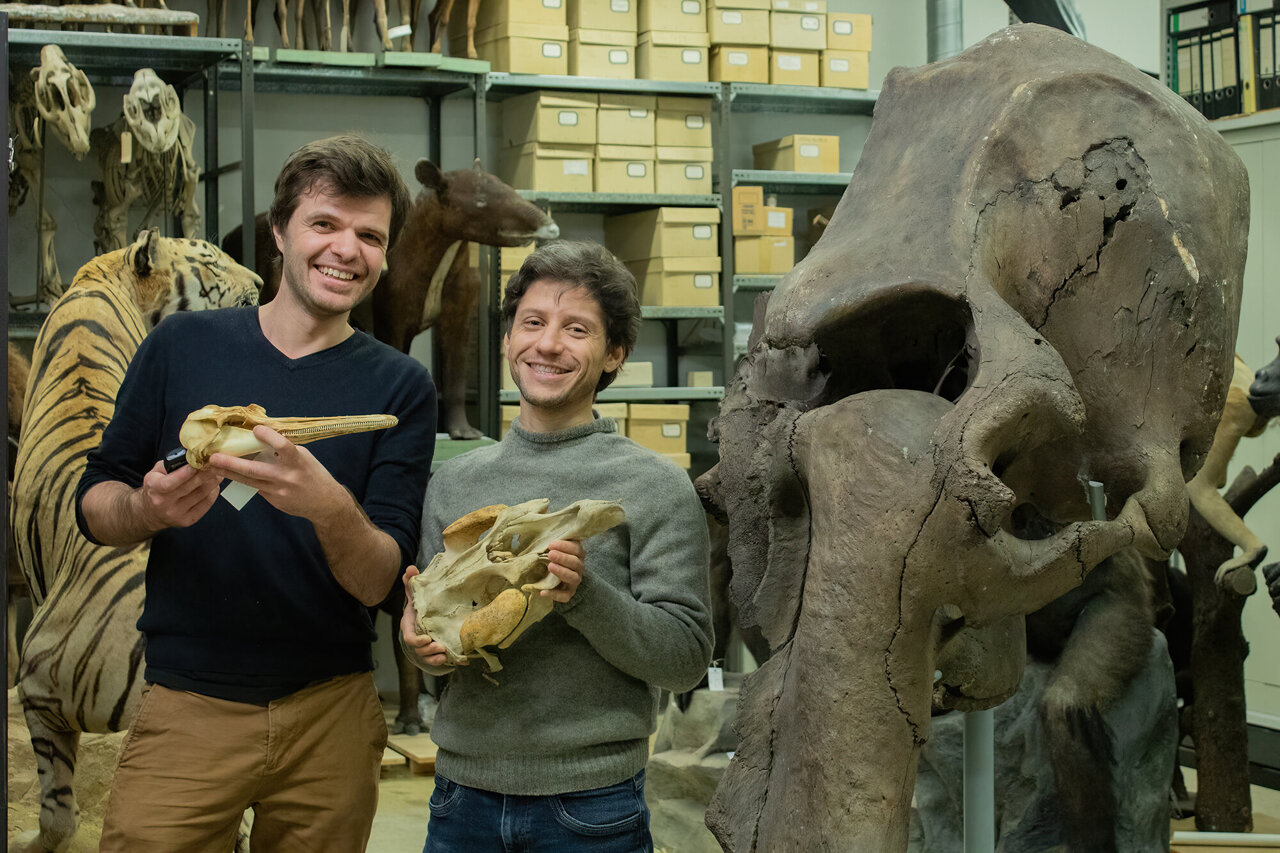
The sense of smell plays a crucial role in the lives of animals, influencing their ability to locate food, avoid danger, and engage in social interactions. A groundbreaking study led by Dr. Quentin Martinez and Dr. Eli Amson from the State Museum of Natural History in Stuttgart has revealed that specific regions of the brain skull can provide valuable insights into the olfactory capabilities of mammals. This discovery opens new avenues for understanding how ancient species perceived their environments through scent.
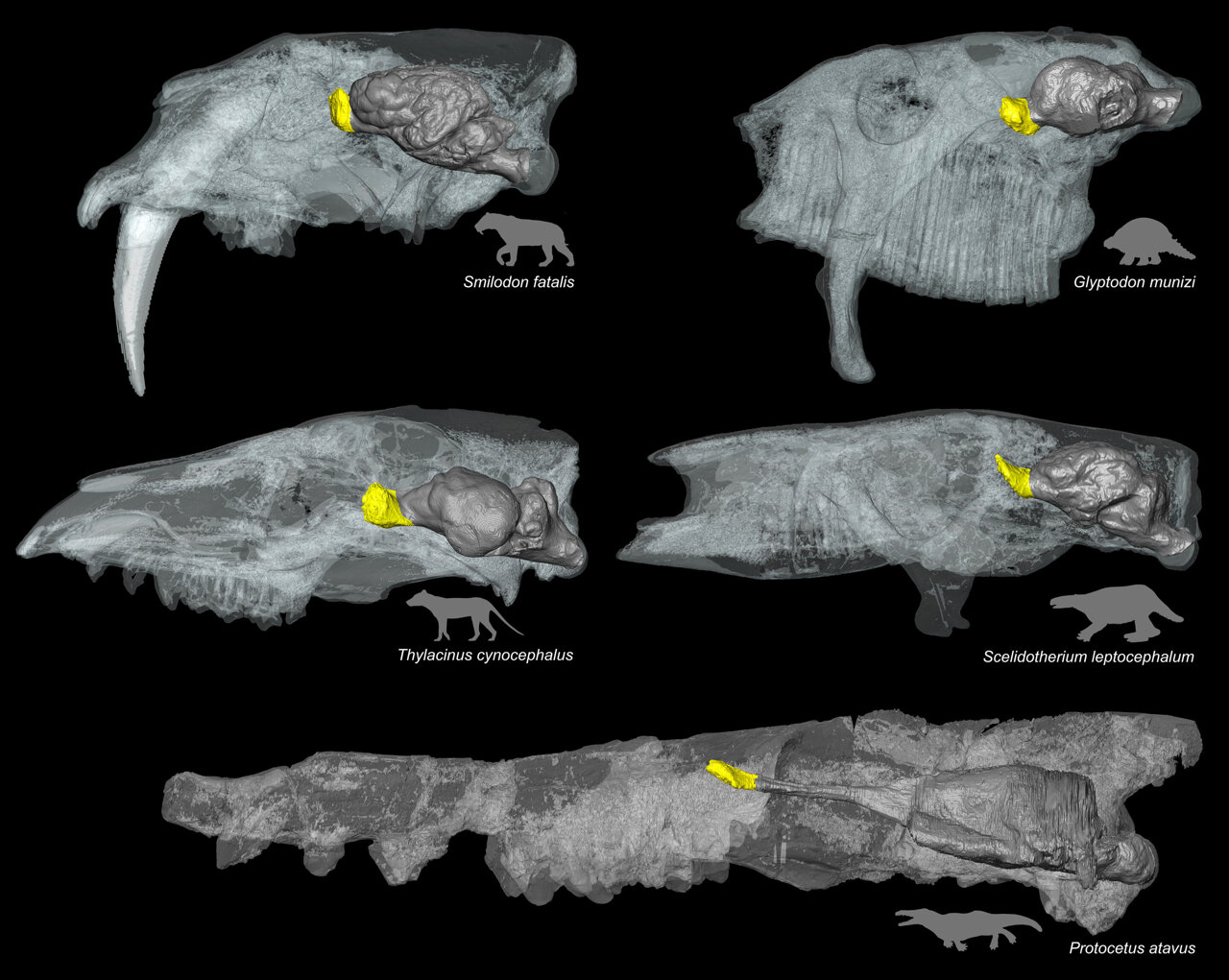

One of the most significant findings is the correlation between the volume of the endocast of the olfactory bulb and the number of intact odor receptor genes. The olfactory bulb is a bony structure within the skull that is often well-preserved in fossils. This volume serves as an important indicator of an animal’s sense of smell, allowing scientists to estimate olfactory abilities even in extinct species such as early whales, saber-toothed cats, and the Tasmanian tiger, also known as the thylacine.
This research, published in the journal Proceedings of the National Academy of Sciences, presents a reliable method for reconstructing the sense of smell in long-extinct mammals. It marks a major advancement in the field of paleontology and evolutionary biology.
From the Brain to the Genes: The Connection Between Anatomy and Genomics
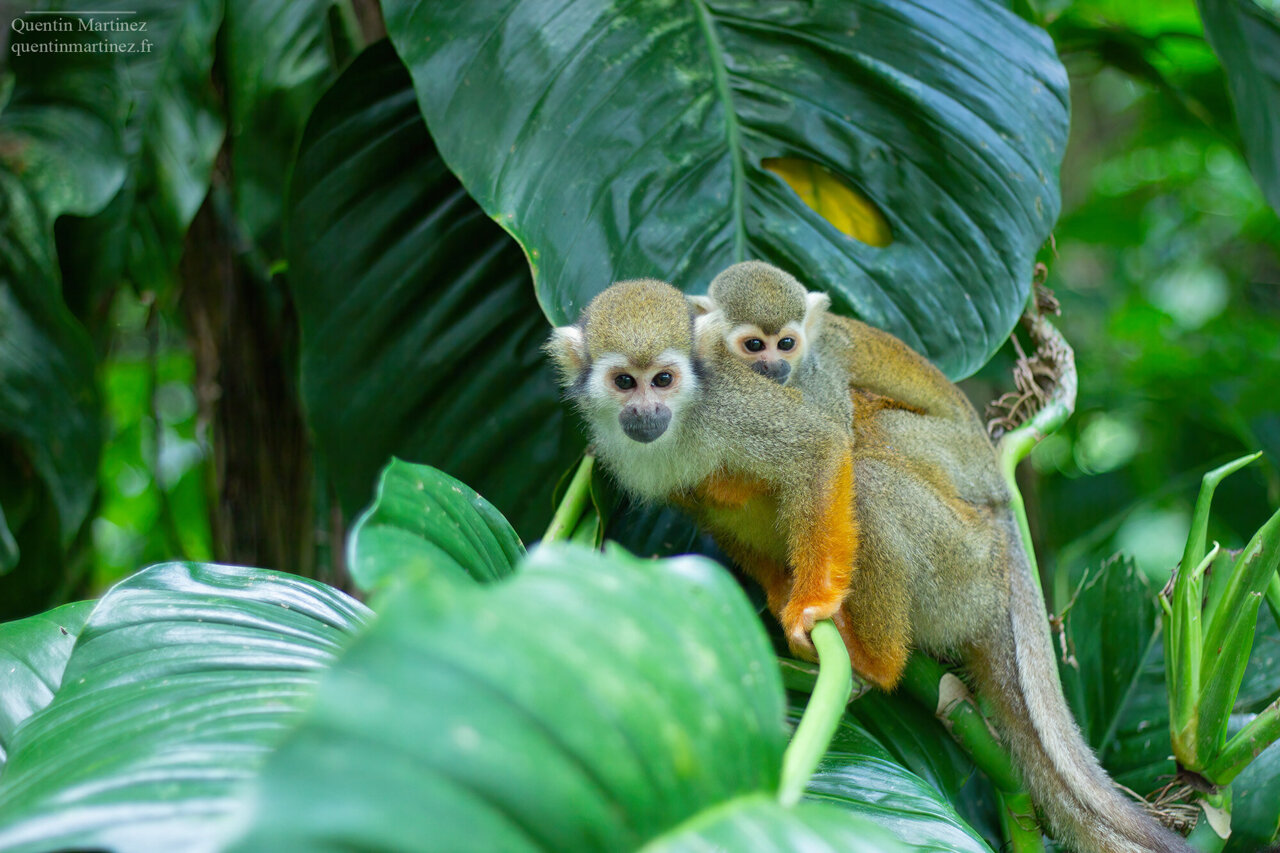
Understanding the development of the sense of smell in extinct animals remains a complex challenge for scientists. Since direct observation of these creatures’ behaviors is no longer possible, researchers rely on anatomical and genetic data. In mammals, the volume of the braincase cortex generally reflects the size of the brain. The current study shows that the size of the front part of the braincase—where the olfactory bulb is located—is closely linked to the number of functional odor receptor genes. This relationship offers a key insight into the evolution of the sense of smell.
Because the bony braincase is often well-preserved in fossils, this method allows scientists to reconstruct the olfactory capabilities of species that lived millions of years ago. This approach bridges the gap between anatomy and genomics, offering a more comprehensive view of sensory evolution.
Extensive Skull Analysis: From Shrews to Elephants
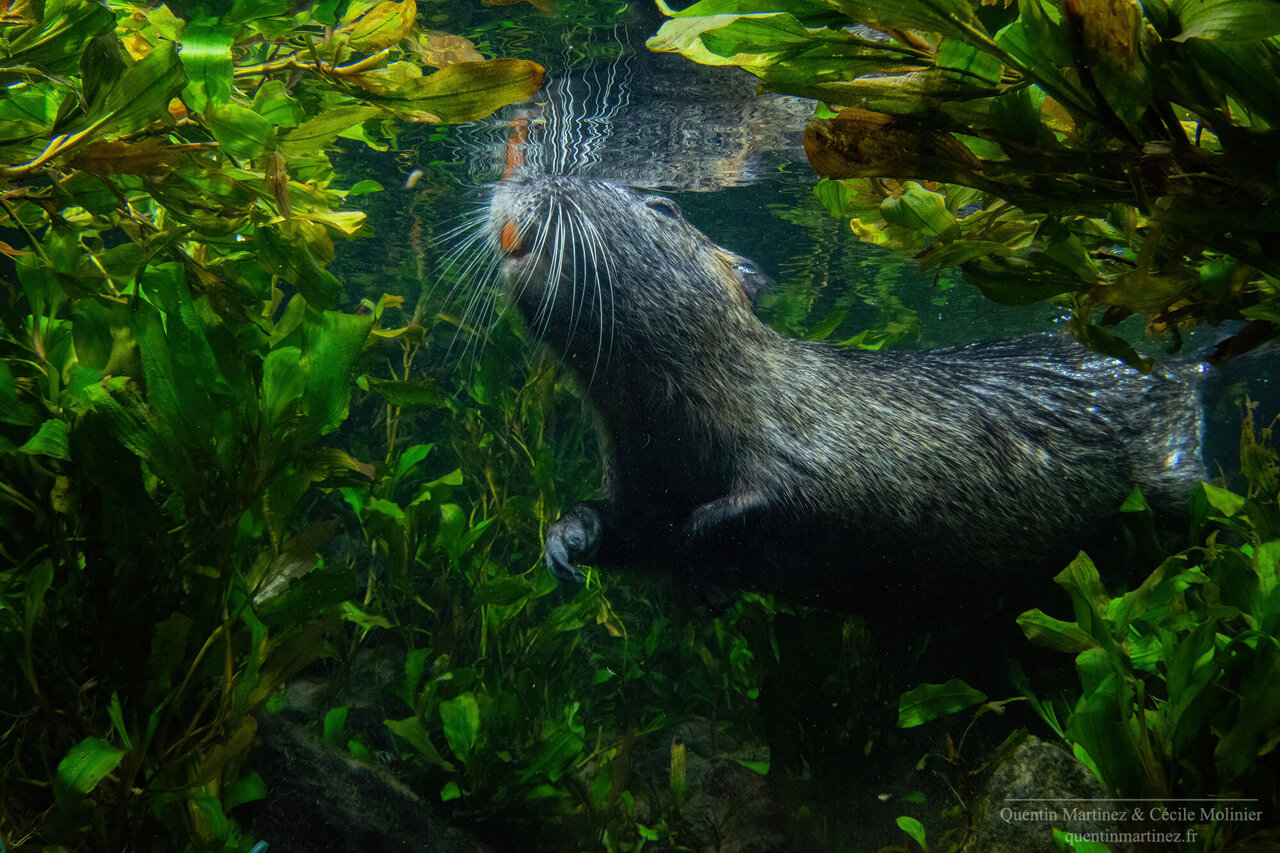
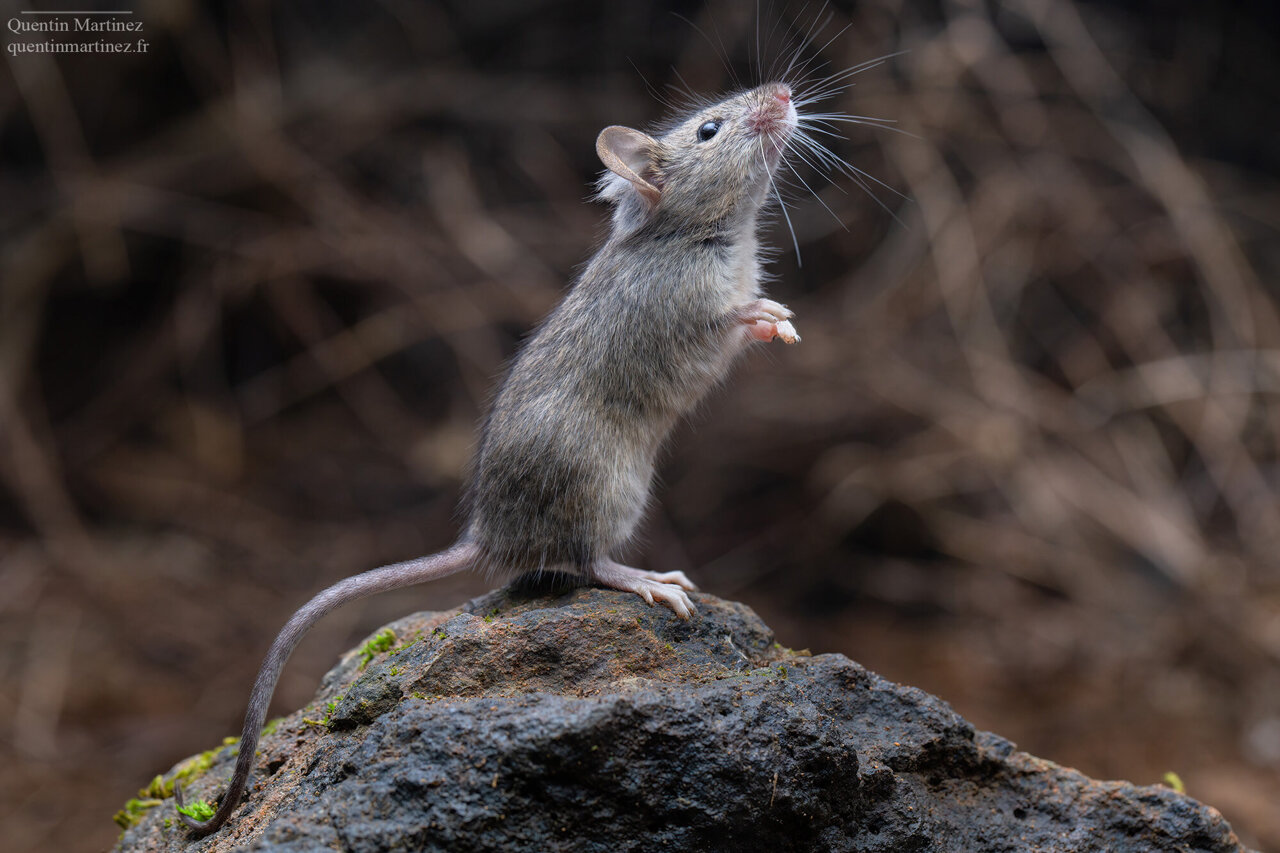
To conduct this extensive study, the research team analyzed skulls from all mammalian orders using advanced imaging techniques such as computed tomography (CT). Their samples ranged from the tiny ten-gram shrew to the massive five-ton African bush elephant. The team also examined the endocranium of elephants, whales, rhinos, primates, and numerous other species.
"Scanning extremely large skulls, especially those of elephants or whales, required specialized CT equipment and posed unique technical challenges," explains Dr. Eli Amson, a paleontologist at the State Museum of Natural History Stuttgart and an expert on fossil mammals. "It was quite an adventure to scan these massive structures."
What Could Extinct Mammals Smell?
By combining anatomical studies with genetic analyses, the researchers have been able to assess the olfactory abilities of various extinct mammals. They studied fossils of early whales from the Eocene, saber-toothed cats, and the Tasmanian tiger, among others.
"One of the most fascinating discoveries was that some early whales still had a clearly defined olfactory bulb. This suggests they had a strong sense of smell, which contrasts with modern toothed whales like dolphins, whose olfactory bulbs have significantly reduced over time. Early whales from the Eocene likely had a highly developed sense of smell," says Dr. Quentin Martinez.
A New Window on the Evolution of the Senses
This study provides a deeper understanding of how the sense of smell evolved across different species. By linking anatomical features of the skull with genetic information, it sheds light on the lifestyles and ecological adaptations of both modern and extinct mammals.
These findings offer a critical foundation for future research into sensory evolution. They also open up new possibilities for interpreting the paleoecology and behavior of ancient species, enhancing our knowledge of the natural world.
For more information, refer to the following source:
Martinez, Quentin, The olfactory bulb endocast as a proxy for mammalian olfaction, Proceedings of the National Academy of Sciences (2025). DOI: 10.1073/pnas.2510575122. doi.org/10.1073/pnas.2510575122.

Posting Komentar untuk "Smell Through Bones: New Secrets on Mammal Senses"
Posting Komentar