
SpaceX Satellites Spoil Space Observatory Images
The Growing Threat of Commercial Satellites to Space Astronomy
Commercial satellites orbiting Earth, primarily owned by Elon Musk's SpaceX, are increasingly interfering with images of the cosmos captured from both ground-based and space-based telescopes. A recent study published in Nature has highlighted that satellite trails could mar up to 96% of images taken by certain space-based telescopes over the next decade. Researchers have also found that a single image might contain as many as 92 streaks caused by these satellites.
Astronomers have long warned about the impact of SpaceX's Starlink satellite network on ground-based observatories, even though its primary goal is to provide global broadband internet access. However, this new study reveals that space-based astronomy is also under threat due to the increasing number of satellites in orbit.
According to data from astrophysicist Jonathan McDowell, more than 10,000 satellites are currently in orbit, with over 7,800 belonging to SpaceX's Starlink project. These satellites are part of what are known as "megaconstellations," and their numbers are expected to grow significantly as SpaceX aims to expand its fleet to around 34,000 satellites.
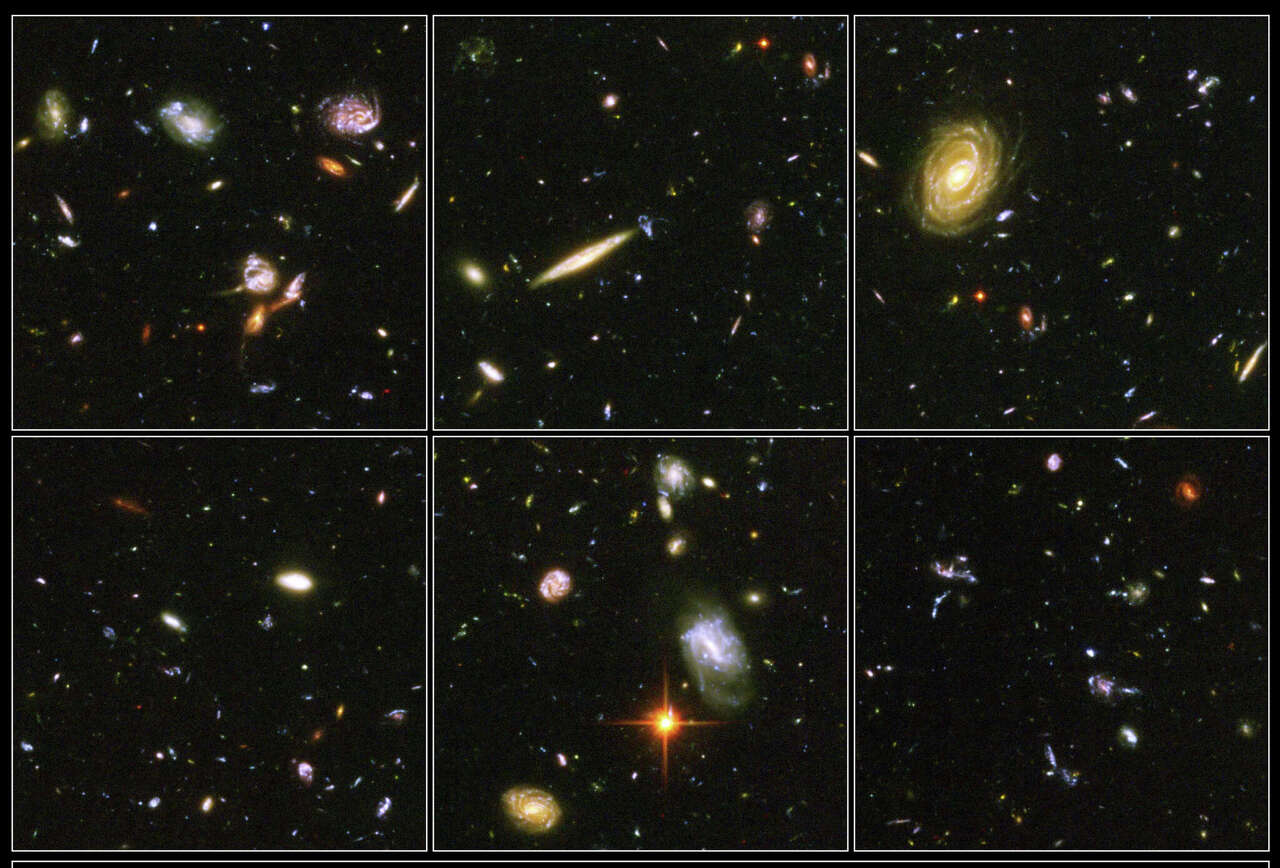
To understand the impact of these satellites on space-based astronomy, Alejandro Borlaff, an astrophysicist at NASA's Ames Research Center, and his team conducted computer simulations of the views from four low-Earth-orbit telescopes. These include the Hubble Space Telescope, NASA's SPHEREx Observatory, China's Xuntian Space Telescope, and the European Space Agency's ARRAKIHS mission.
The researchers created simulated space images, representing about 18 months of observations with varying numbers of satellites in orbit. They found that if the proposed number of satellites is launched, resulting in 560,000 satellites in orbit, their trails would contaminate one-third of the images from the Hubble Space Telescope. For the other telescopes, roughly 96% of their exposures would be affected.
Borlaff explained in a news release that the consequences could be significant: "fewer discoveries, less interesting images and, in general, less knowledge." He also pointed out that satellites could be mistaken for asteroids or that a real asteroid might go undetected. Additionally, satellite streaks could make it harder to detect rare cosmic phenomena.
Beyond the visual interference, researchers have noted other environmental impacts of these satellites. When they re-enter Earth's atmosphere and burn up, they leave behind small particles of aluminum oxides, which can contribute to the depletion of the ozone layer.
SpaceX has not responded to requests for comment. However, the company has previously addressed concerns by placing hundreds of satellites at a lower altitude, claiming this would reduce their impact on optical astronomy. By adjusting the height above Earth's surface to 350 kilometers instead of the usual 550, SpaceX claims there was nearly a 60% reduction in images captured at the Vera Rubin Observatory in Chile containing illuminated satellites.
Some experts believe that only a fraction of the proposed satellites may actually reach orbit in the coming years. It is also possible that telescope cameras could be designed to take shorter exposure images, which might lessen the impact of satellites on astronomical observations. However, some astronomers remain skeptical about the ability to effectively mitigate the effects of megaconstellations.
Meanwhile, SpaceX continues its operations, recently announcing that its Falcon 9 rocket had launched 28 Starlink satellites from California.
Other News Stories
- City of Sugar Land to debut outdoor social district
- Buc-ees gets 'dump report' bathroom review
- New $500k bar concept expected at IAH
- Why the internet loves Creed's Thanksgiving Dallas Cowboys concert
For the latest and best from HAWXTECH.NET, sign up for our daily newsletter here.

Posting Komentar untuk "SpaceX Satellites Spoil Space Observatory Images"
Posting Komentar