
Speed doesn't hide jets—it reveals them, here's why
The Challenges of Early Stealth Aircraft
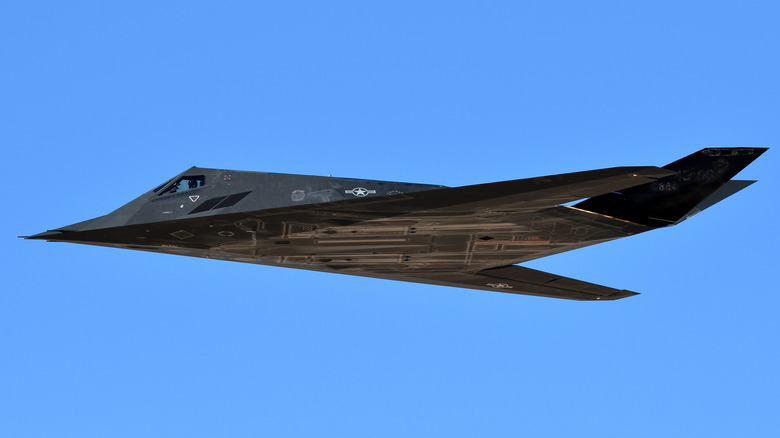
Military fighter jets are among the fastest aircraft in the history of aviation. However, for some of these planes in the early 1990s, their incredible speed made them vulnerable to enemy radar detection. One notable example is the F-117 Nighthawk, an early-era stealth fighter jet that is now retired but was still in operation at the time. This aircraft generated significant heat and aerodynamic fluctuations while in flight, which essentially revealed its position in the sky, especially when flying at very high speeds. When this occurred, the fighter's ability to remain hidden was compromised.
The issue stemmed from the design of stealth aircraft. The combination of the plane's shape, the use of radar-absorbent materials, and its exhaust created a distinct signature. This signature became more noticeable as the fighter jet flew faster, eventually becoming fully detectable on radar. Additionally, improvements in enemy radar capabilities made it even harder for these aircraft to stay hidden. As a result, pilots were forced to fly below supersonic speeds to avoid detection, which was the only way they could maintain any degree of stealth and ensure their safety.
Another stealth aircraft, the B-2 Spirit, faced similar challenges. Like the Nighthawk, it did not have afterburners, which was a deliberate design choice aimed at reducing the radar footprint left by the plane. However, this focus on stealth limited the aircraft's effectiveness, as it avoided high-speed maneuvers. Pilots had to follow a narrow flight path, and any deviation from that could lead to serious consequences.
The Evolution of Stealth Aircraft
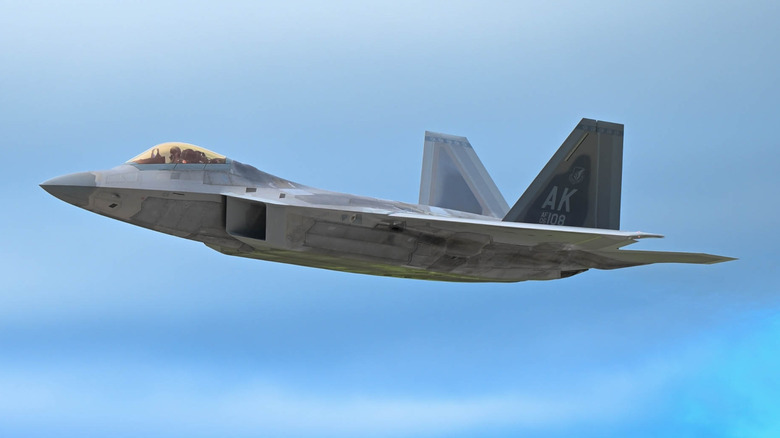
While early stealth aircraft had to make trade-offs to remain hidden, the technology advanced significantly over the years. Jets became more sophisticated thanks to improvements in airframe design and exhaust systems, allowing fighters to maintain speed without sacrificing stealth. By 2005, engineers had addressed many of these issues, as the new F-22 Raptor emerged as the stealthiest fighter jet ever built.
Radar-absorbing materials were also enhanced, and engine placement was redesigned, giving pilots greater flexibility in maneuvering. This eliminated the need to stay within the narrow flight envelopes that once restricted them. As a result, these aircraft overcame their previous limitations while retaining the advantage of stealth, which was central to their design.
Today’s modern stealth fighters represent the pinnacle of aerospace technology. The F-22 Raptor remains an elite fighter, equipped with powerful engines that allow it to maintain supersonic flight without relying on afterburners. The F-35 Lightning II, one of the 17 best fighter jets in the world today, is equally impressive. It is capable of handling a wide range of missions, including air-to-air combat and strike operations. Both of these aircraft exemplify how far stealth technology has come, showcasing the advancements that have been made in the field.
For those interested in staying updated on the latest developments in technology and automotive trends, there are numerous resources available. Subscribers can receive regular updates through a free newsletter that delivers the latest headlines, expert guides, and how-to tips directly to their inbox. Additionally, users can add trusted sources to their preferred search list on Google for easy access to the most relevant information.

Posting Komentar untuk "Speed doesn't hide jets—it reveals them, here's why"
Posting Komentar