
Stony Diet: 120-Million-Year-Old Bird Fossil Reveals Choking Death
Uncovering the Tragic Fate of an Ancient Bird
Fossil remains of a bird that lived around 120 million years ago have provided a rare glimpse into how it met its end. Paleontologists at Chicago’s Field Museum have determined that a cluster of stones lodged in the ancient bird’s throat likely caused it to choke to death. This discovery offers a unique insight into the life and death of this long-extinct species.
The sparrow-sized fossil was found in the collection of the Shandong Tianyu Museum of Nature in China. Jingmai O’Connor, associate curator of fossil reptiles at the Field Museum and lead author of the study, first noticed these fossils and immediately recognized them as a new species. The bird, named Chromeornis funkyi, shares features such as large teeth at the end of its beak with the larger Longipteryx. The creature was named after the techno-funk duo Chromeo, one of O’Connor’s favorite bands.

The Puzzle of the Stones
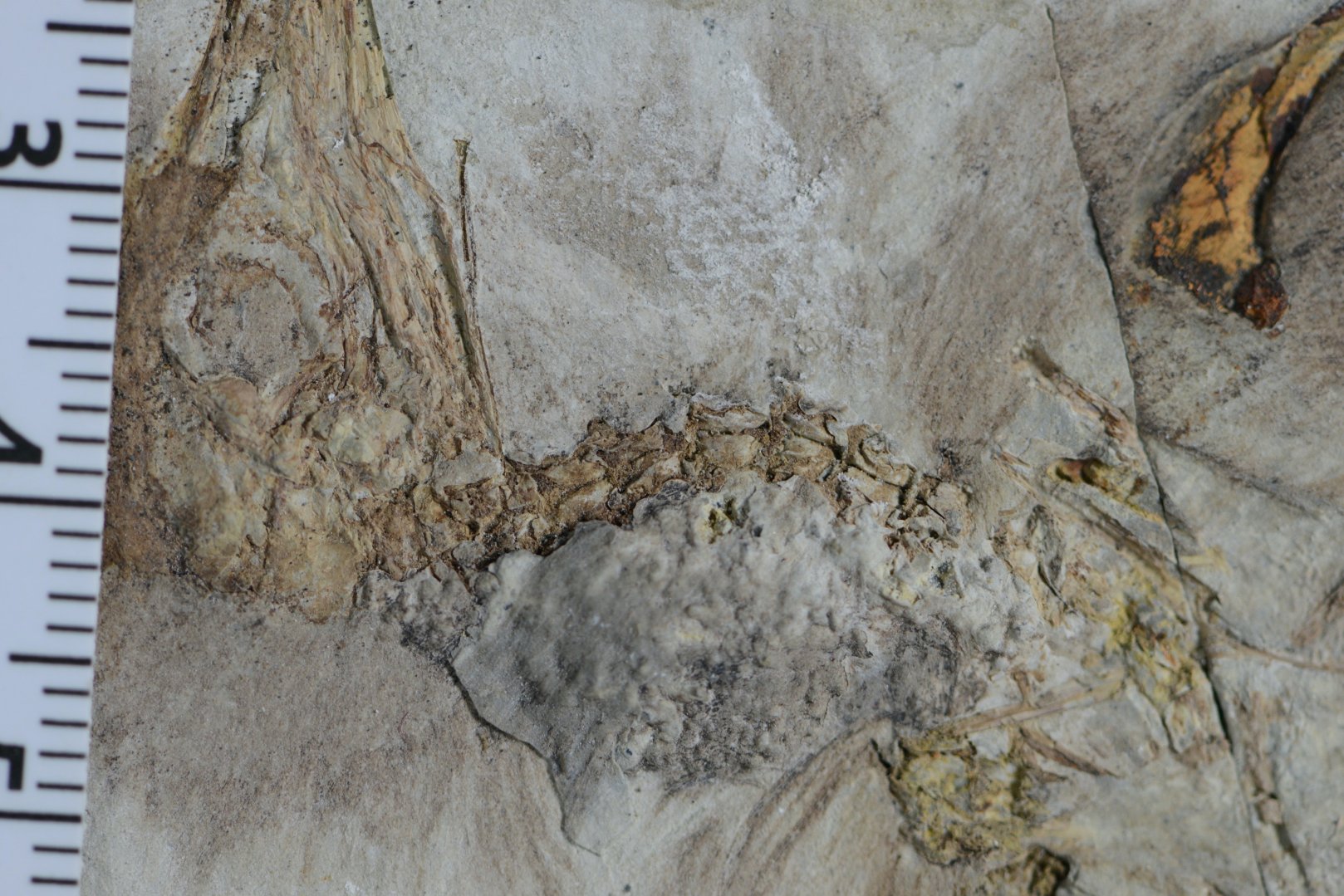
The fossil contained a large mass of over 800 tiny stones and clay balls lodged in its esophagus (throat). This discovery was puzzling because such a finding—a mass of stones in an animal’s throat—is uncommon in the fossil record. The location and chemical makeup of the rocks confirmed they were gastroliths (swallowed stones) ingested by the bird during its lifetime, not rocks that settled near the body after death.
While many animals, including some modern birds like chickens, swallow stones for digestion, O’Connor noted that no other fossil birds in this particular group had ever been found with gizzard stones. CT scans were conducted to determine if this was an exception. The analysis confirmed the cluster of rocks in the bird’s throat was definitely not gizzard stones.
“We found over 800 tiny stones in this bird’s throat—way more than we would have expected in other birds with gizzards. And based on their density, some of these stones weren’t even really stones; they seemed to be more like tiny clay balls,” said O’Connor.
“With these data, we can very clearly say that these stones weren’t swallowed to help the bird crush its food,” the author added.
A Sick Bird’s Final Moments
Researchers proposed a tentative hypothesis regarding the ingestion. The bird was sick, and ill birds often exhibit unusual behavior, such as eating stones. The hypothesis posits that the sick bird swallowed an excessive amount of stones and then attempted to regurgitate them in a single large mass. Unfortunately, this mass proved too large, becoming lodged in its esophagus and ultimately causing it to choke.
“But even though we don’t know why this bird ate all those stones, I’m fairly certain that regurgitation of that mass caused it to choke, and that’s what killed that little bird,” said O’Connor.
What makes this finding unusual is that no other fossil animal has ever been discovered with stones in its throat. Moreover, the new species finding is significant because it belongs to the enantiornithines, the most prevalent group of birds during the Cretaceous period. This group went entirely extinct when the asteroid struck 66 million years ago, unlike the lineage that led to modern birds.
Paleontologist O’Connor notes that studying why the enantiornithines were successful yet vulnerable can help scientists understand and predict the course of the current mass extinction event, ultimately informing modern conservation efforts. The study was published in the journal Palaeontologica Electronica.

Posting Komentar untuk "Stony Diet: 120-Million-Year-Old Bird Fossil Reveals Choking Death"
Posting Komentar