
Study Seeks to Bolster In-Person Voting Machine Security
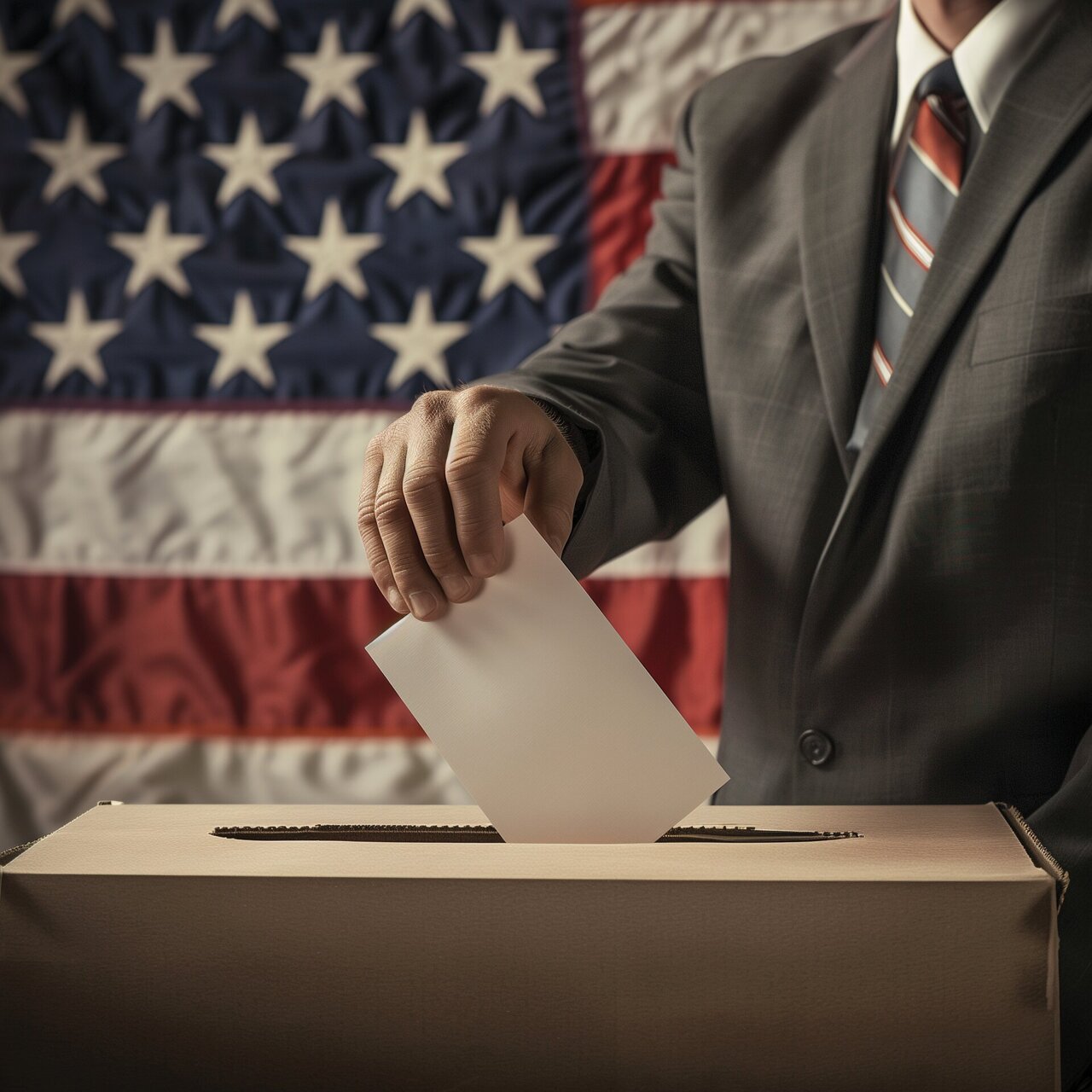
In the 2024 presidential election, approximately 70% of Americans cast their votes in person, with their ballots processed by machines known as Precinct Count Optical Scanners (PCOS). Researchers at Towson University have undertaken a thorough examination of potential vulnerabilities within these systems, aiming to assist local officials in identifying and addressing risks effectively.
This research was showcased at the annual meeting of the Society for Risk Analysis, which took place from December 7 to 10 in Washington, D.C. Natalie M. Scala, Ph.D., a professor in the College of Business and Economics and co-director of the Empowering Secure Elections Lab at Towson University, emphasized the complexity of in-person voting compared to mail voting. She noted that this complexity introduces more points where issues can arise.
How researchers mapped voting vulnerabilities
To address these concerns, Scala's team developed custom software designed to map out "what-if" scenarios related to PCOS threats. Their Threat Modeling Analysis Tool visualizes and evaluates over 70,000 unique vulnerability pathways throughout the PCOS voting process, including setup, voting, and teardown phases. For instance, a flowchart illustrates how an unauthorized change could occur within a local device.
"Our model highlights each possible path in a scenario, allowing us to identify weak spots and understand where additional protection would have the most significant impact," said Scala. "Seeing all those routes mapped out revealed the importance of securing every link in the process—not just the machines themselves."
The researchers also conducted a sensitivity analysis to determine which security issues could most significantly affect the integrity of the election process. This approach helps local election officials prioritize their time and resources on the most critical fixes.
Key findings on security vulnerabilities
The study identified several key areas where security vulnerabilities are most influential:
- Procedural or human-factor vulnerabilities: Ineffective poll-worker briefings and inconsistent interpretations of unclear markings emerged as major contributors to error likelihood. These issues stem from training and communication gaps rather than technical flaws.
- Usability and interaction with voting equipment: The way people interact with scanners is crucial. Mistimed feeds, misalignment, or confusion about prompts can lead to delays or errors. These are simple, correctable issues that become significant under Election Day pressure.
- Device handling and logistics: Unsecured or corrupt flash drives, unplugged or cut cables, and unsecured ports remained significant regardless of how the researchers adjusted the relative importance of different factors. This underscores the need for chain-of-custody checks and equipment protections.
The study highlighted that small procedural gaps can have large consequences. "It's not always about software or code," explained Scala. "Sometimes it's about missing paperwork or incomplete chain-of-custody documentation. Our work showed that tightening these everyday details greatly improves overall election security."
Next steps for practical application
The team is currently developing an interactive version of the model, enabling election officials to explore "what-if" scenarios within their own voting processes. This tool will demonstrate how even minor procedural improvements can enhance overall security.
They have also initiated a new phase of research focusing on how total election risk changes when various mitigations are introduced into the process. This work aims to identify which safeguards have the most significant impact and where resources should be allocated.
"The long-term goal is to transform this research into a practical tool that election officials can use to visualize, measure, and manage risk before it becomes a problem," said Scala.

Posting Komentar untuk "Study Seeks to Bolster In-Person Voting Machine Security"
Posting Komentar