
The Eurofighter Typhoon's High-Stakes Mission
Key Points and Summary
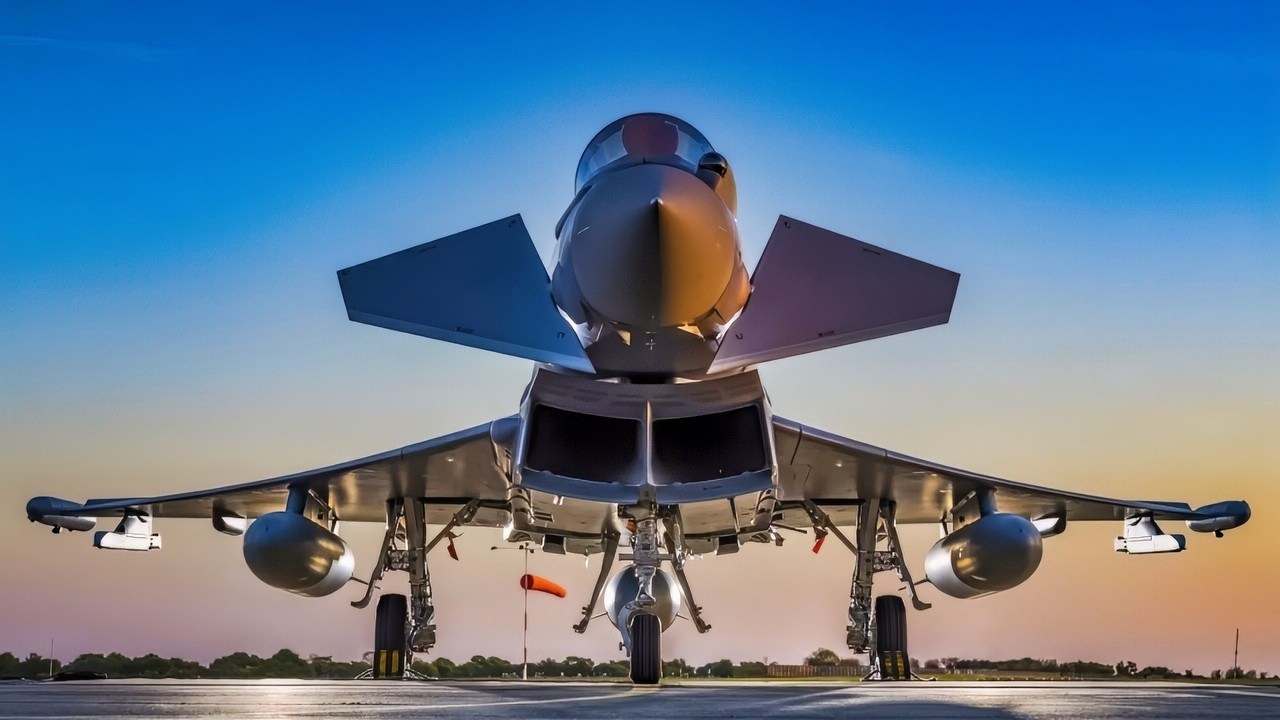
The Eurofighter Typhoon started as a dedicated air-superiority dogfighter, but evolving security challenges and budget constraints have transformed it into something far more versatile. Rather than becoming obsolete, the jet has undergone continuous upgrades, evolving into what is now known as the "Super Typhoon." These enhancements include improvements in sensors, engines, weapons, and electronic warfare capabilities, allowing the Typhoon to transition from a pure fighter to a multirole platform.
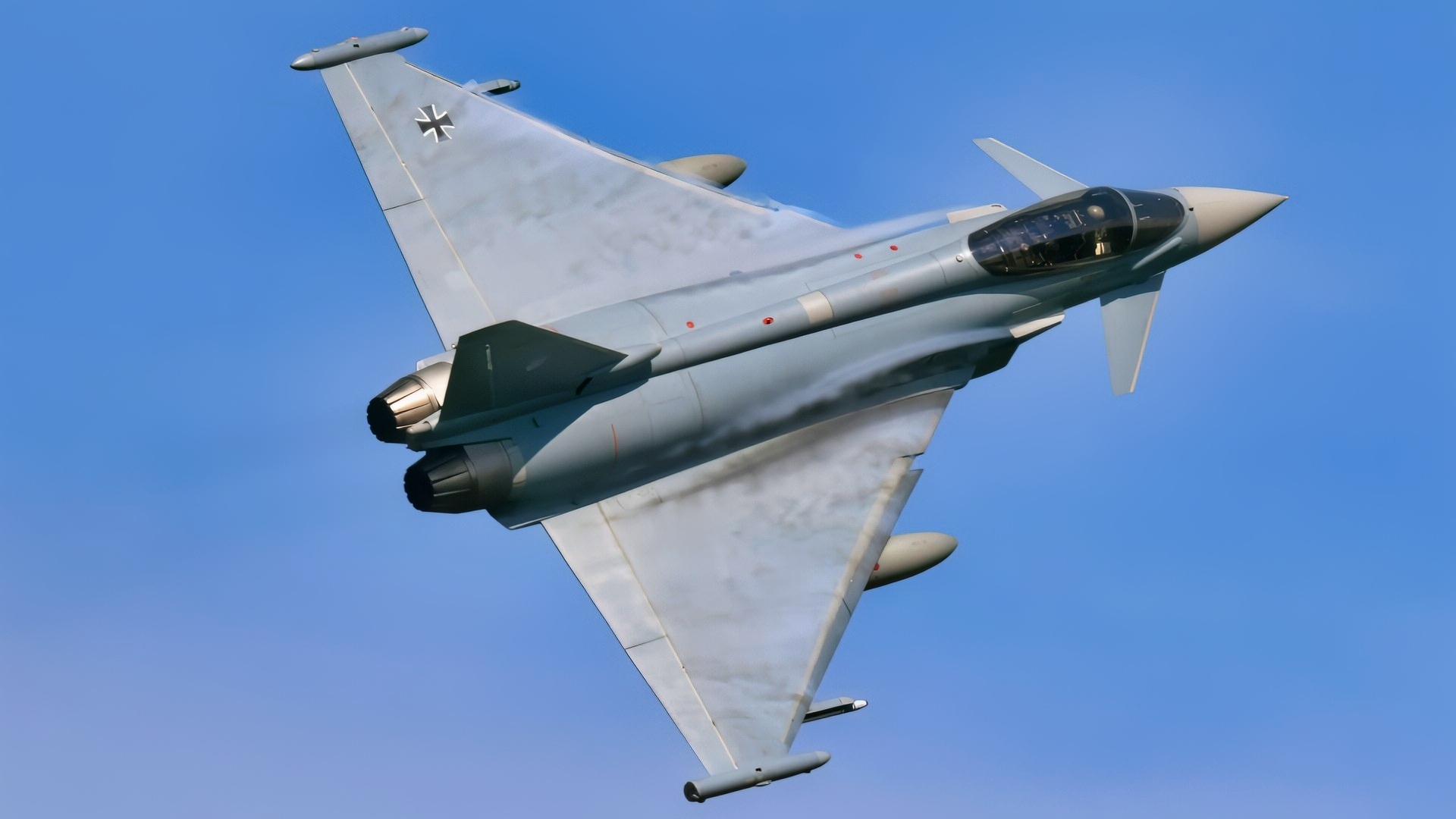
With the integration of the ECRS AESA radar, more powerful EJ200 engines, and advanced missiles such as Meteor, Storm Shadow, and Taurus, the Typhoon is being redefined as a 4.5-generation aircraft. For Europe, this upgrade is not only an industrial lifeline but also a critical bridge—providing a combat-credible option until sixth-generation fighters like the FCAS become available in the 2040s.
Super Eurofighter Typhoon: How Europe Turned the Eurofighter Into a 4.5-Gen Beast
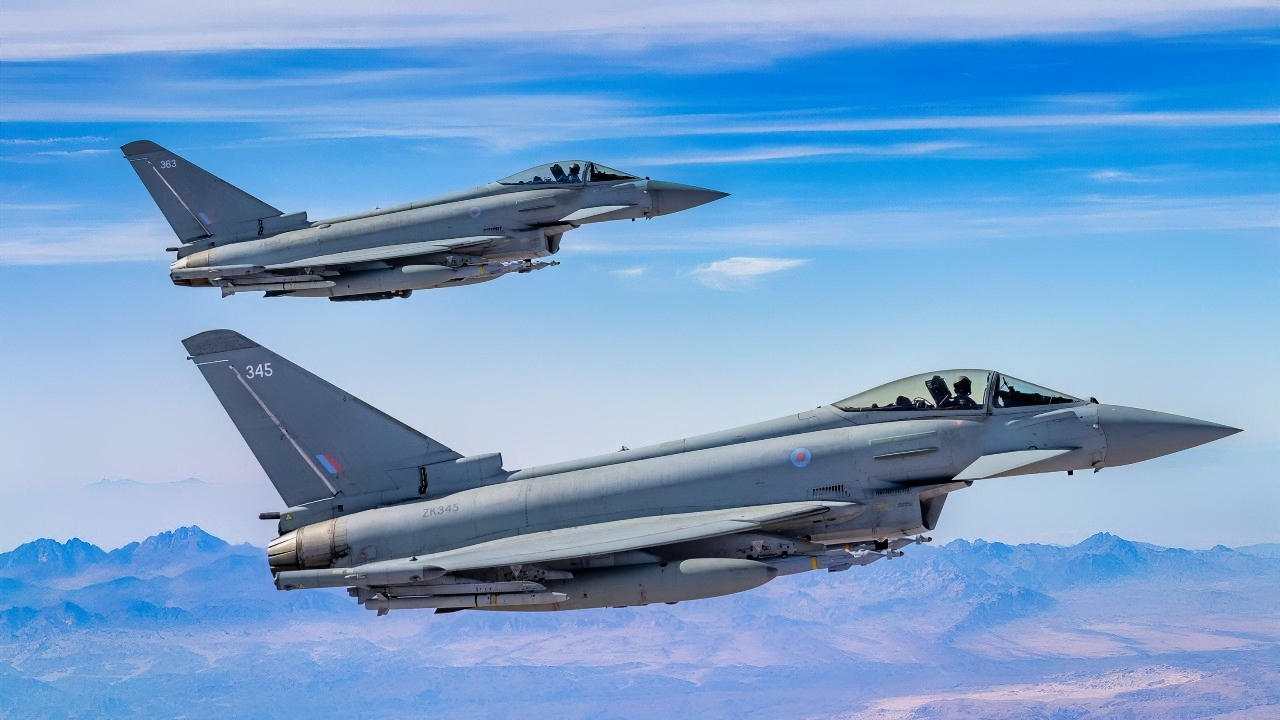
When the Eurofighter Typhoon entered service in the early 2000s, its primary role was air dominance, optimized for dogfighting and high-altitude interception. However, over the past two decades, the platform has evolved to serve multiple roles.
Rather than fading into obsolescence, the Typhoon continues to receive upgrades, effectively transforming it into a fourth-generation-plus aircraft. These upgraded versions are referred to as the "Super Eurofighter Typhoon."
Despite these changes, the Super Typhoon is not a single, fixed platform. Instead, it represents a continuous evolution of upgrades designed to maintain the Typhoon's competitiveness until a European sixth-generation fighter arrives.
Historical Context
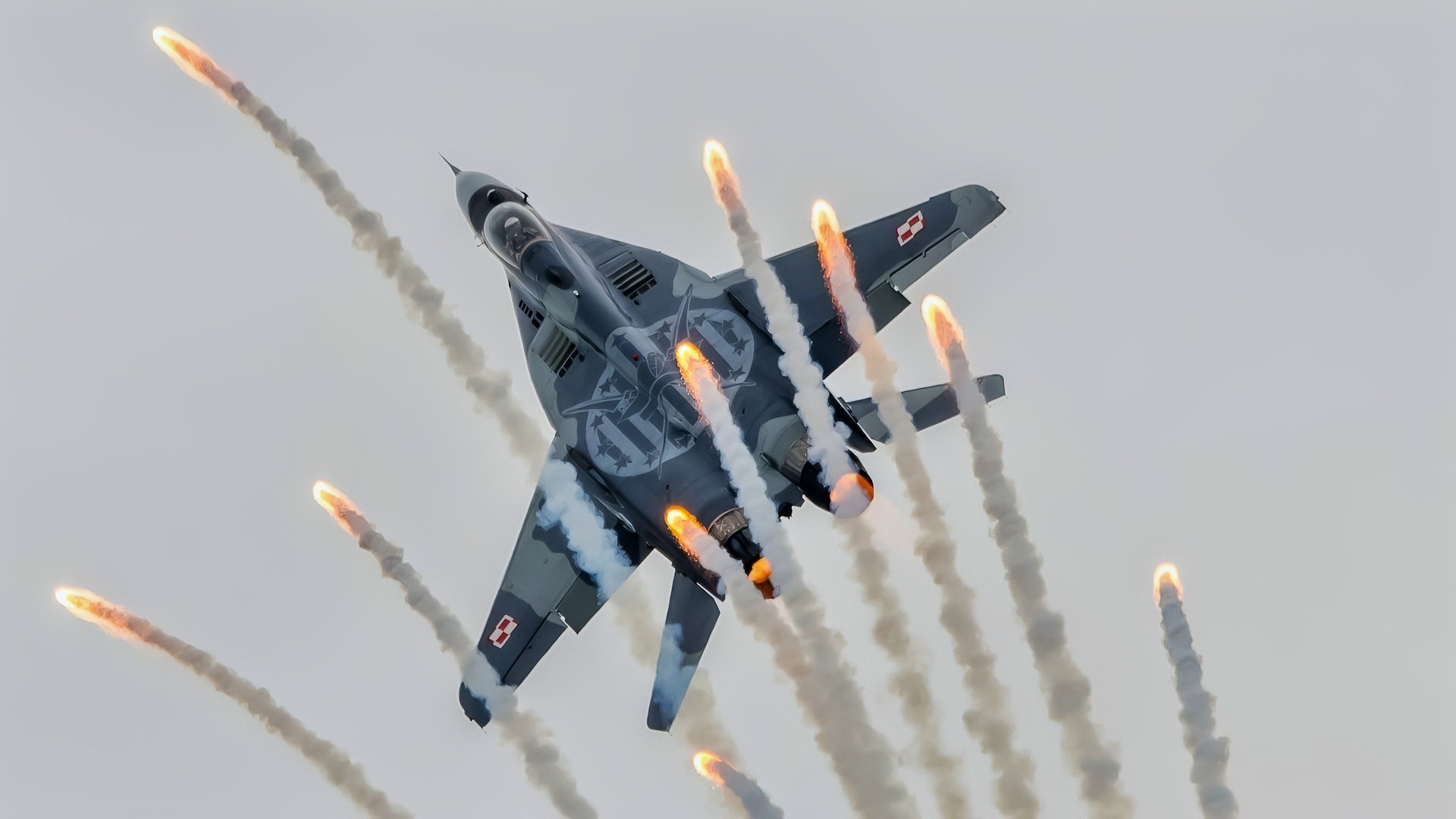
The Typhoon was developed through a collaborative program involving the UK, Germany, Italy, and Spain. It was conceived during the late Cold War as a response to advanced Soviet fighters like the MiG-29 and Su-27. However, program delays prevented the Typhoon from serving during the Cold War, with its entry into service delayed until the turn of the century.
At that time, the need for pure air-dominance fighters had diminished due to the collapse of the Soviet Union. As a result, the Typhoon was modified from its original function as a dogfighter with agility and climb rates comparable to the American F-15 into a multirole fighter.
The Typhoon was powered by two Eurojet EJ200 turbofans, each producing 20,000 pounds of thrust. With a Mach 2 speed, a 1,800-mile range, an 800-mile combat radius, and a service ceiling of 55,000 feet, the Typhoon was built with impressive performance specifications.
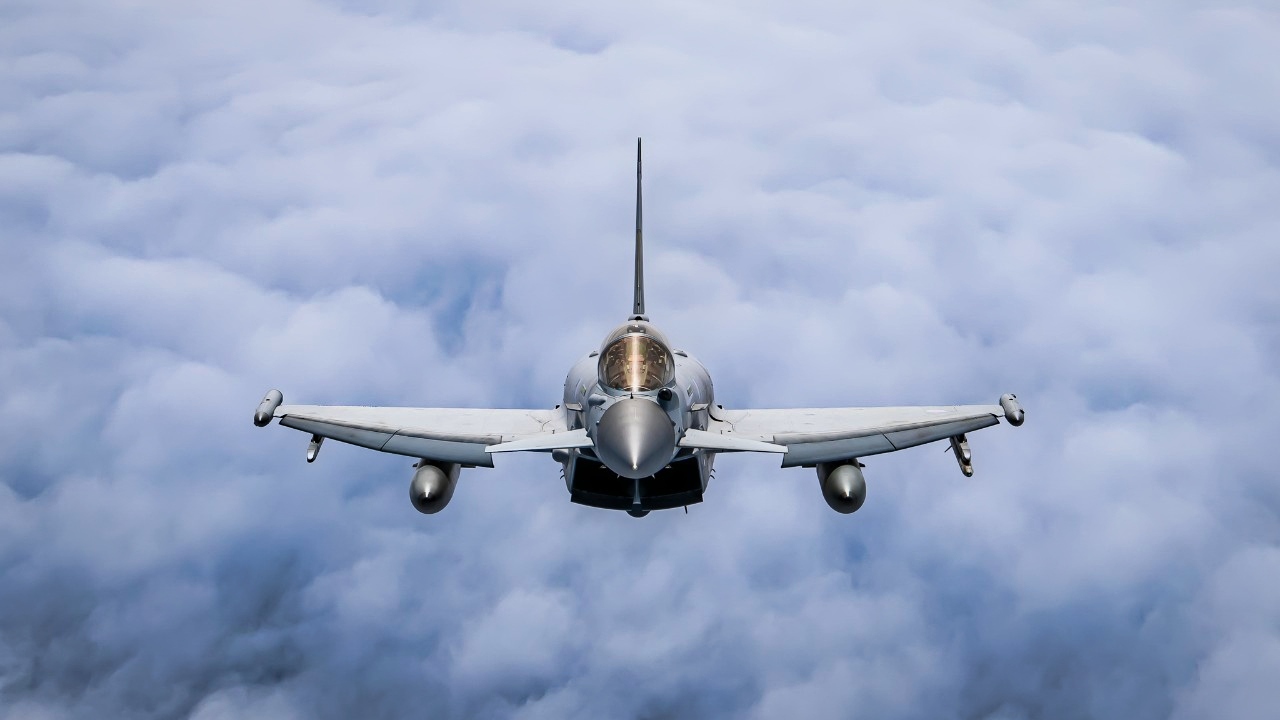
Its delta wing-canard design and high thrust-to-weight ratio gave it exceptional acceleration and maneuverability. With 13 hardpoints, the Typhoon could carry a payload of up to 16,500 pounds. These performance metrics have ensured the Typhoon remains a valuable asset worth investing in and upgrading over the years.
Why Upgrade?
Developing new fifth- or sixth-generation aircraft from scratch is one of the most complex and costly endeavors a nation can undertake. Only a few countries worldwide have the resources and expertise to successfully develop such platforms.
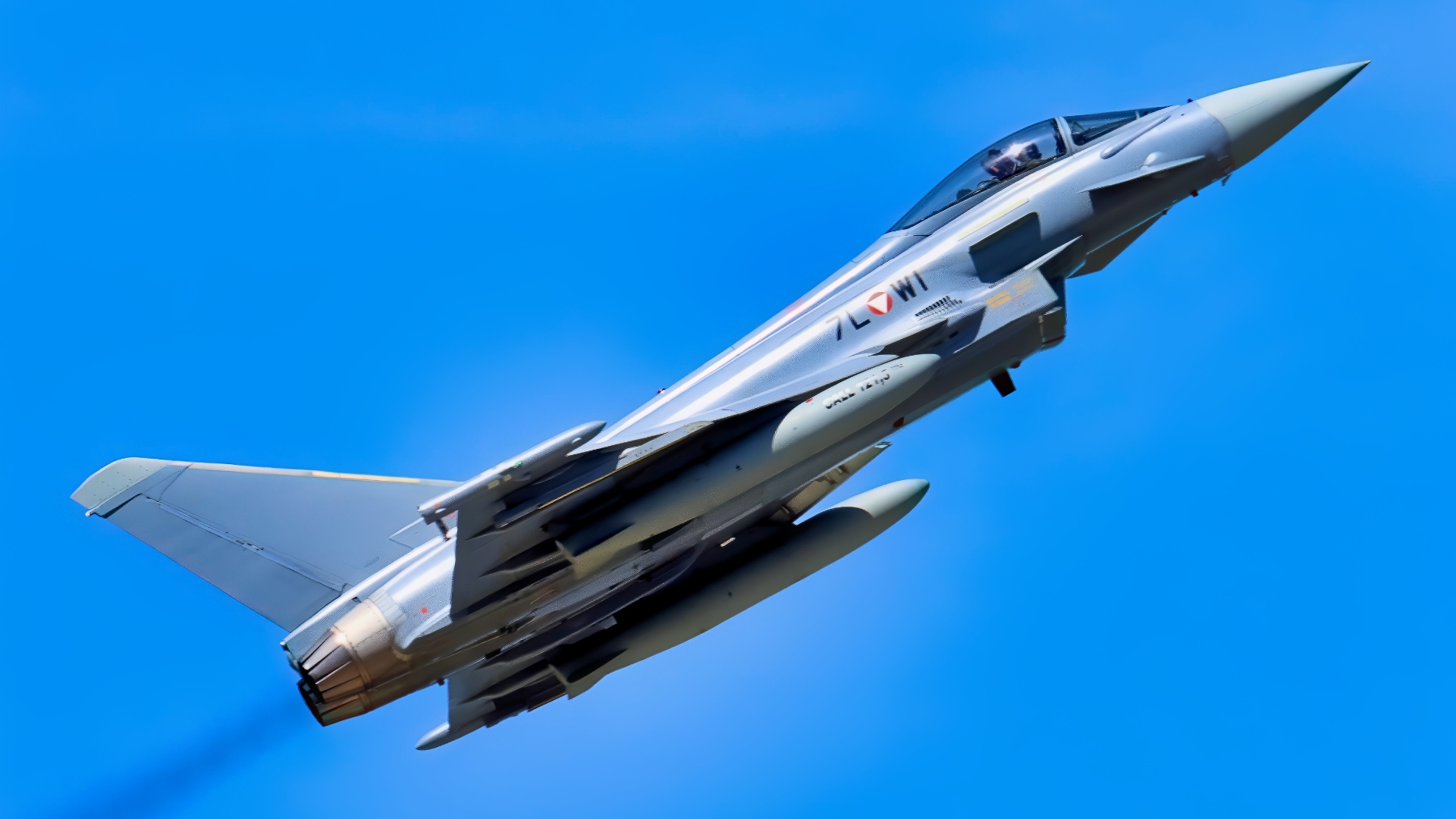
Europe is currently working on the development of the sixth-generation FCAS, which is expected to arrive in the 2040s. This leaves a nearly two-decade gap, making it essential to find alternatives. Fortunately, the Typhoon’s airframe is still aerodynamically strong, outperforming many modern jets in terms of pure kinetic performance. This makes it a worthwhile investment.
There are also political benefits to upgrading the Typhoon. These upgrades help keep domestic aerospace industries alive and interconnected. Additionally, European nations need functional platforms to counter threats from Russia and China.
An upgraded Typhoon offers a practical solution without waiting for entirely new platforms.
Key Upgrades
One of the major upgrades to the Super Eurofighter Typhoon is the ECRS AESA radar. The Mk 2 variant provides advanced electronically scanned radar capabilities, including wideband jamming, electronic attack functions, high-resolution SAR mapping, and improved beyond-visual-range (BVR) tracking.
The engine can also be upgraded, with an enhanced version offering 15% more thrust, improved durability, and better fuel economy. This allows for heavier payloads, faster climb rates, and longer supercruise.
Advanced weapon integration is another key aspect. The Meteor, a ramjet BVR missile, gives the Typhoon a significant advantage in long-range aerial combat. Storm Shadow and Taurus cruise missiles enable deep-strike missions, while various anti-ship weapons expand the Typhoon’s capabilities for long-range strike operations.
These upgrades position the Super Eurofighter Typhoon as a credible counter to Russian and Chinese fifth-generation fighters, reducing European reliance on U.S. fifth-generation exports like the F-35.
They also enhance the Typhoon’s export potential, helping it compete with other global manufacturers in an increasingly competitive market.
Conclusion
In summary, the Super Eurofighter Typhoon is not going anywhere. The aircraft will continue to be upgraded, with future iterations providing a viable bridge to the upcoming sixth-generation fighters.
About the Author
Harrison Kass is an attorney and journalist covering national security, technology, and politics. Previously, he was a political staffer and candidate, and a US Air Force pilot selectee. He holds a JD from the University of Oregon and a master’s in global journalism and international relations from NYU.

Posting Komentar untuk "The Eurofighter Typhoon's High-Stakes Mission"
Posting Komentar