
The Supersonic Rafale F5 Soars Again
Key Points and Summary
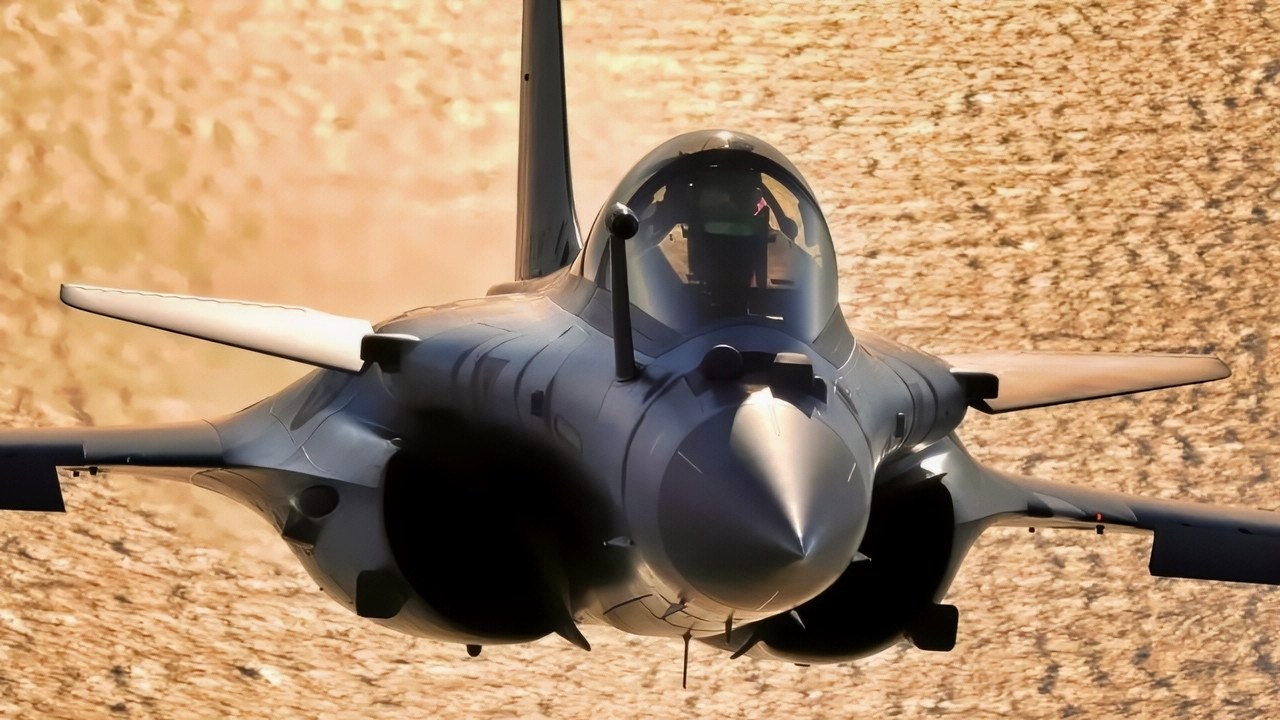
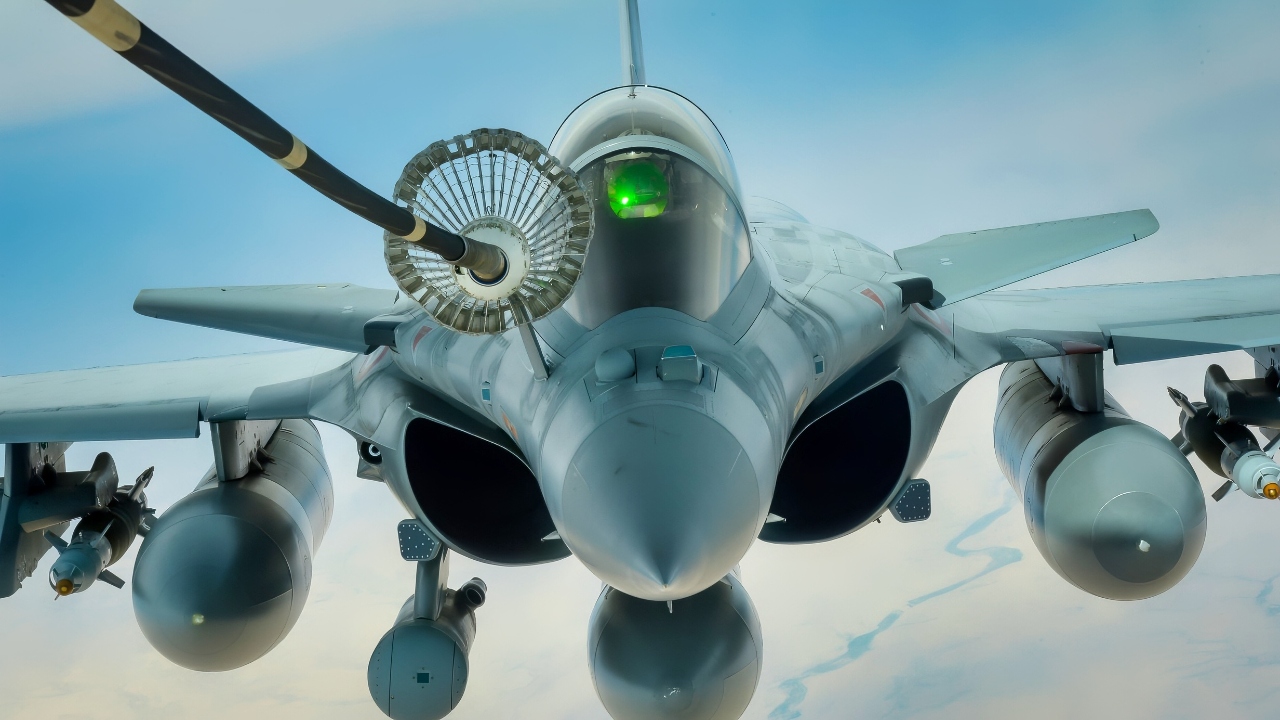
The Dassault Rafale F5 is marketed as a “super Rafale” – a deeply upgraded fourth-generation jet packed with better sensors, networking, and electronic warfare. However, as air combat races toward stealth, AI, collaborative combat aircraft, and sixth-generation systems like America’s F-47 NGAD and China’s J-36/J-50, the Rafale F5 remains constrained by a legacy airframe that can’t truly disappear from enemy sensors.
It can still be valuable as a strike platform or as a standoff-weapon truck in permissive or mixed environments, yet treating it as a peer alternative to fifth- and sixth-generation fleets risks buying comfort today at the expense of survivability tomorrow.
Super Dassault Rafale F5 Fighter Will Be a Powerhouse...But Not For Long...
Air combat is barrelling towards a future defined by sensor fusion, deep stealth, autonomous wingmen, and continent-spanning algorithmic kill-chains. Into this gathering storm steps the Dassault Rafale F5 – a “super Rafale” pitched as a fourth-generation fighter on steroids, and sold as a pragmatic alternative to the now-dominant fifth-generation fighters of the United States, Russia, and China. That pitch may appeal to governments averse to cost, complexity, or dependence on US platforms like the F-35. But the strategic truth is unkind: air forces that bet on souped-up legacy designs in a world that is sprinting towards sixth-generation air combat are choosing nostalgia over survivability, and accepting risks their adversaries likely won’t share.
A Better Rafale, But Still a Rafale
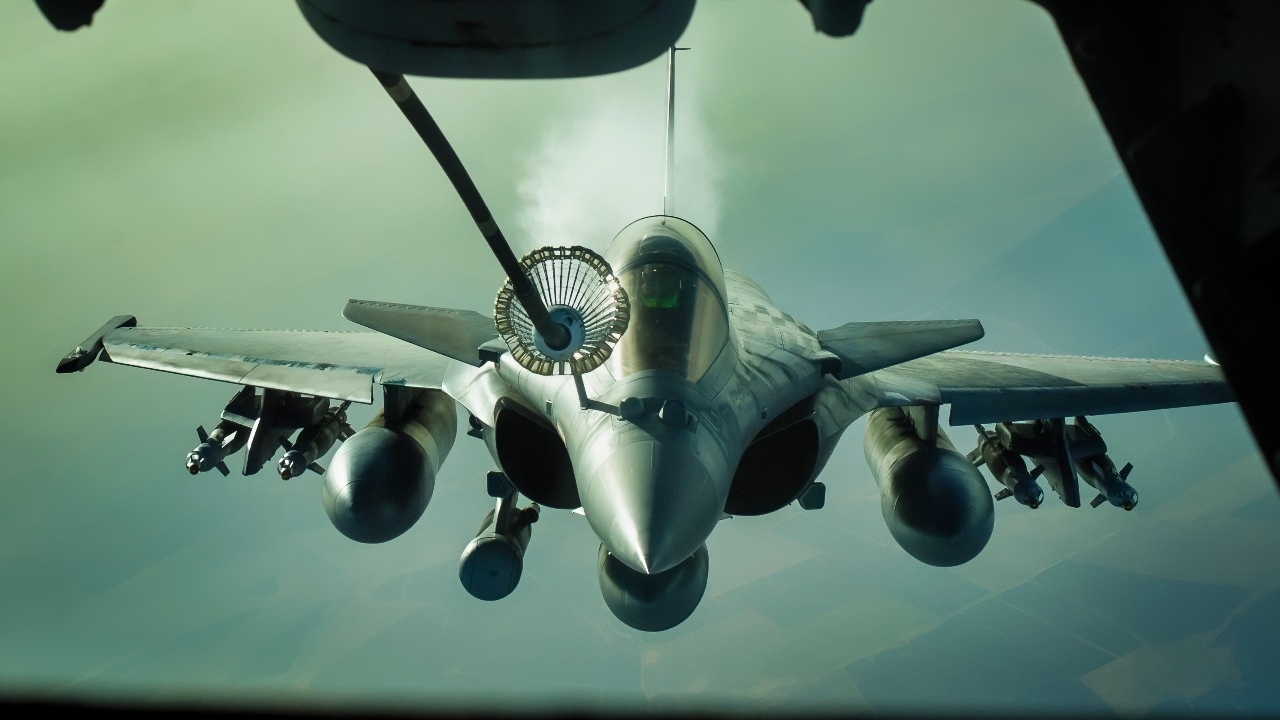
The F5-class Rafale is, in narrow technical terms, the finest Rafale ever built. A new suite of advanced sensors, improved networking, enhanced electronic warfare, and a sharper weapons loadout make it everything Dassault promises: sleeker, more lethal, and more digitally integrated than any prior variant.
Still, it is a design built around aerodynamic visibility, signature compromises, and the performance envelope of a pre-stealth era. The F5 can dodge, deceive, and dance—but it cannot disappear. Beyond-visual-range fights are now won not by pilot virtuosity but by who sees first, decides fastest, and delivers the cleanest firing solution from a position of near-invisibility. That is not the world this airframe was built for, no matter how aggressively its avionics are modernized.
The Fifth-Generation Benchmark Is Not Standing Still
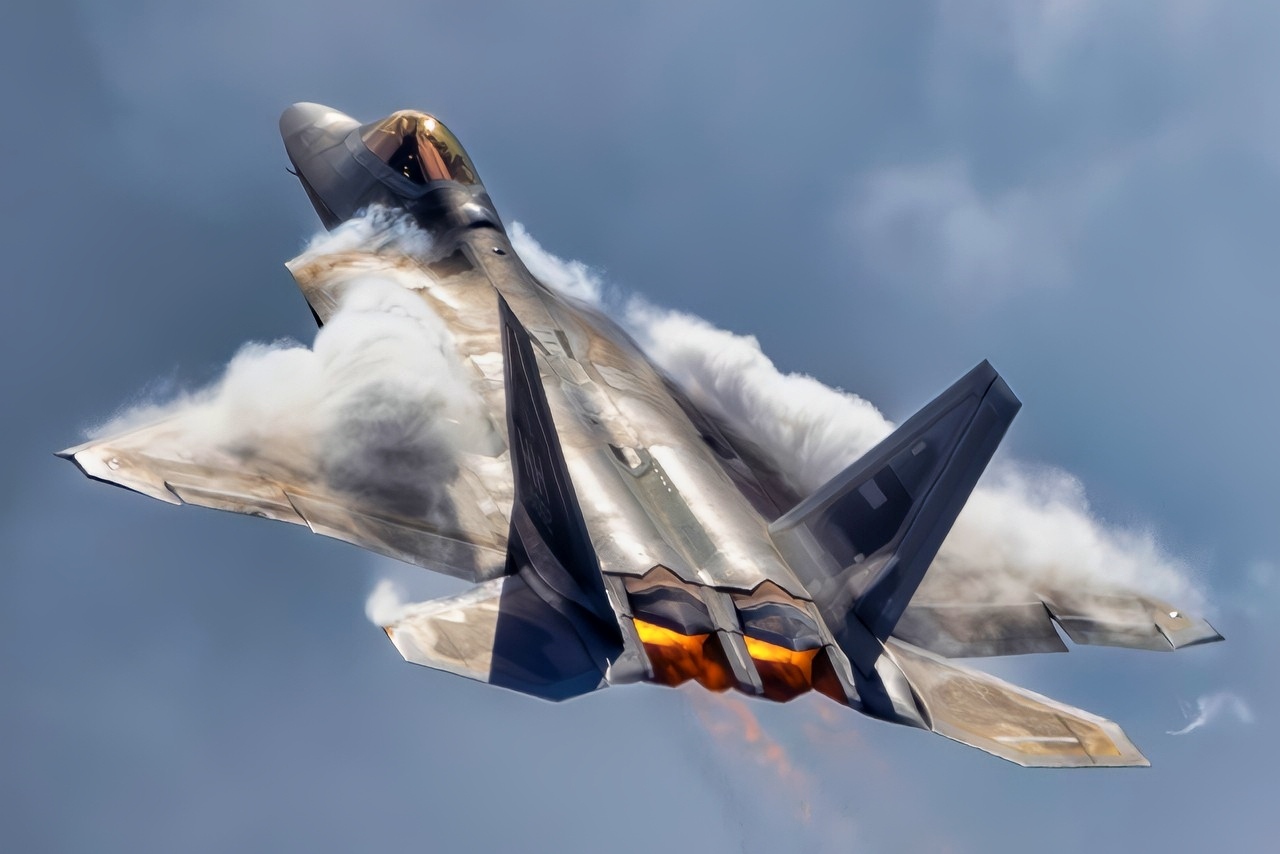
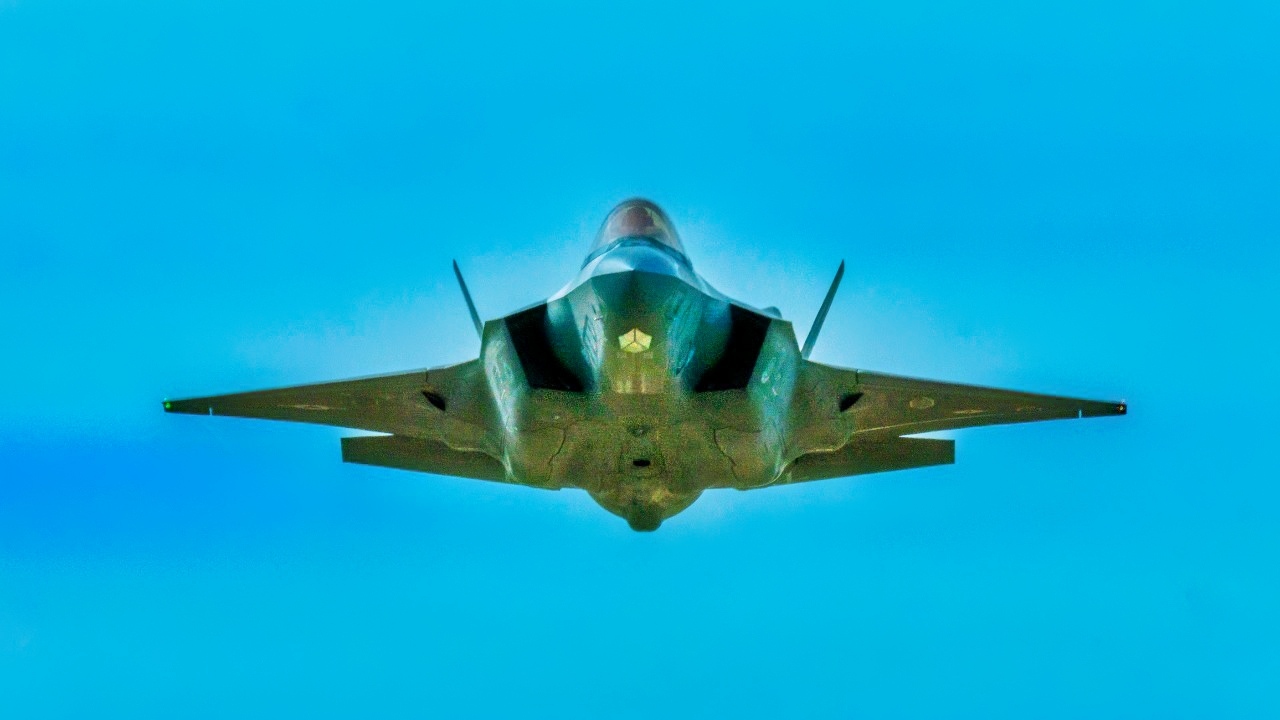
There was a moment—fleeting but real—when upgraded fourth-generation fighters could still operate at the margins of a fifth-generation battlespace. That window is now closing. The F-35 is deep into maturity as a joint sensor platform rather than merely a strike fighter. The F-22, aging but still unmatched in air-to-air combat, now serves as the quarterback of integrated kill-webs.
These platforms do not simply shoot; they shape the battlespace. They connect satellites, ground radars, electronic warfare arrays, and autonomous systems into a single tactical picture. A fourth-generation airframe, however optimized, does not bring that gravitational pull. It plugs into networks; it does not anchor them. In the coming decade, that distinction will matter more than thrust-to-weight ratios or turn rates ever did.
The Sixth-Generation Breakpoint
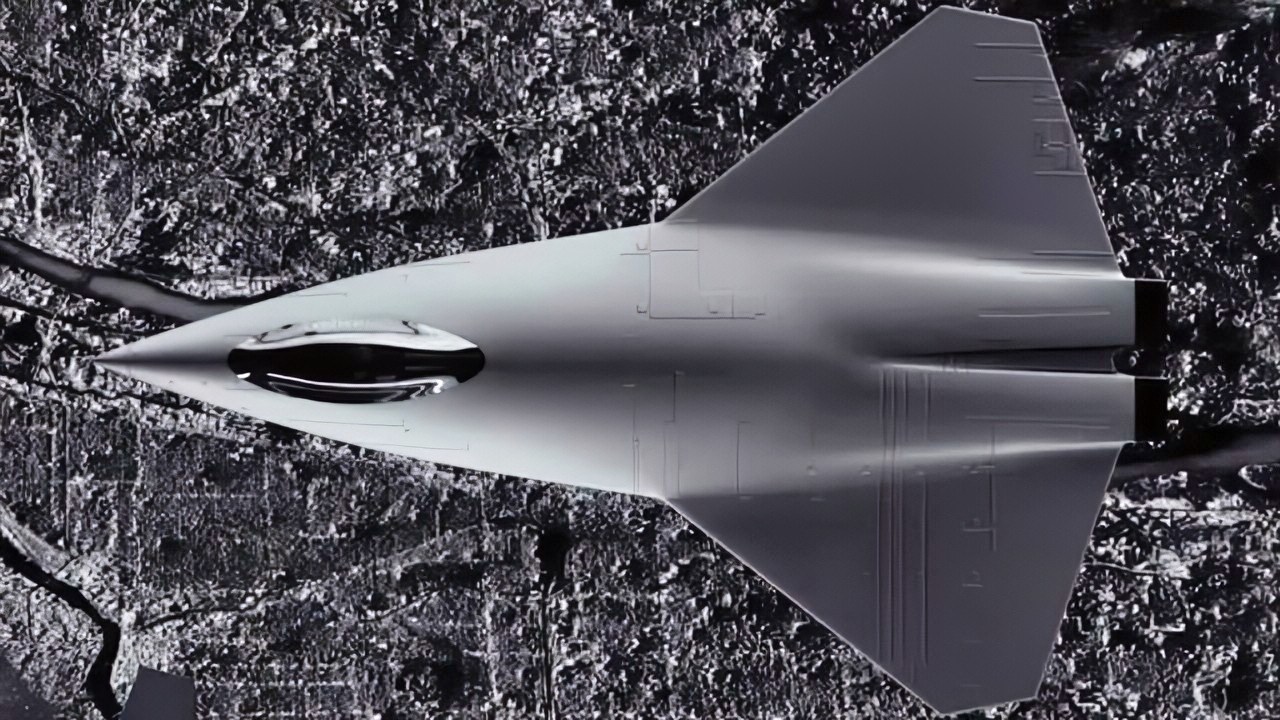
And just over the horizon, the gap widens again. The United States is pushing its Next Generation Air Dominance family of programs toward a crewed sixth-generation fighter, widely expected to result in the F-47, built to dominate contested airspace through adaptive stealth, AI-enabled decision loops, and tight integration with autonomous collaborative aircraft.
China, meanwhile, is flight-testing not one but two sixth-generation prototypes, usually referred to in open-source analysis as the Chengdu J-36 and the Shenyang J-50 or J-XDS. Both embody the same logic: leapfrog incremental upgrades and instead field aircraft designed to live inside the enemy’s targeting cycle by default.
These jets will not merely evade detection; they will scramble adversary sensor logic. Their loyal-wingman drones will extend reach, complicate enemy defense, and impose attrition asymmetrically. Any air force entering that environment with an aircraft like the Rafale F5 is bringing a fourth-generation knife to a fifth-generation gunfight.
The Costs of Betting on Yesterday
This is where the Rafale F5 becomes a strategic problem rather than merely a technological curiosity. It tempts governments to believe that incrementalism can substitute for transformation—that you can keep the old fleet structure, graft on new features, and call it modernization.
For cash-strapped democracies or countries with trepidations about overdependence on U.S. defense suppliers, the pitch feels comforting. It promises relevance without reinvention.
But wars are not won by the aircraft you wish existed; they are won by the aircraft that survive first contact with the enemy in an advanced A2/AD battlespace.
If adversaries exploit stealth, electronic attack, distributed fires, and autonomous systems while you rely on an upgraded legacy fleet, the cost of procurement savings will be paid in aircraft, pilots, and strategic leverage.
Where the F5 Actually Fits
This does not mean the Rafale F5 concept is useless. Far from it. For nations operating in permissive or semi-permissive environments—Mediterranean patrols, counterterrorism campaigns, regional policing missions—it is more than adequate.
Even in higher-end scenarios, it can play valuable roles as a strike platform, a standoff weapons truck, or an electronic-attack complement to fifth-generation fighters.
The problem lies in pretending that adequacy in supporting roles translates into parity with adversary fleets built for the next paradigm of air dominance. The F5 is a niche player in a world that increasingly rewards systems designed for multispectral stealth, AI-driven warfare, and distributed human-machine teaming.
The Strategic Choice Ahead
Ultimately, this “Super Rafale” forces governments to confront a hard choice about the future of air combat power. Do they invest in a platform whose performance ceiling is defined by the physics and visibility of fourth-generation design, or do they absorb the cost of joining the sixth-generation transition early enough to matter?
A stopgap can be useful. A stopgap mistaken for a solution becomes a liability. The problem with the Rafale F5 is not what it is—it’s what it encourages political leaders to believe they can avoid: the brutal, expensive, and unavoidable leap into a world where air dominance is decided by networks, stealth, autonomy, and the ability to fight and win inside the machine-speed tempo of twenty-first-century war.
A Fighter for Yesterday’s Tomorrow
The Rafal F5 is impressive, but it is fantastic in the way a masterfully restored classic car is amazing—elegant, formidable in its own way, and fundamentally out of step with the next evolutionary stage of air warfare.
Nations can buy it, fly it, and squeeze value from it. What they cannot do is pretend that a fourth-generation airframe, no matter how superpowered, will thrive in a battlespace soon to be defined by sixth-generation predators.
Air forces that genuinely want to survive the next fight must build for the world of tomorrow, not the world of yesterday’s tomorrow.
About the Author: Dr. Andrew Latham
Andrew Latham is a non-resident fellow at Defense Priorities and a professor of international relations and political theory at Macalester College in Saint Paul, MN. You can follow him on X: @aakatham. He writes a daily column for the National Security Journal.
Please follow National Security Journal on MSN for the latest news in defense, foreign policy, economics, and politics with a bipartisan twist.

Posting Komentar untuk "The Supersonic Rafale F5 Soars Again"
Posting Komentar