
Waymo's Robotaxis Now Drive Less Safely
Waymo’s Shift in Autonomous Driving Philosophy
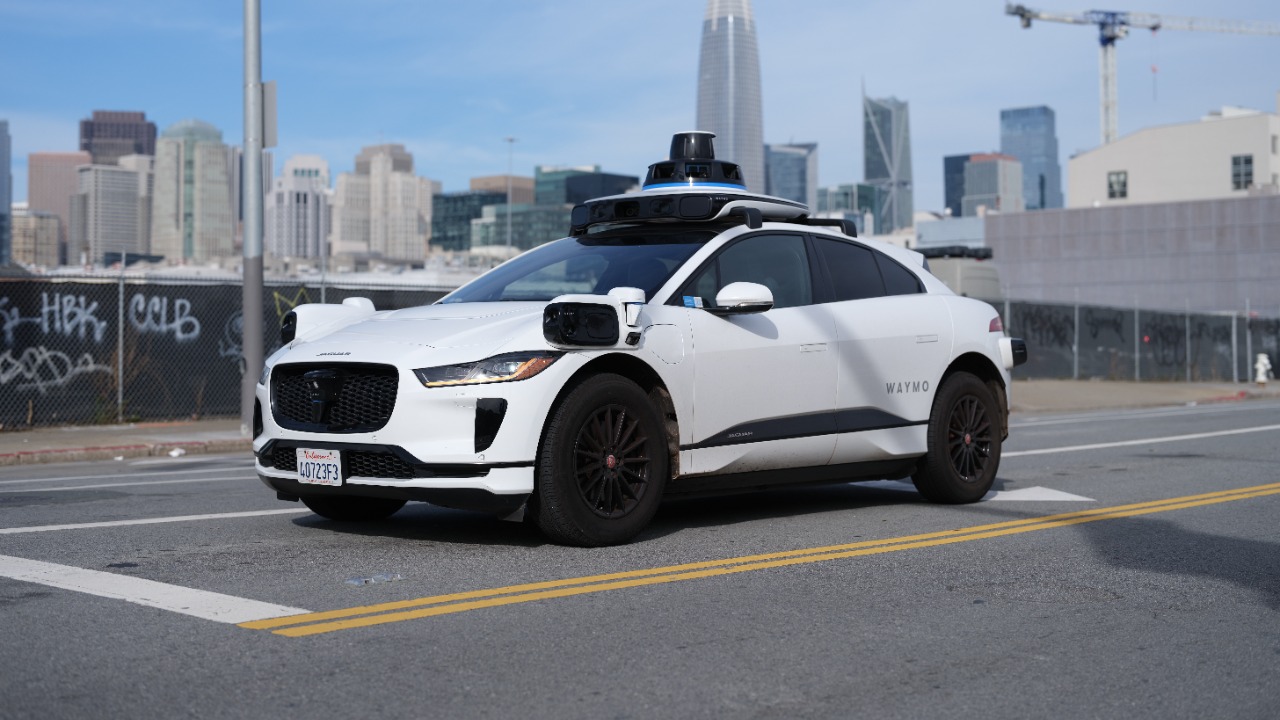
Waymo, a leading player in the autonomous vehicle industry, has quietly altered the behavior of its driverless cars, reducing some of the ultra-cautious tendencies that once characterized its robotaxis. This change aims to improve traffic flow and make the service more practical for users. The company is betting that by acting more like human drivers, its vehicles will be more usable, even if it means accepting maneuvers that feel less conservative than before.
This shift raises important questions about what "safe enough" really means for autonomous vehicles. The self-driving promise is to replace human error with machine precision. However, when a company known for extreme caution starts to loosen up, it creates a dilemma for regulators, riders, and other road users about the balance between safety and practicality.
A New Approach to Traffic Interaction
Waymo built its reputation on robotaxis that were overly cautious, sometimes stopping short of intersections or yielding even when they had the right of way. While this approach was seen as safe, it often frustrated riders and other drivers. Now, in an interview with the Wall Street Journal, Ludwick, a company leader, acknowledged that Waymo has reprogrammed its vehicles to avoid disruptions caused by this earlier, hyper-cautious style. This shift signals a new willingness to trade some conservatism for a more assertive presence in traffic.
This recalibration is not just technical; it's a significant policy choice about how much risk society is willing to accept from automated systems. When Ludwick talks about avoiding disruptions, he's really talking about a new balance between the safety envelope engineers can encode and the impatience of city streets where a car that waits too long at a four-way stop can trigger honks, dangerous passing, or rear-end collisions.
From “Robotic” to “Human” on San Francisco Streets
Passengers in San Francisco have already noticed that Waymo’s cars feel different, and not always in a reassuring way. Where the vehicles once behaved with almost exaggerated politeness, riders now describe lane changes that cut in more decisively, merges that rely on other drivers yielding, and turns that squeeze through gaps a cautious human might decline.
In a widely shared clip, passengers in San Francisco described how Waymo’s self-driving cars are suddenly acting a lot more human, a phrase that in this context covers everything from smoother acceleration to moments that feel uncomfortably close to the aggressive habits of everyday commuters.
The Safety Record at Risk
Before this shift, Waymo could point to data suggesting its automated driving system was significantly safer than human drivers. In one analysis of rider-only operations, the any injury reported crashed vehicle rate was measured at 0.6 incidents per million miles, a figure that compared favorably with human benchmarks. That track record is not just a bragging point; it's the social license that allows Waymo to operate robotaxis in dense cities at all.
By reprogramming its vehicles to be less cautious, Waymo is effectively running a live experiment on whether it can keep that 0.6 incidents per million miles figure from creeping upward. If the rate rises, even modestly, the company will have to explain why a smoother ride and fewer traffic disruptions were worth any additional injuries.
Why Waymo Says It Had to Loosen Up
From Waymo’s perspective, the old behavior was becoming untenable as its fleet scaled. A robotaxi that stops short at every ambiguity might be fine when there are only a handful of vehicles on the road, but once thousands of them share the same city, their collective caution can gum up traffic and provoke risky reactions from human drivers.
Ludwick framed the reprogramming as a necessary response to those real-world disruptions, arguing that the company had to tune its software so that its cars would not become rolling obstacles every time they encountered an impatient tailgater or a confusing construction zone.
Riders Caught Between Comfort and Concern
For the people actually sitting in the back seat, the new behavior is a mixed blessing. Some riders in San Francisco have welcomed the more fluid driving, saying that the cars now feel less like overcautious robots and more like a competent human who knows how to navigate city traffic without constantly second-guessing every move.
Others, though, have described moments when the robotaxi’s newfound assertiveness crosses into discomfort, such as squeezing into tight gaps in stop-and-go traffic or taking turns that feel rushed when pedestrians are nearby.
The Data Gap Regulators Cannot Ignore
One of the most troubling aspects of this shift is how little independent data exists to evaluate its impact in real time. The 0.6 incidents per million miles figure comes from a structured comparison of rider-only crash data to human benchmarks, but that analysis reflects a particular period and a particular configuration of Waymo’s software.
Without that transparency, the public is effectively being asked to trust that Waymo’s internal simulations and safety cases justify the change. If Waymo is confident that its new tuning preserves or improves on the earlier safety record, it should be willing to publish updated results so that outside experts can verify that the automated driving system still outperforms human drivers by a meaningful margin.
What “Less Safe” Really Means on the Road
Describing Waymo’s reprogramming as making its robotaxis “less safe” does not necessarily mean that the cars are suddenly reckless or that they now crash more often than human drivers. Instead, it reflects a shift in the safety philosophy encoded in the software. Previously, the system was designed to avoid a wide range of low-probability risks, even at the cost of awkward interactions and occasional traffic snarls.
Now, by design, it is more willing to accept certain close calls, tighter gaps, and ambiguous situations in order to keep traffic flowing and reduce the social friction that came with its earlier, more robotic style.
The Broader Stakes for Autonomous Driving
Waymo’s decision will reverberate far beyond its own fleet. Other companies building automated driving systems are watching closely to see whether a more assertive style leads to better rider satisfaction, fewer traffic complaints, and, crucially, whether regulators push back.
If Waymo can show that its any injury reported crashed vehicle rate stays at 0.6 incidents per million miles or lower even after the reprogramming, it will strengthen the case that autonomous vehicles can be both practical and safer than humans. If the numbers worsen, it could fuel calls for stricter oversight and more conservative default settings across the industry.
More from HAWXTECH.NET
Chinese satellite hits Starlink with a 2-watt laser from orbit
USGS says lava could reach 1,500 ft as thousands get ready to leave
7 Apps That Secretly Record You—and How to Delete Them
A 6.0 magnitude earthquake was just reported in the U.S.

Posting Komentar untuk "Waymo's Robotaxis Now Drive Less Safely"
Posting Komentar