
What awaits Earth in the next billion years?
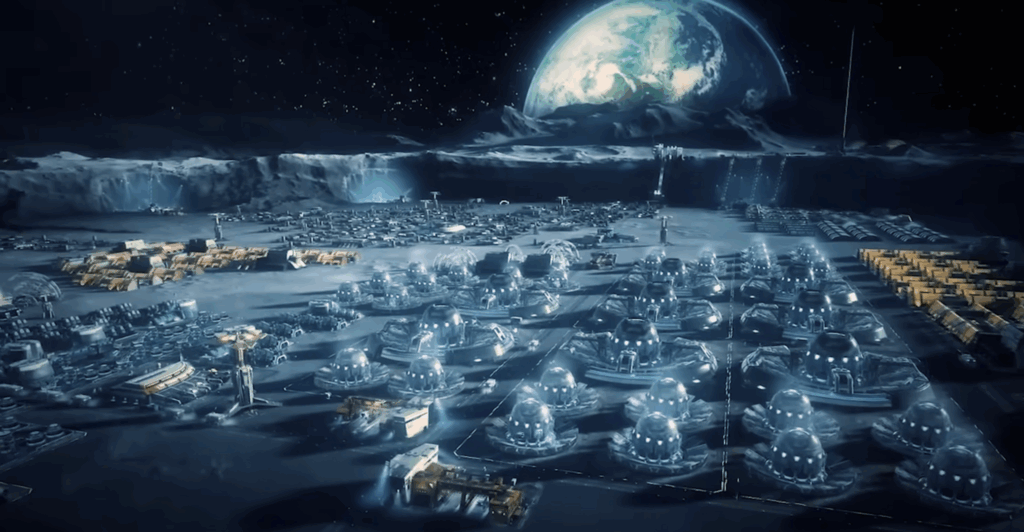
Looking far into the future, it's easy to imagine a world filled with advanced technology, space exploration, and new forms of life. But what if we take a different approach and consider how Earth itself might change over time? From rising sea levels to shifting continents, the planet has a long history of transformation. Let's explore what Earth could look like in the coming centuries and millennia.
100 Years Into the Future
In just 100 years, the world could be unrecognizable due to the effects of climate change. One of the most significant changes will be the rise in sea levels. Already, we're seeing the impacts of global warming, and this trend is expected to continue. Coastal cities like Bangkok, Miami, and Venice may face severe flooding, with many areas becoming uninhabitable.
This shift would force humanity to adapt, potentially leading to massive population displacements. The consequences could be far-reaching, affecting political stability and social structures around the globe. As people move to higher ground, new challenges will arise in terms of resource distribution and urban planning.
10,000 Years Into the Future
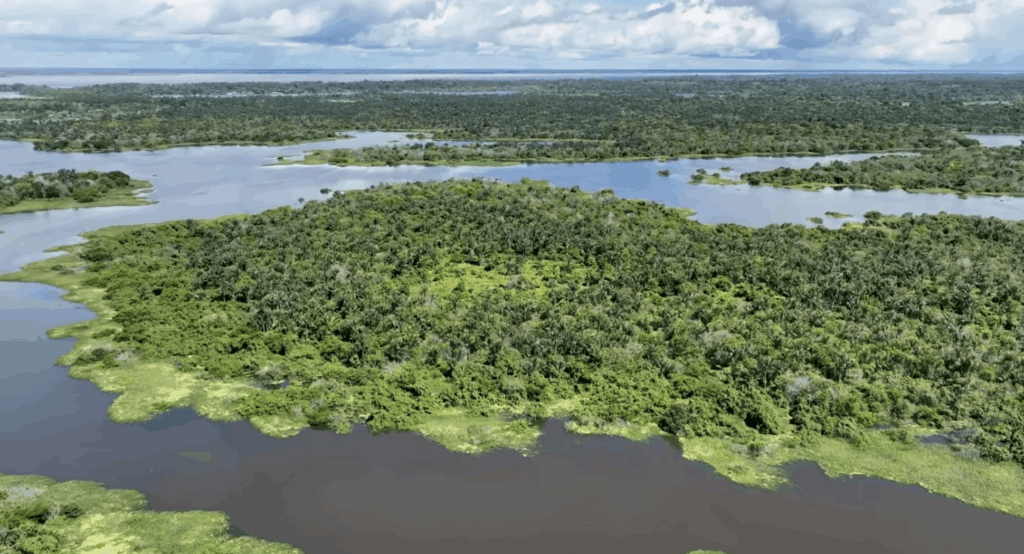
Fast forward 10,000 years, and Earth's geography could look completely different. Tectonic activity, including supervolcanic eruptions and major earthquakes, could reshape the planet's surface. New mountain ranges and inland seas might emerge, altering the landscape dramatically.
This period could resemble the formation of Pangea, where the continents were once joined together. The constant movement of tectonic plates will continue to sculpt the Earth, creating new environments that could support different forms of life.
100,000 Years Into the Future
As we move further into the future, Earth's orbit and climate will also undergo changes. The gravitational pull of other celestial bodies, such as Jupiter, could shift our planet slightly farther from the Sun. This subtle change might affect day and night cycles and overall temperatures.
Additionally, Earth may experience multiple ice ages, drastically altering the climate and ecosystems. These changes could lead to new habitats and species evolving to adapt to these new conditions.
1 Million Years Into the Future
After a million years, the Earth will have transformed significantly. The continents will have shifted, and new ecosystems will have developed. Some regions that are currently temperate may become colder, while others may experience more extreme weather patterns.
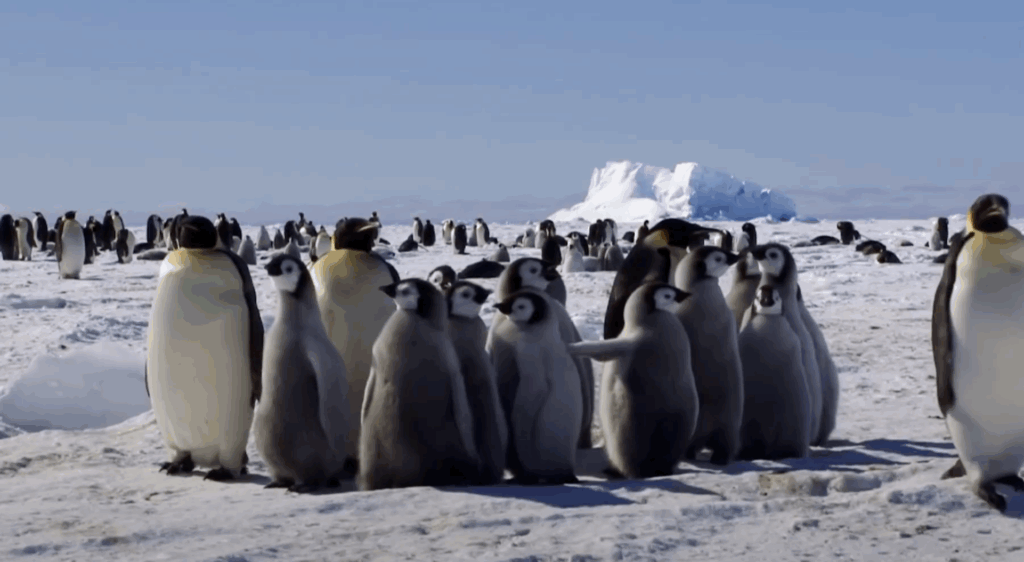
New life forms could emerge, some of which may possess intelligence. These species would be perfectly adapted to their environments, showcasing the incredible diversity of life on Earth. The planet will continue to evolve, driven by natural forces and the ongoing process of adaptation.
1 Billion Years Into the Future
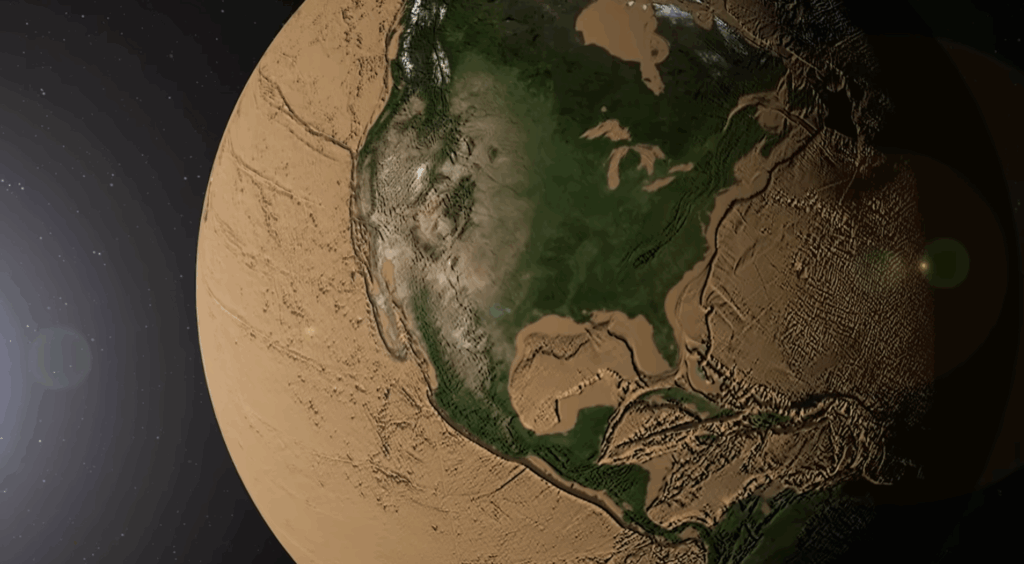
Finally, looking one billion years into the future, Earth will be almost unrecognizable. The Sun will have increased in brightness, leading to much higher temperatures. Oceans may have evaporated, leaving behind a barren, desert-like landscape.
Life on Earth would need to be highly resilient, possibly existing deep underground. If humans or other intelligent species have not left the planet, they would have to find new ways to survive in these harsh conditions. The future of Earth remains uncertain, but it's clear that the planet will continue to change in ways we can only begin to imagine.

Posting Komentar untuk "What awaits Earth in the next billion years?"
Posting Komentar