
Why Steam Machine Misses HDMI 2.1, and Why It Matters
Valve's Steam Machine and the HDMI 2.0 Controversy
Valve’s upcoming Steam Machine has been generating a lot of excitement among PC gamers. This console-like gaming PC is expected to launch in early 2026 and was first revealed on November 12. The initial spec sheet showcased a semi-custom AMD Zen 4 processor with integrated RDNA 3 graphics, which immediately caught the attention of many.
Despite the buzz around the Steam Machine, one particular specification stood out—its use of HDMI 2.0 instead of the more advanced HDMI 2.1 standard. This decision initially raised questions among fans and industry experts alike. However, Valve has since clarified that the hardware does support HDMI 2.1, but there are some technical hurdles preventing full implementation.
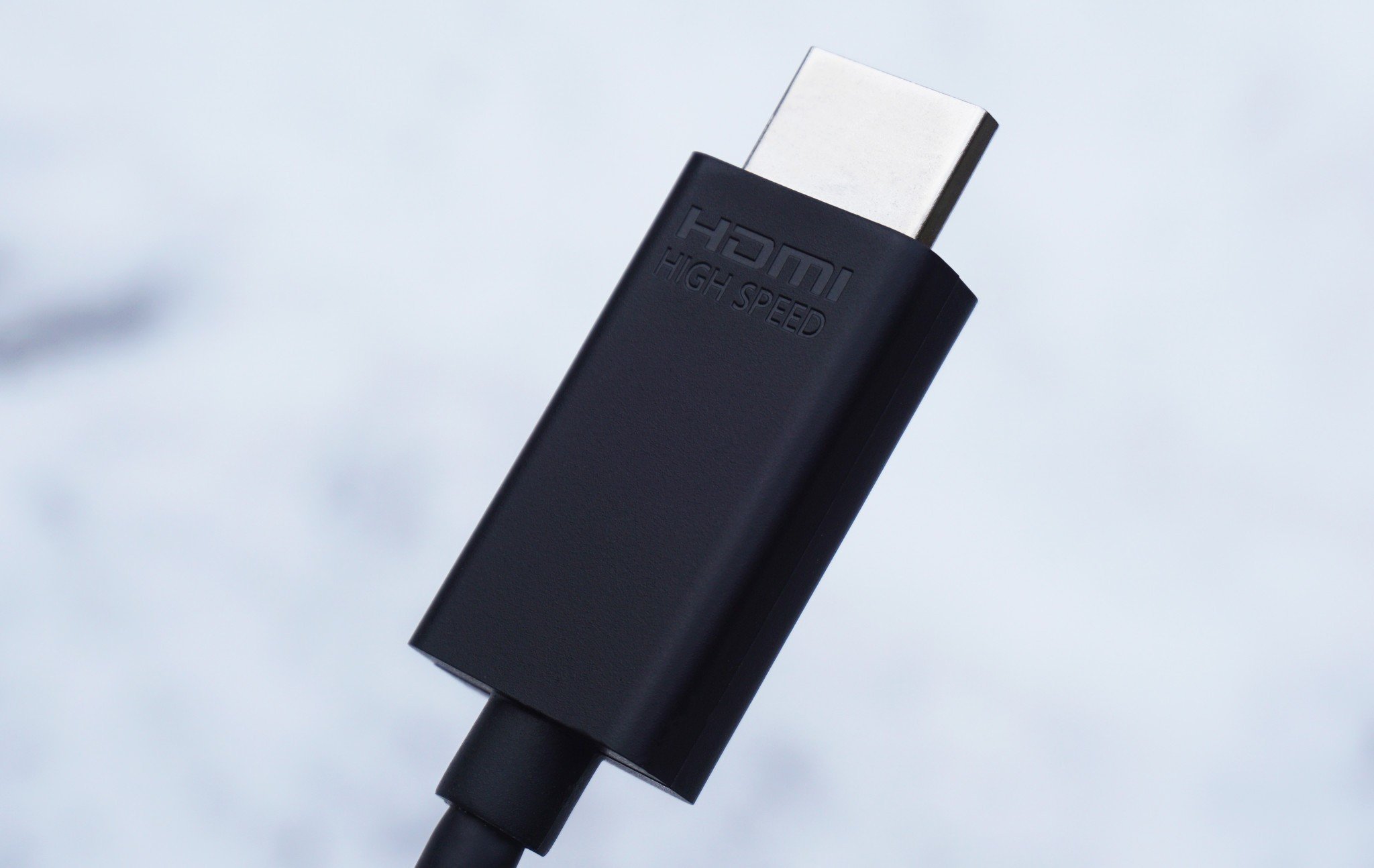
According to a Valve representative speaking with Ars Technica, the issue lies with the HDMI Forum, the organization responsible for overseeing the HDMI standard. At this time, the open-source implementation of HDMI 2.1 is blocked by the Forum. Since Valve’s SteamOS relies on open-source AMD drivers, the full feature set of HDMI 2.1 isn't accessible.
This has created some challenges during development. Valve had to validate the Steam Machine’s port in Windows rather than its native SteamOS while testing. The representative mentioned that they’ve been working to unblock these issues, particularly regarding the HDMI port's performance. One of the key improvements involves increasing the theoretical limit of HDMI 2.0 from 4K@60Hz to 4K@120Hz.
This bump is made possible through a technique called chroma sub-sampling, which compresses color data to allow more information to pass through the pipeline. However, this compression can lead to a slight degradation in video quality. For most users, this might not be significant enough to impact their experience negatively. Additionally, the Steam Machine offers an alternative connection option: DisplayPort 1.4, which provides much greater bandwidth and is capable of supporting 4K@120Hz.
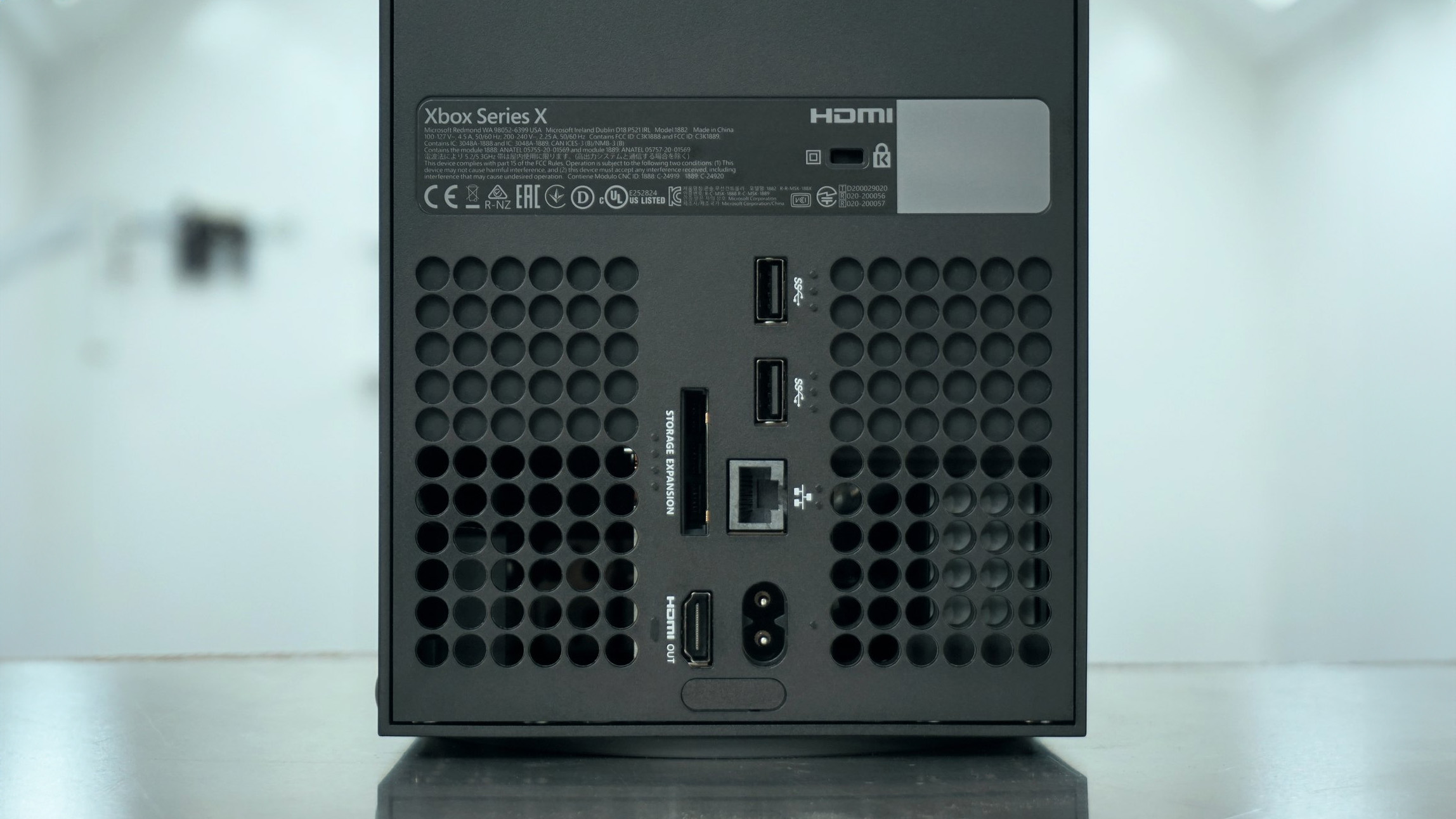
HDMI vs. DisplayPort: Which is Better for PC Gaming?
While the Steam Machine supports both HDMI and DisplayPort, the choice between them can have a noticeable impact on performance. HDMI 2.0, despite its limitations, is still widely used and supported by many devices. However, the newer DisplayPort 1.4 offers superior bandwidth and flexibility, making it a better choice for high-resolution gaming at higher refresh rates.
Another challenge stems from the lack of HDMI-VRR support on the Steam Machine. HDMI 2.1 includes Variable Refresh Rate (VRR) technology, which helps smooth out and sync refresh rates for a more seamless gaming experience. While the Steam Machine supports AMD FreeSync over HDMI, not all TVs are compatible with this feature.

These technical limitations may not deter the majority of gamers who are eager to own a Steam Machine when it launches in 2026. However, they do highlight some of the complexities involved in developing a gaming PC that runs on Linux. Valve, a major player in the PC gaming world, will be closely watching how the HDMI Forum handles its decisions regarding open-source driver access.
As the release date approaches, it will be interesting to see whether Valve can influence the Forum to change its stance on HDMI 2.1 licensing. Until then, the Steam Machine remains a highly anticipated device that could redefine the future of PC gaming.

Posting Komentar untuk "Why Steam Machine Misses HDMI 2.1, and Why It Matters"
Posting Komentar