
Why Your Old Electronics Hold More Gold Than Mines
The Hidden Value in Electronic Waste
Let's be real here. Most of us toss old phones and computers into a drawer and forget they exist. Some go straight to the landfill. Here's the thing: you're literally throwing away gold mines. Not metaphorically speaking, but actual, quantifiable amounts of precious metals that are far richer than the ore miners dig up from deep underground. Your forgotten smartphone tucked away in that junk drawer probably contains higher concentrations of gold per ton than what massive mining operations extract from their most profitable deposits.
It sounds crazy, I know. You wouldn't think your cracked iPhone screen or that dusty laptop from 2015 could outperform an actual gold mine. Yet the numbers tell a story that most people never hear about.
The Shocking Reality of Gold Concentration in Electronic Waste
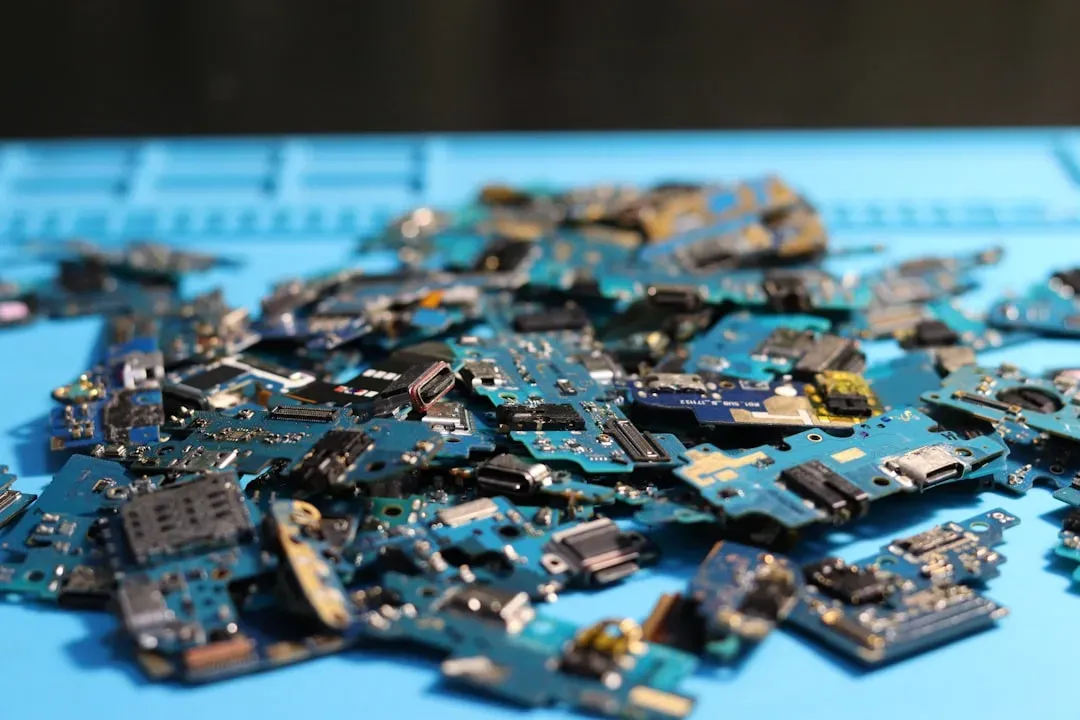
6-5 grams per ton, smartphones average 200-300 grams per ton. That's not a typo. One ton of ore will average about 6g of gold, but from electronic waste, the same weight will generate more like 350g. Think about what that actually means.
Mining companies spend billions excavating massive quantities of rock just to extract a few grams of gold per ton. Meanwhile, your old electronics sitting in storage contain concentrations that are fifty to sixty times higher. More than 20 times as much gold can be extracted from a ton of smartphones as from a ton of gold ore. The irony is almost painful when you consider the effort and environmental destruction required for traditional mining operations.
How Much Gold Actually Lives Inside Your Devices
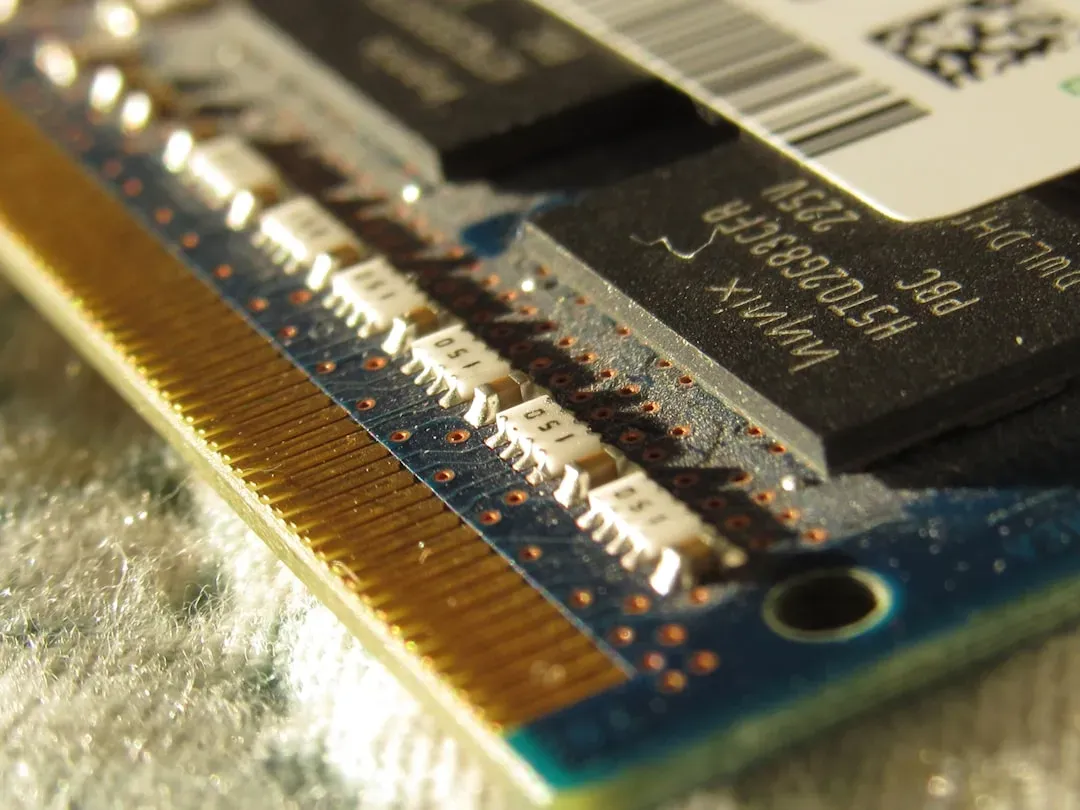
50 at the current spot price of gold per gram. Doesn't sound like much for a single device, honestly. It only takes around 41 mobile phones to recover 1g of gold. Computers pack more punch. 15 grams. Server motherboards can have up to 1 gram of gold. Circuit boards are where the real treasure lies. 09 kg of gold.
When you multiply those tiny amounts by the billions of devices manufactured annually, the total becomes staggering.
Why Electronics Need Gold in the First Place
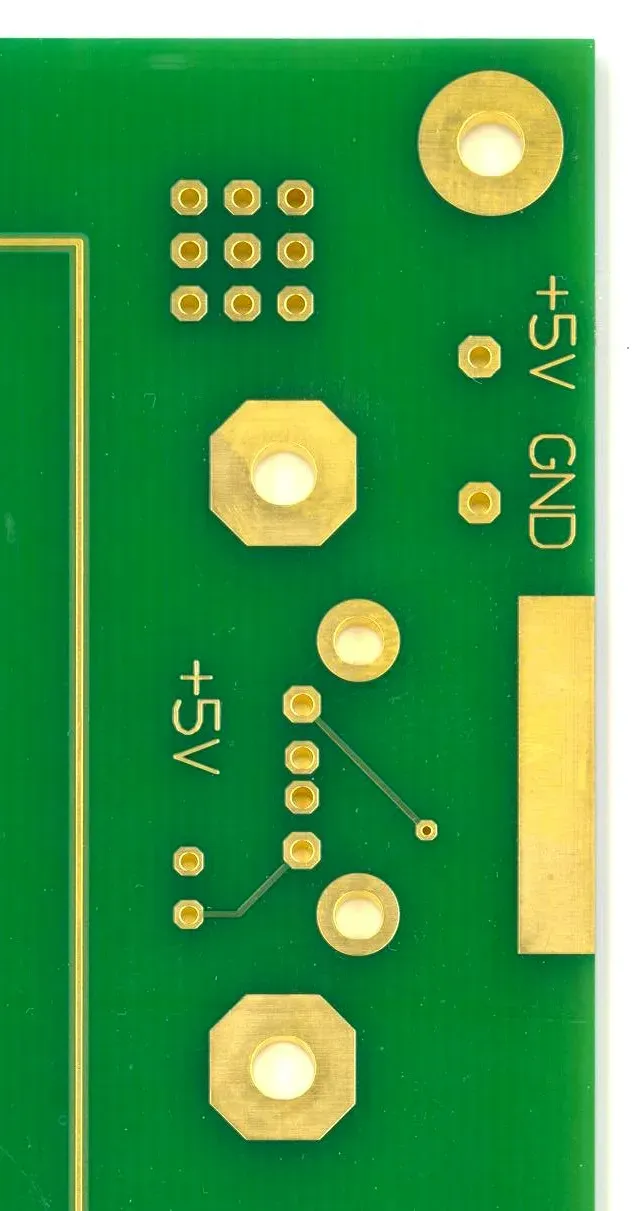
Gold isn't in your phone just to make it fancy. The metal serves critical functions that cheaper alternatives simply can't match. Gold is an excellent conductor of electricity. It's also incredibly resistant to corrosion, unlike silver which tarnishes when exposed to moisture.
Gold is mostly found within a smartphone's circuit board, which acts as the brain of the device and facilitates communication between various components like the microprocessor, memory, and display. Every connection point where electrical signals need to pass reliably uses gold plating. That's why those connectors on your old hard drive or RAM sticks have that distinctive golden shimmer. It's not decorative. It's functional, ensuring your device doesn't fail because of corroded contact points.
The Global E-Waste Mountain Is Growing Fast

Globally, people discarded a record 62 million metric tons of electronics, according to the United Nations' recent Global E-waste Monitor 2024 report. That number is almost incomprehensible. Metals made up half the world's electronic trash in 2022 and were worth $91 billion. The tragedy? Only 20% of precious metals were recycled from e-waste, according to the UN report, in part because the cost of recovering them is too high to make fiscal sense. We're essentially building a mountain of valuable materials that just sits there.
It's estimated the world will have 82 million tons of e-waste to deal with by 2030. Every year, the pile grows larger while mining companies continue tearing up the earth looking for fresh deposits.
Urban Mining: A New Gold Rush Without the Mines
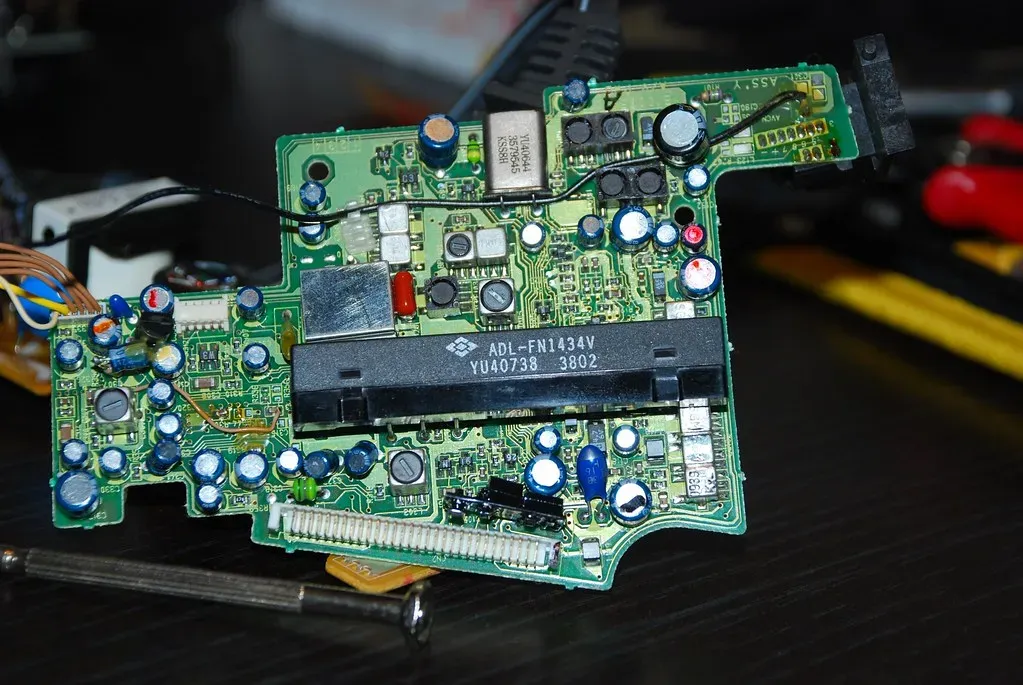
There's a term for what needs to happen: urban mining. It's the process of extracting valuable metals from waste instead of virgin ore. Urban mining as cost-effective and environmentally friendly alternatives to traditional mining, potentially reducing production costs for certain metals by up to 13-fold. Approximately 34 kg of gold can be retrieved by recycling one million cell phones.
That's a genuine economic opportunity sitting in landfills and storage facilities across the planet. Electronic waste typically contains gold at concentrations of 50-200 parts per million, compared to primary ore grades averaging 1-5 ppm globally, while copper concentrations in e-waste range from 10,000-20,000 ppm, versus primary copper ores at 1,000-3,000 ppm. The concentration advantage is undeniable. Yet despite these compelling numbers, most e-waste still doesn't get properly recycled.
The Economics Are Starting to Make Sense
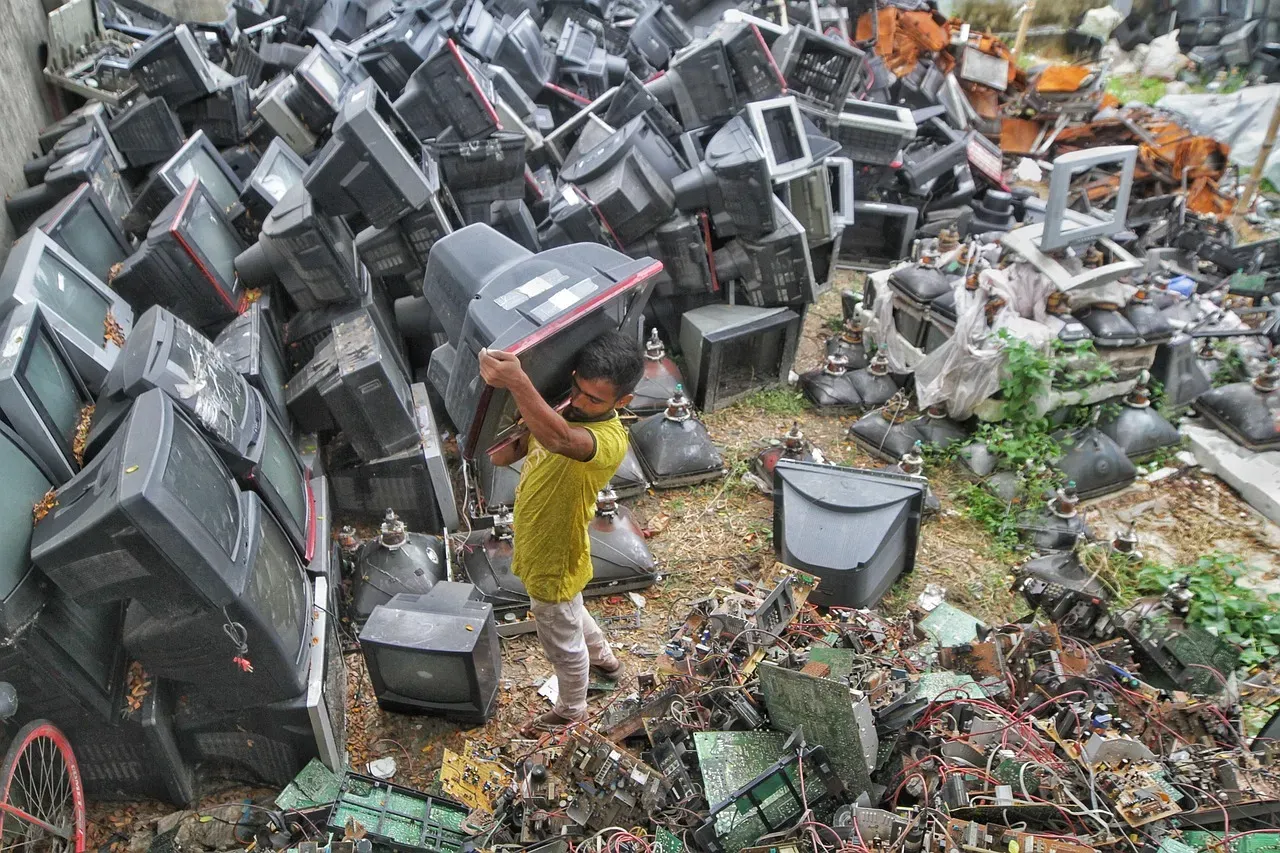
For years, recycling electronics cost more than the recovered materials were worth. That's changing. Real cost data from e-waste processors in China demonstrates that ingots of pure copper and gold could be recovered from e-waste streams at costs that are comparable to those encountered in virgin mining of ores. Gold recovery from e-waste breaks even at commodity prices above $1,200-$1,400 per troy ounce, while current prices range $2,600-$2,800 per troy ounce, providing positive margin for well-managed operations.
When gold prices are high, as they have been recently, the profitability equation shifts dramatically. Companies can now justify the investment in recovery technology because the returns actually exceed the costs.
Technology Is Making Recovery Easier and Cleaner
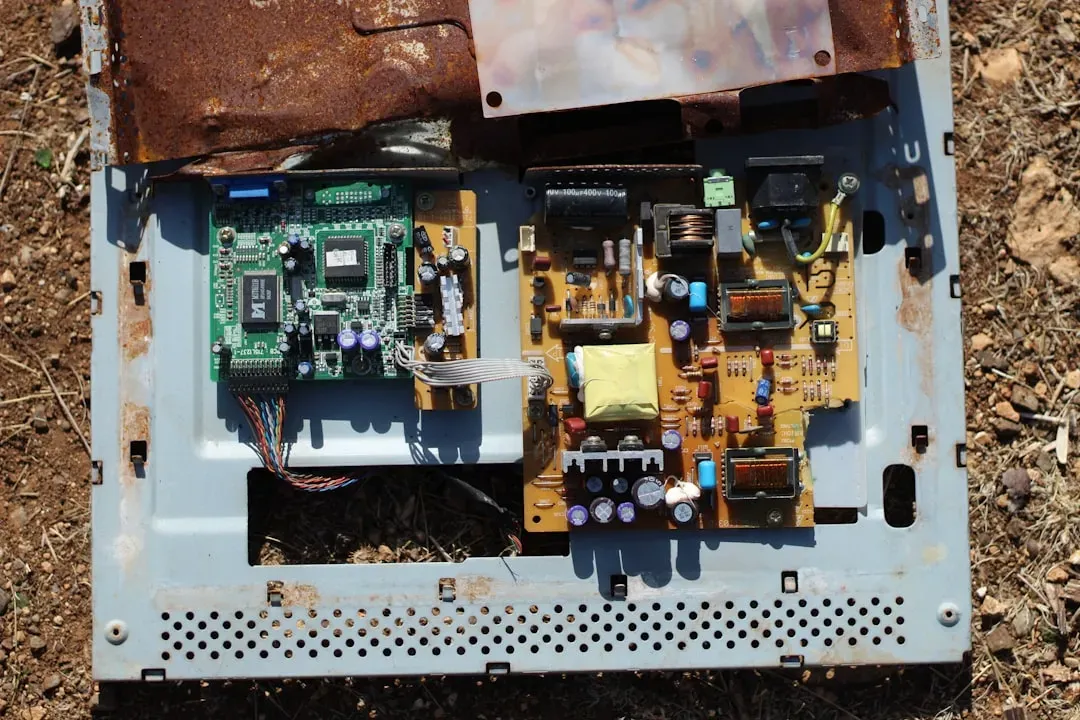
A secret solution dissolves gold in just minutes at room temperature and can be reused up to 20 times. New chemical processes developed by companies like the Royal Mint and various startups are revolutionizing how we extract gold from circuit boards. These methods work faster and at lower temperatures than traditional smelting. Processing is clean and doesn't produce any nasties, allowing facilities to be plugged into city infrastructure like power, water, and waste.
That's a game changer. Instead of shipping e-waste to massive smelters halfway around the world, localized recovery plants can operate right in cities where the waste is generated. Set to operate at full scale by the end of the year, the facility will process 4,000 tons of PCBs annually, equivalent to about 40 million laptops.
Why Traditional Gold Mining Is Becoming More Difficult
Here's what people don't realize about conventional mining. 0 g/t. Most accessible high-grade deposits have already been mined. The average All-In Sustaining Cost hit US$1,456/oz in Q3'24, another record high: up 9% year-over-year and 4% quarter-over-quarter. Mining costs keep climbing as companies dig deeper and travel to more remote locations. Ore grades are declining globally, meaning miners need to process more rock to get the same amount of gold.
Meanwhile, environmental regulations tighten and community opposition grows. The easy gold is gone. What remains requires exponentially more effort and expense to reach.
The Environmental Case Is Even Stronger
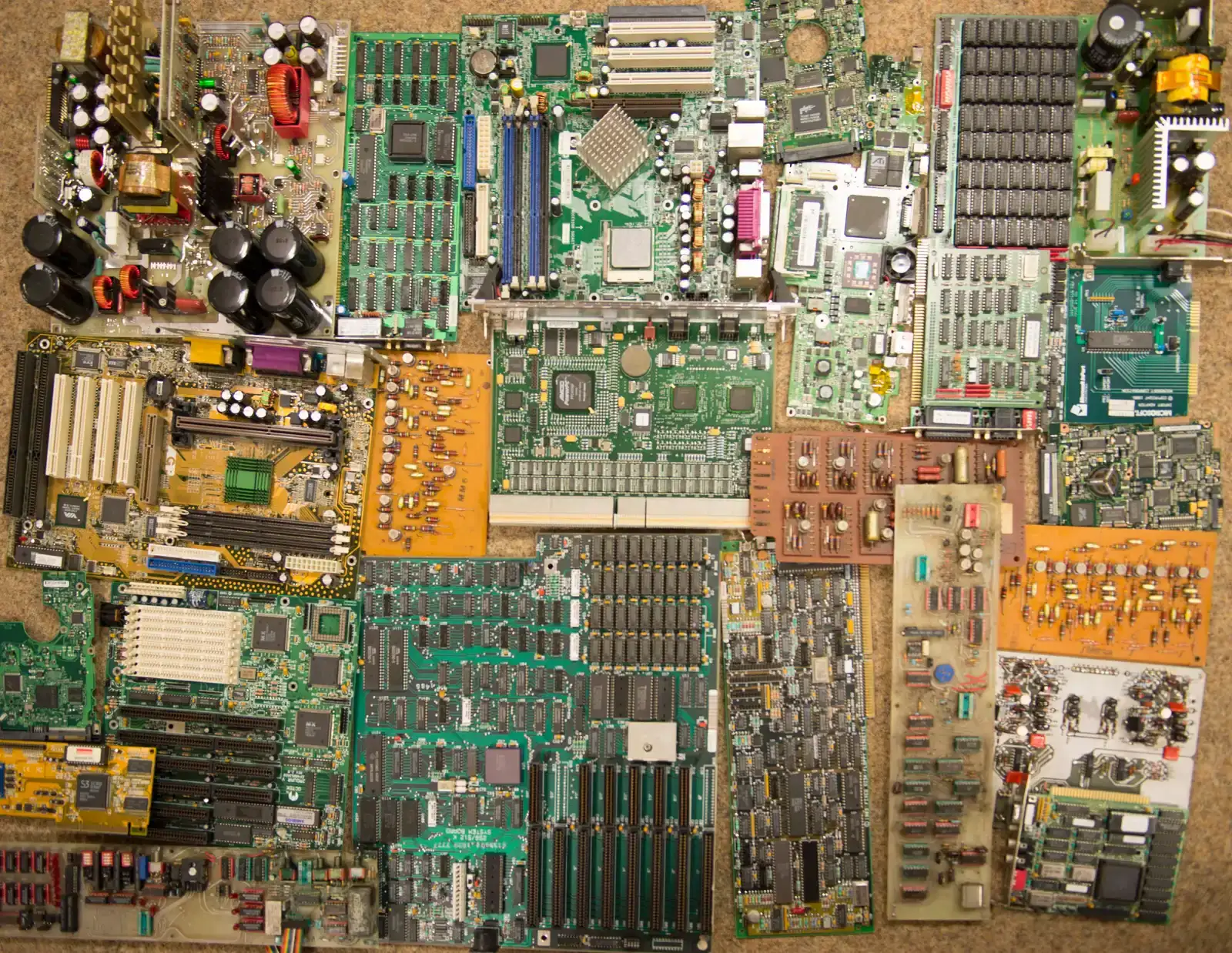
Traditional gold mining devastates landscapes. It pollutes water supplies, destroys habitats, and produces enormous amounts of waste rock. Mining e-waste has envisaged toward reduced CO2 emission approximately less than 80% per unit of gold to that of primary excavation and process. Think about that carbon footprint difference.
By recovering gold from electronics, we cut greenhouse gas emissions by roughly four-fifths compared to digging it out of the ground. Urban mining helps cut greenhouse gas emissions, unlocking resources near where they are needed reduces transport costs and emissions, and provides resource independence and creates employment. It's an environmental win on multiple fronts, reducing both the extraction damage and the transportation burden.
What's Holding Back the E-Waste Revolution
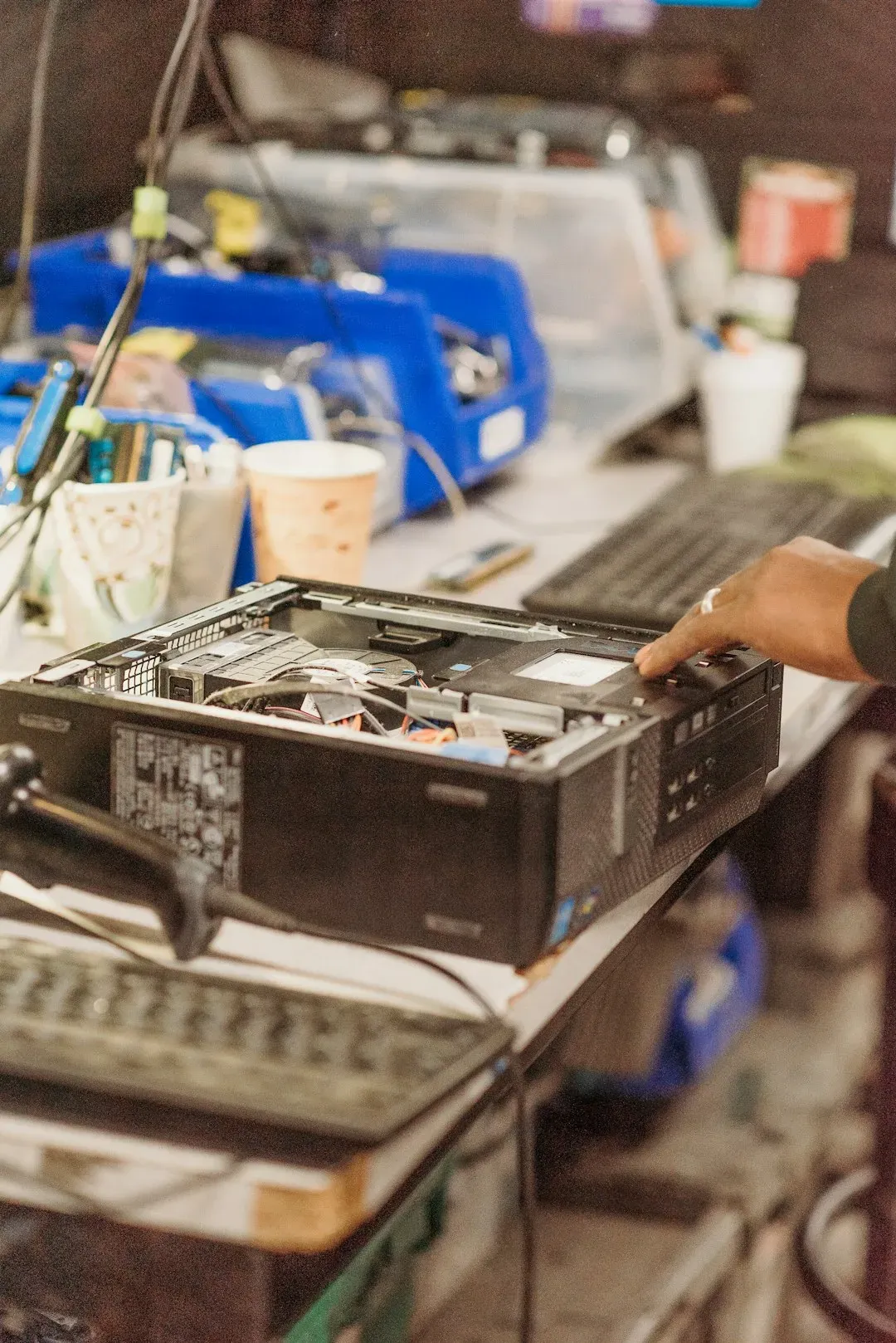
If the economics and environmental benefits are so clear, why isn't everyone doing this? Several barriers remain stubbornly in place. Collection systems are fragmented or nonexistent in many regions. People hoard old devices in drawers rather than recycling them, often due to privacy concerns about data on hard drives.
The heterogeneity of e-waste composition creates technical barriers: a single smartphone contains over 60 different elements, distributed across ceramic components, circuit boards, and alloys. That complexity makes automated sorting challenging. Different manufacturers use different materials and assembly methods. There's no universal standard for how electronics are built, which means recycling processes must constantly adapt.
Infrastructure investment is another hurdle. 2 billion in venture capital funding during 2023-2024, with government programmes providing additional $800 million in development support, however, commercial deployment timelines typically require 3-7 years from initial investment.

Posting Komentar untuk "Why Your Old Electronics Hold More Gold Than Mines"
Posting Komentar