
ACLU Iowa Report Exposes Flaws in License Plate Reader Oversight
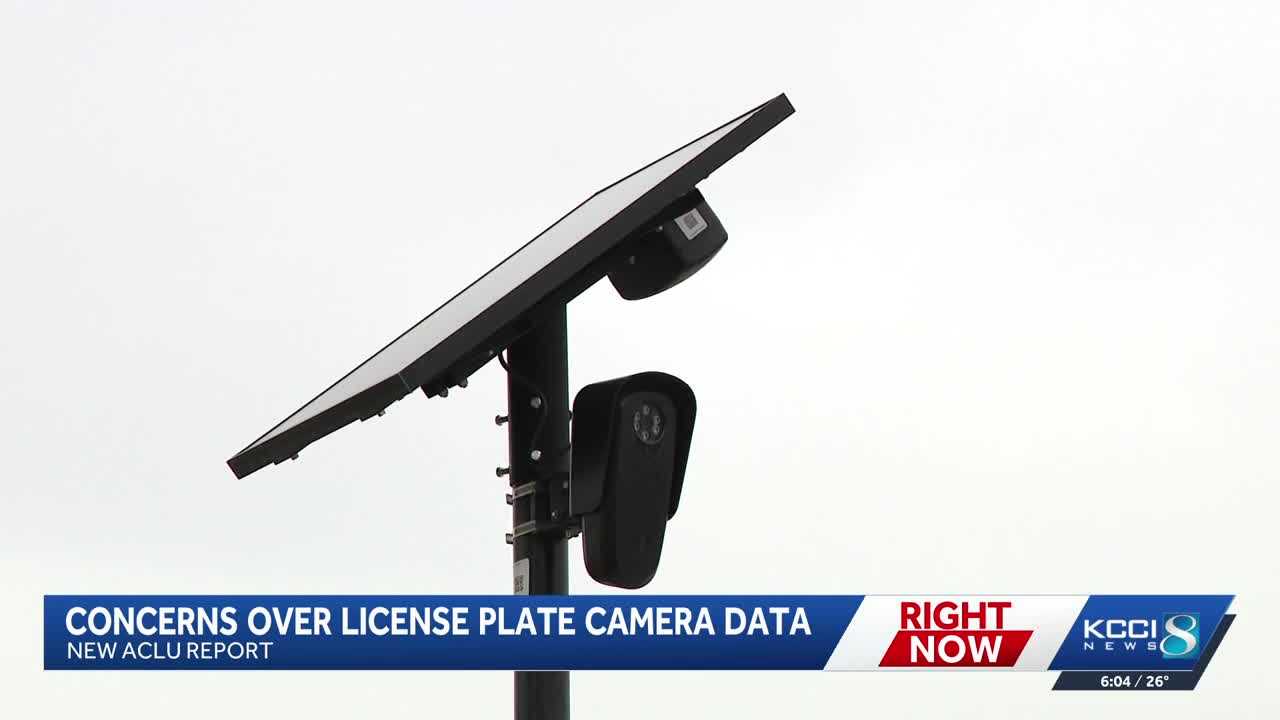
The Debate Over Automated License Plate Readers in Iowa
A recent report by the ACLU of Iowa has brought attention to the lack of consistent regulation surrounding automated license plate readers (ALPRs) across the state. Conducted by the University of Iowa’s Technology Law Clinic, the research highlights concerns about privacy and the need for clearer policies on how these devices are used.
The report was initiated to examine the use of ALPRs in a more systematic way. According to Professor Meghan Graham, who leads the Technology Law Clinic at the University of Iowa, the goal was to understand how different law enforcement agencies across Iowa are utilizing this technology.
The study involved reaching out to nearly 48 law enforcement agencies. Most of them responded, with many reporting that they use ALPRs. Among the companies providing these systems, Flock Safety is the most commonly mentioned, followed by Axon and Motorola.
How ALPRs Work and Their Impact
Rita Bettis Austen, the legal director of the ACLU of Iowa, explained that these devices capture thousands of license plate images as vehicles pass by. This data can then be stored in national databases managed by private vendors who work with local governments.
According to the report, there are over 500 ALPR devices currently operating in Iowa. Additionally, communities spend an estimated $212,000 per month on these systems. However, the policies governing their use vary widely from city to city, town to town, and county to county.
Graham pointed out that differences in how long data is retained, who has access to the system, and what information is shared with the public create a patchwork of regulations. These inconsistencies raise significant concerns about Iowans' privacy.
Law Enforcement Perspectives
Despite these concerns, some law enforcement agencies argue that ALPRs are valuable tools. KCCI reached out to several agencies in Central Iowa and the Des Moines metro area, and while some were unavailable, the Des Moines Police Department (DMPD) provided insight into their policies.
Sergeant Paul Parizek of DMPD explained that the department follows state law, which requires all captured images to be deleted within 30 days unless they are needed for an ongoing criminal investigation. In such cases, the data is copied and attached to the relevant case file.
Parizek also noted that DMPD uses both fixed and mobile ALPR systems. These devices help in locating stolen vehicles or identifying individuals wanted for violent crimes. However, he emphasized that officers must manually verify any alerts before taking action.
“There’s a manual check process to ensure accuracy,” said Parizek. “We don’t act on an alert until we confirm it through traditional channels.”
Real-World Impact
Parizek shared an example from a few years ago when a child was taken by a parent without custody. At the time, Des Moines did not have ALPRs, but a neighboring city did. A license plate reader in Davenport helped track the vehicle, leading to the child's safe return.
“This system helps keep people safe who aren’t involved in any crime,” said Parizek. “It prevents unnecessary stops and inconveniences for innocent drivers.”
Another concern nationwide is the potential misuse of ALPRs for immigration enforcement. However, Parizek clarified that the Des Moines Police Department does not engage in immigration-related activities.
Calls for Better Regulation
The ACLU of Iowa is urging state legislators to consider stronger regulations around ALPRs. Pete McRoberts, the organization’s policy director, stressed the importance of reviewing current contracts and implementing comprehensive privacy protections.
“Our view is that these contracts should be put on hold until the legislature addresses the need for better privacy safeguards,” said McRoberts. “If these systems are going to be used, they should be used appropriately and with respect for people’s privacy.”
As the debate continues, the balance between public safety and individual privacy remains a central issue in the discussion around automated license plate readers in Iowa.

Posting Komentar untuk "ACLU Iowa Report Exposes Flaws in License Plate Reader Oversight"
Posting Komentar