
Australia's Youth Social Media Ban Fails to Address Digital Reality
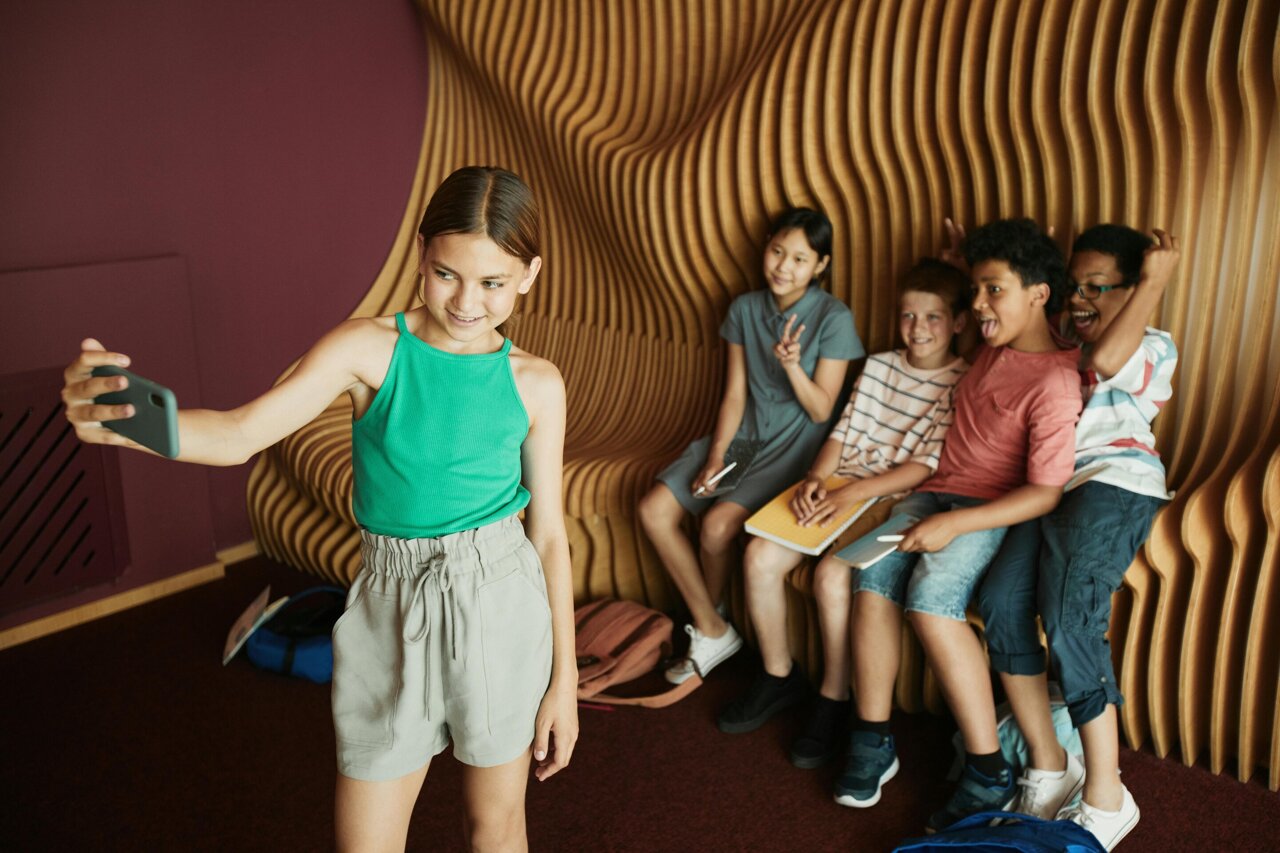
Australia's Bold Move on Social Media for Minors
Australia is about to implement one of the most significant interventions in child digital life by imposing age restrictions on social media for children under 16. This bold policy aims to protect young people from the potential harms associated with platforms like Instagram, TikTok, Snapchat, Reddit, and YouTube. On the surface, it seems like a clear and decisive action—removing digital spaces linked to distress and offering a temporary shield for young people.
However, beneath this surface-level approach lies a complex web of challenges and questions. The policy prohibits children under 16 from creating accounts in their own names, but does this truly address the underlying issues?
The Link Between Social Media and Mental Health
There is growing evidence that heavy or problematic social media use is associated with increased anxiety, depression, and distress. These concerns are at the forefront of national discussions, especially as more young people turn to online spaces for connection and expression.
Yet, blanket bans on technology rarely solve the problems they aim to address. Instead, they often lead to the redistribution of behavior—children may find workarounds, switch to less visible platforms, or engage in alternative forms of online activity. This approach leaves the root causes untouched, which is a common issue seen in other global attempts at regulation.
For example, South Korea’s shutdown of online gaming, China’s regulations for under-18 users, the U.S.’s Children’s Online Privacy Protection Act (COPPA), and even attempts to block ChatGPT in New York schools have all faced challenges in achieving their intended outcomes. So, will Australia’s efforts be any different?
The Dark Web Is Not Entirely Dark
According to a representative survey by the eSafety Commissioner, 53% of Australian children aged 10 to 17 had experienced cyberbullying at some point, with 38% experiencing it within the past 12 months. For trans and gender-diverse children, the rates are even more alarming, reaching 81%.
These statistics are troubling, but we must not generalize the entire internet as a dangerous space. For many young people—especially those who are socially isolated, in state care, part of the LGBTIQA+ community, or living in remote areas—social media is one of the few places where they can find connection, recognition, and solidarity.
So, what problem are we really trying to solve? It's not just about limiting access; it's about addressing the systems that shape young people's digital experiences.
Delaying Access Means Delaying Learning
When we treat social media as a monolith, we avoid the harder truth: the real issue isn’t teenagers themselves, but the systems that govern their digital lives. These include opaque algorithms, outrage-driven recommendation engines, endless scrolling mechanics, and metrics that teach kids to value themselves through likes, views, and notifications.
Removing young adolescents from these environments might offer temporary relief, but the focus should be on changing the business models that drive these platforms. If your roadmap keeps leading you to dead ends, you would question the map—not stop trying to reach your destination.
By "protecting" children from social media, we risk disallowing them valuable learning opportunities and shifting responsibility away from the algorithms and engines that cause harm online. This ban could prevent young people from gaining the literacies and critical capacities they need once they turn 16.
Whose Behavior Are We Regulating?
The legislation technically targets platforms, which will face fines of up to AUD$49.5 million for non-compliance. However, the cultural message sends a different signal. It places the burden on Australian families, implying that parents must manage their children’s digital lives better, while tech giants remain unaccountable.
We have spent two decades allowing a handful of global corporations to build the default social spaces of childhood. When crises like body image issues, online misogyny, algorithmic radicalization, or sleep disruption arise, the regulatory instinct often focuses downward rather than upward.
Banning or delaying access doesn’t dismantle these ideologies—it only temporarily moves them out of sight.
Combining Regulation with Education and Participation
What we must avoid is assuming that a single legal lever will solve a social problem that involves education, clinical care, and technology. Preventing harm requires more than just platform rules. It needs investment in public health, education, and community action.
Classrooms can help build skills that allow young people to navigate the online world with agency and care. If we want young people to be independent, resilient, and safe, the social media delay must be matched by investment in youth mental health, digital literacy, or social-emotional learning.
Only through this kind of targeted education can we address the critical risks associated with developmental vulnerability.
It’s also not just about what we say, but how we listen and encourage participation. Young people—while consulted, quoted, and surveyed—have not been granted power in the design of the systems that govern their lives.
Leading with Curiosity
What matters is not the absence of TikTok, but the presence of safe adults, tailored education, and realistic boundaries. The real work remains the same: staying curious about our young people, talking with them—not just about rules, but about relationships, ethics, vulnerability, joy, and power and how that can present online and in the real world.
This ban may stall the harms of social media for the time being, but if we ignore the mechanics of the platforms themselves and neglect to shift to a culture of care and inclusion, we risk their long-term future.

Posting Komentar untuk "Australia's Youth Social Media Ban Fails to Address Digital Reality"
Posting Komentar