
California's New Plan to Charge EV Owners

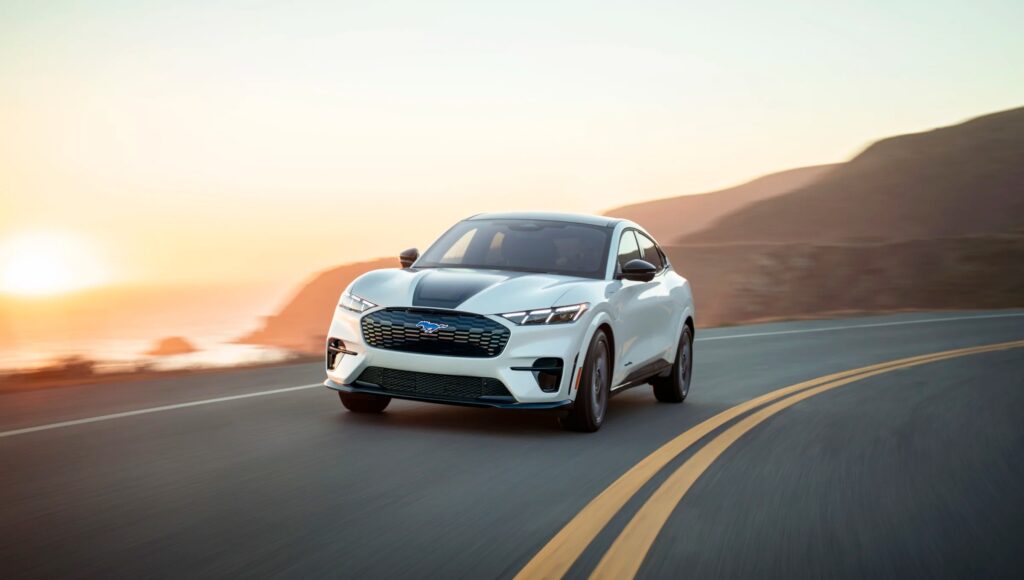
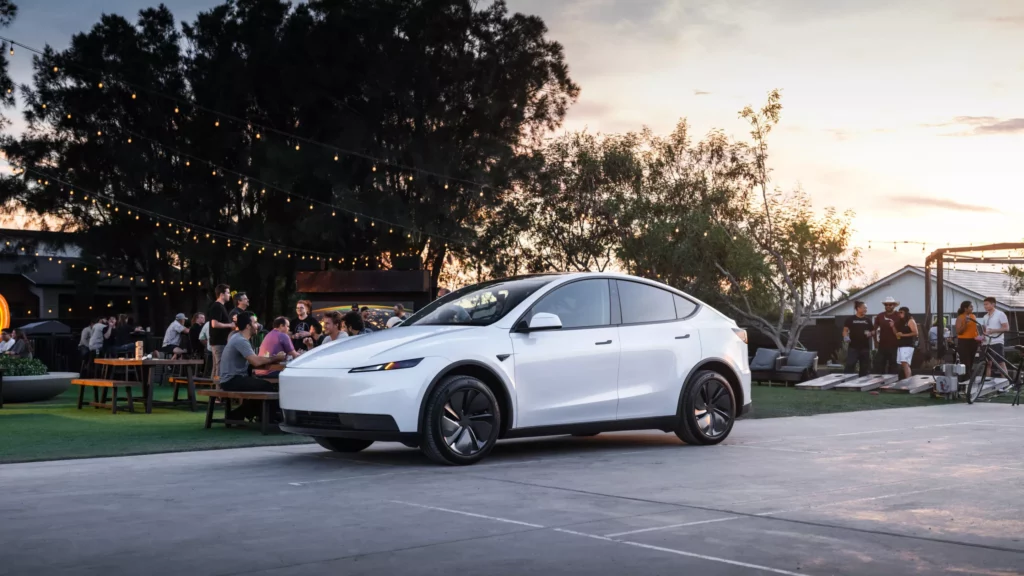
California is considering implementing a per-mile road tax for electric vehicle (EV) drivers, potentially charging up to 4 cents per mile driven. This move comes as the state faces a growing challenge in funding road maintenance due to the increasing adoption of EVs.
The Role of Gas Taxes in Road Funding
Currently, approximately 80% of California’s road maintenance budget is funded through gas taxes. For every gallon of gasoline pumped at the station, around 61 cents goes toward maintaining the state's extensive network of highways, freeways, and local roads. However, as more drivers switch to EVs, this revenue stream is expected to decline significantly.
The Need for a New Funding Model
California has set an ambitious goal of achieving carbon neutrality by 2045, which involves a significant shift toward electric vehicles. This transition means moving away from traditional gas-powered cars, which have long been a major source of road funding. In response, officials are exploring alternative methods to fund road maintenance, including a per-mile road tax for EV drivers.
Pilot Program and Potential Costs
In a recent pilot program, California tested a road tax that charged EV owners between 2 and 4 cents per mile driven. While the concept is straightforward, implementing such a system could be complex and costly. The state would need to develop a way to track each vehicle's mileage, which could involve installing tracking devices in EVs. These devices would log miles traveled and transmit the data to authorities for tax purposes.
Challenges and Concerns
One of the main concerns is the cost associated with setting up and maintaining the tracking system. If implemented on a large scale, this could become expensive, especially if it needs to be rolled out across all EVs in the state. Additionally, there are privacy concerns about how the data would be handled and used. Drivers may worry about being monitored directly, particularly if the data is managed by third parties or used beyond just tax purposes.
Impact on Different Drivers
The proposed road tax could disproportionately affect certain groups of drivers. For example, commuters traveling long distances, such as those living in rural areas or with lengthy commutes, may face higher costs. A commuter traveling daily between Hanford and Fresno could face around $11 a week under the proposed system, which could add up to a significant expense over time.
Balancing Fairness and Practicality
While the idea of a per-mile road tax aims to ensure that all drivers contribute to road maintenance, it raises questions about fairness. Some argue that it is only fair for those who use the roads to pay for them. However, others are concerned that the tax could place a heavier burden on certain individuals, particularly those with limited alternatives for transportation.
Ongoing Discussions
As California weighs its options, officials must address these challenges while ensuring that the new funding model is both effective and equitable. The debate continues as the state looks for a solution that balances the need for road maintenance with the realities of a growing EV market.
Potential Solutions and Considerations
To address the challenges of implementing a per-mile road tax, officials may explore various solutions. One possibility is using existing technology, such as GPS systems or onboard diagnostics, to track mileage without the need for additional hardware. Another approach could involve using data from vehicle registration or other sources to estimate mileage.
However, any solution must also consider the potential impact on driver privacy and the cost of implementation. The state will need to find a balance between collecting necessary data and protecting individual rights.

Posting Komentar untuk "California's New Plan to Charge EV Owners"
Posting Komentar