
Gemini 3 and Nano Banana Pro Signal Google's Surprising Shift
Google's AI Turnaround: The Rise of Gemini 3
When ChatGPT first emerged a few years ago, Google's strategy was to integrate AI technology into as many products and services as possible. However, this approach initially fell short. ChatGPT had more advanced models, a wider range of use cases, and a stronger brand presence.
Over the past year, there has been a noticeable shift in the AI landscape. Gemini has consistently gained web traffic share over the past 12 months, gradually challenging ChatGPT's dominance. This trend is supported by data from SimilarWeb on X. In addition to this, Gemini 3 has made a significant impact, with its positive reception leading Google to take creative measures to meet the high demand.
I am optimistic about Google's ability to outperform competitors like OpenAI, and this confidence isn't solely based on Gemini 3's benchmarks or its ability to generate images using Nano Banana. These factors are just a small part of what contributes to the success of an AI suite. Instead, I believe that Google finally understands the broader picture.
Google’s Approach to AI Ecosystems
One of the key elements of Google's success lies in its ability to build great AI models and wrap them in user-friendly apps while creating catchy brands for its AI models. This approach has helped Google regain my trust after previously underestimating the importance of a user-friendly and brand-positive package for AI models.
Gemini 3 showcases Google's capability to maintain its position at the top of the AI industry. 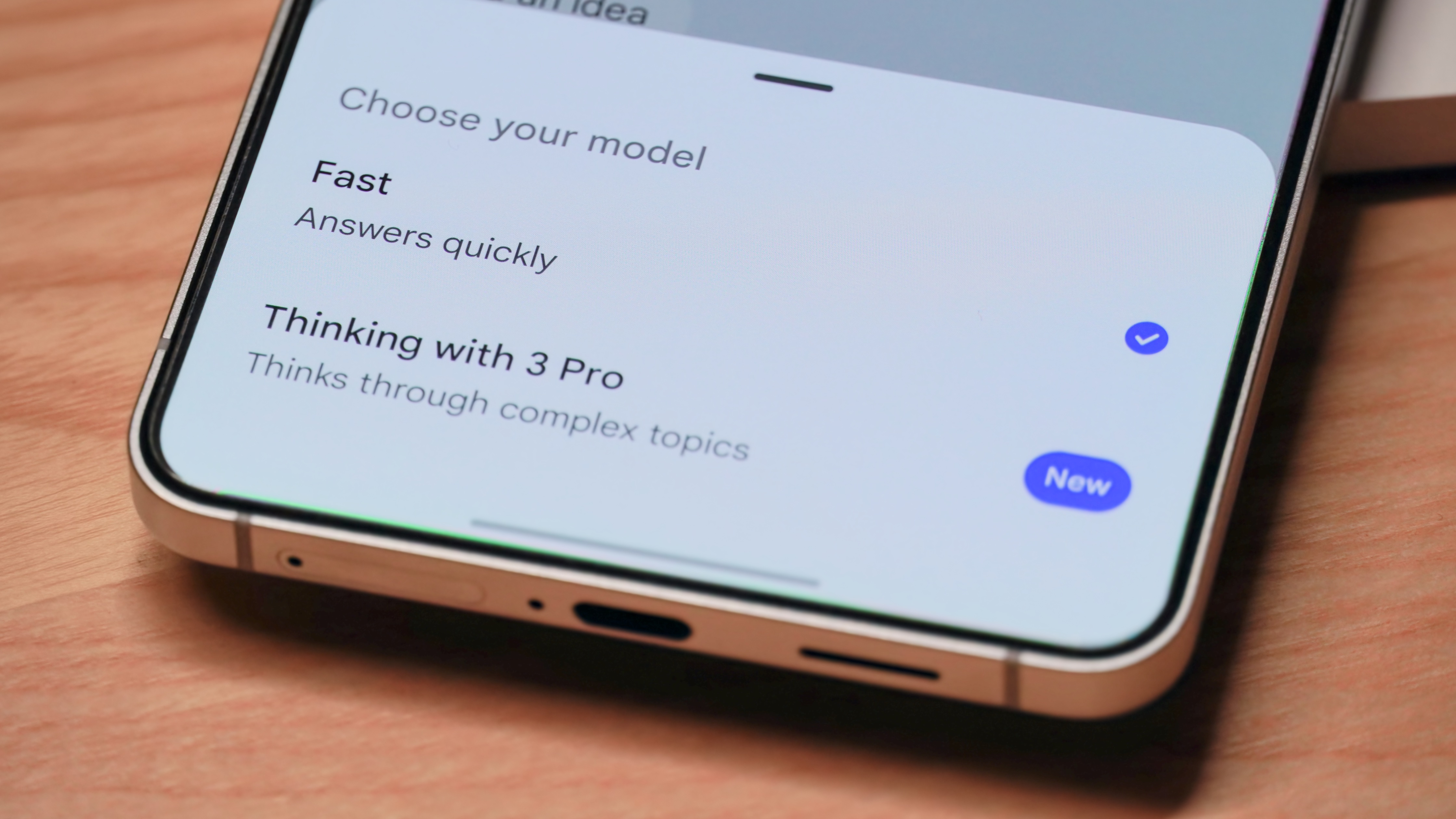
Building a single great AI model is not enough for sustained success. OpenAI was once the leader in quality large language models (LLMs), but now its GPT-5.1 model ranks outside the top five on the LMArena leaderboard. Similarly, DeepSeek experienced a rapid rise in early 2025, only to fade quickly when other companies caught up.
When Gemini 2.5 Pro dominated the LMArena and WebDev Arena leaderboards, I still needed to see more. Eventually, it was surpassed by models from xAI, Anthropic, and OpenAI. However, the return of Gemini 3 Pro to the top of the chart after being dethroned by Gemini 2.5 Pro is a positive sign of Google's consistency.
Gemini 3 Pro remains the top-ranked text model on the LMArena leaderboard. Google leads in multiple categories, including text, vision, text-to-image, image editing, search, text-to-video, and image-to-video. The only category where Google doesn't lead is the WebDev Arena. Gemini 3 Pro debuted in the top spot but was later bumped down to second place by Claude Opus 4.5.
Google's consistent performance across various AI domains inspires confidence. It's not just about creating industry-leading models; it's also about building new ones while facing competition from other companies.
Understanding the Importance of Availability and User Interfaces
Another promising aspect of the Gemini 3 launch is the model's availability. It was immediately accessible across the Gemini app, AI Mode in Search, and Google's developer tools, including Google AI Studio and Vertex AI. This marks the first time a new AI model has been available in Google Search, the company's flagship product, on day one.
A model's value is closely tied to its availability and user interfaces. Google's approach with Gemini 3 demonstrates that it understands this. Multiple new ways to interact with Gemini 3 were introduced alongside the model. 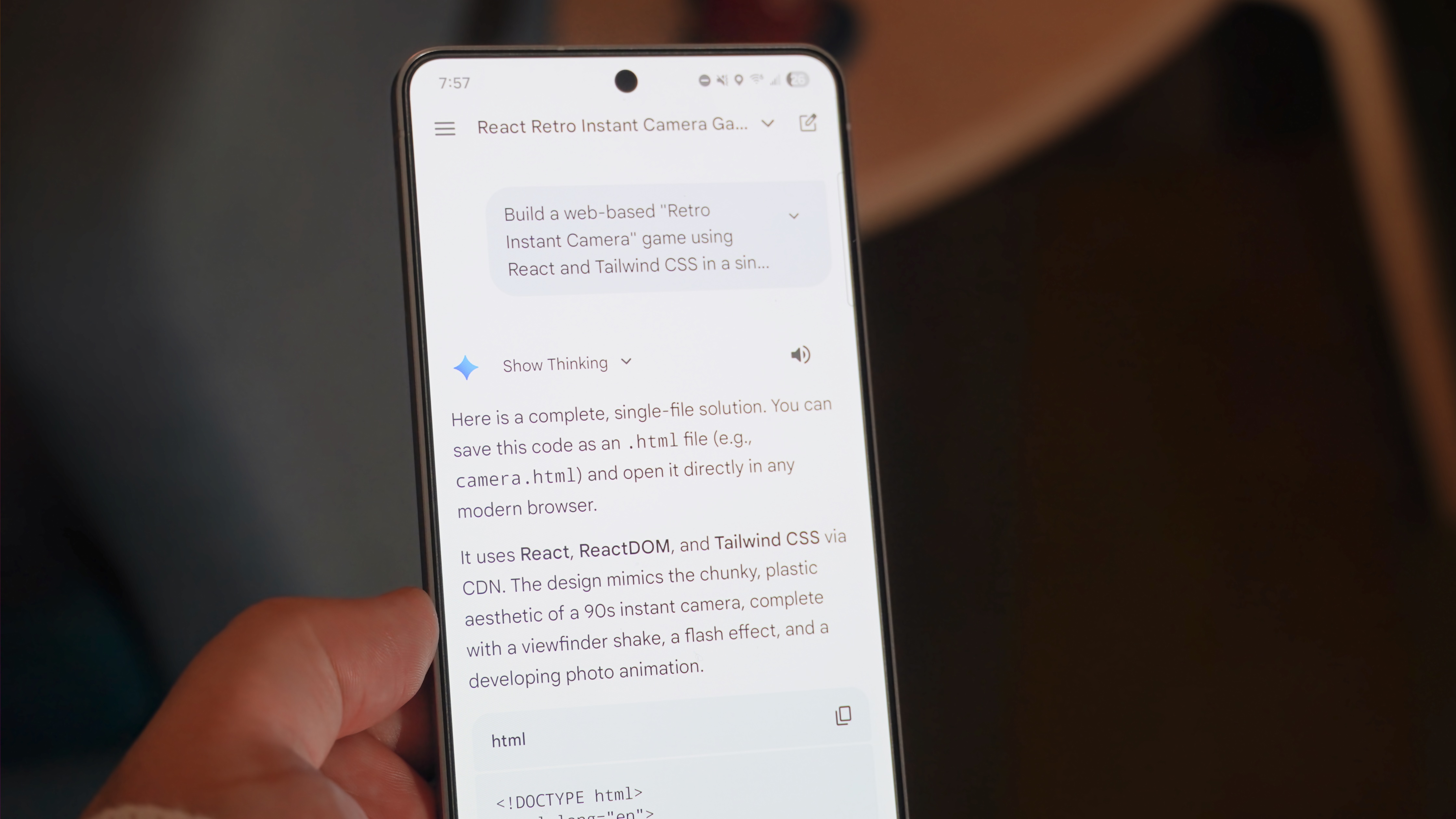
The Gemini Agent is an agentic platform that can perform actions on behalf of users within and beyond the Google ecosystem. AI Mode in Search added generative UIs, which are custom and interactive visuals created in real-time using Gemini 3. Most importantly, Google released a brand-new app called Antigravity, featuring an agent-first integrated development environment (IDE).
The Power of Branding in AI
Google clearly recognizes the importance of branding in the AI race. OpenAI demonstrated this with Sora, an app that transformed the perception of AI-generated videos. What was once considered "slop" became fun and engaging. Google took note, and Nano Banana follows a similar blueprint.
Nano Banana Pro is essentially the Gemini 3 Pro Image model, but instead of a straightforward name, Google chose a quirky name with a banana emoji. While the meaning behind "Nano Banana" remains unclear, the branding is designed to make AI image generation more approachable for everyday users, much like Sora did for videos.
Before Nano Banana, Google's generative image and video models were often seen as "slop." However, Nano Banana has changed that perception, making image models more appealing and relatable.
A Major Turning Point for Google’s AI Efforts
Gemini 3 could not have arrived at a better time for Google. The company needed to demonstrate its understanding of what makes a great AI ecosystem, and it succeeded. 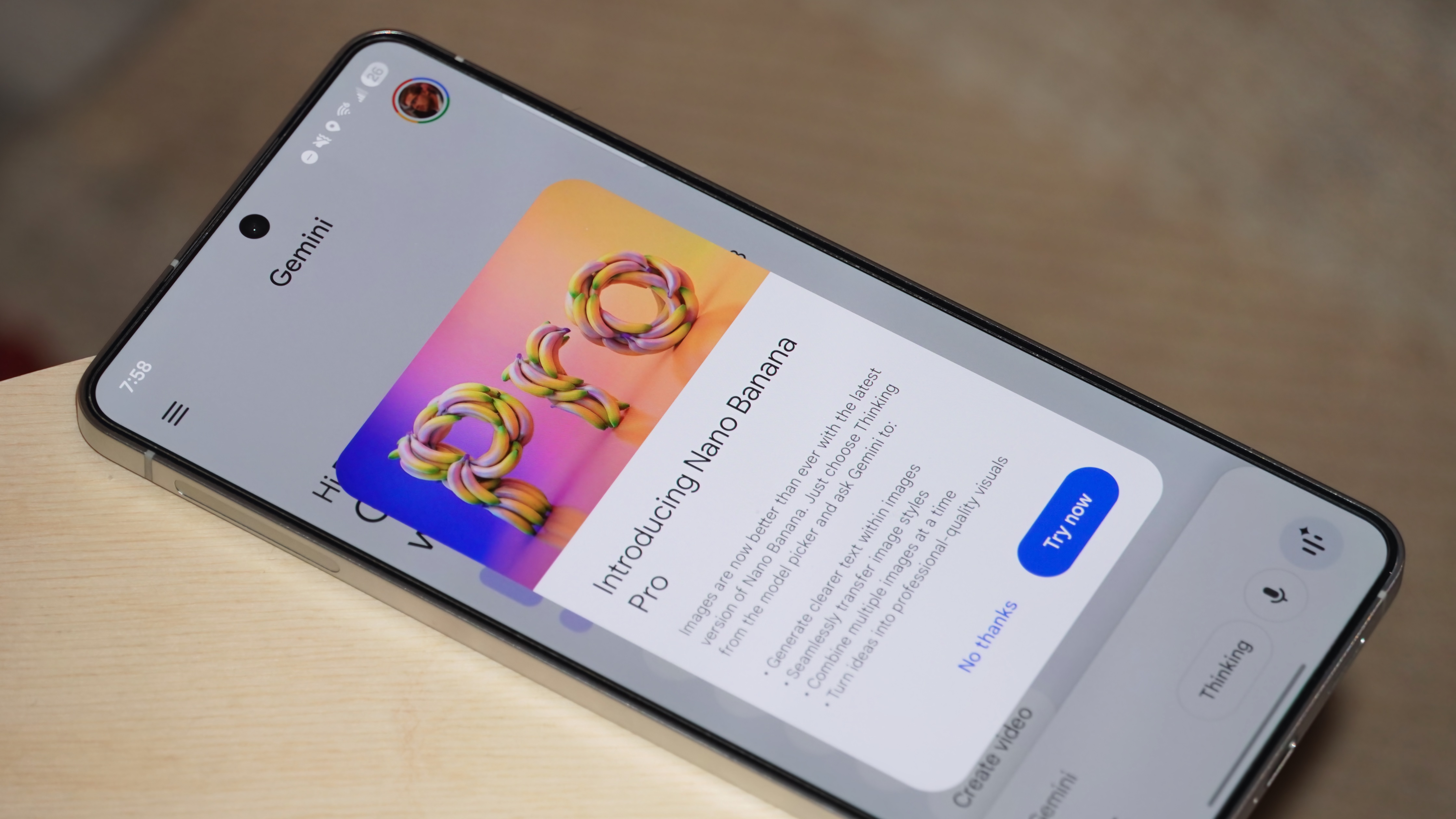
Gemini 3 Pro and Gemini 3 Pro Image show that Google can respond effectively to challenges from competing models developed by xAI, Anthropic, and OpenAI. New apps like Google Antigravity prove that Google understands the importance of user interaction with AI models. Additionally, Nano Banana signals that Google has finally grasped the significance of brand power in the AI race.
Google's AI efforts are now firing on all cylinders, and I'm excited to see what comes next.

Posting Komentar untuk "Gemini 3 and Nano Banana Pro Signal Google's Surprising Shift"
Posting Komentar