
Is Your iPhone Charging in a Dangerous Spot?
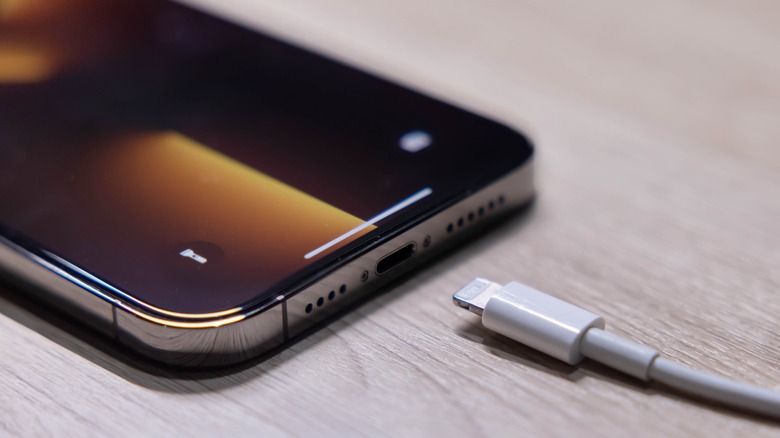
Phone batteries have come a long way in recent years, thanks to advancements in battery technology and more efficient chipsets. Most modern smartphones can easily last a full day with normal usage, but there are times when you might find yourself needing to charge your phone before the day is over. This could be due to an older device with a degraded battery or simply forgetting to charge your phone in the morning. Regardless of the reason, having access to a charger and a charging port becomes essential.
Finding an AC outlet in public spaces is usually straightforward, and as long as you have your charger, you should be fine. Additionally, many public places such as airports, shopping malls, and hotel lobbies offer charging stations or kiosks. These often include free-to-use USB ports, so all you need is a USB charging cable to power up your phone without carrying your charger. While these options are convenient, they also pose certain security risks that could potentially expose your personal information to hackers.
Public USB ports put your phone at risk for juice jacking
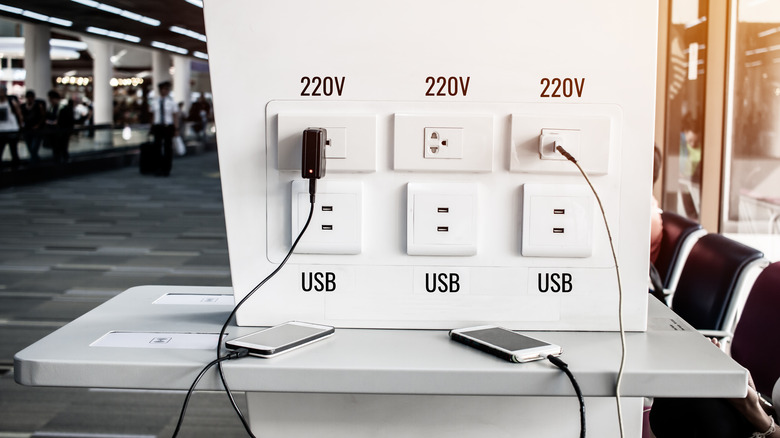
Unlike standard electrical outlets, USB ports can be compromised by malicious actors to install malware on connected devices. These individuals could then lock your phone or steal sensitive data, which might be accessed by the hacker or sold to third parties. The reason USB ports are more vulnerable is that they support both charging and data transfer, making them a higher-risk option compared to traditional outlets. This type of attack is known as "juice jacking," and it has been warned about by various authorities, including the FCC and FBI.
Although the FCC has not confirmed any actual cases of juice jacking, it acknowledges that it is technically possible. There are proof-of-concept demonstrations showing how such an attack could occur, even if no real incidents have been reported yet. Still, taking this risk is unnecessary unless you have no other choice for charging your device.
When it comes to unsafe charging locations, avoid using a stranger's laptop to charge your phone. While this may not be something most people would do, it's important to remember that connecting your phone to a laptop via USB can allow data to be transferred between the two devices.
How to safely charge your phone in public
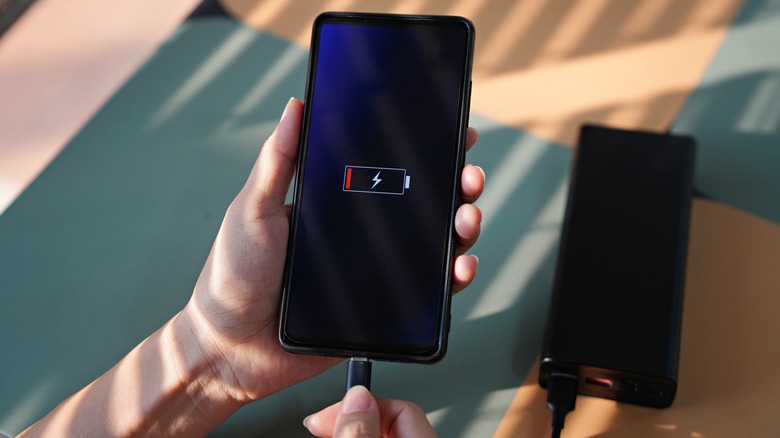
There are several ways to ensure your phone remains secure while charging in public. One of the simplest methods is to carry your charger and USB cable with you. AC outlets are generally safe because they cannot be tampered with, eliminating the risk of data theft.
Another option is to use a power bank or portable charger. This is likely the most convenient method for keeping your phone charged while on the go. A 10,000mAh power bank should provide enough power for two to three full charge cycles for most smartphones. Brands like Anker and Baseus offer a range of affordable and compact power banks that are easy to carry.
If you prefer not to carry a charger or power bank, consider using a charge-only USB cable. These cables are designed to only provide power and do not support data transfer, reducing the risk of potential breaches. They are often labeled as "data blockers" on platforms like Amazon and typically cost just a few dollars. You can also purchase data-blocking USB adapters that attach to a regular USB cable to achieve the same result.
Finally, always be cautious if your phone displays a prompt asking you to trust a computer. Only accept such requests if you are certain the computer is trustworthy. By following these precautions, you can help protect your phone and personal information while charging in public spaces.

Posting Komentar untuk "Is Your iPhone Charging in a Dangerous Spot?"
Posting Komentar