
"It Took an Eternity": The Navy's Costliest Carrier Took Over a Decade to Build
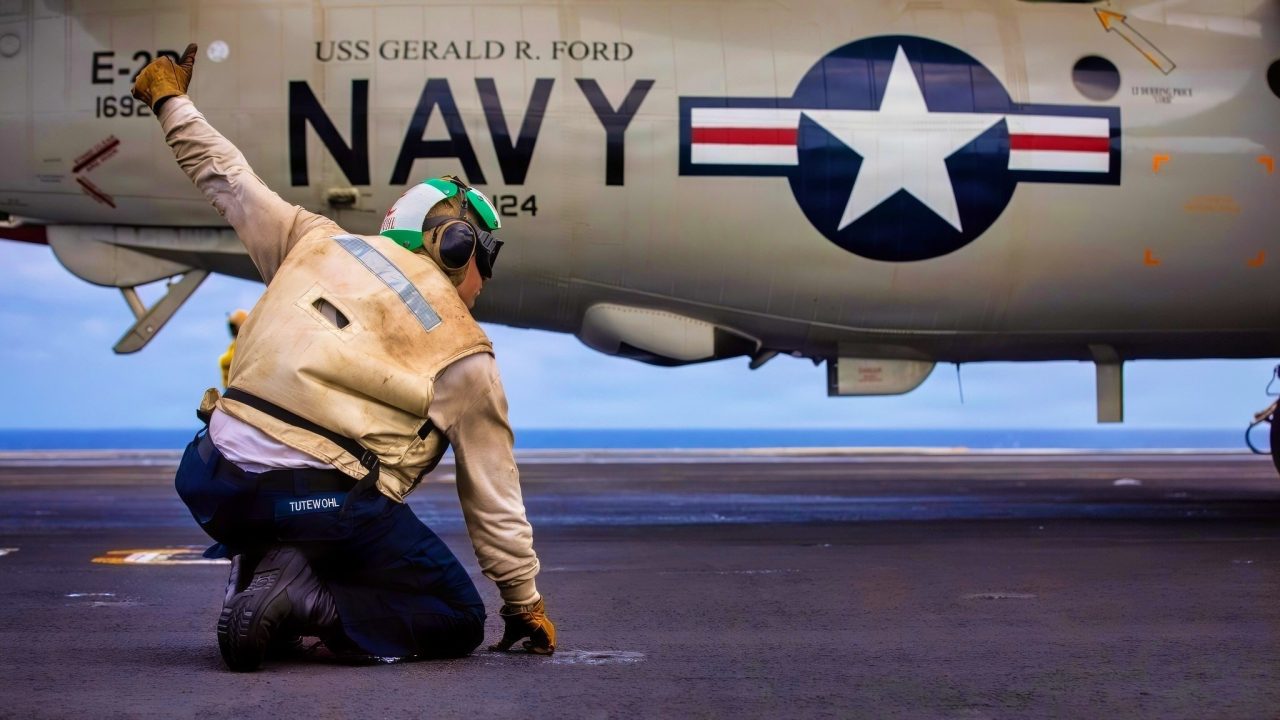
Key Points and Summary
The USS Gerald R. Ford was designed to revolutionize U.S. carrier aviation, but its journey to sea was marked by delays and rising costs. The ship incorporated numerous "firsts" at once, including EMALS catapults, Advanced Arresting Gear, new reactors, and electromagnetic weapons elevators, all while the Navy was still finalizing the design. This approach led to redesigns, rework, and reliability failures across a single shipyard. As a result, the carrier became late and over budget, serving as a cautionary tale about concurrency, immature technology, and unrealistic expectations. These lessons are now influencing the construction of the John F. Kennedy, Enterprise, and future Ford-class ships.
Why Did The USS Gerald Ford Aircraft Carrier Take So Long To Build?
The U.S. Navy's newest generation of supercarriers, the Gerald R. Ford (CVN-78) class, was intended to give the United States a significant advantage in carrier aviation. However, the program faced years of delays and billions in additional costs. The first Ford-class carrier, the USS Gerald R. Ford, struggled with reliability issues due to the integration of ambitious new technologies like EMALS catapults and advanced weapons elevators that were still under development.
The decision to begin building the carrier while making significant design changes mid-construction and dealing with first-of-class "teething problems" with complex systems caused cascading delays and rework at a single shipyard. All of this has resulted in substantial cost overruns for taxpayers. The challenges with the Ford-class construction are not yet resolved.
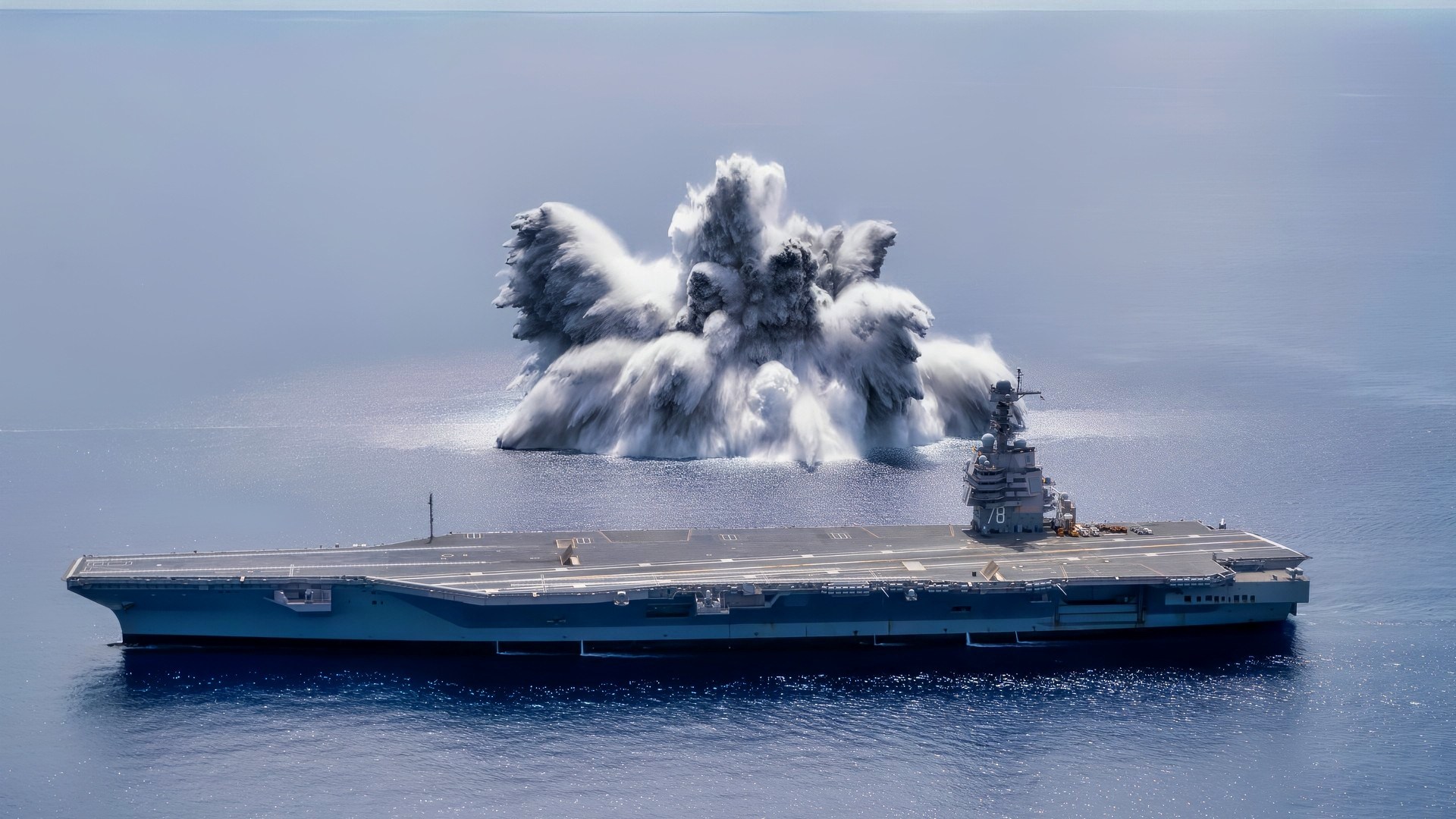
The USS John F. Kennedy Is Delayed Two Years
The next Ford-class aircraft carrier, the USS John F. Kennedy, is facing a two-year delay, leaving the Navy with only 10 carriers for about a year. It should be noted that only about six carriers operate at sea at any time. The impending retirement of America's oldest aircraft carrier, the USS Nimitz (CVN-68), in May 2026, will leave the Navy even more stretched thin.
According to the Navy's Fiscal Year 2026 budget justification documents, the USS John F. Kennedy (CVN-79) will now be delivered in March 2027, instead of the previously planned July delivery. A Navy spokesperson stated that the Navy is exploring opportunities for preliminary acceptance of the vessel before formal delivery and is coordinating closely with stakeholders to ensure the fastest possible transition to fleet operations and a combat-capable carrier.
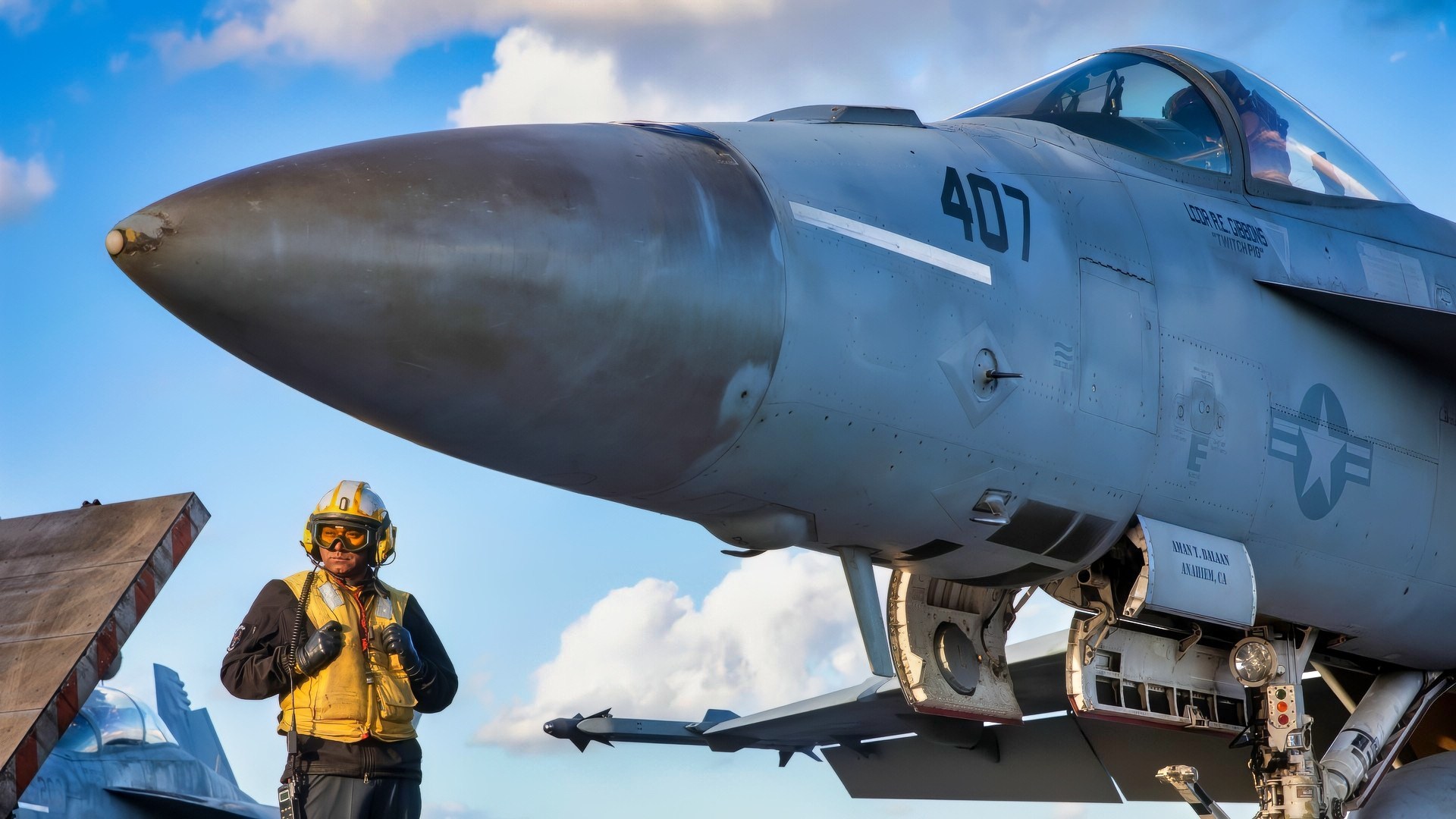
What Were The Issues With the USS Gerald Ford Aircraft Carrier?
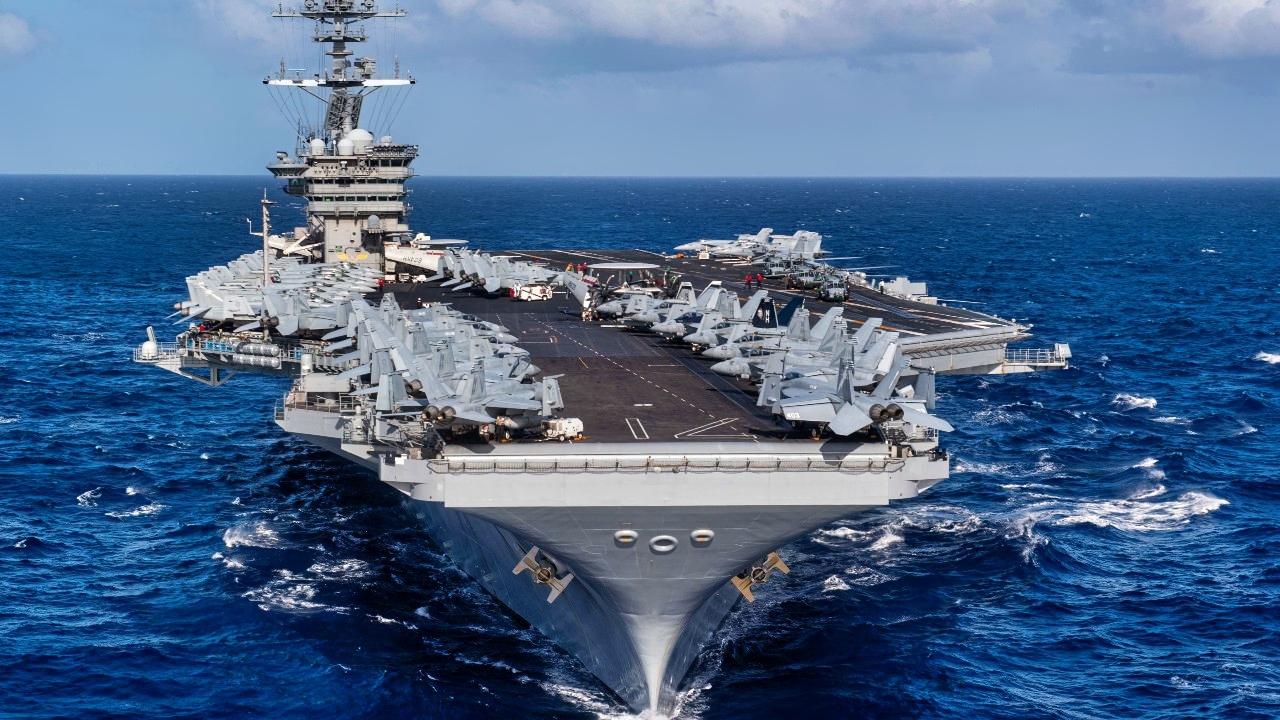
The Ford-class carriers were designed to transform carrier aviation and maintain a technological edge over Chinese naval advancements. The design included several significant improvements, such as a higher sortie generation rate, which would allow the carrier strike group to launch and recover more aircraft per day. The carriers also feature increased automation, reducing crew size and maintenance needs.
New systems include the Electromagnetic Aircraft Launch System (EMALS), Advanced Arresting Gear (AAG), and advanced weapons elevators. These systems require far more electricity than Nimitz-class ships to achieve nearly unlimited range and power new technologies like advanced arresting gear. The structure features larger superlifts for easier construction and a redesigned island. The goal is 50 percent less reactor manning and 25 percent more power than previous carriers, supporting future upgrades and faster flight operations.
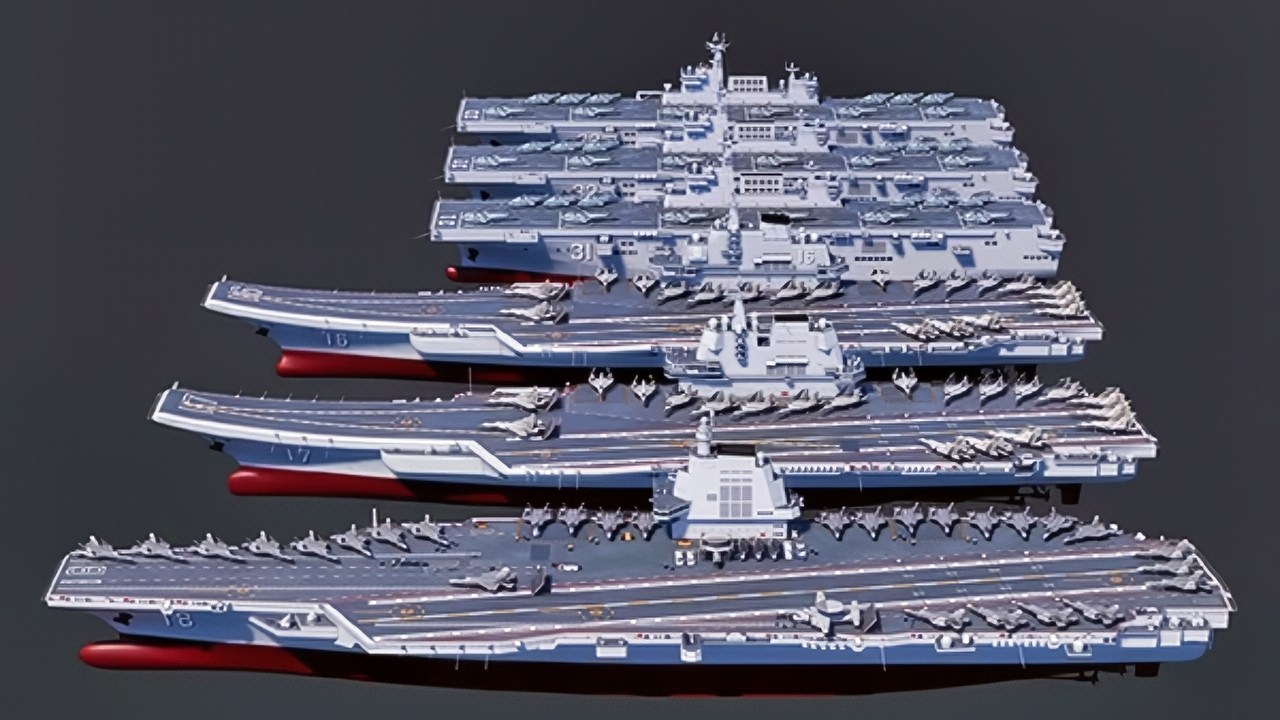
The Troublesome EMALS Feature
Ford-class carriers were designed to offer significant advancements over Nimitz-class carriers, including an all-electric power system and electromagnetic aircraft launch systems (EMALS) for more efficient flight operations. The EMALS system is supposed to be more efficient, smaller, lighter, more powerful, and easier to control. Increased control allows EMALS to launch both heavier and lighter aircraft than traditional steam catapults.
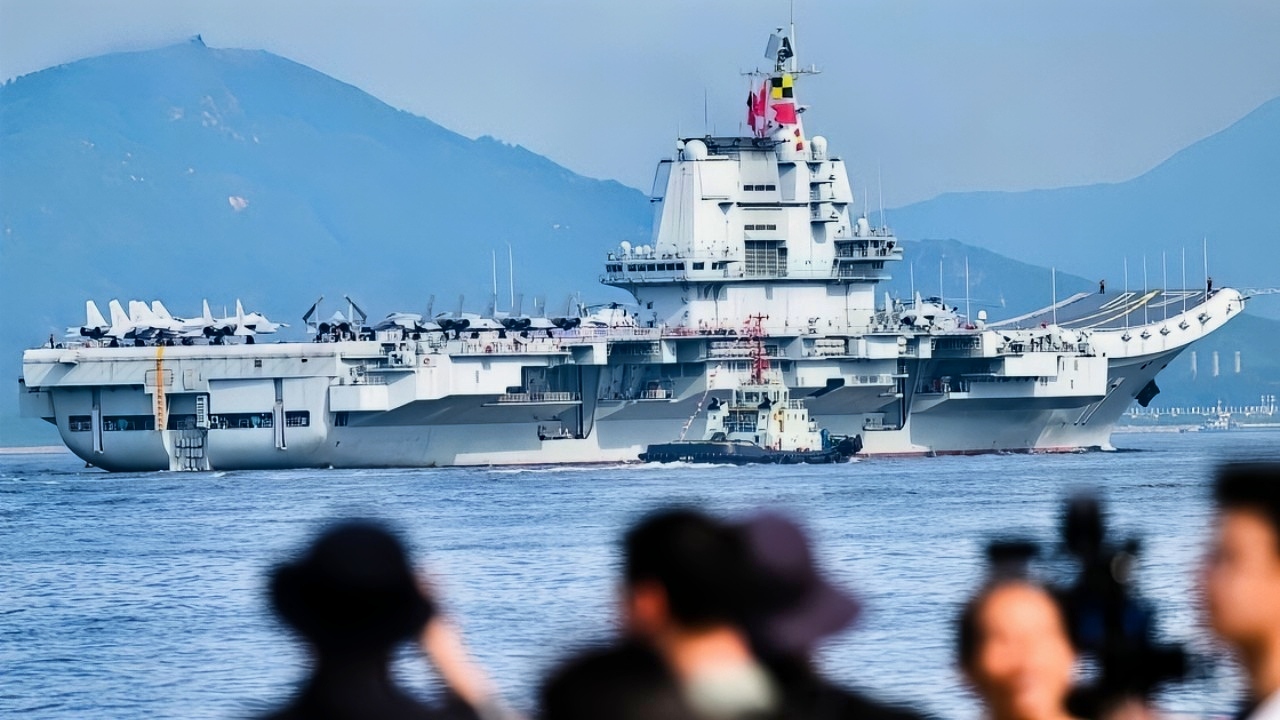
However, the Ford-class carriers have faced significant issues with EMALS, including reliability failures, complex maintenance requirements, and difficulties meeting sortie generation goals, leading to operational delays and high costs. Although the Navy is working on fixes and reports show improvements, there are persistent concerns about immature technology integration and demanding upkeep. China has featured EMALS on its new Fujian aircraft carrier, with state-run Chinese media claiming high reliability.
Issues With The New Advanced Arresting Gear
The Advanced Arresting Gear (AAG) is a modular, integrated system consisting of energy absorbers, power conditioning equipment, and digital controls. It is designed as the follow-on to the Mark-7 (Mk-7) arresting gear. The AAG architecture includes Health Monitoring Assessment and Prognostics technology and a digital control system, providing built-in test and diagnosis, resulting in less maintenance and manpower needed to operate than the Mk-7.
This system is designed to provide higher reliability and safety margins, allowing sailors to focus on other areas of need. The system is also designed to enable potential arrestment of a broader range of aircraft, from the lightest unmanned aerial vehicles to the heaviest manned fighters. The current Mk-7 Mod 3 arresting gear is a hydraulic system on U.S. aircraft carriers that quickly stops aircraft using a tail hook to engage cables stretched across the deck. However, the AAG has faced significant reliability issues, software glitches, and hardware flaws, particularly with the "water twister" shock absorbers, leading to frequent breakdowns and underperformance with lighter aircraft.
The Advanced Weapons Elevator
Advanced Weapons Elevators (AWEs) are electromagnetic systems used on the USS Gerald R. Ford (CVN 78) to move ordnance from weapons magazines to the flight deck. They are faster, have more than twice the capacity of older hydraulic systems, and operate more smoothly with fewer crew members thanks to their advanced electronic and electromagnetic propulsion.
The issues with the AWEs primarily stem from complex integration problems, software glitches, and installation errors with the new electromagnetic (maglev) system, leading to delays, cost overruns, and reduced operational readiness on the first carrier, USS Gerald R. Ford. Efforts are being made to fix these issues for the first ship and apply lessons to subsequent carriers like CVN-79, aiming to increase sortie rates.
Lessons Learned and Future Implications
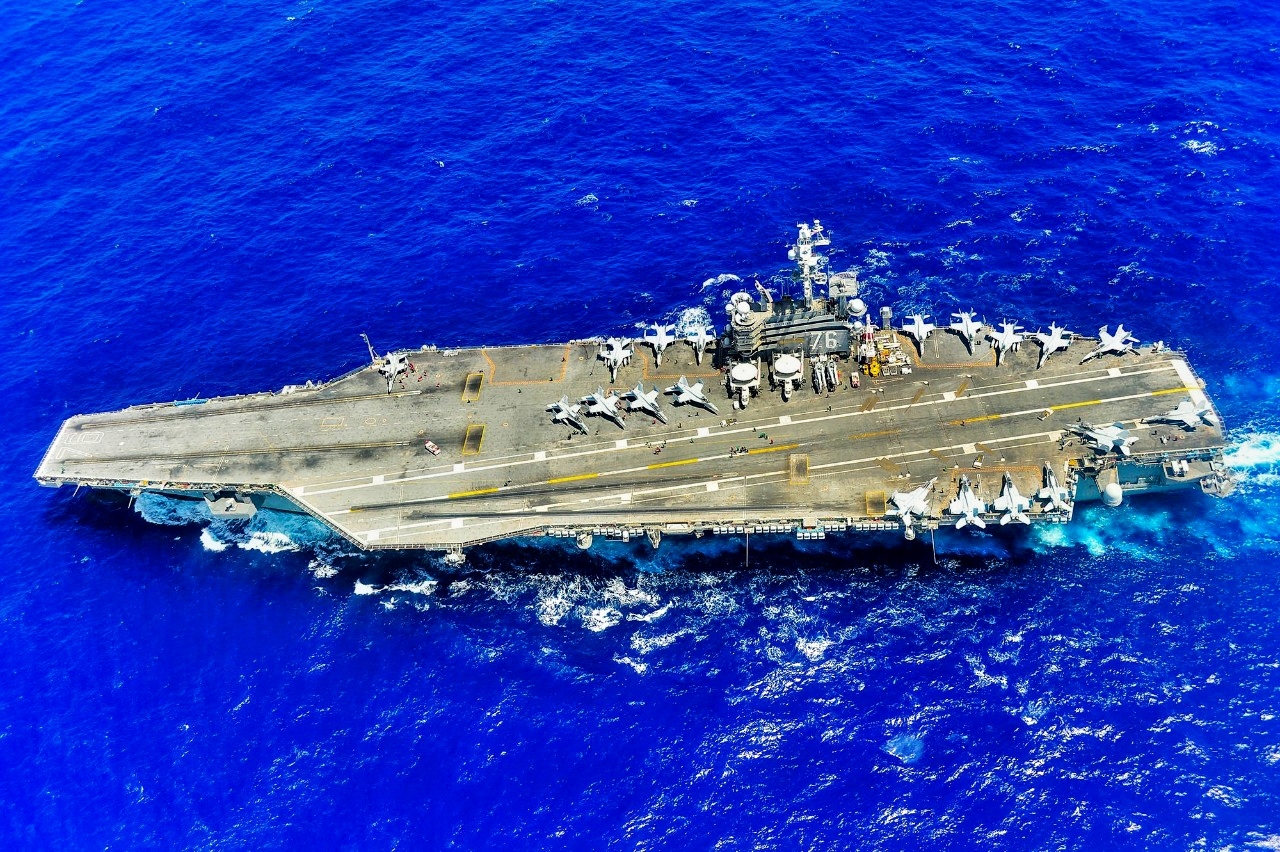
Huntington Ingalls Industries (HII) spokesman Todd Corillo noted that lessons learned from building the carrier will make it easier to build future Ford-class carriers. However, the decision to concurrently build the supercarriers while still designing them had the opposite effect, leading to poor outcomes. Frequent design changes during construction compounded the problem, forcing schedule resets and hardware retrofits halfway through the build, resulting in billions of dollars of cost overruns. Having only one shipyard capable of building the supercarriers has further exacerbated the issues.

Posting Komentar untuk ""It Took an Eternity": The Navy's Costliest Carrier Took Over a Decade to Build"
Posting Komentar