
NYC Gives $12,000 in Crypto to Select Residents
The Experiment in Digital Cash
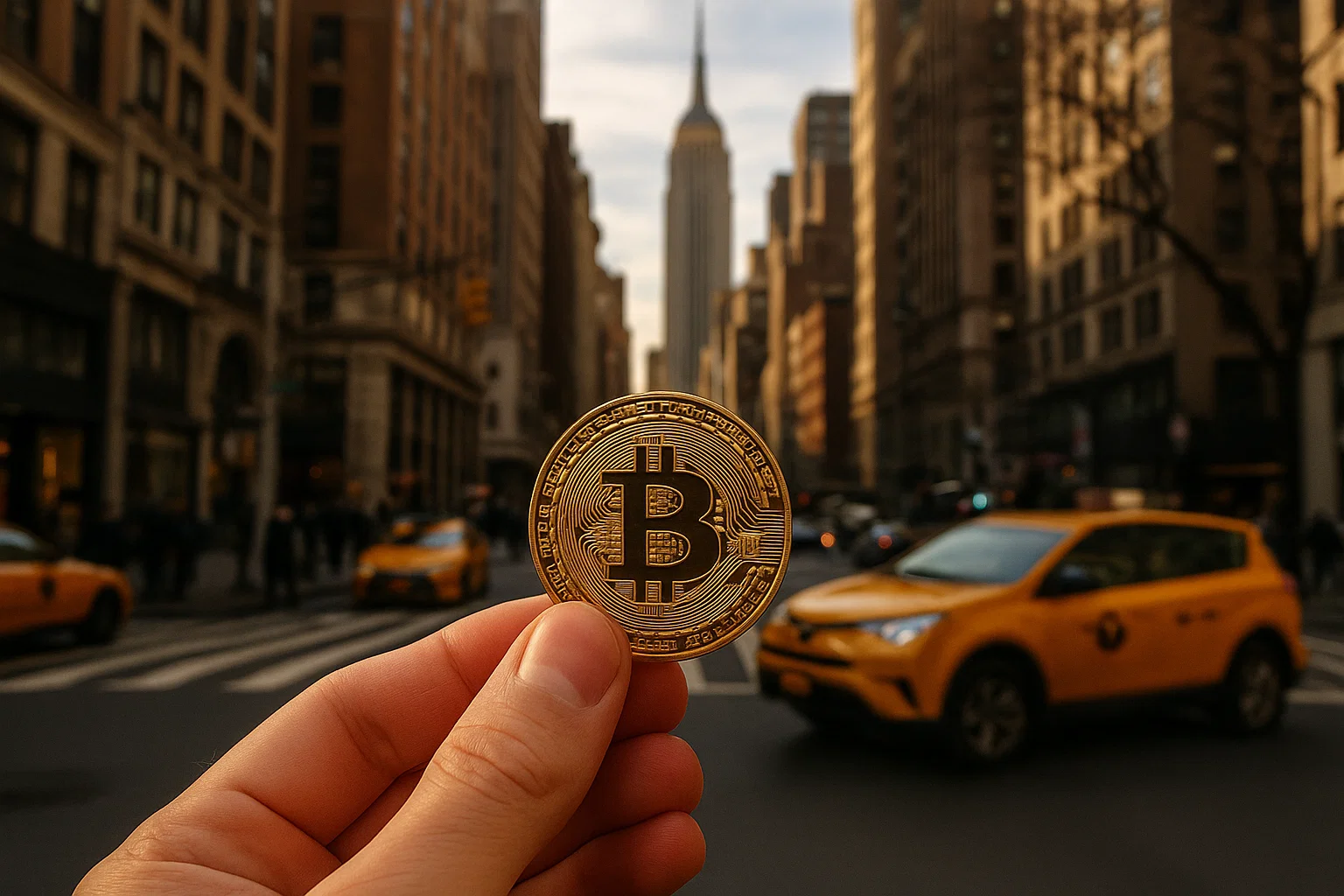
New York recently distributed $12,000 in cryptocurrency to 160 residents, with no need for a bank account, paperwork, or any strings attached. This initiative marks the first real-world test of what a stablecoin-powered safety net could look like, and it's taking place in one of the world's most significant financial hubs.
The Quiet Giants Behind the Curtain
The program is managed by GiveDirectly, a nonprofit organization that believes in the power of direct cash transfers. The group was founded in 2009 in East Africa, where they tested whether giving people money directly could be more effective than traditional aid programs that often come with strict rules and extensive paperwork.
The outcomes were surprising to many outsiders. Recipients didn't squander the money. Instead, they used it to pay bills, save, invest in small businesses, and make long-term decisions that improved their lives. Since then, GiveDirectly has conducted pilots around the globe, meticulously tracking every dollar to understand the impact of direct cash over time.
The funding for this initiative comes from Coinbase, a U.S. cryptocurrency exchange that has helped bring buying and holding digital assets into the mainstream. While Coinbase is offering support, they are also using this opportunity to test stablecoins in the real world. It's essentially a live demo: can USDC function as cash without banks, wires, or complications?
For the United States, this is an unusual glimpse into how digital dollars might become part of daily life, and Wall Street is watching closely.
How the Experiment Actually Works
Participants aren't receiving paper checks or bank transfers. Instead, they receive USDC directly into a crypto wallet — no bank account, no branch visit, and no approval process required. Each person receives an initial lump sum of $8,000, followed by five monthly payments of $800, arriving on schedule like a regular salary deposit.
Researchers then monitor how the recipients spend, save, or move these digital dollars. They compare the results to traditional cash aid to see if the money flows smoothly and if people treat USDC like regular cash. If so, it would be a strong indication that stablecoins can function as everyday money, not just trading tools.
Why Traders Should Be Watching
This experiment serves as a stress test for stablecoins in the real world. If users spend easily, confidence increases. If they hesitate, doubt may arise. Either way, this pilot provides valuable insights into how stablecoins are perceived and used, which can influence market sentiment faster than earnings reports ever could.
For traders, this pilot isn't just a feel-good story. It's an early indicator of whether people view USDC as real money or as something experimental they prefer to avoid. The answer will shape how seriously markets take stablecoins during times of volatility.
Where Real Risk Hides (And Where Retail Panics)
Stablecoins aren't magic. Their $1 peg relies on reserves and trust. Some critics warn that putting money in crypto wallets might push some individuals toward riskier tokens, turning safety-net funds into fuel for the next hype cycle.
However, disciplined traders understand that the real danger isn't volatility itself, but what happens if confidence wavers while people are still using these coins for essentials like rent, food, and bills. If liquidity dries up when they try to cash out or move funds, panic could ensue. For traders, this isn't a casino moment; it's a live test of whether stablecoins can handle real-life pressure without failing.
Signals That Will Matter Next
Traders should keep an eye on the speed at which stablecoin transactions occur, as adoption rates reveal more than headlines ever could. New city or state pilot programs could emerge at any time, each serving as a hint about how digital dollars might scale.
Regulatory discussions also matter, as stability isn't just about numbers, but about rules and trust. Finally, monitoring exchange reserve transparency is crucial; opaque reserves can make even the calmest traders uneasy. In such moments, the traders who survive are usually those who have already learned the basic trading rules that prevent losses on days like this.
Final Word
This isn't about giving away free money. It's about testing the infrastructure for future cash systems. Crypto isn't seeking attention anymore — it's being tried, funded, and measured in plain sight.
Stay tuned to HAWXTECH.NET.co for real-time market coverage, signals, and analysis before the market moves without you. Subscribe to our alerts, analysis, and trade ideas before the market moves without you.

Posting Komentar untuk "NYC Gives $12,000 in Crypto to Select Residents"
Posting Komentar