
PC Gamers Reject Windows 11, Turn to Linux – Microsoft's Comeback Plan
The Rise of Steam and the Decline of Windows in PC Gaming
For over 30 years, I've been a dedicated PC gamer, and during that time, Microsoft's operating systems—starting with MS-DOS and then various versions of Windows—have been the go-to choice for most gamers. This dominance was due to the sheer popularity of Windows on PCs, which made it the natural platform for game developers to target. As a result, if you wanted access to the largest library of games, you needed to have Windows installed.
This situation persisted for many years, but there was always an undercurrent of dissatisfaction. The use of quotation marks around "popularity" wasn't just a stylistic choice; it reflected the reality that while Windows was widely used, it wasn't particularly loved. Those who claimed to love it were often either employees of Microsoft or individuals with questionable preferences. The problems with Windows weren't just about its user interface or performance—they were about its overall approach to gaming.
PC gamers had to live with various versions of Windows on their machines, while Microsoft seemed complacent. In some cases, this complacency meant that Microsoft forgot about PC gaming altogether, leaving users with a bloated OS that, at least, allowed for minimal interruptions when playing games. In other cases, Microsoft introduced features that were not only annoying but also anti-consumer, such as the infamous Games for Windows – Live.
The state of affairs seemed set in stone until Valve entered the scene with Steam. Launched in 2003, Steam started as a simple way to update games but quickly evolved into a powerful digital storefront. At first, many of us underestimated its potential, thinking it would be a passing fad. However, by 2013, Steam had captured 75% of PC game sales, and its reach extended beyond Windows to Linux, macOS, and even mobile platforms.
Microsoft finally took notice, but it was too late. By 2019, the company had started selling its games on Steam, while Valve continued to dominate the market. The introduction of SteamOS, a Linux-based operating system designed for gaming, marked another significant shift. With Proton, a compatibility layer that allows Windows games to run smoothly on Linux, Valve effectively removed one of the main advantages of Windows for gamers.

SteamOS and the Steam Deck: A New Era for PC Gaming
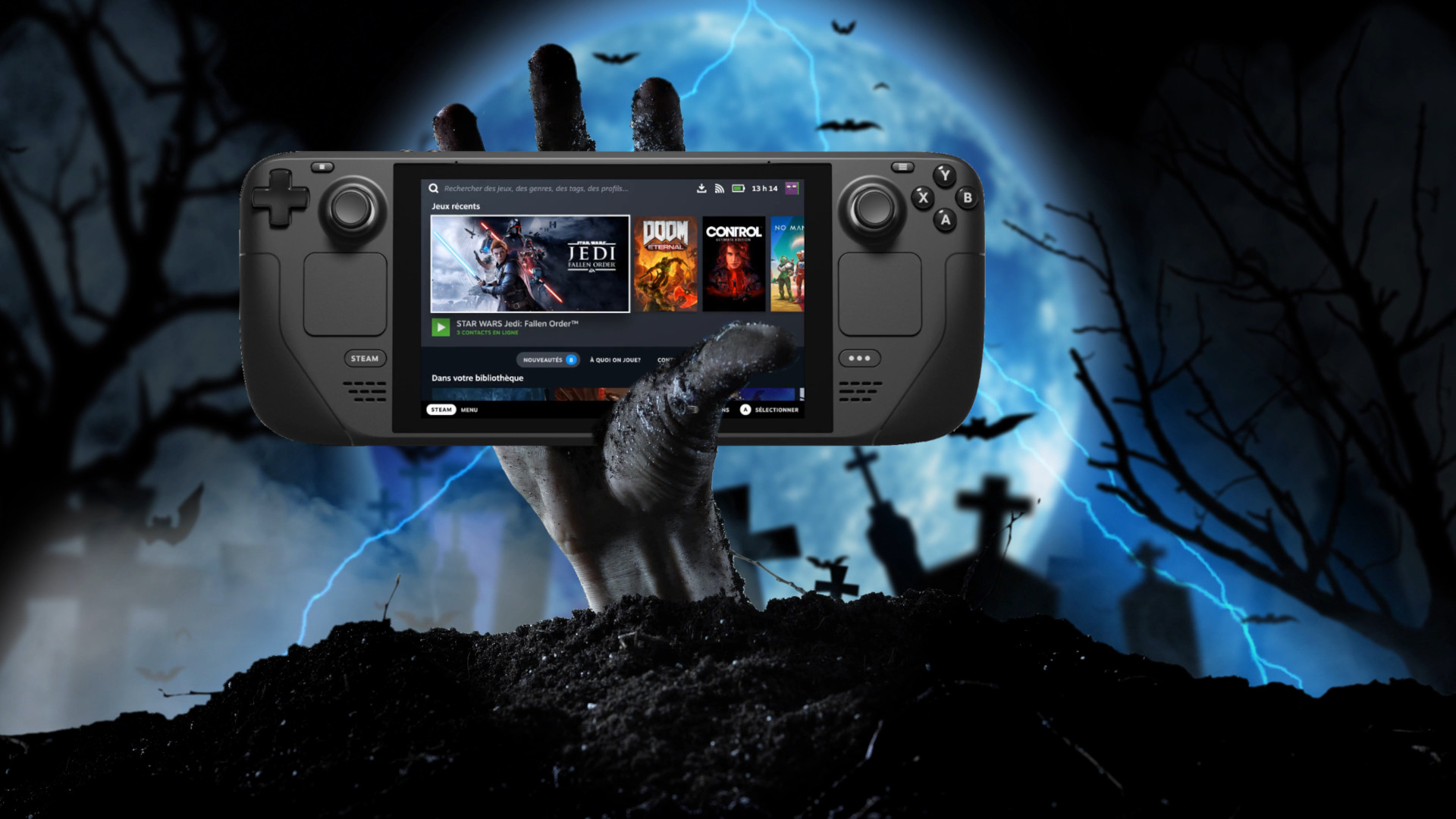
Valve didn’t stop there. The Steam Deck, a handheld gaming device powered by SteamOS, demonstrated the viability of Linux as a gaming platform. It offered a console-like experience with the flexibility of a portable device, making it a compelling alternative to Windows. While Windows 11-powered handhelds have since emerged, they often struggle with the same issues that plague desktop versions of the OS—annoying pop-ups, outdated design elements, and poor touch optimization.
I’ve reviewed several of these devices, and while they offer impressive hardware, the software experience is often subpar. My ROG Ally X, for instance, is a great gaming machine, but Windows 11 continues to be a frustrating experience, especially on a small screen. Pop-up messages frequently interrupt gameplay, and the text is often difficult to read.
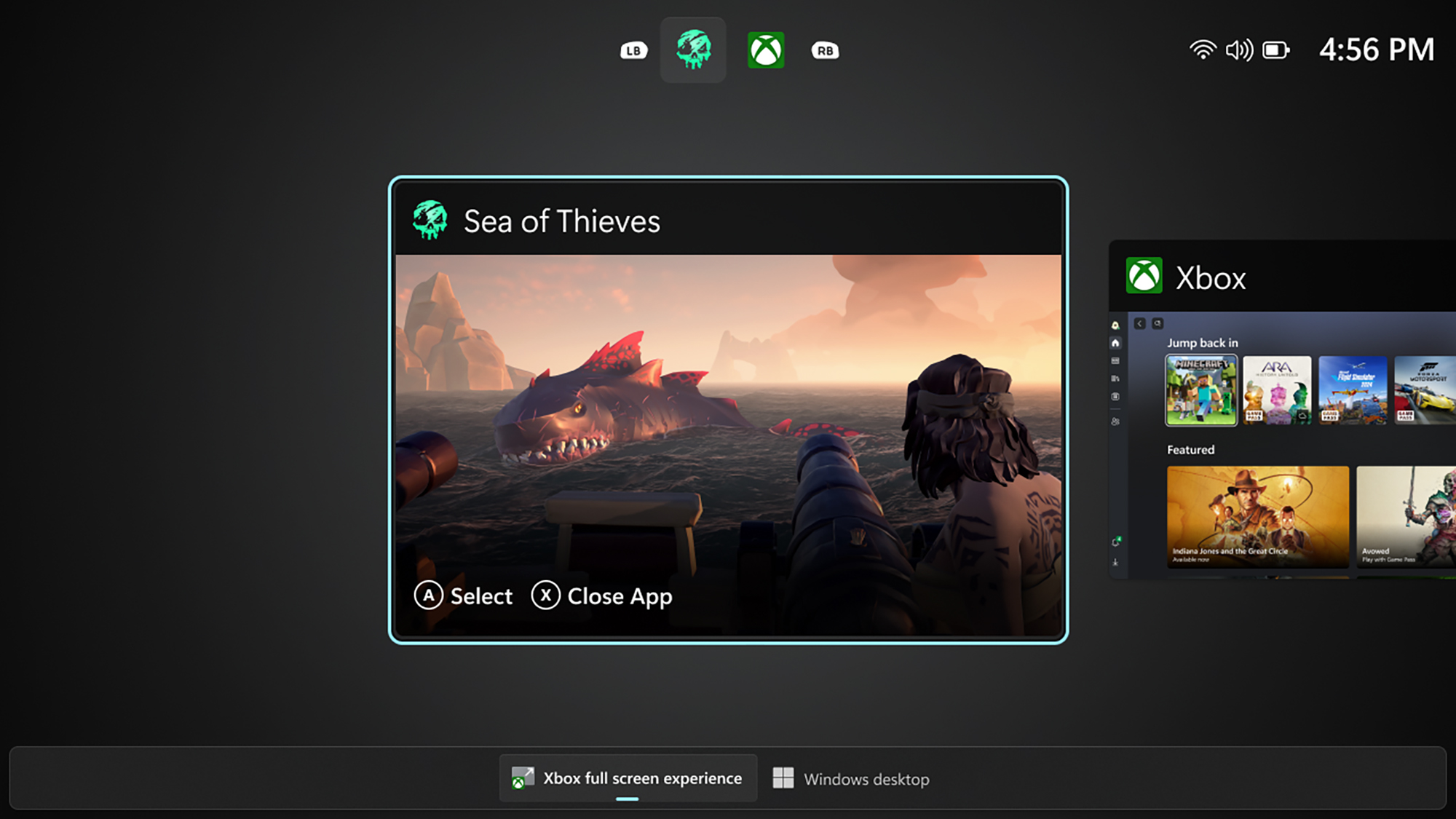
Despite these challenges, Microsoft has started to take PC gaming more seriously again. In an article titled “Windows PC gaming in 2025: Handheld innovation, Arm progress and DirectX advances,” Ian LeGrow, Partner Director, Intelligent Edge Operating Systems at Microsoft, outlined some of the improvements the company has made and what’s coming in 2026. These include features like Advanced Shader Delivery (ASD) and the Xbox full-screen experience (FSE), which aims to provide a more console-like interface for gaming.
Tinkering at the Edges
While these updates are welcome, they often feel like temporary fixes rather than substantial improvements. The FSE, for example, is a new interface designed to enhance the gaming experience, but it still runs on top of Windows 11. During my review of the ROG Ally X, I found that while it improved some aspects of the experience, it didn’t address the core issues with Windows 11.
LeGrow claims that the changes Microsoft has made are shaping the future of gaming, but from my perspective, it feels like the company is playing catch-up. The upcoming expansion of FSE to more devices and the addition of Auto SR, an AI-based upscaling feature, could be promising. However, these developments come after years of stagnation and missed opportunities.
Meanwhile, Valve continues to push forward with its vision for SteamOS and Steam Machines, further challenging Microsoft’s dominance. The problem for Microsoft isn’t just that it’s losing ground to competitors—it’s that it’s failing to address the fundamental issues that make Windows 11 less appealing to gamers.
The Future of PC Gaming
As we look ahead to 2026, it remains to be seen whether Microsoft can truly turn things around. The company has made some strides, but the damage done by years of neglect and poor decisions is hard to undo. For now, PC gamers have viable alternatives that are proving to be more reliable and user-friendly than Windows 11.
In the end, the battle for PC gaming supremacy is far from over. While Microsoft may still hold a significant share of the market, the rise of Steam and the growing appeal of Linux-based solutions suggest that the tide is shifting. Whether this shift will lead to a more competitive and innovative gaming landscape remains to be seen.

Posting Komentar untuk "PC Gamers Reject Windows 11, Turn to Linux – Microsoft's Comeback Plan"
Posting Komentar