
Regulator's Major Shift Impacts Brokers
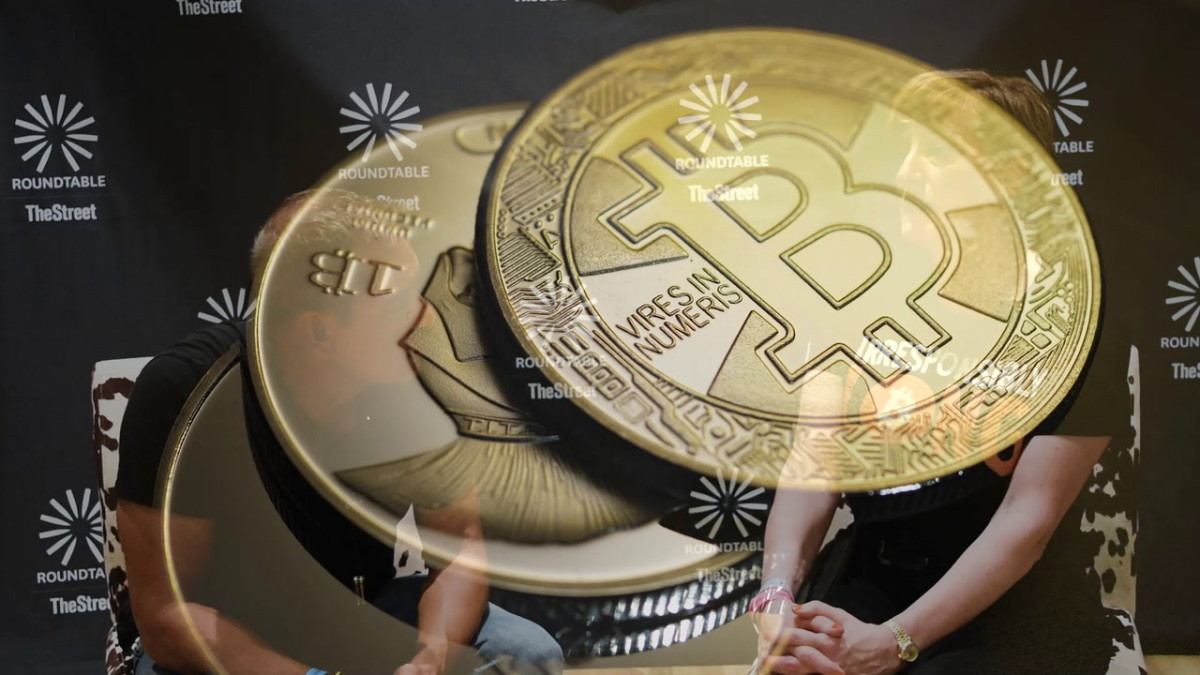
Major Banks in the U.S. Expand Crypto Involvement
Major banks in the United States have been making meaningful, and at times cautious, moves toward adopting cryptocurrency. This trend has taken a significant step forward with the United States Office of the Comptroller of the Currency (OCC) officially confirming that national banks are permitted to handle crypto transactions.
In a Dec. 9 interpretive letter, the OCC signaled that banks may engage in “riskless principal transactions” involving crypto-assets. According to the letter, this activity falls within the National Bank Act as part of the “business of banking,” even when the crypto-assets in question are not categorized as securities.
Understanding Riskless Transactions
What is a riskless transaction? In a riskless principal transaction, an intermediary purchases an asset from one counterparty and instantly resells it to another, with the initial buy dependent on a corresponding sell order. Because both steps occur “effectively simultaneously,” the bank briefly holds the asset but takes on only minimal market exposure.
The OCC states this structure makes the bank:
“the legal and economic equivalent of a broker acting as agent,”
even though it technically appears as a principal. For crypto-assets that meet the definition of securities, this authority already existed under 12 U.S.C. § 24 (Seventh). The latest guidance broadens that scope to non-security crypto-assets, determining that the activity represents a natural extension of existing brokerage and custody functions.
Non-security crypto-assets are digital assets that do not meet the legal definition of a security under U.S. law. This means that they don’t represent ownership, profit rights, or investment contracts issued by a centralized entity.
However, riskless transactions are not entirely free of hazards. While the letter broadens banks’ ability to manage crypto flow, it also points to notable risks. These include settlement failures, operational issues inherent to distributed ledger systems, and interactions with unregulated or foreign counterparties. These issues, though acknowledged, receive no detailed solutions in the document.
U.S. Banks Take Steps into Crypto
The OCC approval arrives as major U.S. banks take careful but consistent strides into crypto. Bank of America, the world’s second-largest bank by market cap, issued an early December note advising wealth clients to consider a 1% to 4% digital asset allocation, marking one of its clearest crypto endorsements so far.
Citi is developing a crypto custody platform it expects to launch by 2026 after spending “two to three years” building the necessary infrastructure. Morgan Stanley has widened its crypto offerings as well. In October, the firm announced that advisers may now provide crypto products to all wealth management clients, regardless of risk tolerance or net worth.
The most dramatic shift, albeit with some controversy, has come from JPMorgan Chase & Co. (NYSE: JPM), which once viewed anything related to blockchain or digital assets with skepticism. On Nov. 12, the bank launched its blockchain-based deposit token, JPM Coin (JPMD), for institutional users. Representing dollar deposits at the world’s largest bank, the token enables instant money movement on Coinbase’s Base blockchain, operating 24/7 rather than traditional banking hours.
Key Developments in the Crypto Sector
As the crypto landscape continues to evolve, several key developments are shaping the industry. A 170-year-old bank has slashed its Bitcoin price prediction by half, signaling a more cautious outlook. Meanwhile, a crypto megastar has criticized Elon Musk for what he calls “coordinated hate sessions.”
The International Monetary Fund (IMF) has also issued a warning about an emerging trend that could trigger deeper flash crashes. These developments highlight the growing complexity and volatility of the crypto market.
Conclusion
With the OCC’s guidance, U.S. banks are now better positioned to navigate the complexities of the crypto market. While the regulatory framework is still evolving, the continued expansion of crypto services by major financial institutions suggests a long-term commitment to this new frontier. As banks like JPMorgan, Citi, and Morgan Stanley push forward, the future of finance may be increasingly intertwined with digital assets.

Posting Komentar untuk "Regulator's Major Shift Impacts Brokers"
Posting Komentar