
Study: VR Tours Boost Home Sales Significantly
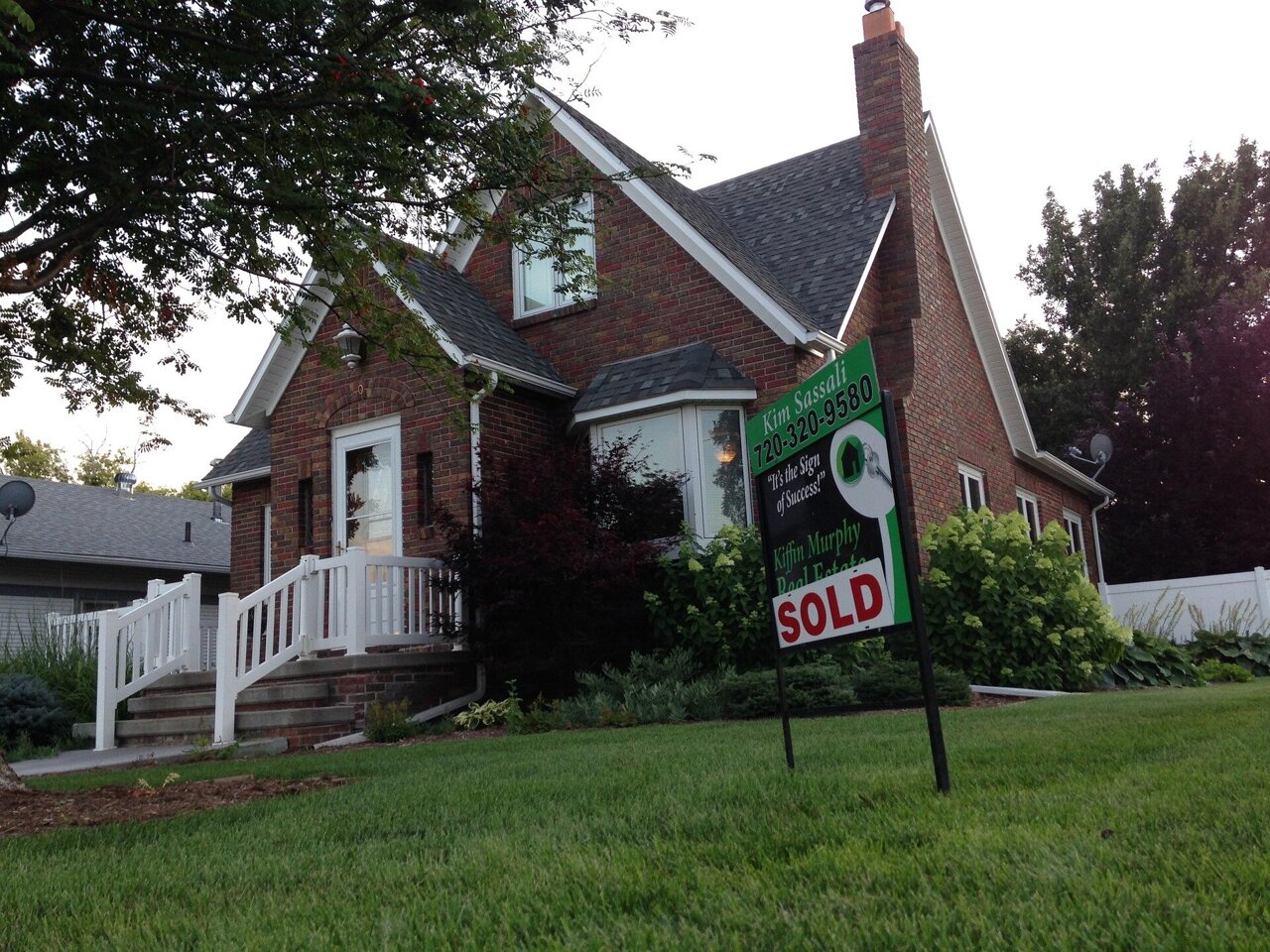
The Impact of Virtual Reality on Home Sales
Virtual reality (VR) is revolutionizing the way people buy homes. Not only does it allow buyers to tour properties without physically stepping inside, but it also helps homes sell faster. This insight comes from a recent study conducted by Dr. Zixuan "Maggie" Meng, an assistant professor of information systems at the University of Texas at Dallas, and her collaborators.
The research, published in Information Systems Research, found that using VR tours can reduce the average number of days a house is listed for sale from 34 days to 19 days. According to Meng, this technology offers a new dimension to property sales, especially for high-involvement or more expensive products.
How VR Enhances the Buying Experience
Nonimmersive VR, which doesn’t require a headset, has been shown to contribute significantly to property sales. It provides a more detailed view of a home, allowing potential buyers to explore rooms from different angles. This immersive experience gives buyers more information overall, making it a valuable tool in the home-buying process.
Despite the benefits, the study found that VR does not affect a home's selling price. "VR is not increasing the home's value," Meng explained. "It's a tool to show you how the house looks."
Limitations and Realistic Expectations
While VR can be beneficial, it has its limitations. The technology cannot improve the look of an outdated house or enhance its quality. Therefore, it is unlikely to have a significant impact on the selling time of older homes compared to newer ones. However, VR was found to be particularly useful for larger, more spacious houses.
One of the key advantages of VR is that it provides a more truthful reflection of a property’s quality. "With VR, sellers cannot exaggerate positive features or downplay the flaws of a property to attract buyers," the study authors wrote. This transparency can help build trust between buyers and sellers.
Supporting Real Estate Agents
When real estate agents are unresponsive or unhelpful, VR can help fill an information gap. "VR can sometimes complement the role of the agent," Meng said. "For example, if the agent is not high quality or good at providing information, then VR can help."
This finding highlights the potential for VR to act as a supplementary tool in the real estate industry, especially in situations where traditional methods fall short.
Data Analysis and Findings
The researchers were motivated by anecdotal evidence about whether VR affects a home's sale price. To investigate this, they analyzed data from China's leading real estate platform, similar to Zillow or Realtor.com. They calculated the length of time nearly 43,000 properties using VR stayed on the market from 2018 to 2019, as well as each home's final selling price.
Their findings suggest that real estate platforms could see financial benefits from including more homes with VR tours. For buyers, VR offers an additional tool for house-hunting, particularly for larger, newer houses.
Conclusion and Future Implications
The study, led by Dr. Yong Tan, chair of information systems and operations management at the University of Washington, and co-authored by Dr. Zhenbin Yan, assistant professor of information systems at Tongji University in Shanghai, provides empirical evidence of VR's impact on property sales.
As the real estate market continues to evolve, the integration of VR technology may become increasingly important. It offers a new way to engage buyers, provide accurate information, and streamline the home-selling process.
More information: Zhenbin Yan et al, Does Virtual Reality Help Property Sales? Empirical Evidence from a Real Estate Platform, Information Systems Research (2025). DOI: 10.1287/isre.2021.9138

Posting Komentar untuk "Study: VR Tours Boost Home Sales Significantly"
Posting Komentar