
Tech Revolutionizes Hop Production in Brazil and Unlocks New Bioproducts
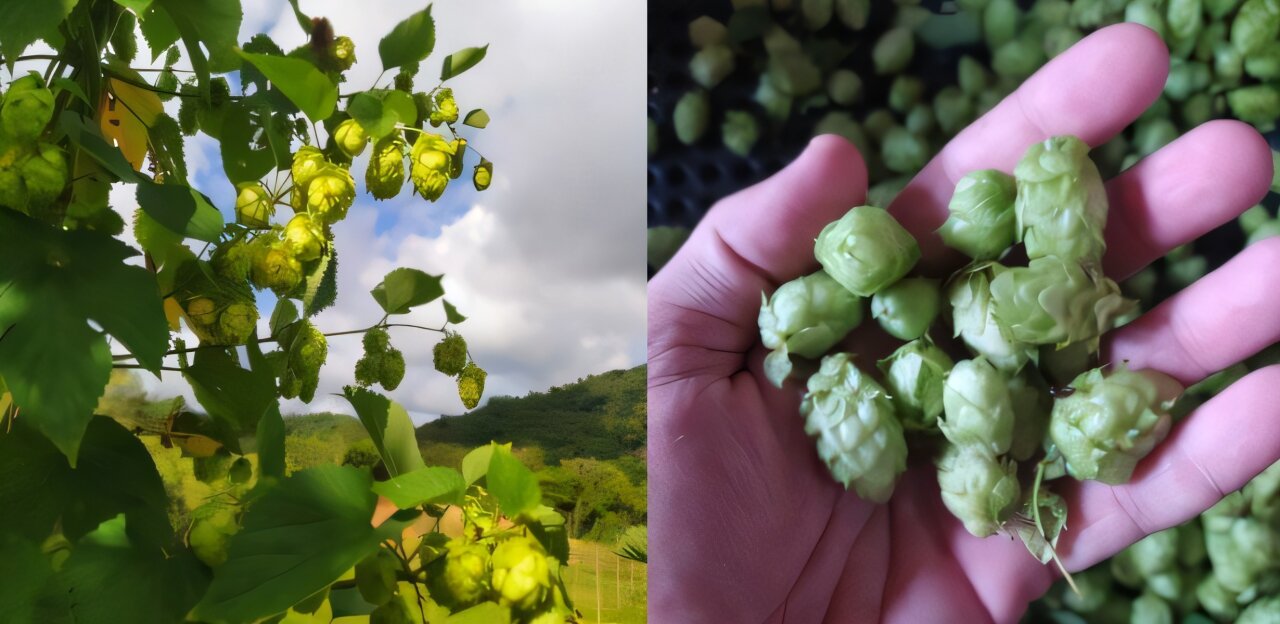
Brazil's Brewing Revolution: Domestic Hop Production Takes a New Turn
Despite being the third-largest producer and consumer of beer in the world, Brazil relies heavily on imported hops. Only a fraction—less than 1%—of this essential ingredient is grown locally. However, a groundbreaking initiative involving Brazilian scientists and producers from the Vale do Ribeira region in São Paulo is changing that dynamic. This project aims to enhance domestic hop production, making it more efficient and viable while also fostering the development of new bioproducts.
The Project's Origins
The initiative was launched within the Center for Research on Biodiversity Dynamics and Climate Change (CBioClima), one of the Research, Innovation, and Dissemination Centers (RIDCs) located at São Paulo State University (UNESP). The project is leveraging supercritical extraction with carbon dioxide (CO₂), a technology already well-established in countries like Germany and the United States. This method efficiently extracts aromatic and bioactive compounds from hops, reducing logistics costs and improving beer quality.
"Traditionally, Brazilian hops are sold in pellet form to breweries. However, with this technology, hops can be marketed in oil form, which offers logistical advantages and significantly improves beer production results compared to conventional methods," explains Levi Pompermayer Machado, a professor at UNESP and a key researcher in the project.
Advancements in Extraction Technology
In a study published in the journal Biomass Conversion and Biorefinery, researchers compared the extraction of hops at Atlântica Hops in Juquiá, Vale do Ribeira, using both conventional and supercritical CO₂ methods. Traditional extraction methods, which use organic solvents or steam stripping, yield about 15% extract with 9% α-acids—the compounds responsible for the bitterness of beer. In contrast, the CO₂ method achieves up to 72% α-acids. Additionally, the process results in a lower volume, better preservation, and an increase of up to 20% in beer productivity.
"The unique flavor of each hop is defined by what we call terroir, and that's what the industry seeks. In our study, we analyzed the sensory profile of the hop extract in pellets and the extract we produced. There was a slight change in flavor, but the sensory signature remained largely the same. Therefore, with all these improvements in efficiency and quality, the characteristics of the terroir are almost entirely maintained," Machado notes.
Green Chemistry and Environmental Benefits
Machado emphasizes that the technology tested in Vale do Ribeira aligns with the principles of green chemistry. Traditional methods often use large amounts of water or petroleum-based solvents to separate essential oils from hops. Supercritical extraction, however, uses carbon dioxide under high-pressure, high-temperature conditions where it exists in a state between liquid and gas. In this state, CO₂ acts as a natural solvent, penetrating deeply into the raw material and extracting its compounds with high efficiency.
"In addition, the CO₂ used in supercritical technology is recaptured at the end of the process, which avoids atmospheric emissions and eliminates chemical residues in the extract. This makes the method more efficient and environmentally responsible," says Machado.
Sustainable Agriculture and Market Opportunities
The project's primary goal is to provide producers with cultivation options that have a smaller environmental footprint and greater added value, rather than expanding agricultural frontiers with low-value commodities such as soybeans and sugarcane. "We're talking about producing more in a much smaller cultivated area, with a crop that responds well to climate change and offers multiple market possibilities," the researcher points out.
Circular Economy and Diverse Applications
Another advantage of this technology is that the resulting extracts can be used not only in the brewing industry but also in cosmetics and pharmaceutical sectors. Researchers also analyzed the waste left over after extraction—spent hops. Johana Marcela Concha Obando, a postdoctoral fellow at INCT NanoAgro at UNESP, explains that hop waste still contains bioactive compounds with high antioxidant potential, such as phenolics and flavonoids.
"Since the technique doesn't use reagents, this waste isn't lost in the process and can be used for other purposes," she explains. The study's biochemical analysis revealed that even after removing the main active ingredients, the residual biomass retains properties that can be used in new products. "With the extract, we're no longer serving just the brewing niche, but reaching five, six, or even ten different sectors," Machado celebrates.
Conclusion
This innovative approach to hop production in Brazil represents a significant shift toward sustainable and efficient agricultural practices. By harnessing advanced extraction technologies and exploring diverse applications for hop byproducts, the project is paving the way for a more resilient and economically viable future for local farmers and industries alike.

Posting Komentar untuk "Tech Revolutionizes Hop Production in Brazil and Unlocks New Bioproducts"
Posting Komentar