
What You Need to Know About Australia's Social Media Ban for Kids Under 16
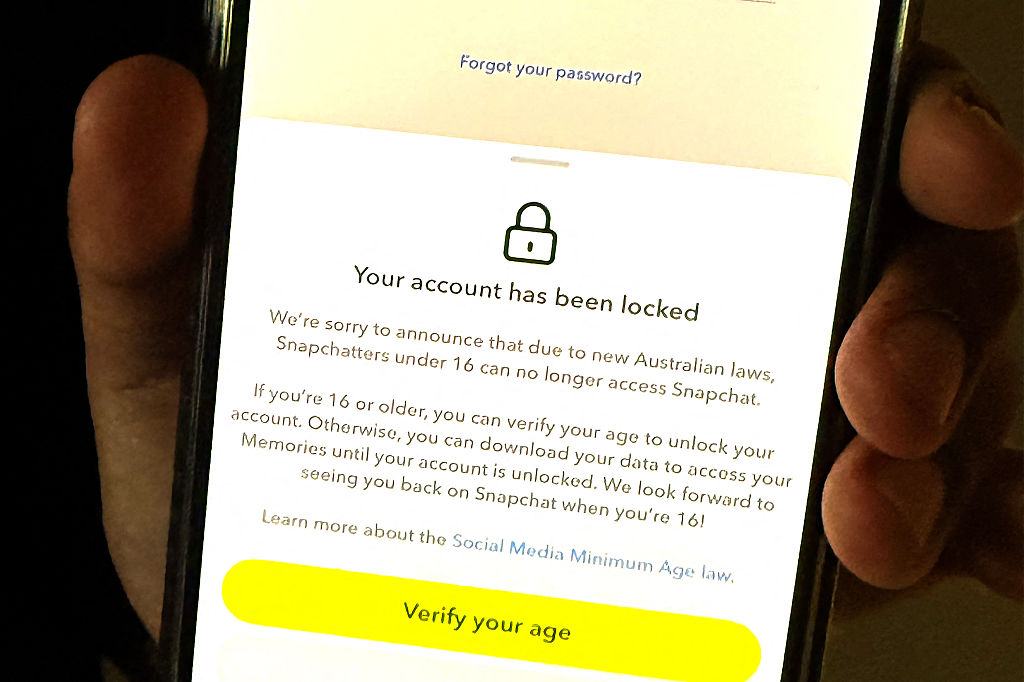
Australia's Under-16 Social Media Ban: A New Era for Online Safety
Australia has implemented a groundbreaking law that prohibits children under the age of 16 from creating or accessing social media accounts on platforms like Instagram, TikTok, and Snapchat. This legislation, passed by parliament in 2024, aims to protect young people from harmful online content, addictive algorithms, cyberbullying, and online grooming. The move comes as concerns about rising suicide and self-harm rates among Gen-Z Australians continue to grow.
Prime Minister Anthony Albanese emphasized the significance of the ban, stating, “This is the day when Australian families are taking back power from these big tech companies. They are asserting the right of kids to be kids and for parents to have greater peace of mind.”
How the Ban Works
The ban applies to ten social media platforms: Instagram, Facebook, Threads, Snapchat, TikTok, YouTube, X, Reddit, Twitch, and Kick. These platforms were selected based on their primary purpose of enabling online social interaction and their significant user base of under-16s. The eSafety commissioner, Julie Inman Grant, noted that the government can update the banned list if necessary.
Under the new rules, children under 16 will no longer be able to create new accounts or access existing ones on these platforms. While they may still view content on some platforms like YouTube, they will not be able to post, comment, or message other users. The law applies to individuals who are "ordinarily a resident of Australia," with exceptions for those visiting for less than 200 days in a year.
Social media platforms are required to take "reasonable steps" to comply with the law, which may include verifying user ages through official documents, biometric data, or analyzing online behavior. However, these measures are not foolproof, as some underage users have found ways to bypass age checks.
Why Australia Introduced the Ban
The push for the ban began after several states in Australia introduced their own regulations, alongside a campaign called “Let Them Be Kids,” which urged greater protections for children on social media. The campaign, launched by News Corp and supported by parents and child safety advocates, highlighted stories of children affected by online issues, including suicide linked to social media use.
The campaign gained momentum, with over 54,000 people signing a petition calling for the minimum age of access to be raised to 16. The government, led by Prime Minister Albanese, pushed the legislation through parliament, despite criticism that it was rushed ahead of elections.
How Companies Are Responding
Affected platforms have largely criticized the legislation but have committed to compliance. Reddit, for example, stated that it supports the open internet and will implement a privacy-preserving model to predict whether users are under 16. Meta, Snapchat, YouTube, and TikTok have also taken steps to remove under-16 users from their platforms.
X, one of the most vocal opponents of the ban, said it would comply with the law using a multi-faceted approach, including self-attested age, identification documents, and account creation dates.
How Users Are Responding
The legislation has received widespread support from the Australian public, with 77% of surveyed Australians backing the law. However, some users argue that the ban could disproportionately affect marginalized youth, including those in remote areas, queer individuals, or non-native English speakers, who may rely on online communities for support.
Privacy concerns have also been raised, particularly regarding the use of identification documents or biometric data for age verification. A government-commissioned trial found that age checks can be private, robust, and effective.
Some users have turned to alternative platforms like Lemon8 and Yope, while others may attempt to bypass the ban using virtual private networks (VPNs). However, the government remains confident that platforms will be able to prevent such circumvention.
Where Else Social Media Is Being Banned for Teens
While Australia’s blanket ban is the first of its kind, other countries have also implemented laws aimed at protecting children online. Nepal, New Zealand, Malaysia, Indonesia, Singapore, and several European nations have either proposed or enacted similar restrictions. Denmark has even considered a social media ban for kids under 15, with exemptions for those with parental consent.
European Commission President Ursula von der Leyen praised Australia’s initiative, saying, “I have been inspired by Australia’s example.”
As the ban takes effect, the debate over balancing online safety with freedom of expression continues. For now, Australia stands as a pioneer in the global effort to protect young people from the risks of excessive social media use.

Posting Komentar untuk "What You Need to Know About Australia's Social Media Ban for Kids Under 16"
Posting Komentar