
How TikTok Ads Bidding Works: A Complete Guide for Marketers
TikTok has evolved from a platform for viral dances and short-form videos into a powerful marketing tool that brands can leverage to reach millions of users. One of the most critical aspects of TikTok advertising is TikTok ads bidding. Understanding how this process works is essential for marketers aiming to maximize their return on investment (ROI) while navigating TikTok’s dynamic ad ecosystem.
What Is TikTok Ads Bidding?
TikTok ads bidding refers to the process where advertisers set a budget and bid for ad placements on TikTok. This system allows brands to compete for visibility in TikTok’s For You Page (FYP), where content is distributed based on user engagement, relevance, and performance signals.
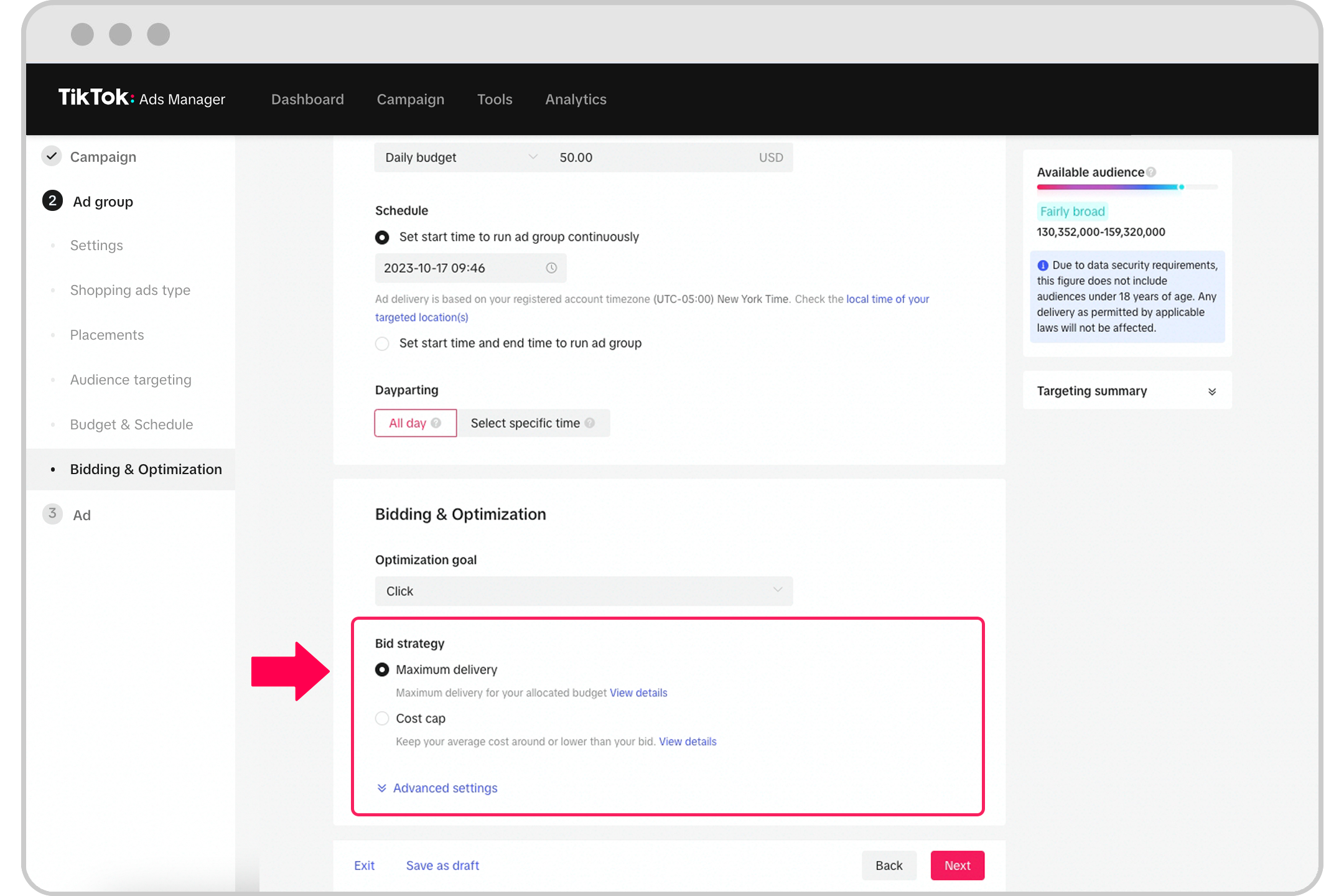
Unlike traditional advertising models, TikTok uses an auction-based system where ads are shown to users based on how well they align with the platform’s algorithm. Advertisers can choose between different bidding strategies, such as cost-per-click (CPC), cost-per-view (CPV), or cost-per-mille (CPM), depending on their campaign goals.
Key Components of TikTok Ads Bidding
1. Campaign Objectives
The first step in setting up a TikTok ad campaign is defining your objective. TikTok offers several options, including:
- Awareness: Focuses on maximizing views and reach.
- Consideration: Targets user engagement, such as clicks, shares, and comments.
- Conversion: Aims to drive specific actions, like app installs, purchases, or lead generation.
Choosing the right objective ensures that your bidding strategy aligns with your business goals.
2. Bidding Strategy
TikTok provides several bidding strategies to suit different campaign needs:
- Manual Bidding: Advertisers set a maximum bid for each action (e.g., click, view, install). This gives more control over spending but requires ongoing monitoring.
- Automatic Bidding: TikTok’s algorithm automatically adjusts bids to optimize for your chosen objective. This is ideal for beginners or those looking for a hands-off approach.
- Target ROAS (Return on Ad Spend): This strategy focuses on achieving a specific return on investment by adjusting bids to meet your desired ROAS.
3. Budget Allocation
Setting a realistic budget is crucial. TikTok allows you to set daily or lifetime budgets for your campaigns. The minimum daily budget for TikTok ads is $50, but this can vary depending on your target audience and campaign type.
It's important to start with a smaller budget and gradually increase it as you gather data and see results. Testing different budgets helps you understand what works best for your brand.
4. Audience Targeting
TikTok’s targeting options are extensive, allowing you to narrow down your audience based on demographics, interests, behaviors, and even lookalike audiences. Effective targeting ensures that your ads reach the right people, increasing the likelihood of conversions.
5. Ad Formats
TikTok supports various ad formats, including:
- In-Feed Ads: These appear in the FYP and blend in with organic content.
- TopView Ads: Full-screen ads that play when users open the app.
- Spark Ads: Boosts high-performing organic content to reach a wider audience.
- Collection Ads: Ideal for e-commerce, these ads showcase products directly within the app.
Each format has its own bidding considerations, so it's important to choose the one that aligns with your campaign goals.
How TikTok Ads Bidding Works in Practice
When you launch a TikTok ad campaign, the platform’s algorithm evaluates your ad based on several factors, including:
- Relevance: How well your ad matches the interests and behaviors of your target audience.
- Engagement: Metrics like watch time, shares, and comments influence how often your ad is shown.
- Quality: High-quality, engaging content is more likely to perform well.
- Bidding Strategy: Your chosen bidding method determines how much you’re willing to pay for each action.
Once your ad is live, TikTok continuously optimizes its delivery based on real-time performance data. If your ad is performing well, the algorithm may show it to more users, potentially increasing your reach and conversions.
Best Practices for TikTok Ads Bidding
To get the most out of your TikTok ads bidding strategy, consider the following best practices:
1. Start Small and Test
Begin with a modest budget and test different ad formats, creatives, and targeting options. Use A/B testing to identify what works best for your audience.
2. Optimize for Conversions
If your goal is to drive sales or leads, focus on conversion-focused bidding strategies like Target ROAS. This ensures that your ads are optimized for the actions that matter most to your business.
3. Leverage TikTok’s AI Tools
TikTok’s algorithm is designed to learn and adapt based on user behavior. Use TikTok’s built-in tools to analyze performance data and make informed adjustments to your bidding strategy.
4. Monitor and Adjust
Regularly review your campaign performance and adjust your bids, targeting, and creatives as needed. TikTok’s algorithm is constantly evolving, so staying agile is key to long-term success.
5. Focus on Quality Content
High-quality, engaging content is essential for successful TikTok ads. Ensure your creatives are visually appealing, relevant, and aligned with your brand messaging.
Conclusion
Understanding TikTok ads bidding is crucial for any marketer looking to succeed on the platform. By leveraging the right bidding strategies, optimizing your campaigns, and focusing on quality content, you can maximize your ROI and achieve your business goals. As TikTok continues to grow as a major advertising channel, mastering its bidding system will be a valuable asset for any brand.

Posting Komentar untuk "How TikTok Ads Bidding Works: A Complete Guide for Marketers"
Posting Komentar