
How to Accurately Interpret TikTok Ads Reports: A Complete Guide
TikTok has become a powerful platform for brands to reach their target audience, drive engagement, and generate sales. However, with the vast amount of data available through TikTok Ads reports, it can be overwhelming to know where to start. Understanding how to accurately interpret these reports is crucial for optimizing your ad campaigns and achieving your marketing goals.
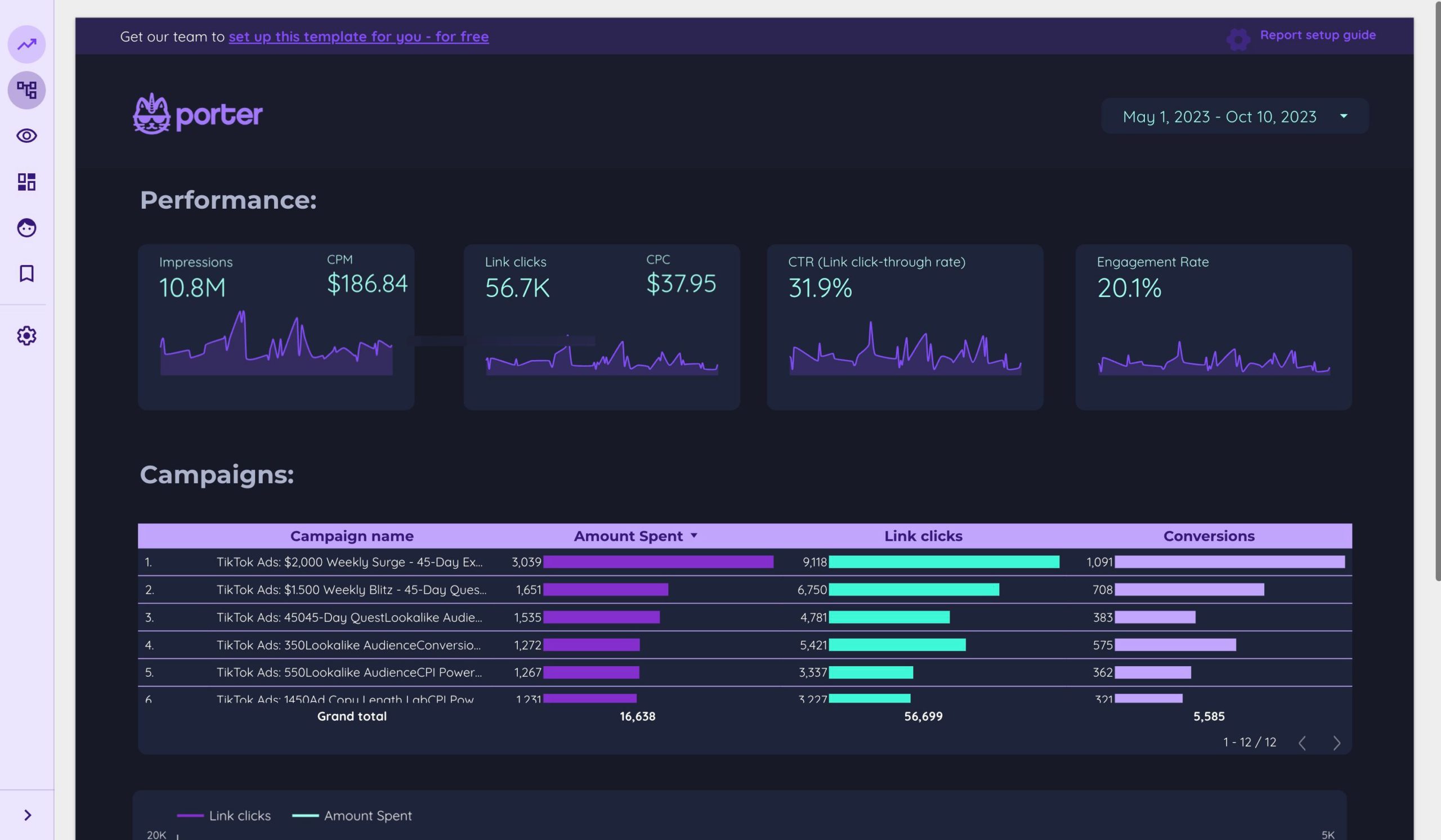
Understanding Key Metrics in TikTok Ads Reports
1. Ad Impressions
Ad impressions measure how many times your ads are shown to TikTok users. This metric gives you insights into your ad exposure and helps you understand how well your content is reaching your target audience. Keep in mind that impressions are not unique users, so a single user may see your ad multiple times.
Why It's Important: Impressions provide a baseline for your ad performance. If your campaign isn't generating the desired results, low impressions might indicate issues with your targeting or ad relevance.
2. Clicks (Destination)
Clicks measure the number of times users click on your ad and are redirected to a specific destination, such as a website or app. This metric helps you understand how engaging your content is and whether your message resonates with your audience.
Why It's Important: A high number of clicks indicates that your ad is compelling and relevant. If you're seeing low clicks, it might be time to test different video formats, messaging, or calls-to-action.
3. CTR (Click-Through Rate)
CTR measures the percentage of users who click on your ad after seeing it. This metric is a strong indicator of your ad's effectiveness and how well your message is resonating with your audience.
Why It's Important: A high CTR means your ad is engaging and encourages users to take action. If your CTR is low, consider testing shorter videos, punchier messages, or different CTAs.
4. CVR (Conversion Rate)
CVR measures the percentage of users who click on your ad and complete a desired action, such as making a purchase or filling out a form. This metric tells you how effectively your ad is driving conversions.
Why It's Important: Conversions are the ultimate goal for most businesses. A good CVR should be between 2-5% depending on your niche and the conversion event you're targeting.
5. CPC (Cost per Click)
CPC measures the amount you pay when someone clicks on your ad. This metric helps you understand the cost-effectiveness of your campaigns.
Why It's Important: A lower CPC means you're getting more value for your ad spend. If your CPC is high, consider optimizing your targeting or improving your ad relevance.
6. CPV (Cost per View)
CPV measures the average cost you pay when a user views your video. This metric is particularly useful for brand awareness and reach campaigns.
Why It's Important: CPV is generally lower than CPC, making it a great metric for campaigns focused on increasing visibility rather than driving immediate sales.
7. CPA (Cost per Action)
CPA measures the average cost you pay for a specific action a user takes after viewing your ad. This could include purchases, form completions, or newsletter sign-ups.
Why It's Important: CPA helps you understand the cost-effectiveness of your campaigns. A lower CPA means you're getting more value for your ad spend.
8. CPM (Cost per 1000 Impressions)
CPM measures how much it costs you to display your ad in front of 1000 users. This metric is useful for campaigns focused on maximizing reach.
Why It's Important: CPM helps you understand the cost of your ad campaigns. A lower CPM means you're getting more value for your ad spend.
9. Ad Spend and Total Cost
Ad spend refers to the monetary value of your ad, while total cost measures how much your campaigns cost you in total. These metrics help you understand the overall budget of your campaigns.
Why It's Important: Understanding your ad spend and total cost helps you make informed decisions about your budget allocation and campaign optimization.
10. ROAS (Return on Ad Spend)
ROAS measures the return on your ad spend by comparing the revenue generated from your ads to the total cost of your ads. This metric is crucial for determining the efficiency of your campaigns.
Why It's Important: A good ROAS ratio is 3:1 or higher, meaning your paid marketing campaign on TikTok is considered efficient when it's generating three times the amount invested.
Best Practices for Interpreting TikTok Ads Reports
1. Set Clear Goals
Before diving into your TikTok Ads reports, set clear goals for your campaigns. Whether you're aiming for brand awareness, lead generation, or direct sales, having a clear objective will help you focus on the right metrics.
2. Analyze Your Audience
Understand who your target audience is and how they interact with your content. Use this information to refine your targeting and improve your ad performance.
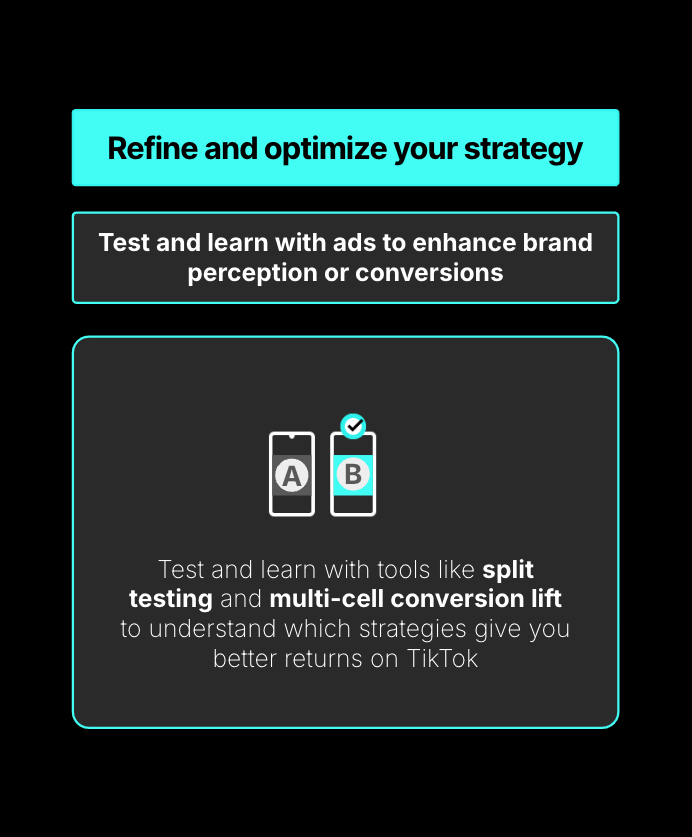
3. Test and Optimize
Continuously test different elements of your campaigns, such as video formats, messaging, and CTAs. Use the data from your reports to optimize your campaigns for better performance.
4. Monitor Trends
Keep an eye on trends and changes in user behavior. Adjust your strategies accordingly to stay ahead of the competition.
5. Use Custom Reporting
Consider using custom reporting tools to track and analyze your TikTok Ads performance. These tools can provide real-time insights and help you compare your results across different platforms.
By understanding and interpreting TikTok Ads reports effectively, you can gain valuable insights into your campaign performance and make data-driven decisions to improve your marketing strategy. With the right approach, TikTok can become a powerful tool for driving growth and achieving your business objectives.

Posting Komentar untuk "How to Accurately Interpret TikTok Ads Reports: A Complete Guide"
Posting Komentar