
How to Analyze TikTok Ads Performance: Key Metrics and Strategies
TikTok has become a dominant force in the digital marketing landscape, offering brands a unique platform to connect with a vast and engaged audience. However, the success of TikTok ads hinges on the ability to analyze performance data effectively. This article explores the key metrics and strategies for analyzing TikTok ads performance, providing actionable insights to help you optimize your campaigns.
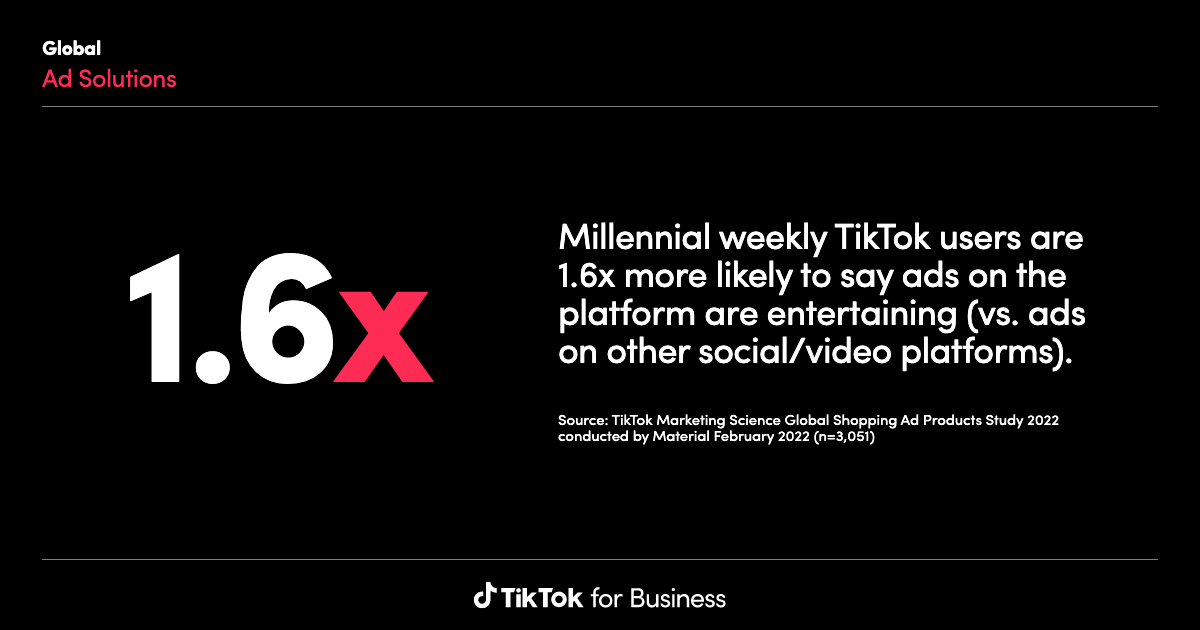
Understanding TikTok Ads Performance
Before diving into the metrics, it's essential to understand what makes TikTok ads different from other platforms. TikTok's algorithm prioritizes content based on user engagement and real-time trends, making it a dynamic environment where static or outdated campaigns often underperform. To succeed, advertisers must adapt to this pace and leverage the platform's intrinsic mechanisms.
Key Metrics to Track
Tracking the right metrics is crucial for understanding the effectiveness of your TikTok ad campaigns. Here are some of the most important metrics to monitor:
1. Engagement Rate
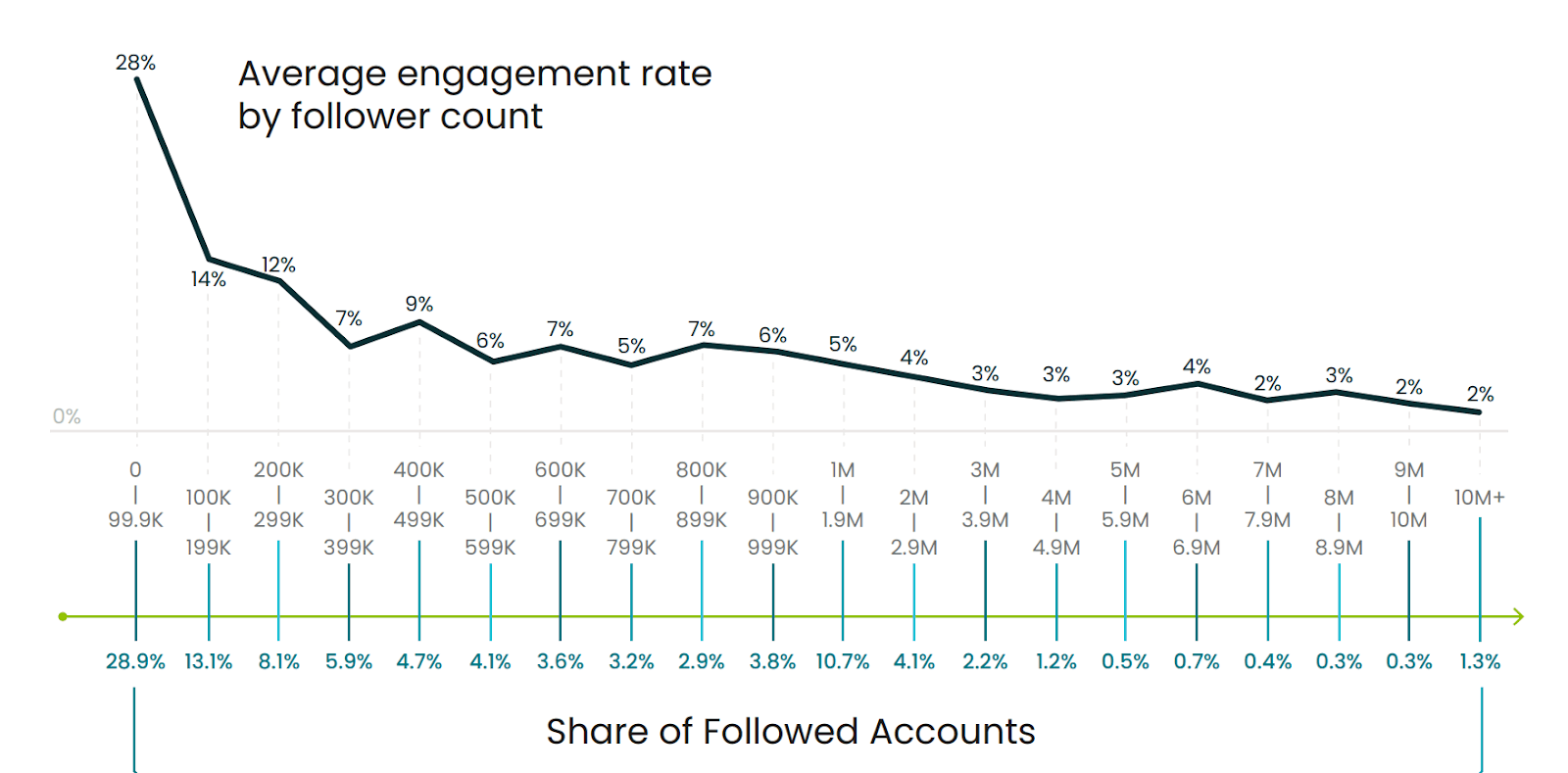
The engagement rate measures the level of interaction your content receives from your audience. It is calculated by adding up the total number of likes, comments, and shares on your videos and dividing it by the total number of views. A higher engagement rate indicates that your content resonates with your audience and encourages active participation.
2. Video Views

This metric provides a sense of your content's reach and visibility. A high number of video views suggests that your content is attracting attention and potentially driving traffic to your website or product page.
3. Click-Through Rate (CTR)
The CTR measures how many users click on your ad after seeing it. A higher CTR indicates that your ad creative and targeting are effective. For ads with a call to action (CTA) that directs users off-platform, CTR is a critical indicator of interest in your offer.
4. Conversion Rate
Ultimately, the goal of many ad campaigns is conversion (e.g., website visits, purchases, sign-ups). Track how many users complete the desired action after interacting with your ad. This is the ultimate measure of ROI.
5. Cost Per Result (CPR)
This metric helps evaluate the efficiency of your spending in relation to your objectives. A lower CPR suggests a more efficient campaign. Monitoring CPR allows you to allocate your budget more effectively and maximize your return on investment.
Strategies for Analyzing TikTok Ads Performance

Once you have the right metrics in place, the next step is to implement strategies that help you analyze and optimize your TikTok ad performance.
1. A/B Testing
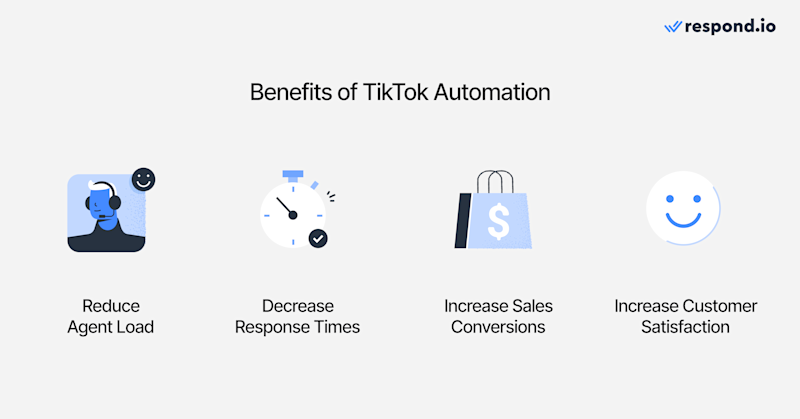
A/B testing involves comparing different versions of your ad creatives to see which performs better. Experiment with different ad copy, calls to action, and narrative styles to determine what resonates best with your audience. Automated systems can track metrics such as reach, engagement, and conversions for various ad variations, allowing you to iterate and optimize over time.
2. Trend Mining
Trend mining involves identifying popular and emerging trends on TikTok, such as viral challenges, memes, and popular songs. By incorporating these trends into your ad content, you can increase engagement and reach a wider audience. Tools like HypeAuditor and Sprout Social can help you track hashtag performance, identify viral sounds, and analyze competitor strategies.
3. Hashtag Automation
Hashtags on TikTok serve as a crucial discovery mechanism, categorizing content and connecting users with relevant topics. Automating hashtag research and implementation streamlines the process, ensuring consistent adoption of effective tags and maximizing ad reach. AI-powered hashtag generators and scheduled hashtag updates can help you stay ahead of the curve.
4. Competitor Analysis

Monitoring your competitors' strategies can provide valuable insights into what works and what doesn't. Use automated tools to track which hashtags your competitors are using and how well those tags are performing. This competitive intelligence can inform your own hashtag strategy, revealing untapped opportunities or confirming effective approaches.
Measuring and Optimizing Performance
The effectiveness of your trend mining and hashtag automation efforts is measured through concrete performance metrics. Without consistent monitoring and optimization, even the best strategies can falter.
1. Data-Driven Adjustments
Regularly review campaign data to make informed adjustments. If a specific trend integration leads to high engagement but low conversions, re-evaluate your CTA or the product/brand alignment with that trend. If a particular hashtag set yields high reach but poor engagement, it might be reaching the wrong audience.
2. Iterative Optimization Process

Optimization is a continuous loop of analysis and adjustment. Stay informed about any announced changes or observed shifts in content promotion. Be prepared to adjust your trend mining and hashtag strategies accordingly. What worked last month might be less effective this month.
Advanced Strategies and Future Outlook

As the TikTok advertising ecosystem matures, advanced strategies will become increasingly important for maintaining a competitive edge.
1. Leveraging TikTok Creator Collaborations
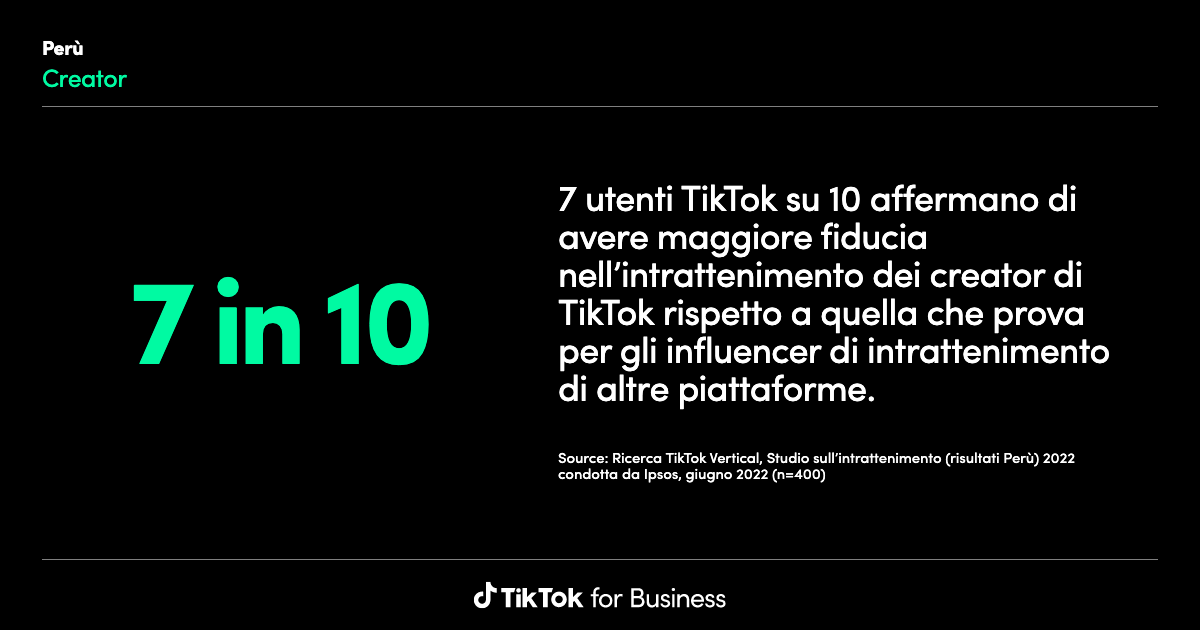
Collaborating with popular TikTok creators can significantly amplify your trend integration efforts. Creators naturally understand platform trends and can authentically weave your brand into their content, often achieving higher engagement than traditional ads.
2. Predictive Trend Analysis
The future of trend mining may involve more sophisticated predictive analytics. AI and machine learning can analyze vast datasets to anticipate emerging trends before they go viral, offering advertisers a significant head start.
Conclusion
Analyzing TikTok ads performance requires a combination of the right metrics and strategic approaches. By tracking key metrics such as engagement rate, video views, CTR, conversion rate, and CPR, and implementing strategies like A/B testing, trend mining, hashtag automation, and competitor analysis, you can optimize your campaigns for maximum ROI. As the TikTok advertising landscape continues to evolve, staying adaptable and data-driven will be essential for long-term success.

Posting Komentar untuk "How to Analyze TikTok Ads Performance: Key Metrics and Strategies"
Posting Komentar