
How to Generate Revenue with TikTok Ads: A Complete Guide for Marketers
TikTok has evolved from a platform for short-form entertainment into a powerful tool for brands looking to generate revenue. With its unique algorithm, massive user base, and growing e-commerce features, TikTok offers an unparalleled opportunity for marketers to connect with audiences and drive sales. This guide will walk you through the essential steps to create a successful TikTok ad strategy that generates consistent revenue.
Understanding TikTok’s Unique Algorithm and Audience
The For You Page (FYP) Discovery Model
Unlike traditional social media platforms, TikTok's algorithm is based on discovery rather than follower count. This means that your content can reach a wide audience even if you don’t have a large following. The key is to create content that resonates with users and keeps them engaged.
Interest Graph vs. Social Graph
TikTok’s algorithm prioritizes interest-based content over social connections. This means that your brand can gain traction by creating content that aligns with the interests of your target audience, regardless of how many followers you have.
Short Attention Span Optimization
Users on TikTok have short attention spans, so your content must grab their attention within the first few seconds. This requires a hook-first approach where your video starts with something compelling to stop the scroll.
Building a TikTok Marketing Strategy
Define Clear Goals
Start by defining what you want to achieve with your TikTok ads. Common goals include:
- Brand awareness: Focus on reach, watch time, and shares.
- Lead generation: Drive clicks to landing pages or sign-ups.
- Direct sales: Use product demos, UGC, and comparisons to drive conversions.
- App installs: Highlight the problem your app solves and use clear CTAs.
Identify Your Target Audience
Understanding your audience is crucial. Use behavioral segmentation, interest clusters, and trend participation patterns to define who your ideal customers are.
Analyze Competitors and Viral Content
Study your competitors to identify content gaps and successful hook patterns. Reverse-engineer viral videos to understand what makes them work.
Create a Content Strategy
Develop a content system that includes:
- Content pillars: Educational, entertaining, and promotional content.
- Trend hijacking: Use trends as a delivery mechanism for your message.
- Storytelling formats: "Day in the life," "Behind the product," and "From problem to result."
Leverage TikTok SEO
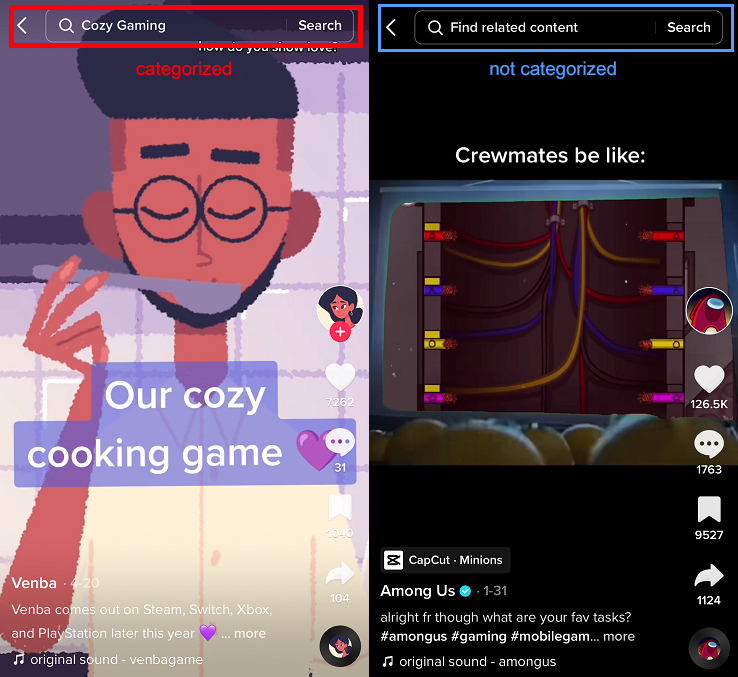
Optimize your content for search by using keywords in captions, on-screen text, and voiceovers. This increases the chances of your videos being discovered weeks after they’re posted.
Effective TikTok Ad Formats
In-Feed Native Ads
These ads appear in the For You Page and are designed to blend seamlessly with organic content. They are ideal for performance campaigns and creative testing.
Spark Ads
Spark Ads allow you to boost high-performing organic or creator content. This helps maintain social proof while scaling your reach.
Collection Ads
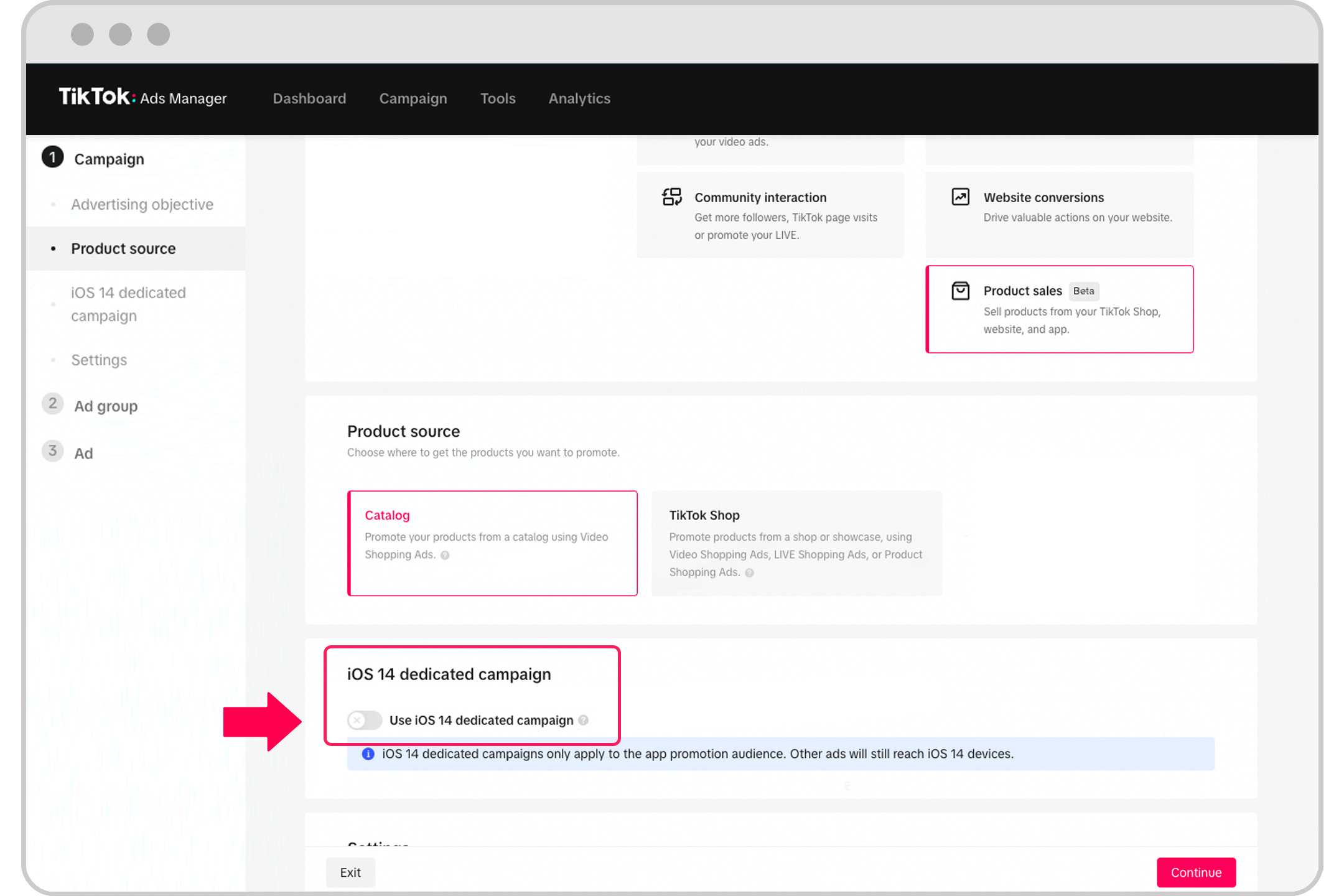
Collection ads are perfect for ecommerce brands, as they allow users to shop directly from the app.
Lead Generation Ads
These ads are designed to capture leads by prompting users to provide their contact information.
Paid Ads Strategy for Scaling
Once your organic content proves traction, it’s time to scale with paid ads. Here are some best practices:
Budget Allocation
Start small and allocate 70% of your budget to proven creatives, 20% to testing new variations, and 10% to experimental formats.
Creative Testing Framework
Test variables in structured batches, such as different hooks, CTAs, and angles. Monitor performance and scale what works.
Retargeting Funnel
Build audiences from video viewers, profile visitors, and add-to-cart users. Retarget them with testimonials, comparison videos, and limited-time offers to drive conversions.
Tracking KPIs and Algorithm Signals

To refine your strategy, track the following metrics:
- Engagement Metrics: Watch time, completion rate, and shares.
- Conversion Metrics: CTR, CPA, and ROAS.
- Algorithm Signals: Strong first 3-second retention, rewatches, comments, and keyword relevance.
Common Mistakes to Avoid
- Overproduced content: Highly polished ads often underperform compared to authentic videos.
- Ignoring trends: Refusing to adapt to TikTok culture limits reach.
- Selling too aggressively: TikTok users prefer value and entertainment before purchase prompts.
- Not optimizing for search: Ignoring TikTok SEO reduces long-term discoverability.
Future of TikTok Marketing
As TikTok continues to evolve, brands must adapt to new trends and technologies. Key developments include:
- AI-generated content: AI tools will accelerate scriptwriting, editing, and personalization at scale.
- TikTok search dominance: More users are using TikTok as a search engine, making SEO-optimized videos more important.
- Creator economy growth: Creator partnerships will become central to brand growth, especially through affiliate models.
Final Thoughts
A high-converting TikTok marketing strategy comes down to clarity and consistency. Define your goals, understand your audience, publish content built for the FYP, and track what drives watch time and conversions. By combining strong hooks with proof-led creatives, TikTok becomes more than just a platform for awareness—it becomes a predictable growth channel.
Keep experimenting, test hooks, angles, formats, and TikTok SEO keywords weekly, then scale what wins with Spark Ads and retargeting. If you’re selling products, make sure your fulfillment can keep up when a video pops—Spocket helps ecommerce brands source fast-shipping items so you can turn viral demand into real revenue.
By following this guide, you’ll be well on your way to generating revenue with TikTok ads and building a sustainable marketing strategy for your brand.

Posting Komentar untuk "How to Generate Revenue with TikTok Ads: A Complete Guide for Marketers"
Posting Komentar