
How to Launch a Product with TikTok Ads: A Step-by-Step Guide

TikTok has evolved from a platform for viral dances and short-form videos into a powerful tool for brand awareness, community building, and direct sales. With over 1 billion active users, it's no surprise that brands are turning to TikTok ads for product launches. This guide will walk you through the process of launching a product using TikTok Ads, ensuring your campaign is both effective and efficient.
Understanding TikTok's Unique Algorithm

TikTok's For You Page (FYP) is the heart of the platform, and understanding how it works is crucial for any successful product launch. Unlike traditional social media platforms, TikTok's algorithm prioritizes content performance over follower count. This means that even if you have a small following, a well-crafted video can still gain significant traction.
Key Features of TikTok's Algorithm

- Discovery-Based: Most views come from the FYP, where users see content from accounts they don’t follow.
- Interest Graph: The algorithm learns what people watch, rewatch, and search, then serves more of that.
- Content-First Distribution: One strong video can outperform months of consistent posting.
- Short Attention Span Optimization: The first few seconds of your video are critical for retaining viewers.
Step 1: Define Your Goals
Before you start creating content, it's essential to define your goals. Are you looking to increase brand awareness, generate leads, or drive direct sales? Each goal will influence your content strategy and ad spend.
Common Goals for TikTok Product Launches

- Brand Awareness: Optimize for reach, watch time, shares, and follows.
- Lead Generation: Drive clicks to a landing page, quiz, waitlist, or newsletter.
- Direct Sales: Design content around product proof—UGC, demos, before/after, comparisons, and objections.
- App Installs: Lead with the problem your app solves, show the workflow in 10 seconds, and use social proof + a single CTA.
Step 2: Identify Your Target Audience
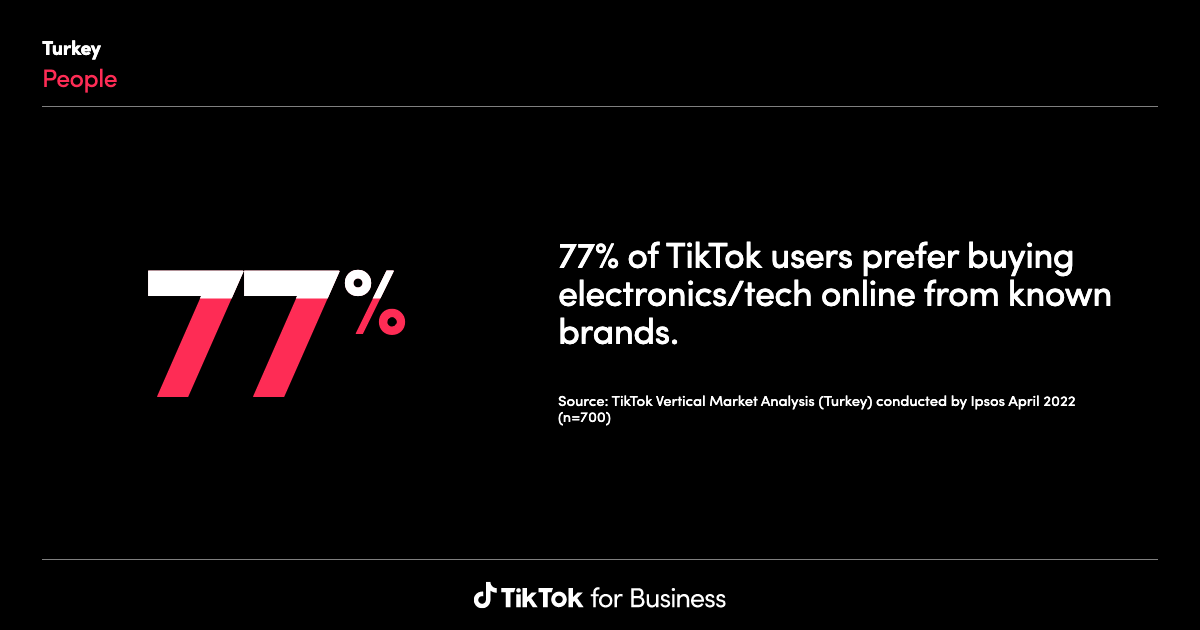
Understanding your audience is key to creating content that resonates. TikTok audiences are formed around interests and formats, so build your audience definition around how people watch.
Tips for Identifying Your Audience
- Behavioral Segmentation: Who is searching, saving, commenting, or buying?
- Interest Clusters: Identify 5–10 topics your customers binge.
- Trend Participation Patterns: Track what your audience shares, not only what they like.
Step 3: Analyze Competitors & Viral Content
Studying your competitors can provide valuable insights into what works and what doesn't. Look at their content gaps, hook patterns, and video structures to identify opportunities for your product launch.
What to Look For
- Content Gap Analysis: List what competitors post repeatedly—and what they don’t explain well.
- Hook Patterns: Save openings that consistently win: bold claim, unexpected reveal, quick demo, “3 mistakes,” “I tried X so you don’t have to.”
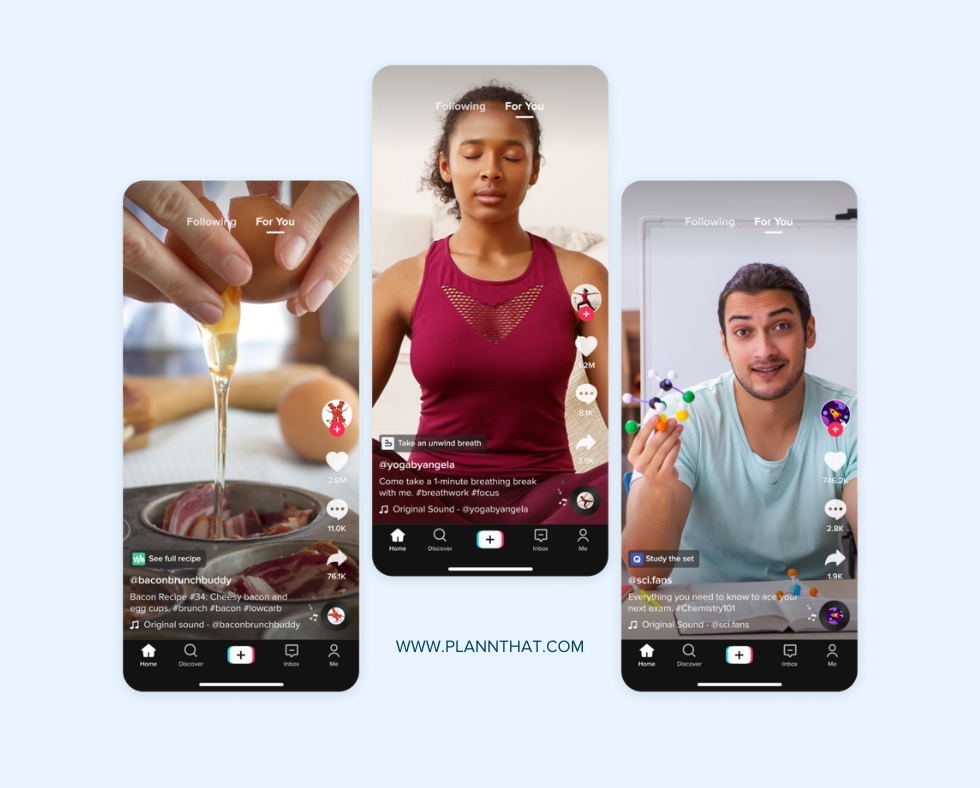
- Video Structure: Most viral brand videos follow a simple sequence: Hook → Proof → Payoff → CTA.
Step 4: Build a TikTok Content Strategy
Your TikTok content strategy should be repeatable and adaptable. Create a mix of educational, entertaining, and promotional content to keep your audience engaged.
Content Pillars

- Educational: How-to, myths, tips, breakdowns.
- Entertaining: Trend-led, relatable humor, POVs.
- Promotional: Demos, offers, testimonials, comparisons.
Trend Hijacking
Use trends as a delivery mechanism for your message. Don’t force it. If you can’t link the trend to a customer problem in one sentence, skip it.
Step 5: Create a Posting & Testing Framework
Consistency matters, but "consistent learning" matters more. Build a system you can maintain.
Key Elements

- Posting Frequency: Start realistic. Many brands see traction at 3–5 posts/week when the quality and hooks are strong.
- A/B Testing Hooks: Test one variable at a time—hook line, first visual, angle, or CTA.
- First 3-Second Retention Strategy: Your first seconds should do one job: stop the scroll. Use movement, a clear promise, a bold result, or instant proof.
Step 6: Leverage TikTok SEO
TikTok is now a search-driven platform. A modern TikTok marketing strategy includes TikTok SEO so your videos keep getting discovered weeks later.
SEO Tips
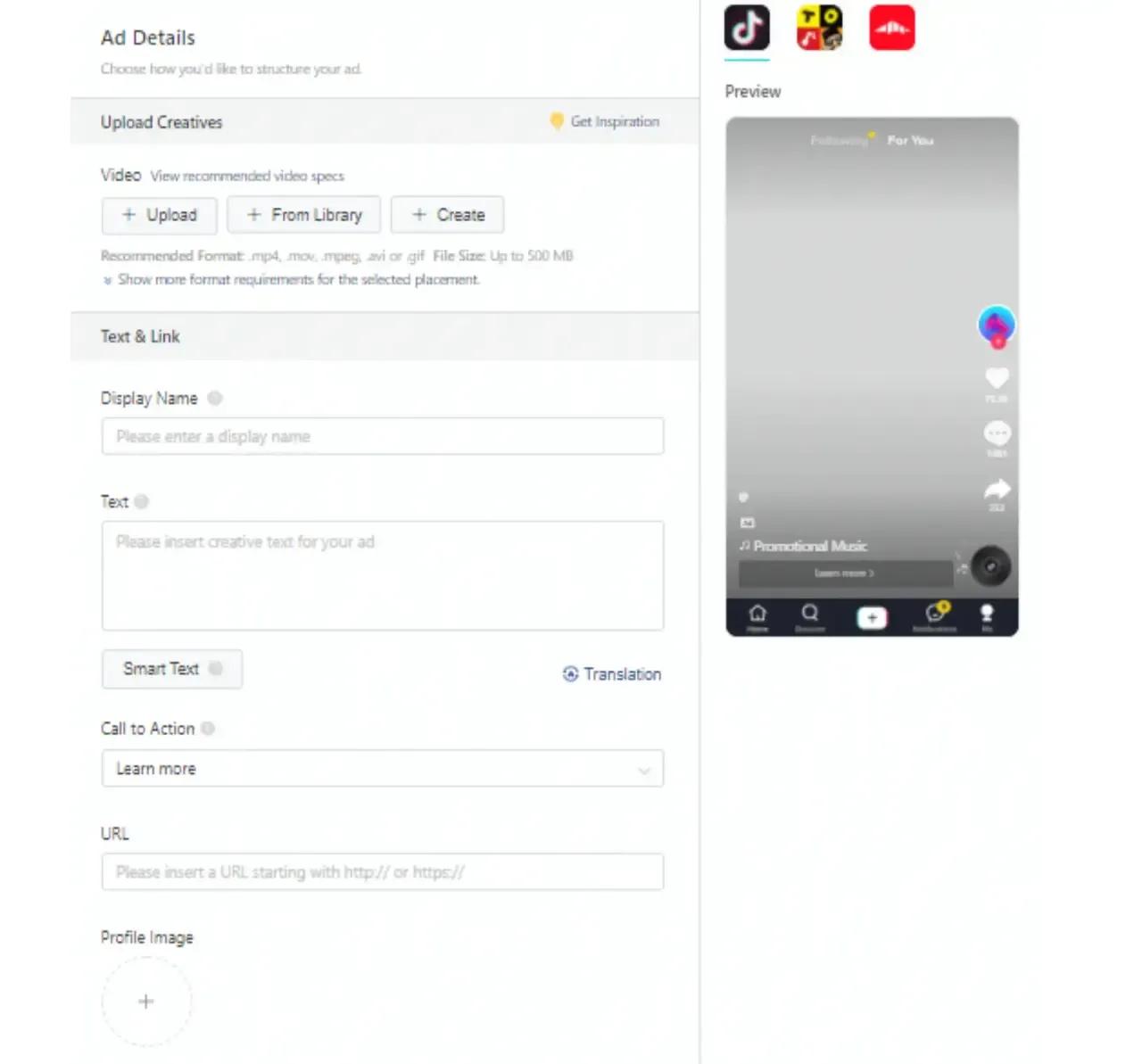
- Keyword-Based Captions: Write captions like mini search answers.
- On-Screen Text Optimization: Put the main keyword or question on screen.
- Voiceover Keywords: Say the keyword out loud in the first 5–8 seconds.
- Search Intent Targeting: Create videos that match real queries.
Step 7: Utilize Paid Advertising
Once your organic content proves traction, paid ads can accelerate growth. Use the right ad formats and strategies to scale your product launch.
Best Performing Ad Formats
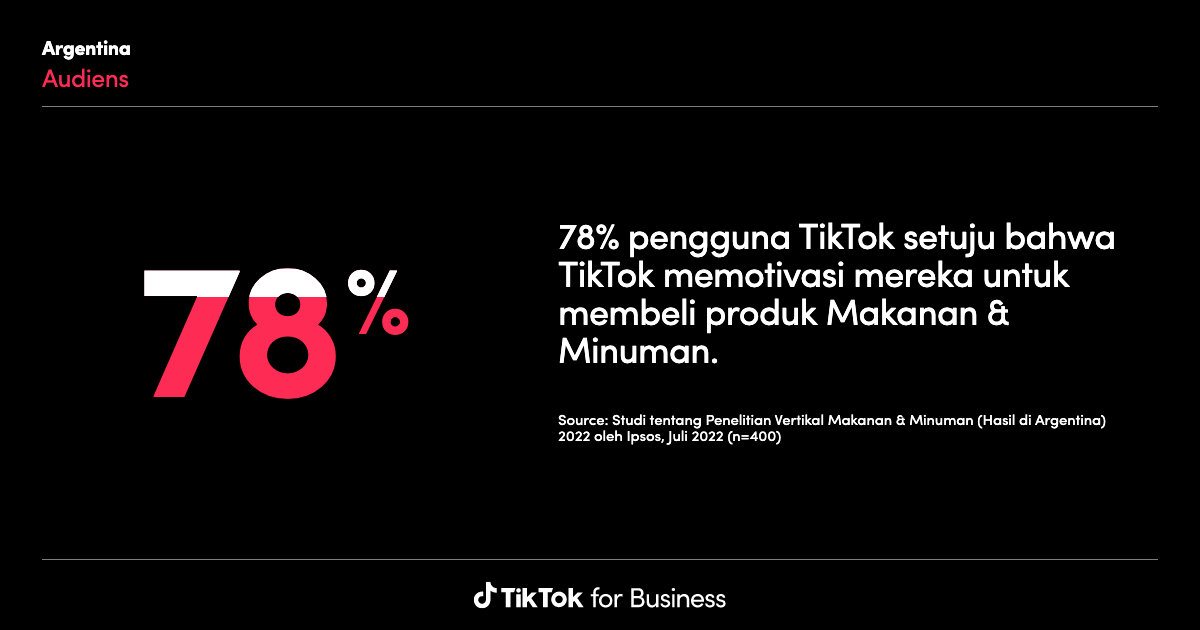
- In-feed Native Ads
- Spark Ads (Creator-Driven Content)
- Collection Ads (For Ecommerce Catalogs)
- Lead Generation Ads
Creative Testing Framework
Test variables in structured batches: - Hook variations - Different CTAs - Problem vs benefit angle - UGC-style vs brand-shot
Step 8: Monitor and Optimize
Track your performance regularly to refine your strategy. Use the right KPIs to measure success and make data-driven decisions.
Key Metrics to Track
- Engagement Metrics: Watch time, completion rate, shares.
- Conversion Metrics: CTR (Click-Through Rate), CPA (Cost Per Acquisition), ROAS (Return on Ad Spend).
- Algorithm Signals: Strong first 3-second retention, rewatches, comments, saves, shares, keyword relevance.
Final Thoughts
Launching a product on TikTok requires a blend of creativity, data, and strategy. By understanding the platform's unique features and leveraging the right tools, you can create a successful product launch that drives engagement, awareness, and sales. Keep experimenting, testing, and optimizing to ensure your TikTok ads for product launch are as effective as possible.

Posting Komentar untuk "How to Launch a Product with TikTok Ads: A Step-by-Step Guide"
Posting Komentar