
How to Master TikTok Ads Manager Targeting for Effective Campaigns
TikTok has evolved from a platform for entertainment and trends into a powerful marketing tool that brands can leverage to reach their target audience effectively. With its unique algorithm and user behavior, TikTok offers a different approach compared to other social media platforms like Instagram or YouTube. One of the most critical aspects of running successful campaigns on TikTok is mastering TikTok Ads Manager targeting. This guide will walk you through the essentials of targeting on TikTok, how to optimize your ad campaigns, and why it's essential for your brand’s success.
Understanding TikTok’s Unique Audience
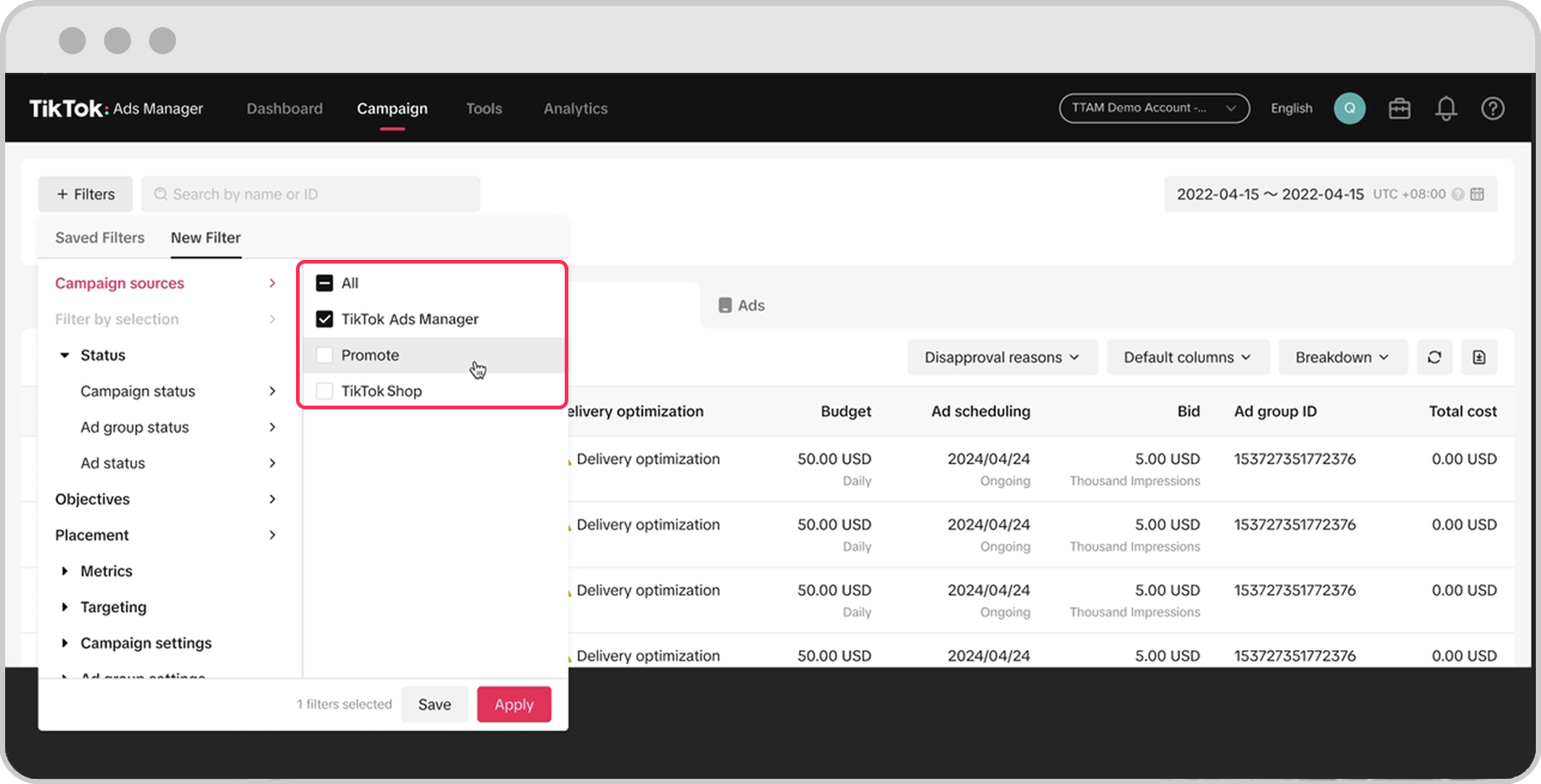
TikTok users are highly engaged and spend significant time on the app, making it an ideal platform for brands looking to build awareness and drive conversions. Unlike traditional social media, where content is often shared with followers, TikTok operates on an interest graph rather than a social graph. This means the algorithm prioritizes content based on what users watch, rewatch, and search for, not just who they follow.
This shift in user behavior makes targeting on TikTok more nuanced. Brands need to focus on creating content that resonates with specific interests, behaviors, and demographics rather than relying solely on follower counts.
Key Elements of TikTok Ads Manager Targeting
To master TikTok Ads Manager targeting, you need to understand the core elements that influence how your ads are shown to users. These include:
1. Demographic Targeting
- Age, Gender, Location: TikTok allows you to narrow down your audience by age, gender, and location. This is especially useful if your product or service caters to a specific demographic.
- Language: Choose the language your target audience uses to ensure your message is relevant and accessible.
2. Interest-Based Targeting
- Topics & Interests: TikTok provides detailed insights into what users are interested in. You can target users based on topics such as fashion, fitness, technology, or even niche hobbies.
- Behaviors: Track user actions like searches, saves, and comments to identify patterns and tailor your ads accordingly.
3. Behavioral Targeting
- Purchase Intent: If you're selling products, you can target users who have shown interest in similar items or have made purchases in the past.
- Engagement History: Users who frequently engage with content related to your niche are more likely to convert.
4. Custom Audiences
- Lookalike Audiences: Use your existing customer data to find users with similar characteristics.
- Website Visitors: Target users who have visited your website but haven’t converted yet.
[IMAGE: TikTok Ads Manager Targeting for Effective Campaigns]
Best Practices for Effective TikTok Ads Manager Targeting
To ensure your TikTok ads reach the right people, consider the following best practices:
1. Start with Clear Goals
- Define whether your goal is brand awareness, lead generation, or direct sales. This will shape your targeting strategy and help you measure success.
2. Test and Refine
- Run A/B tests with different audiences, ad formats, and creatives. TikTok’s algorithm is dynamic, so continuous testing helps you refine your targeting over time.
3. Leverage Lookalike Audiences
- Use data from your existing customers to create lookalike audiences. This helps you reach new users who are likely to be interested in your brand.
4. Use Custom Segments
- Create custom segments based on user behavior, such as those who have watched your videos, commented, or shared your content. These users are more engaged and likely to convert.
5. Optimize for Retention
- Focus on creating content that keeps users watching. The longer a user engages with your ad, the more likely TikTok will show it to others.
[IMAGE: TikTok Ads Manager Targeting for Effective Campaigns]
Tools and Features in TikTok Ads Manager
TikTok Ads Manager offers a range of tools to help you target your audience more effectively:
1. Audience Insights
- Gain valuable insights into your target audience, including their interests, behaviors, and engagement patterns.
2. Ad Scheduling
- Schedule your ads to run during peak hours when your audience is most active.
3. Performance Analytics
- Track key metrics such as click-through rate (CTR), cost per acquisition (CPA), and return on ad spend (ROAS) to evaluate the effectiveness of your targeting.
4. Creative Testing
- Test different ad variations to see which ones perform best with your target audience.
[IMAGE: TikTok Ads Manager Targeting for Effective Campaigns]
Common Mistakes to Avoid
Even with the right targeting strategies, some common mistakes can hinder your campaign’s success:
- Overly Broad Targeting: Avoid casting too wide a net. Narrow down your audience to ensure your ads are seen by the right people.
- Ignoring Engagement Signals: TikTok rewards content that keeps users engaged. Make sure your ads are designed to capture attention quickly.
- Neglecting A/B Testing: Without testing, you won’t know what works. Continuously test different audiences, creatives, and messages.
[IMAGE: TikTok Ads Manager Targeting for Effective Campaigns]
Conclusion
Mastering TikTok Ads Manager targeting is crucial for any brand looking to succeed on this fast-growing platform. By understanding your audience, leveraging the right tools, and continuously refining your approach, you can create effective campaigns that drive engagement, conversions, and long-term growth. Whether you're a startup or an established brand, TikTok offers a unique opportunity to connect with users in a way that feels authentic and engaging. Start optimizing your targeting today and unlock the full potential of TikTok advertising.

Posting Komentar untuk "How to Master TikTok Ads Manager Targeting for Effective Campaigns"
Posting Komentar