
How to Master TikTok Ads Targeting: A Complete Audience Strategy Guide
TikTok has evolved from a platform for short-form entertainment into a powerful tool for brands looking to connect with audiences, drive engagement, and generate sales. With over 1 billion active users globally, TikTok offers an unparalleled opportunity for businesses to reach a highly engaged audience. However, the key to success on TikTok lies in understanding how to effectively target your audience through strategic ad campaigns. This guide will walk you through the essential steps to master TikTok ads targeting and build a comprehensive audience strategy.

Understanding TikTok’s Unique Audience
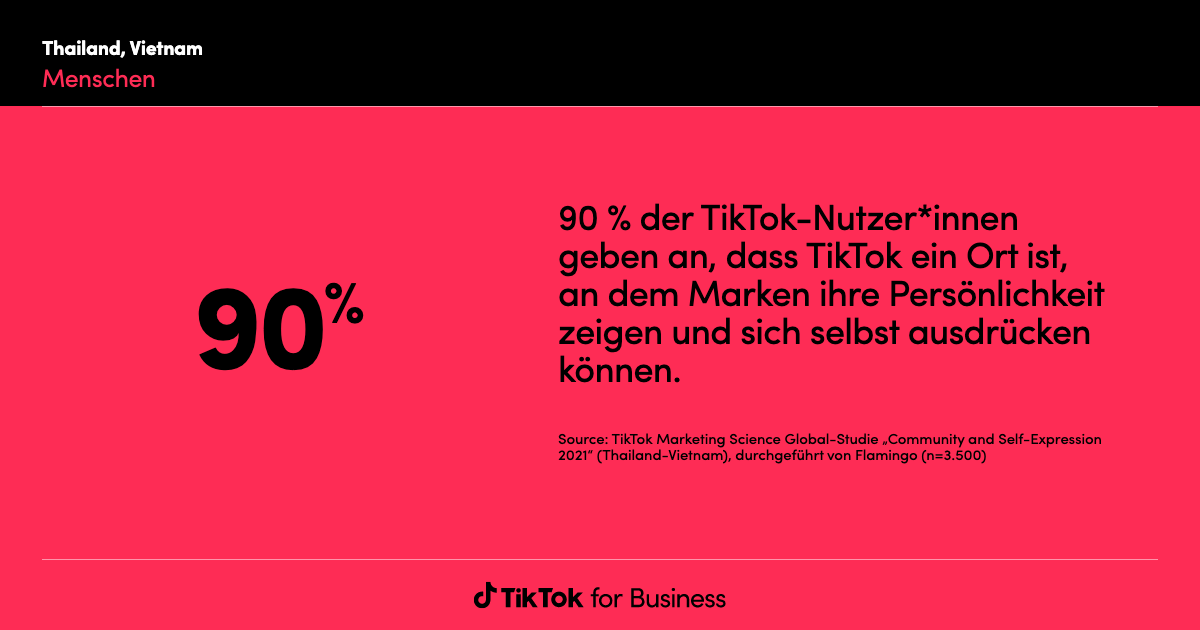
TikTok's algorithm is designed to prioritize content that resonates with users based on their interests, not just their followers. This means that even if your brand doesn’t have a large following, you can still gain visibility by creating content that aligns with what users are searching for and engaging with. The platform’s “For You Page” (FYP) is the primary driver of content discovery, making it crucial to understand how to optimize your ads for this environment.
Key Characteristics of TikTok Users
- Age Demographics: TikTok is heavily used by Gen Z and Millennials, who are more likely to engage with authentic, relatable content.
- Behavioral Patterns: Users often scroll quickly, so your content must capture attention within the first few seconds.
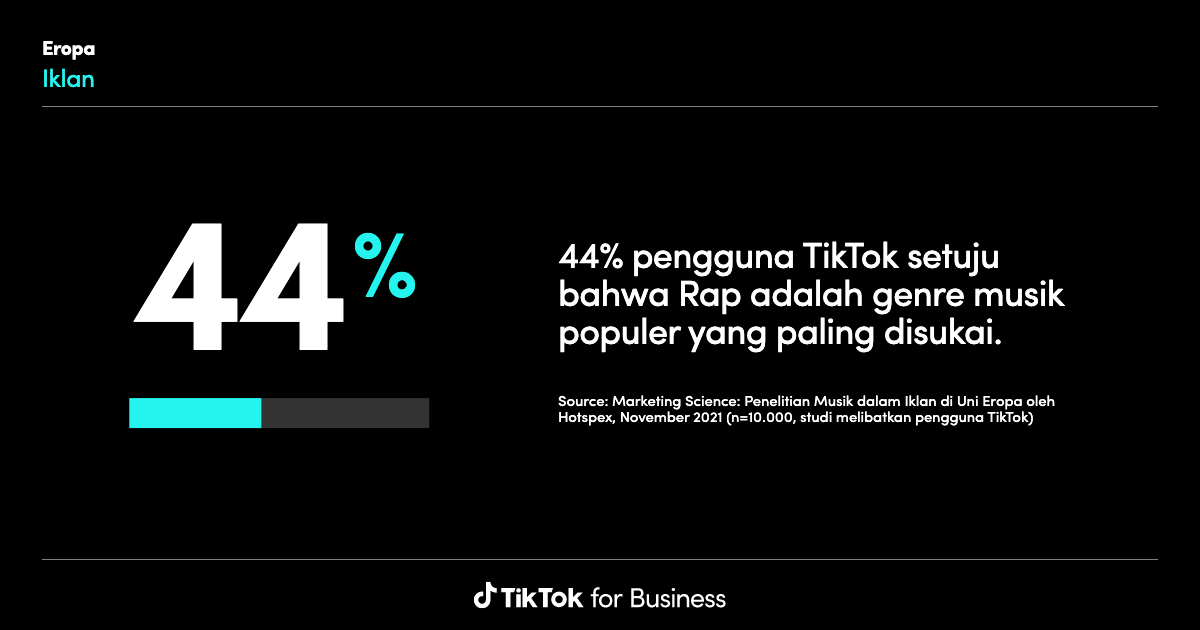
- Interest-Based Engagement: TikTok users are drawn to content that aligns with their interests, whether it’s trends, educational content, or entertainment.
Step 1: Define Your Target Audience
Before launching any TikTok ad campaign, it’s essential to clearly define your target audience. This involves understanding who your ideal customers are, what they’re interested in, and how they interact with TikTok.
1.1 Identify Audience Segments
Break down your audience into segments based on demographics, interests, and behaviors. For example:
- Demographics: Age, gender, location, income level.
- Interests: Topics they follow, such as fashion, technology, or fitness.
- Behaviors: How they engage with content (e.g., watching videos, commenting, sharing).
1.2 Use TikTok’s Audience Insights
TikTok provides tools like the TikTok Business Dashboard and Creative Center to help you analyze your audience. These tools offer insights into your followers’ preferences, popular content, and engagement patterns.
1.3 Leverage Third-Party Analytics
Tools like HypeAuditor, Sprout Social, and Tubebuddy can provide deeper insights into audience behavior and help you identify trends that align with your brand.
Step 2: Create a Content Strategy Aligned with Your Audience
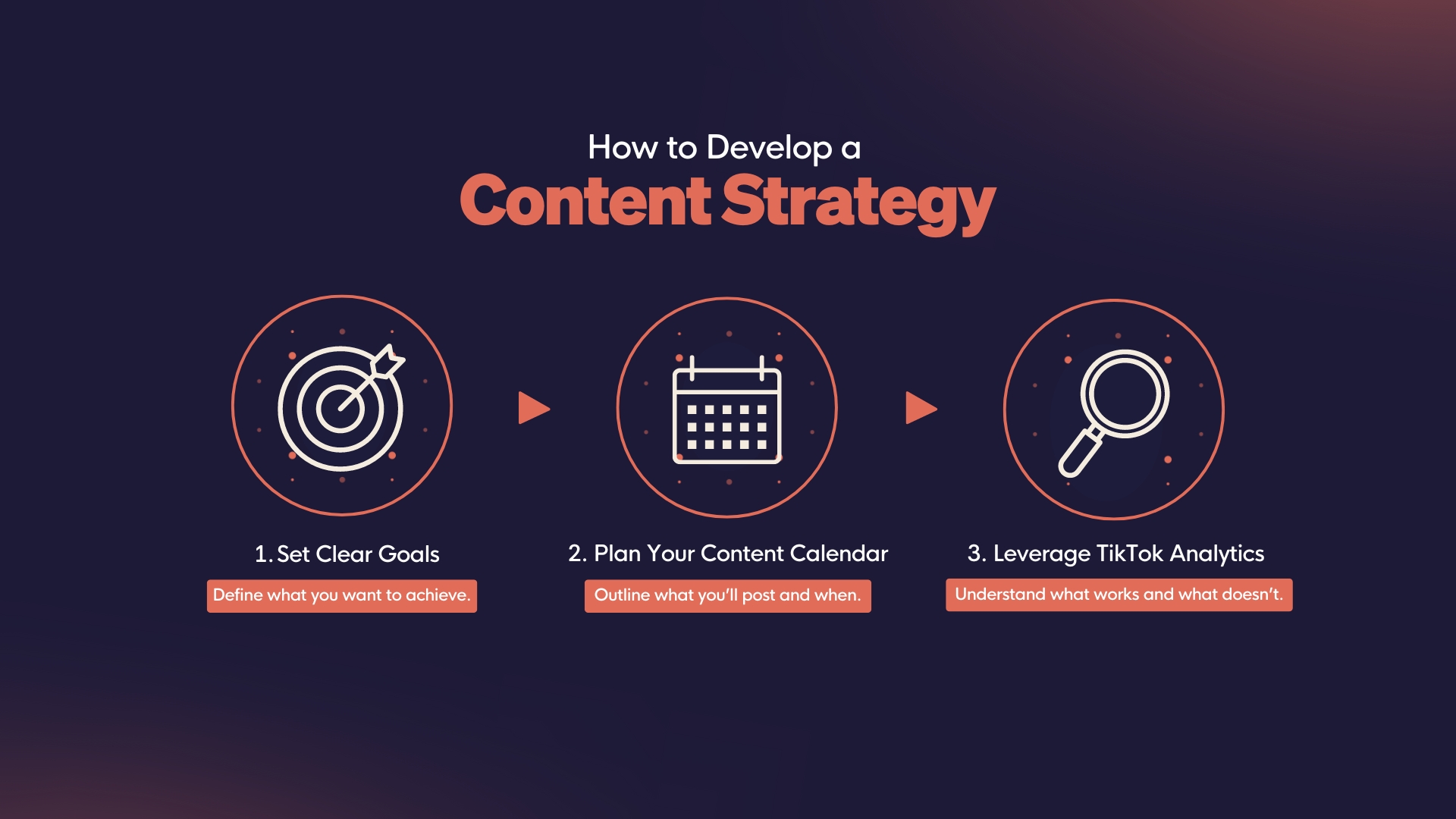
Once you’ve defined your audience, the next step is to create content that resonates with them. TikTok users are drawn to content that is engaging, informative, and visually appealing.
2.1 Focus on High-Engagement Formats
- Trend Participation: Use trending sounds, challenges, and hashtags to increase visibility.
- Educational Content: Tutorials, how-tos, and myth-busting videos can establish your brand as an authority.
- User-Generated Content (UGC): Encourage customers to share their experiences with your product or service.
2.2 Optimize for the First 3 Seconds
TikTok users scroll quickly, so your content must grab attention immediately. Use bold visuals, clear promises, or surprising statements to stop the scroll.
2.3 Use Native Formatting
TikTok rewards content that feels authentic and native to the platform. Avoid overly polished ads and instead focus on a natural, conversational tone.
Step 3: Utilize TikTok’s Targeting Options
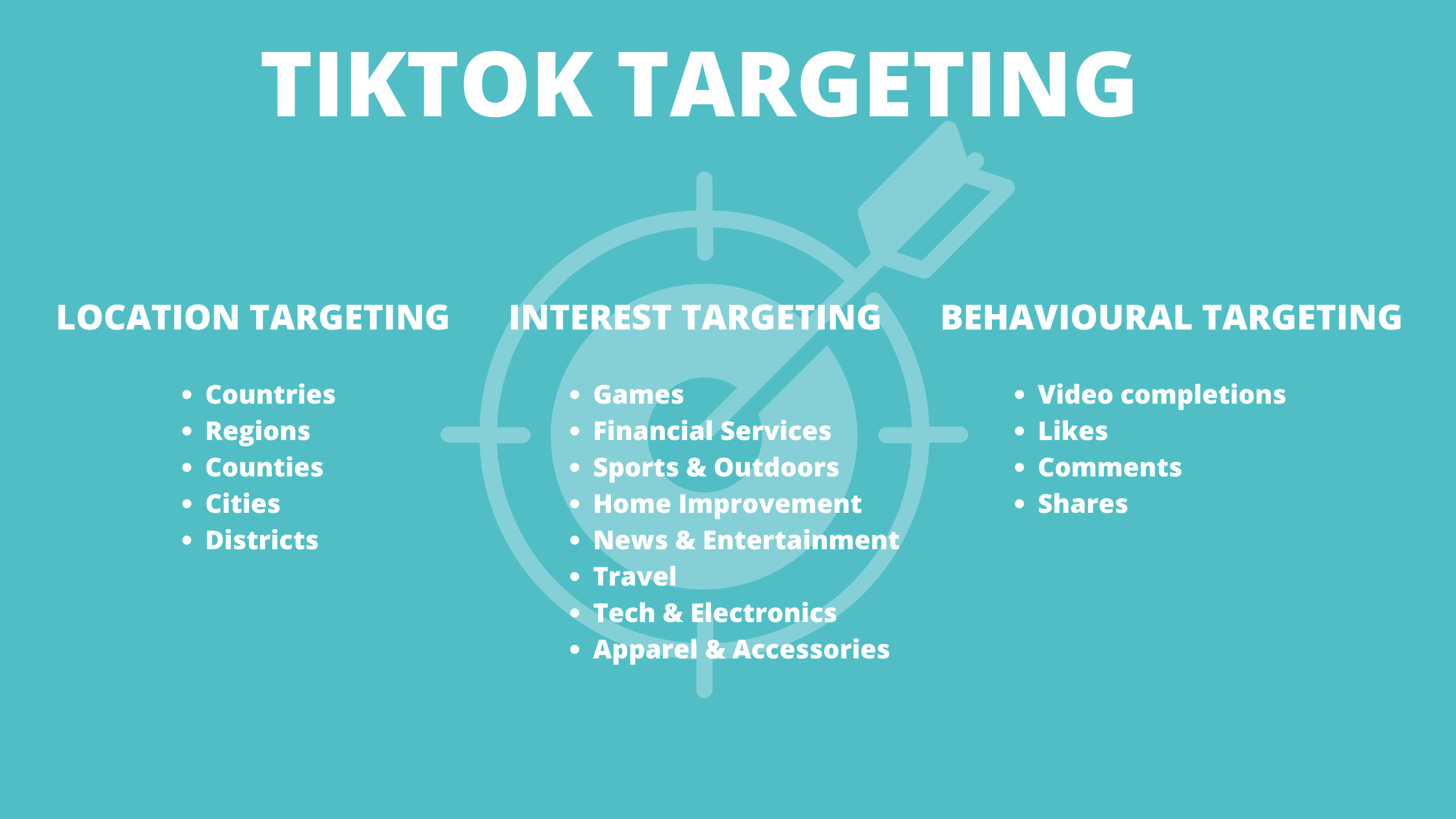
TikTok offers a range of targeting options to help you reach the right audience. Understanding these tools can significantly improve the effectiveness of your ad campaigns.
3.1 Demographic Targeting
- Age: Choose the age range that aligns with your audience.
- Gender: Select the gender that best fits your target market.
- Location: Target specific regions or countries where your audience is most active.
3.2 Interest-Based Targeting
Use TikTok’s interest-based targeting to reach users who have shown an interest in topics related to your brand. This includes:
- Categories: Such as "Fitness," "Fashion," or "Technology."
- Keywords: Target users who search for specific terms or phrases.
3.3 Behavioral Targeting
Target users based on their behavior on TikTok, such as:
- Engagement: Users who frequently watch, comment, or share videos.
- Purchase Intent: Users who have shown interest in similar products or services.
Step 4: Test and Refine Your Campaigns
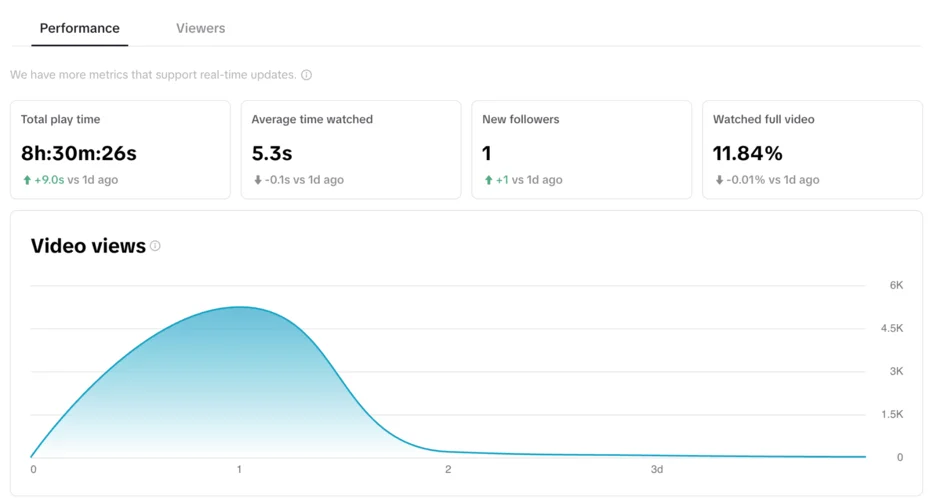
TikTok’s algorithm is constantly evolving, so it’s important to continuously test and refine your ad campaigns to ensure they remain effective.
4.1 A/B Testing
Run A/B tests to compare different versions of your ads. Test variables such as:
- Headlines and Captions
- Visual Elements
- Call-to-Action (CTA)
4.2 Monitor Performance Metrics
Track key performance indicators (KPIs) such as:
- Click-Through Rate (CTR)
- Conversion Rate
- Cost Per Click (CPC)
- Return on Ad Spend (ROAS)
4.3 Adjust Based on Data
Use the data from your campaigns to make informed decisions. If a particular ad performs well, consider scaling it up. If a campaign underperforms, adjust the targeting or creative elements.
Step 5: Leverage TikTok Shop and Social Commerce

With the rise of TikTok Shop, brands can now directly sell products within the app. This feature allows users to discover, shop, and purchase products without leaving the platform, making it a powerful tool for driving sales.
5.1 Create Product-Focused Content
Develop content that highlights your products in action. Use before-and-after comparisons, demos, and testimonials to showcase the value of your offerings.
5.2 Use TikTok Shop Features
Leverage TikTok Shop features such as:
- Live Shopping: Host live sessions to demonstrate products and answer questions in real-time.
- In-App Checkout: Enable seamless purchasing within the app to reduce friction for users.
Conclusion: Mastering TikTok Ads Targeting

Mastering TikTok ads targeting requires a deep understanding of your audience, a well-crafted content strategy, and continuous optimization. By leveraging TikTok’s unique features and targeting options, you can create effective ad campaigns that resonate with users and drive measurable results.
Remember, the key to success on TikTok is consistency, creativity, and a willingness to adapt. As the platform continues to evolve, staying ahead of trends and refining your strategies will be essential to maintaining a competitive edge.
Posting Komentar untuk "How to Master TikTok Ads Targeting: A Complete Audience Strategy Guide"
Posting Komentar