
How to Optimize Your TikTok Ads Schedule for Maximum Engagement
TikTok has become a dominant force in the digital marketing landscape, offering brands a unique opportunity to connect with a vast and engaged audience. However, simply posting content on TikTok isn't enough—successful campaigns require strategic planning, especially when it comes to TikTok ads schedule optimization. By carefully managing your ad schedule, you can ensure that your content reaches the right audience at the right time, maximizing engagement and return on investment (ROI). In this article, we'll explore the key strategies for optimizing your TikTok ads schedule, including leveraging data insights, understanding user behavior, and using tools to streamline the process.
Understanding the Importance of TikTok Ads Schedule Optimization
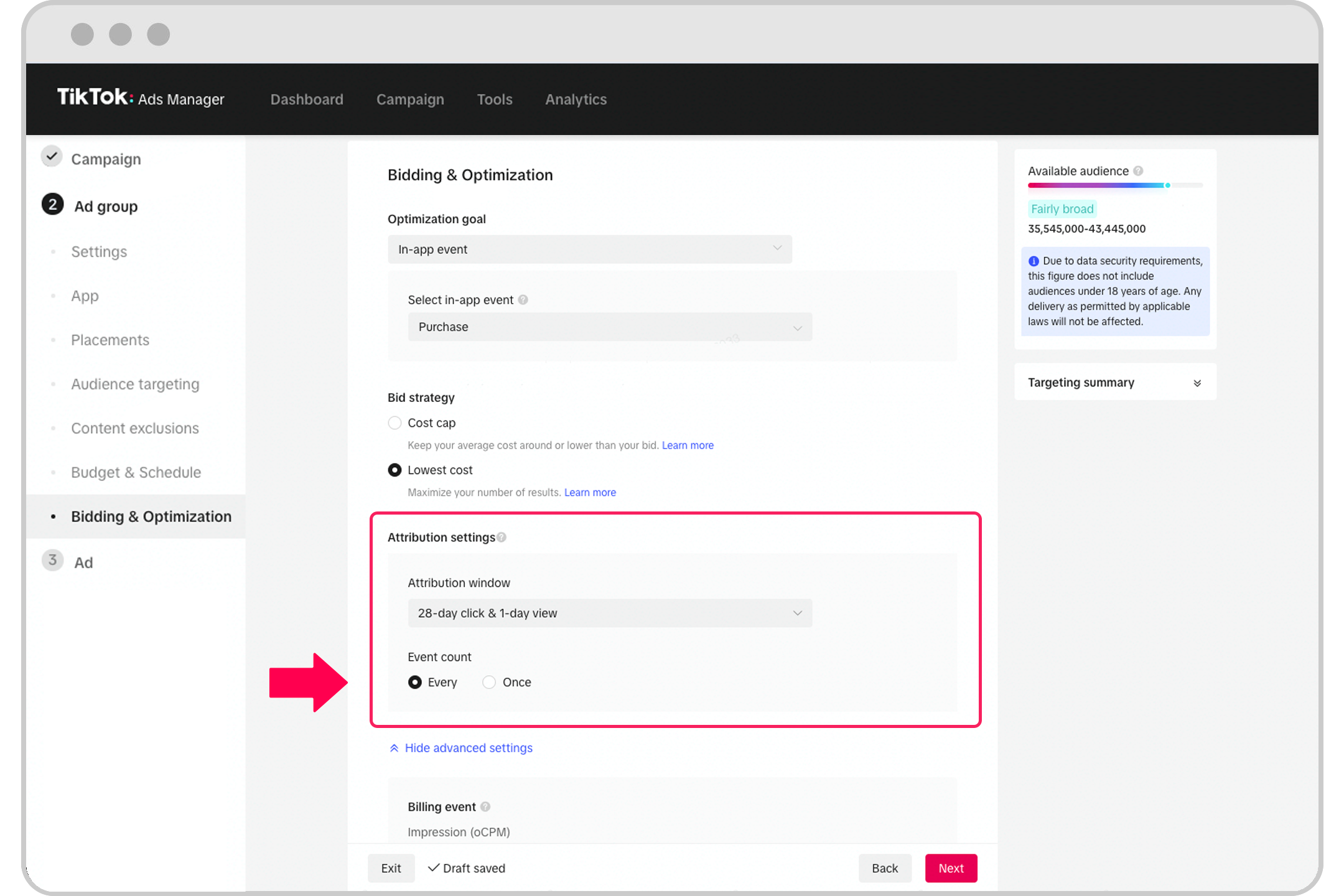
TikTok's algorithm prioritizes content based on user engagement, meaning that timing plays a crucial role in how your ads are seen and interacted with. A well-optimized ad schedule ensures that your content is visible during peak hours when your target audience is most active. This not only increases the likelihood of your ads being seen but also improves the chances of them being shared, liked, or clicked on.
Step 1: Analyze Your Audience’s Behavior
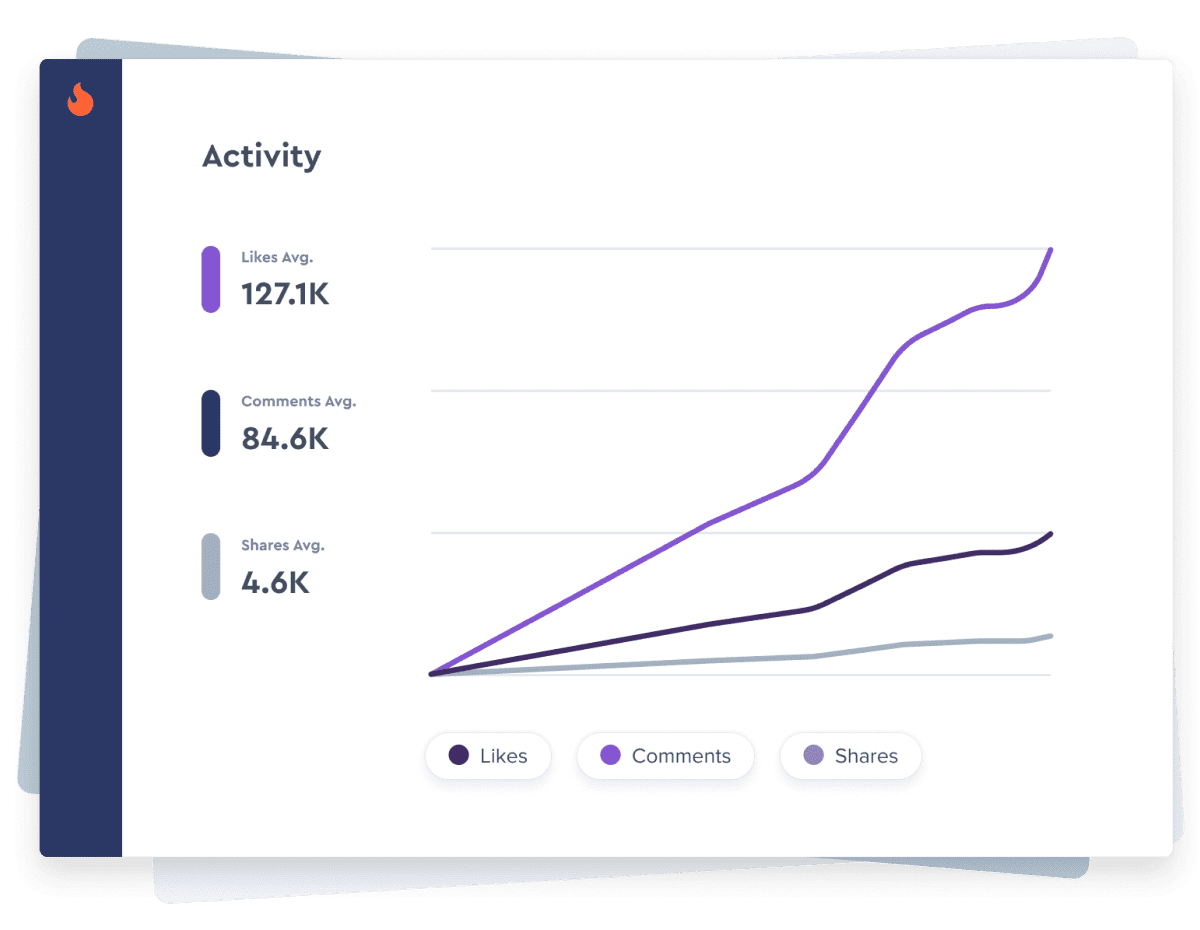
Before setting up your TikTok ads schedule, it's essential to understand when your target audience is most active on the platform. This involves analyzing historical data from your previous campaigns to identify patterns in engagement. Key metrics to consider include:
- Peak hours: When do your followers engage the most?
- Day of the week: Are there specific days when your audience is more active?
- Geographic location: Do your followers come from different regions with varying time zones?
By identifying these trends, you can create a schedule that aligns with your audience’s habits, increasing the visibility of your ads.
Step 2: Use TikTok’s Analytics Tools
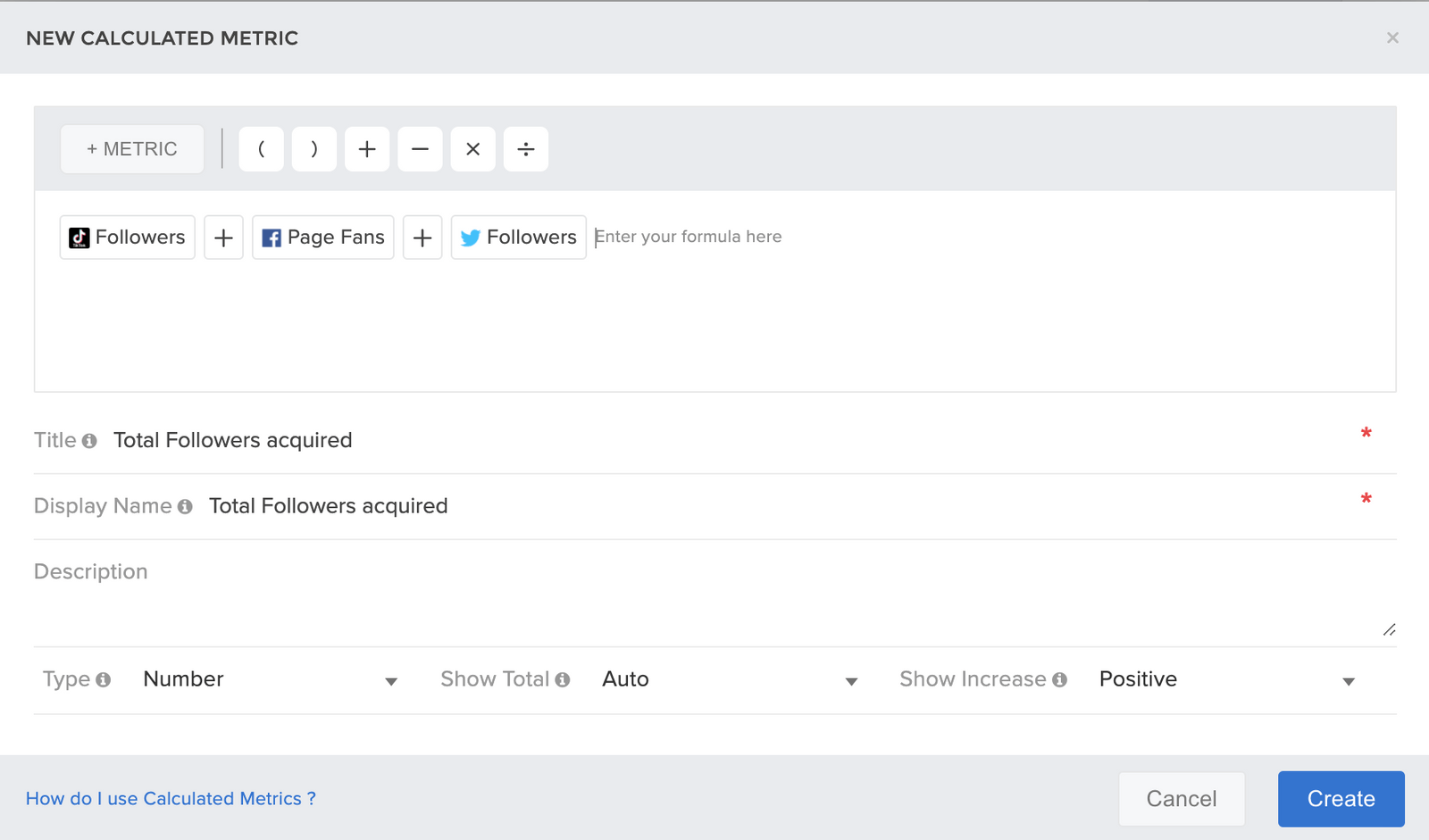
TikTok provides robust analytics tools that allow you to track the performance of your ads in real-time. These tools offer valuable insights into:
- Engagement rates: How many likes, comments, shares, and saves your ads receive.
- Click-through rates (CTR): How often users click on your call-to-action (CTA).
- Conversion rates: How many users take the desired action after interacting with your ad.
By regularly reviewing these metrics, you can refine your ad schedule to focus on times when your ads perform best.
Step 3: Leverage Third-Party Scheduling Tools
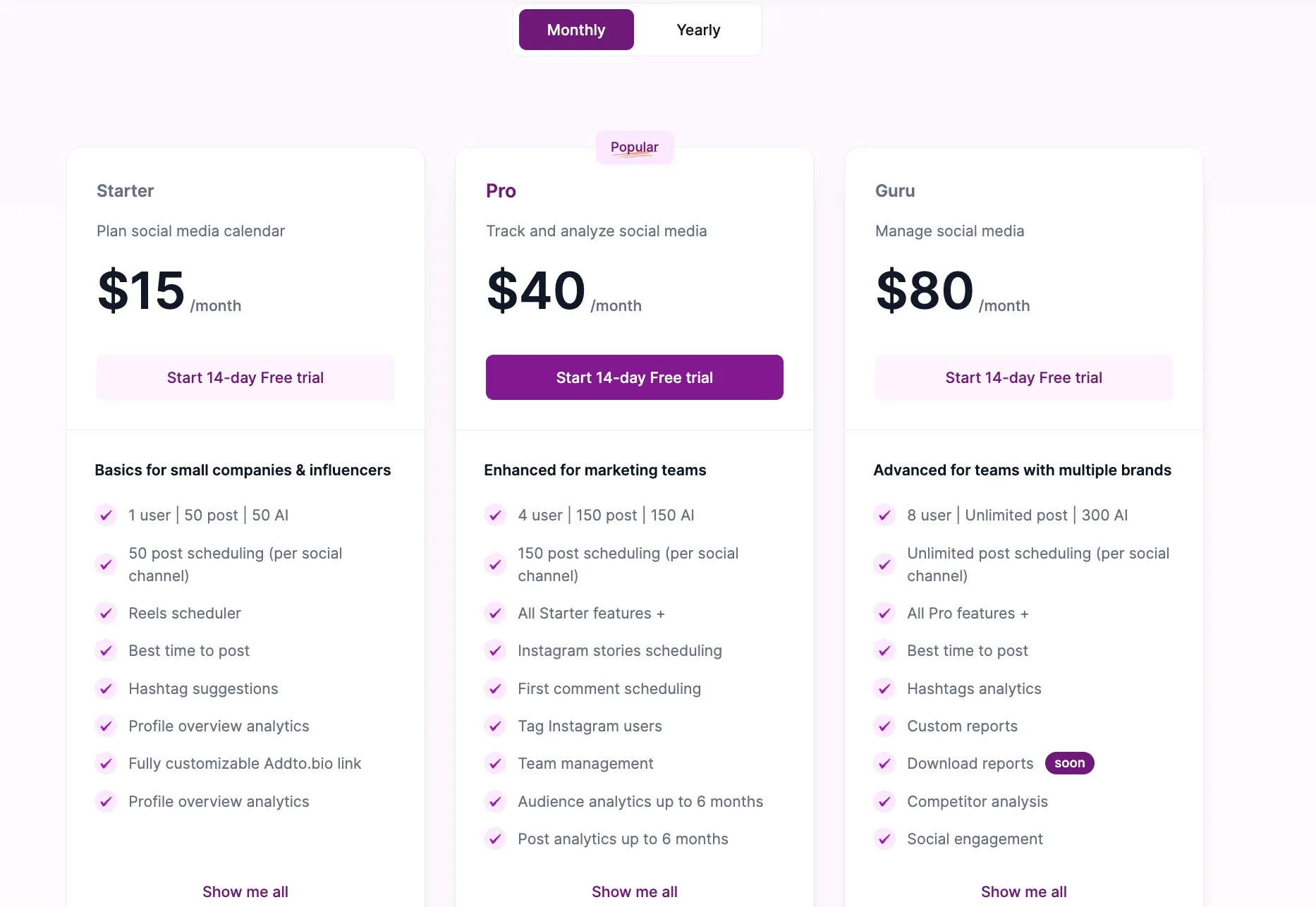
While TikTok offers some scheduling capabilities within its app, third-party tools like Planable, Buffer, and Hootsuite provide more advanced features for managing your ad schedule. These tools allow you to:
- Schedule multiple ads at once: Save time by planning your entire campaign in advance.
- Set custom time zones: Ensure your ads are posted at the optimal time for each region.
- Track performance across platforms: Monitor your TikTok ads alongside other social media channels.
Using these tools can help you maintain a consistent presence on TikTok while focusing on creating high-quality content.
Step 4: Test Different Times and Frequencies
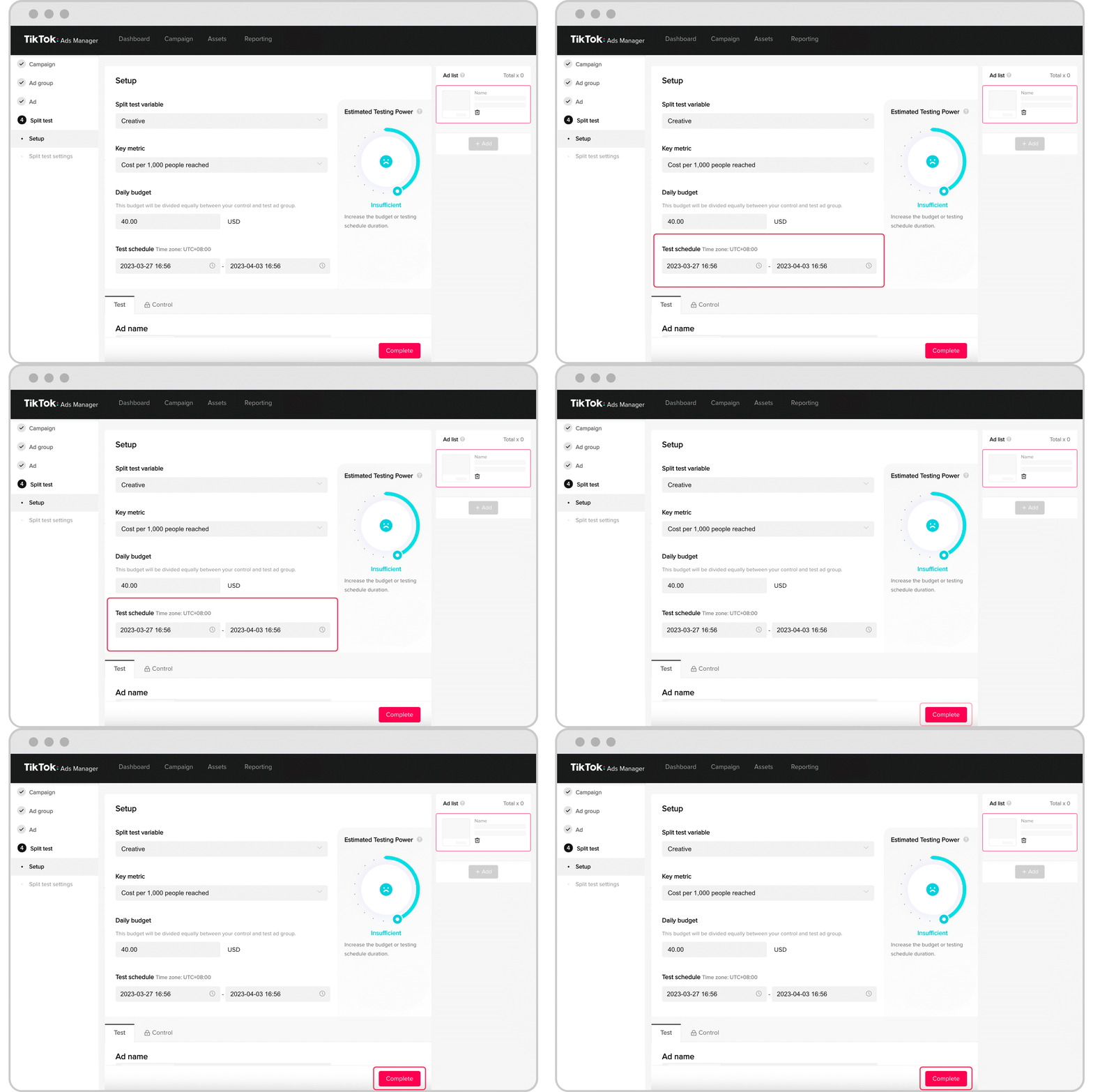
One of the most effective ways to optimize your TikTok ads schedule is through A/B testing. Experiment with different posting times and frequencies to see what works best for your brand. For example:
- Post at different times of the day to see which yields higher engagement.
- Try posting 3–5 times per week versus daily to determine the optimal frequency.
- Test different days of the week to identify when your audience is most receptive.
By continuously testing and refining your schedule, you can fine-tune your strategy for maximum impact.
Step 5: Focus on Content Quality and Relevance
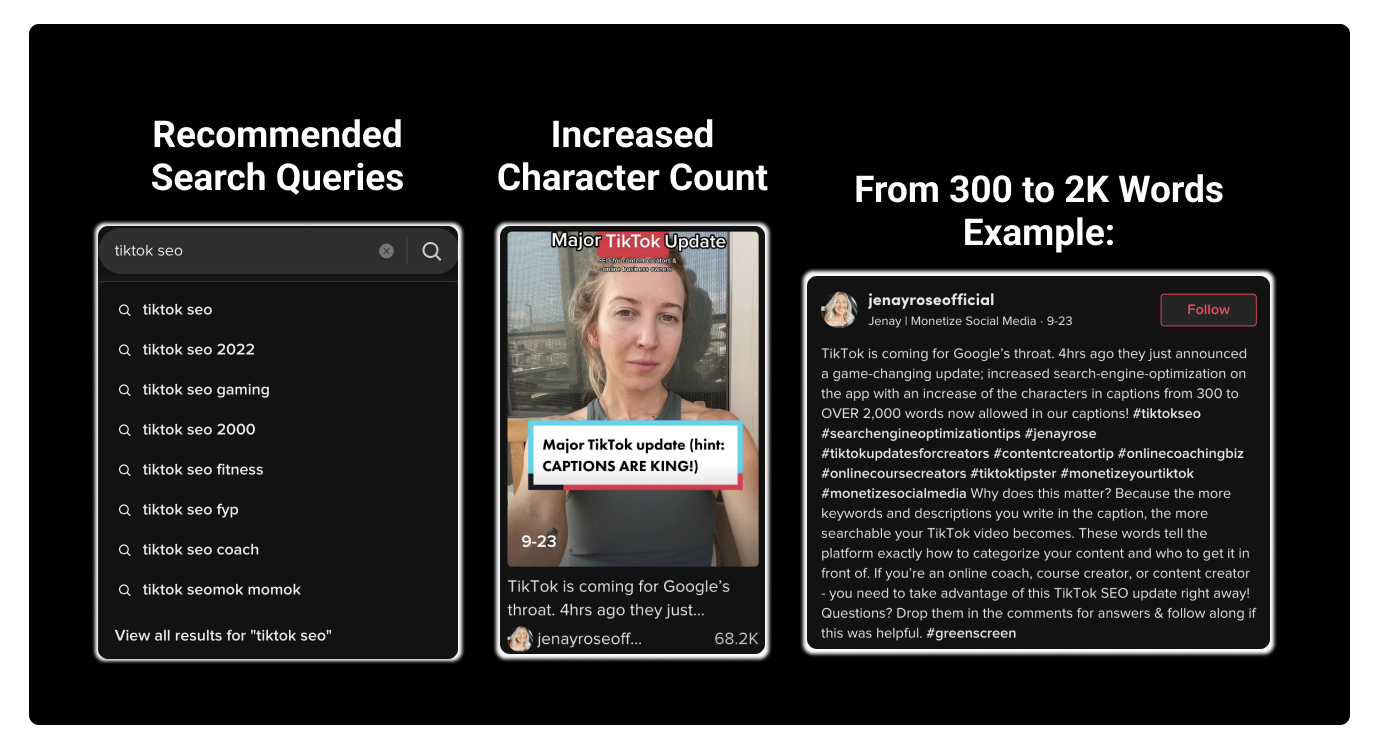
While timing is important, the quality and relevance of your content play an even bigger role in engagement. Even the best-scheduled ads will fail if the content doesn’t resonate with your audience. To ensure your ads are engaging:
- Create compelling hooks: Start with a strong visual or statement to grab attention.
- Use trending sounds and challenges: Incorporate popular trends to increase the chances of your ad going viral.
- Include clear CTAs: Encourage users to take action, whether it’s clicking a link, commenting, or sharing the video.
High-quality, relevant content paired with an optimized schedule will significantly boost your ad performance.
Step 6: Monitor and Adjust Based on Performance

Optimizing your TikTok ads schedule is an ongoing process. After launching your campaign, continuously monitor its performance and make adjustments as needed. Key actions to take include:
- Pause underperforming ads: If an ad isn’t generating engagement, consider pausing it and reallocating the budget.
- Reallocate budget to top-performing ads: Invest more in the ads that deliver the best results.
- Update your schedule based on new data: As trends evolve and audience behavior changes, adjust your schedule accordingly.
By staying agile and responsive, you can ensure your TikTok ads remain effective over time.
Conclusion: The Power of a Well-Optimized TikTok Ads Schedule
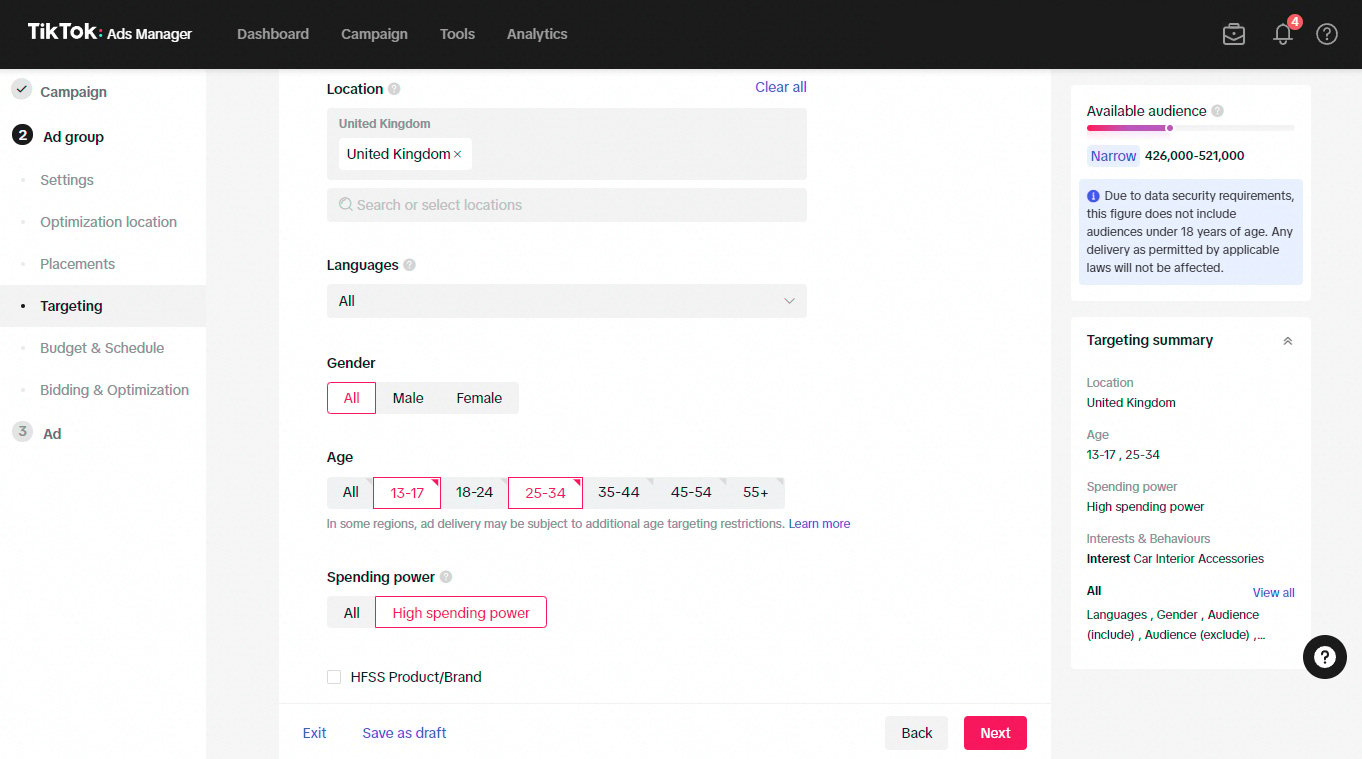
Optimizing your TikTok ads schedule is a critical component of any successful digital marketing strategy. By understanding your audience, leveraging analytics tools, and using third-party scheduling platforms, you can ensure your ads reach the right people at the right time. Remember, the goal is not just to post content—it’s to create meaningful interactions that drive engagement, conversions, and long-term brand growth.
With the right approach, TikTok can become one of your most powerful marketing channels. Start by implementing the strategies outlined above, and watch your ad performance soar.

Posting Komentar untuk "How to Optimize Your TikTok Ads Schedule for Maximum Engagement"
Posting Komentar