
How to Understand TikTok Ad Performance: A Complete Guide for Marketers
TikTok has become a critical platform for brands looking to connect with younger audiences, drive engagement, and generate sales. With its unique algorithm and user behavior, understanding TikTok ad performance is essential for any marketer aiming to maximize their return on investment (ROI). This guide will walk you through the key metrics, strategies, and best practices to help you interpret and improve your TikTok ad performance.
Understanding TikTok's Algorithm and User Behavior
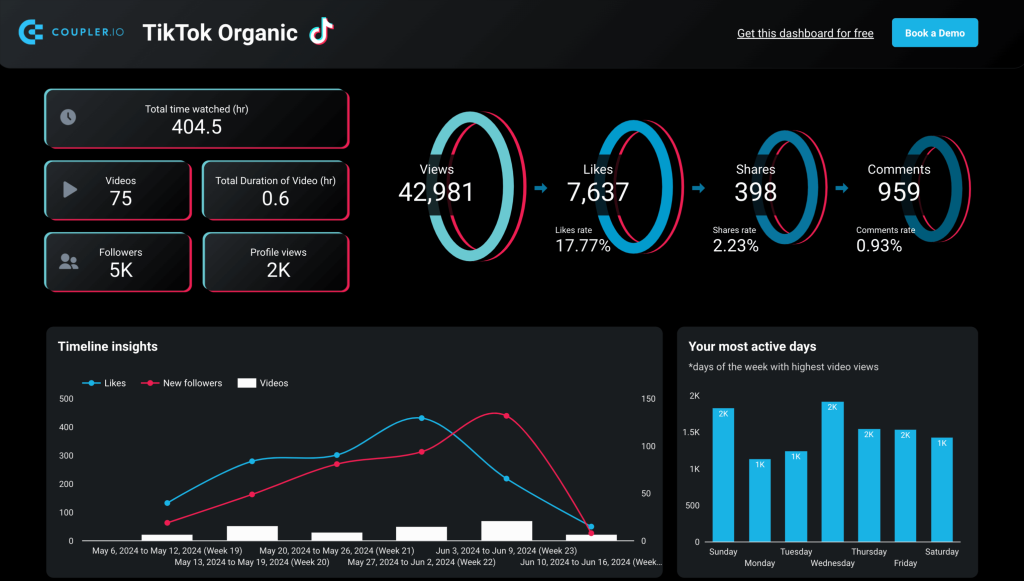
TikTok's algorithm is designed to prioritize content that keeps users engaged. Unlike traditional social media platforms, where follower count plays a significant role, TikTok focuses on performance signals such as watch time, shares, and comments. This means that even a small account can go viral if the content resonates with the audience.
To understand TikTok ad performance, it's crucial to recognize how the platform operates:
- Discovery-based algorithm: Most views come from the For You Page (FYP), which shows content to users based on their interests, not just who they follow.
- Interest graph: The algorithm learns from what users watch, rewatch, and search for, making it more about relevance than social connections.
- Content-first distribution: Strong videos can outperform months of posting if they are optimized for retention and engagement.
Key Metrics to Track for TikTok Ad Performance
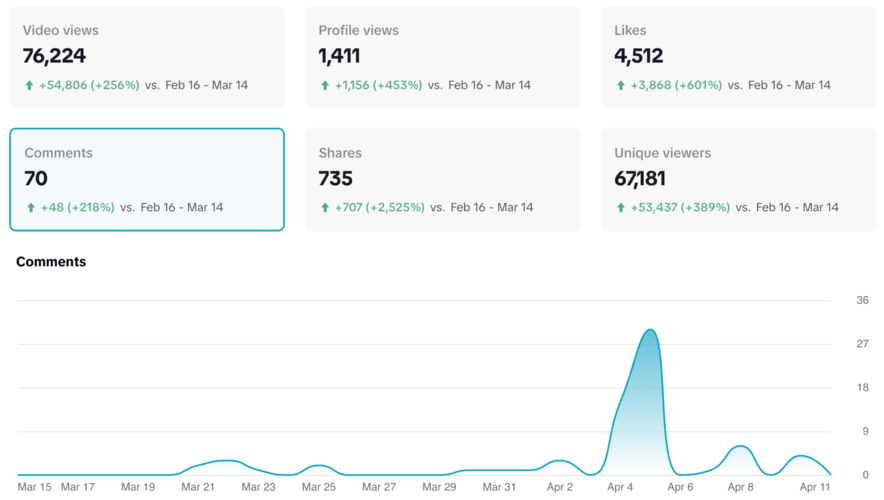
Tracking the right metrics is the foundation of understanding TikTok ad performance. Here are the most important ones:
1. Engagement Metrics
- Watch Time: Measures how long users watch your video. Higher watch time indicates better content quality.
- Completion Rate: Shows the percentage of viewers who watch the entire video. A high completion rate signals strong engagement.
- Shares: Shares are a powerful signal for the algorithm, as they indicate content that users find valuable or entertaining.
- Comments and Likes: These metrics show how much users interact with your content, which can boost visibility.
2. Conversion Metrics
- Click-Through Rate (CTR): Measures how many users click on your call-to-action (CTA) after watching the video.
- Cost Per Acquisition (CPA): Tracks how much it costs to acquire a customer or lead through your ad.
- Return on Ad Spend (ROAS): Calculates the revenue generated for every dollar spent on ads. A higher ROAS means your campaign is performing well.
3. Algorithm Signals That Boost Reach
- First 3-Second Retention: The first few seconds of a video determine whether users continue watching. A strong hook is essential.
- Rewatches and Saves: These actions signal that users find the content valuable enough to revisit later.
- Keyword Relevance: Using relevant keywords in captions, on-screen text, and voiceovers helps your content appear in searches and FYP.
Strategies to Improve TikTok Ad Performance

Once you understand the metrics, the next step is to implement strategies that improve your ad performance. Here are some proven techniques:
1. Optimize Your Hooks
The first few seconds of your video are critical. Use a hook-first approach to grab attention immediately. Examples include: - Pattern Interrupt: Start with something unexpected (e.g., a bold visual or surprising statement). - Curiosity Gap: Create a sense of urgency or curiosity (e.g., “This one change doubled our TikTok clicks…”). - Problem-Agitate-Solution: Highlight a pain point, escalate it, then offer a solution.
2. Leverage UGC and Creator-Led Marketing
User-generated content (UGC) and creator partnerships are highly effective on TikTok. They build trust and authenticity, which are key to engagement. Consider: - Micro-influencers: Smaller creators often have more engaged audiences. - Affiliate Partnerships: Let creators promote your product in their own voice with tracked links. - Spark Ads: Boost high-performing organic content to scale reach.
3. Use Trend-Based Marketing
TikTok is driven by trends, so incorporating them into your strategy can significantly boost performance. However, ensure that the trend aligns with your brand and audience. A simple framework is: - Trend Sound + Customer Pain + Solution = Trend That Converts
4. Create Educational and Problem-Solving Content
Educational content not only builds trust but also improves SEO. Topics like "How to develop a TikTok marketing strategy" or "TikTok strategy for brands" can attract users searching for solutions.
5. Track and Test Regularly
Consistency is key, but so is testing. Run A/B tests on different elements like hooks, CTAs, and visuals. Use a simple testing loop: - Post → Review retention and shares → Make 2 improved versions → Repeat weekly.
Common Mistakes to Avoid

Even with the right strategies, some common mistakes can hurt your TikTok ad performance. Avoid these pitfalls: - Overproduced Content: Highly polished ads often underperform compared to authentic, native-feeling videos. - Ignoring Trends: Refusing to adapt to TikTok culture limits your reach. - Selling Too Aggressively: Users prefer value and entertainment before purchase prompts. - Not Optimizing for Search: Ignoring TikTok SEO reduces long-term discoverability. - Not Testing Hooks: Weak openings kill performance before the message is delivered.
Conclusion
Understanding TikTok ad performance requires a combination of data analysis, strategic planning, and continuous optimization. By tracking the right metrics, implementing effective strategies, and avoiding common mistakes, you can significantly improve your ad results. Remember, TikTok is a discovery-driven platform, so focusing on content that resonates with your audience is key to long-term success.
Whether you're a small business or a large brand, TikTok offers immense potential for growth when approached with the right mindset and tools. Start by defining your goals, understanding your audience, and consistently testing and refining your approach. With time and effort, you'll be able to turn TikTok into a powerful marketing channel.

Posting Komentar untuk "How to Understand TikTok Ad Performance: A Complete Guide for Marketers"
Posting Komentar